Your workspace quietly shapes how you think, feel, and perform every day. Motivational canvas art isn’t just decoration—it’s a visual tool that reinforces focus, reduces stress, and supports productivity. Whether you’re running a home business or managing a team, the right canvas art can turn an ordinary workspace into an environment that fuels clarity, creativity, and resilience.
Key Takeaways
- Motivational canvas art improves productivity by shaping focus, mood, and mental resilience.
- Canvas is more durable, glare-free, and professional than posters or framed prints.
- Strategic placement turns wall art into a powerful visual anchor during the workday.
- Color choice directly affects stress levels, creativity, and cognitive performance.
- A well-designed workspace reinforces professional identity and personal motivation.
- For remote workers and entrepreneurs, wall art plays an outsized role in daily mindset.
We’ve all walked into those offices that feel like a scene from a 1990s cubicle farm. There are gray walls, flickering fluorescent lights, and a heavy air of just getting through the day. It’s draining. On the flip side, we’ve seen the ultra-modern startup hubs with bean bags and neon signs that sometimes feel a bit too loud. Somewhere in the middle lies the perfect workspace. It is a place that feels professional yet deeply human. One of the most underrated tools in creating this balance is canvas art.
It sounds simple, right? Just a piece of fabric stretched over wood with some ink on it. But in the world of environmental psychology, the silent cues of our surroundings dictate up to 40% of our daily productivity. Canvas art isn’t just decoration. It’s an intentional choice to curate the mental energy of your room. Whether you are grinding away in a home office or managing a team in a corporate skyscraper, here are ten reasons why this medium is a non-negotiable for your walls.
Table of Contents
1. The Psychology of Visual Anchors
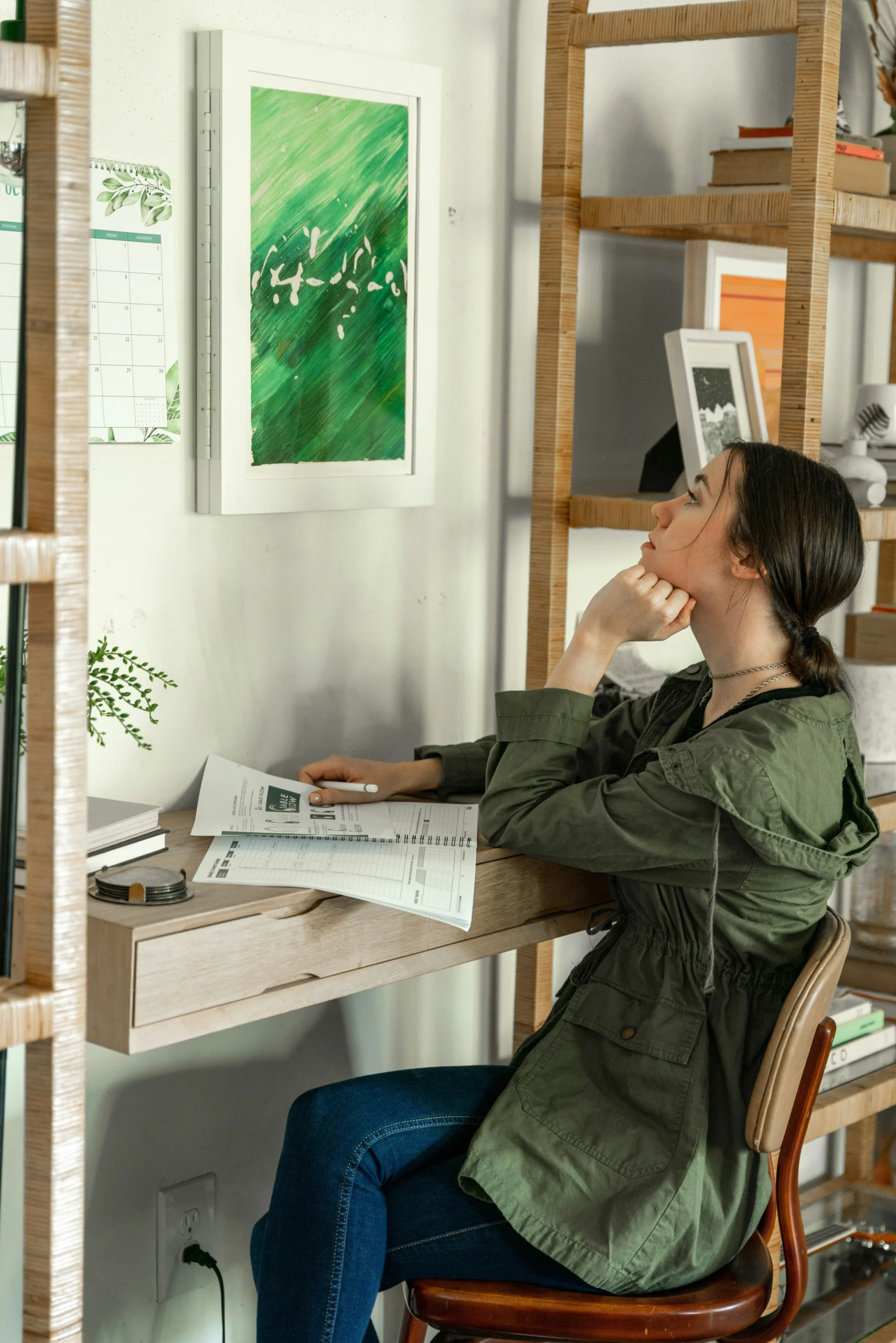
Human beings are visual creatures. We don’t just process information through our ears or keyboards. We soak up the energy of whatever is in our line of sight. When you place a piece of motivational canvas art in your direct field of vision, you are creating what psychologists call a visual anchor.
Think about those moments at 3:00 PM when your brain starts to fog over. You look up, away from the blue light of your monitor. If you see a blank wall, your mind continues to drift into a void. If you see a vibrant canvas depicting a mountain range with the word “Resilience,” your brain subconsciously resets. It’s a tiny, frictionless mental reminder to stay the course. This isn’t just about reading a quote. It is about the emotional response that specific colors and textures trigger in your limbic system.
2. Eliminating the Sterile Office Syndrome
There is a specific kind of fatigue that comes from working in a sterile environment. White walls and metal desks might look clean, but they offer zero emotional nutrition. Over time, a sterile workspace leads to a lack of business ownership and a drop in morale.
Canvas art solves this by adding depth and warmth. Unlike glass-framed photos that create a harsh glare from overhead lights, canvas has a soft, matte texture that absorbs light and makes a room feel lived-in. It bridges the gap between a place where you work and a place where you belong. When a space feels cared for, the person working in it feels more inclined to put care into their own tasks.
3. Subliminal Motivation Without the Cringe
Let’s be honest. Some motivational posters from the early 2000s were a bit much. The Success poster with the eagle was so overdone it became a meme. Modern canvas art has evolved. Today’s designs use minimalist typography, abstract shapes, and subtle color palettes that suggest motivation rather than screaming it.
The beauty of a canvas is its subtlety. It’s not a pop-up ad or a Slack notification. It’s just there. It offers a nudge toward a positive mindset. By seeing a daily reminder of your goals or values, you are essentially training your subconscious. You don’t have to consciously read the text every day for it to work. The mere presence of the art reinforces your identity as a focused, driven professional.

4. Boosting Cognitive Performance and Flow
Flow state, that magical zone where time disappears and your best work happens, is notoriously fragile. One distraction can shatter it. Interestingly, researchers have found that enriched environments, those with art and plants, can increase productivity by up to 17% compared to lean, bare offices.
Canvas art acts as a positive distraction. When your brain needs a 30-second break, gazing at an art piece allows for a micro-rest. This actually helps prevent decision fatigue. Instead of picking up your phone and getting lost in a 20-minute scroll, you look at your wall art. Your brain processes the visual, and you return to your task refreshed. It keeps you in the room, both physically and mentally.
5. Defining Your Professional Brand
Whether you realize it or not, your workspace is a reflection of your professional brand. If you’re a freelancer taking Zoom calls, what does your background say about you? A blank wall says I just moved in, or I don’t care about my environment.
A carefully selected piece of canvas art tells a story. It shows you have a vision. It might signal that you value innovation, grit, or calm. For businesses, displaying canvas art that aligns with the company mission helps build a cohesive culture. It’s a non-verbal way of telling employees and clients exactly what you stand for.
6. The Human Touch in a Digital World
We spend the vast majority of our lives staring at pixels. Everything is flat, digital, and ethereal. There is a primal need for physical texture in our lives. This is one of the biggest advantages of canvas art over digital frames or posters.
The weave of the fabric and the way the ink sits on the surface provide a tactile quality that digital media lacks. It makes the workspace feel more analog and human. In an age of AI and automation, surrounding ourselves with things that feel handcrafted or physically substantial helps ground us. It reminds us that work is a human endeavor, not just a series of data entries.
7. Managing Stress Through Color Theory
The colors you choose for your canvas art can have a measurable impact on your heart rate and cortisol levels. Blue and green tones are perfect for high-stress roles, as they induce a sense of calm and stability. Yellow and orange tones are great for creative departments where energy and out of the box thinking are required. Black and white pieces are ideal for minimalist workspaces that need to feel sophisticated and structured.
By choosing canvas art with intention, you aren’t just decorating. You’re bio-hacking your mood. You can literally use your walls to counteract the specific stresses of your job.
8. Encouraging Creativity and Divergent Thinking
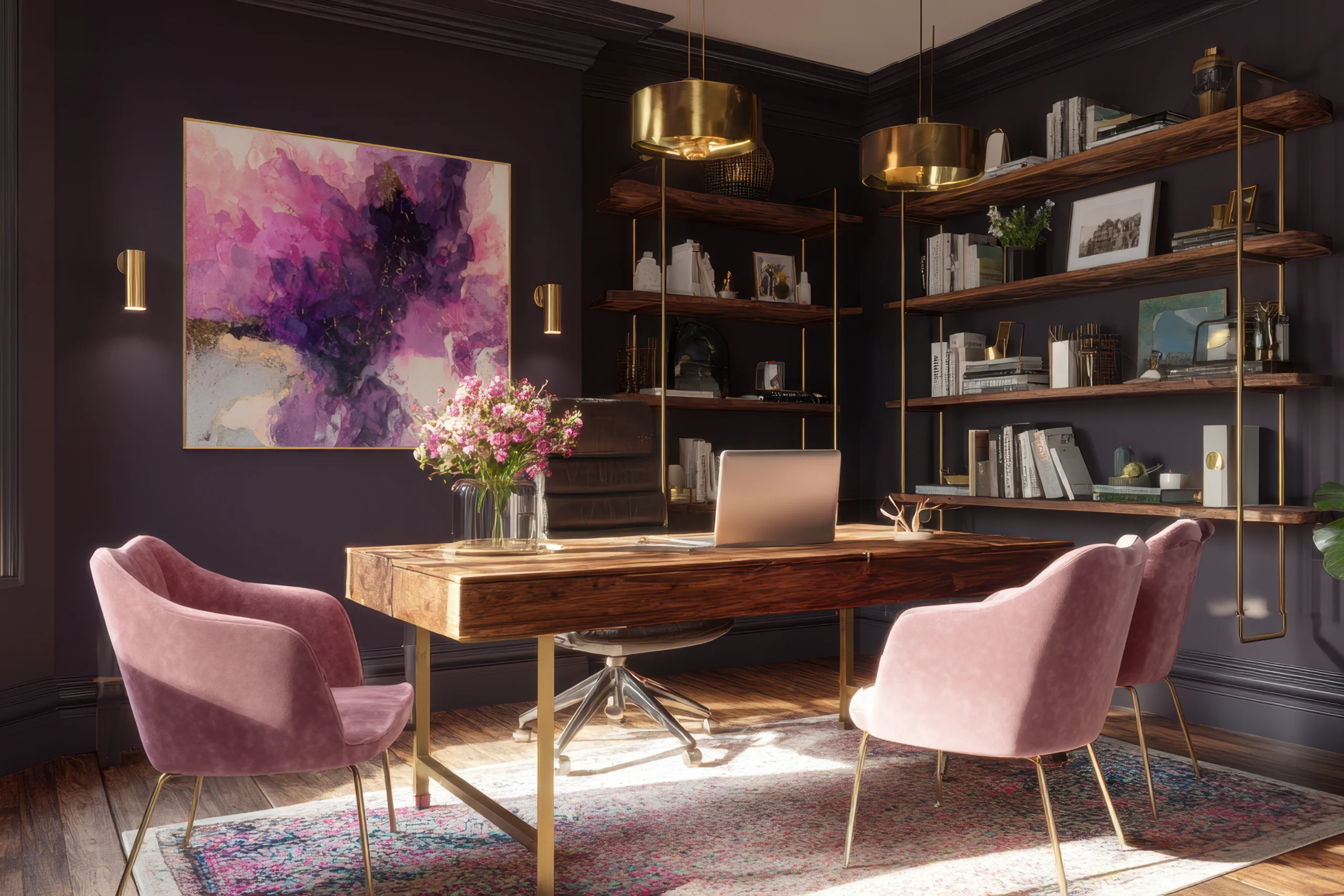
Creativity is the ability to see connections where others see chaos. Bare walls provide no hooks for the brain to grab onto. Abstract canvas art, however, is open to interpretation. It invites the mind to wander and wonder.
In brainstorming rooms, having art that isn’t literal can help teams think more broadly. It breaks the rigidity of standard office thinking. Sometimes, looking at a splash of color or a unique geometric pattern on a canvas can trigger a lightbulb moment for a project you’ve been stuck on for weeks.
9. Durability and Longevity
From a practical standpoint, canvas art is a smarter investment than paper prints. Paper yellows, curls at the edges, and requires expensive framing to look decent. Canvas is rugged. It’s resistant to fading, easy to clean with a simple dry cloth, and doesn’t shatter if it accidentally gets knocked off the wall during a busy day. It’s a buy it once solution that grows with your career.
10. Creating Emotional Resilience
We all have bad days. These are the days where a client leaves, a project fails, or the workload feels insurmountable. In these moments, your workspace needs to be a sanctuary.
Canvas art that resonates with your personal journey becomes an emotional anchor. You might look at a piece you bought when you first started your business and remember how far you’ve come. It’s a silent cheerleader that reminds you that you’ve survived 100% of your hardest days so far. That kind of emotional support is priceless when you’re working solo or under high pressure.
Final Thoughts
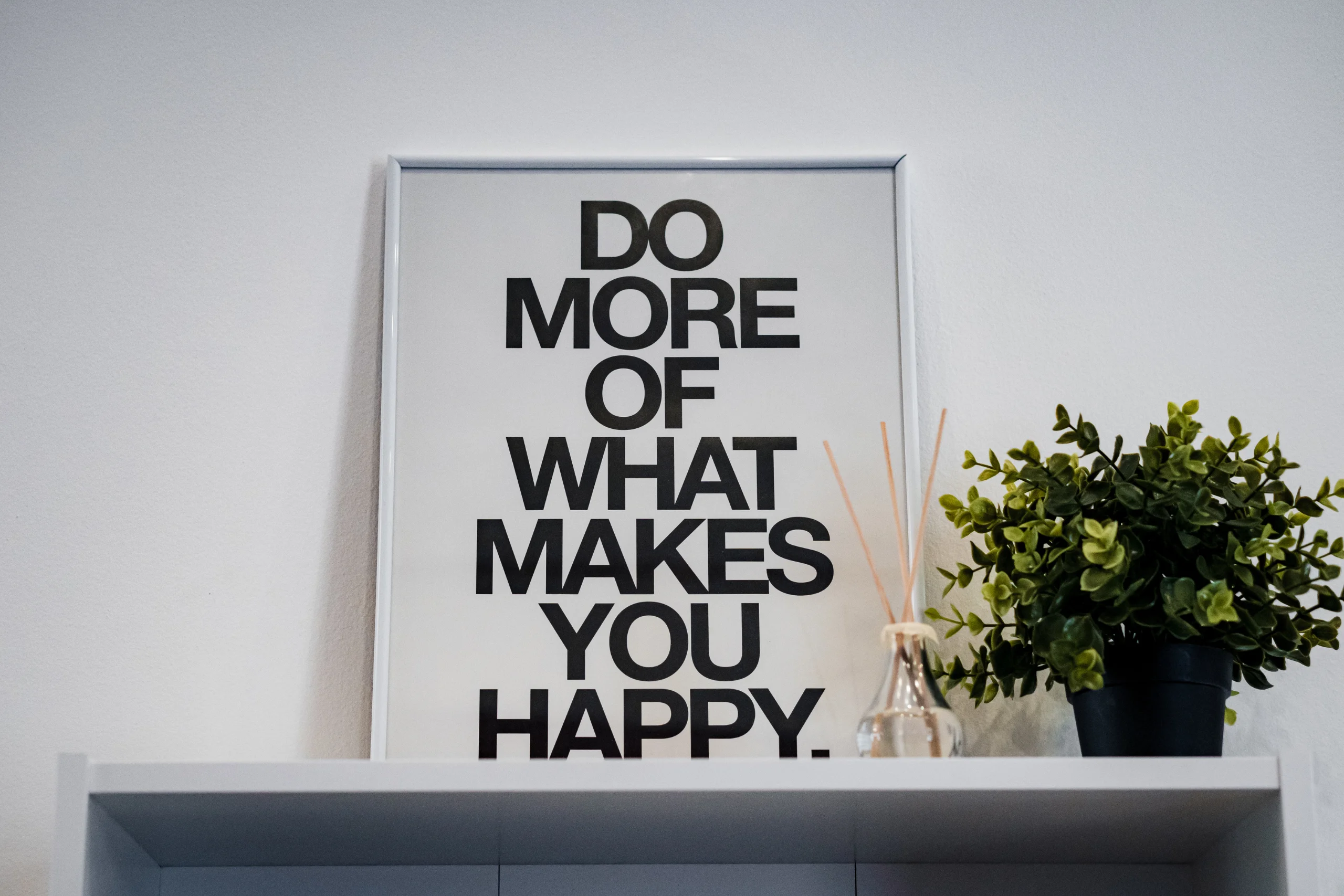
At the end of the day, your workspace is a mirror of your inner state. If your environment is neglected, your mindset often follows suit. Investing in canvas art is a small but powerful way to say that your work, and your well-being, matters. It turns a place of labor into a place of inspiration.
The next time you’re sitting at your desk, take a look around. If your walls aren’t saying anything to you, it might be time to let a piece of canvas art do the talking.
FAQs
Does motivational wall art really improve productivity at work?
Yes—motivational wall art can improve productivity by shaping the psychological environment in which work happens. Studies in environmental psychology consistently show that visually enriched workspaces help reduce mental fatigue, improve focus, and support sustained attention. Motivational canvas art works as a “visual cue,” gently reinforcing goals, values, or positive emotions throughout the workday. While art alone won’t replace discipline or systems, it reduces environmental friction—making it easier to stay engaged, enter flow states, and avoid burnout. For home-based entrepreneurs or remote workers, this effect is even stronger because the workspace directly influences mood and motivation without external structure.
What type of wall art is best for a home office or workspace?
The best wall art for a workspace balances inspiration with subtlety. Canvas art is particularly effective because it offers texture, warmth, and a non-reflective surface that reduces glare. For focused work, abstract designs or minimal typography with calming colors (blues, greens, neutrals) work well. For creative roles, bolder colors and expressive imagery can spark divergent thinking. The key is choosing art that aligns with how you want to feel while working—calm, energized, resilient, or focused—rather than selecting something purely decorative.
Where should motivational canvas art be placed for maximum impact?
Placement matters more than most people realize. Motivational canvas art works best when it sits within your natural line of sight—above your desk, behind your monitor, or on the wall you face during breaks. This ensures the art functions as a visual anchor rather than background noise. In shared offices, placing canvas art in common areas like meeting rooms or brainstorming spaces can reinforce team values and culture. Avoid cluttered walls; one strong focal piece is more effective than multiple competing visuals.
How do I choose the right size?
A common mistake is buying art that is too small for the wall, which makes it look like an afterthought. If you have a large, empty wall, go big. A large-scale canvas art piece acts as a hero element that anchors the entire room. If you’re in a smaller nook, a medium-sized piece at eye level works best.
Is canvas art better than posters or framed prints for offices?
Canvas art offers several practical and psychological advantages over posters or framed prints. Unlike paper posters, canvas doesn’t curl, yellow, or require glass framing. It absorbs light instead of reflecting it, reducing eye strain in brightly lit offices. Canvas also feels more permanent and intentional, which subtly reinforces a sense of ownership and professionalism. For small business owners or professionals building a long-term workspace, canvas art is a more durable, low-maintenance investment.
Can wall art reduce stress or burnout at work?
Yes—strategically chosen wall art can help reduce stress and support emotional resilience. Color theory shows that certain tones (like blues and greens) can lower heart rate and promote calm, while organic imagery helps counteract the cognitive overload of screen-based work. Motivational canvas art also acts as an emotional reminder during difficult moments—reinforcing progress, values, or purpose when motivation dips. Over time, this contributes to a workspace that feels supportive rather than draining.
Does motivational art help with remote work or small business productivity?
Absolutely. Remote work removes many external motivators found in traditional offices, making the physical environment more influential. Motivational canvas art helps establish boundaries between “home” and “work,” reinforces professional identity, and creates a sense of structure. For small business owners and freelancers, it also supports branding—especially during video calls—by visually communicating focus, intention, and professionalism.