A lot of people nowadays have the choice of working from home because of the pandemic. Working from home is easy and relaxing and you do not have to worry about the wear and tear that commuting causes on your car.
Owners now only have to worry about home maintenance and upkeep, like a replacement value in homeowners insurance, instead of a blown tire or a sputtering engine.
Though you do not have to worry so much about mechanical issues with your vehicle, working at home has its own set of problems. It can be difficult to find a balance between work and the comfort of home.
If you find it hard to focus while working from home or you end up working longer hours than you need to, you may need to distraction-proof your workspace. Here are some tips on how to do that.
Create a Separate Workspace
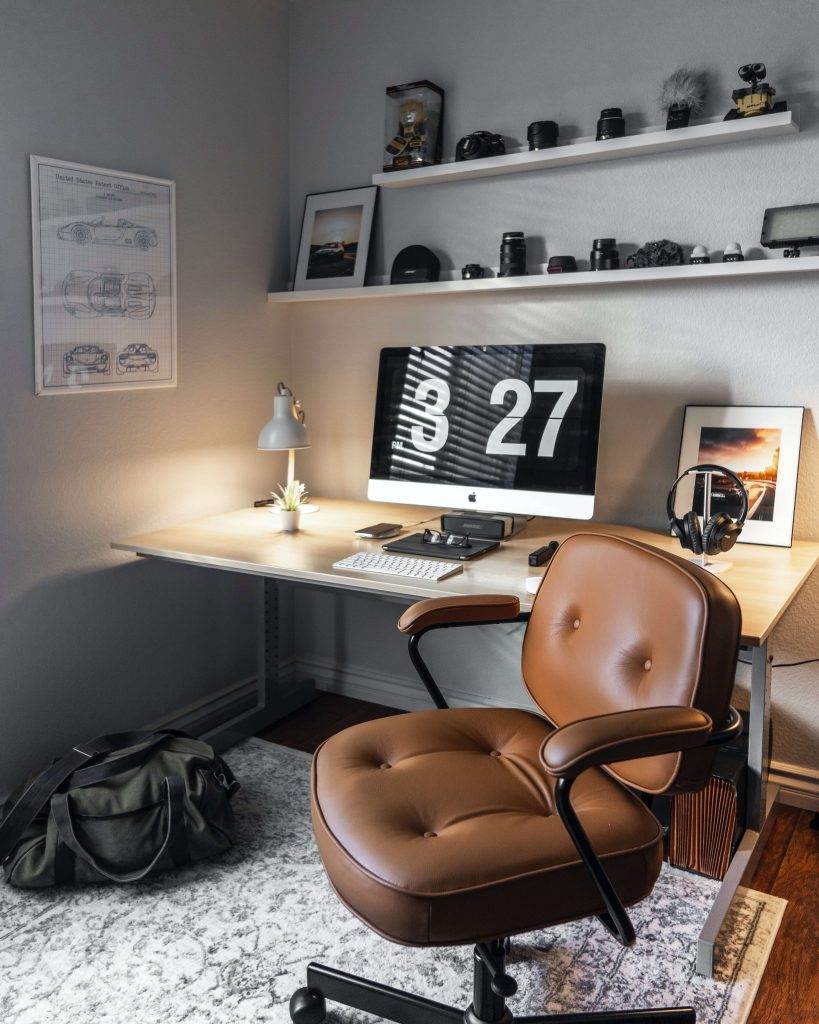
Ideally, you should keep your office and living quarters apart. Obviously, this is not feasible for everybody, especially people who live in a small home or apartment, but even designating a separate desk away from distractions inside your home can make a difference.
The advantages of separating your personal space from your office are enormous. Not separating your personal and professional lives can eventually make your home a stressless environment.
Instead of finding comfort and time to relax on your couch or in your bed, you may feel compelled to knock out work you didn’t complete during working hours because you haven’t set boundaries.
Creating a separate workspace from your personal life is one of many ways to set boundaries and create a distraction-free home office.
Your home office does not have to be in an isolated library, a computer lab, or even a separate space. The most critical aspect of creating a separate workspace is that it remains constant.
Set aside a specific room or area in your home for work only. This may be a tiny desk in the living room, a table in your bedroom, or a part of the kitchen counter set aside for this purpose only.
Find a location that works for you and devote it entirely to its use as a workspace. Adding a personal touch to your home office can help you commit to keeping this workspace separate and working in it regularly.
Set Regular Working Hours
Build a daily routine that you will commit to, no matter what time you want to work. Everyone is not fortunate enough to schedule their own working hours. Some jobs need rigid 9-to-5 accessibility, even while working from home, but if you have the flexibility to set and adhere to your own hours, do so.
The easiest way to achieve a successful work-life balance in your work-from-home life is by regularity and repetition. If you can’t make your own schedule, try your best to schedule other personal activities and duties at a time that is not your working hours.
Managing a daily routine often helps you to remove distractions by designating times when you will be unavailable. When you have a reliable routine, you can tell your colleagues, friends, and family when they can contact you and when you’ll be unavailable.
Have Do-Not-Disturb Turned On
Regardless of where you locate your workplace, minimize outside disruptions wherever possible. The easiest way to remove distractions is by turning off your phone, putting your devices on do not disturb, or locking your browser to work-related tasks only.
Using a plugin or extension that restricts functionality to your job activities and at certain times of the day allows you to block whole websites so you do not get distracted by non-work-related material.
This way, you can concentrate on your job rather than streaming through social media or watching videos on YouTube.
Aside from turning your devices off or putting them on do not disturb, soundproofing is another effective technique, particularly in large offices or rooms that take up whole rooms.
Curtains, window inserts, and acoustic panels are both simple and convenient ways to reduce outside noise so you can concentrate on your work. Try hiring a specialist if you need more thorough soundproofing.

Improve The Lighting and Color in Your Workspace
When you first moved into your home or apartment, you may have decided to paint your rooms a color that makes you feel relaxed at the end of a busy day. Colors like white, beige, gray, and green are soothing colors, but those colors may not be the right option for a workplace.
Painting the workplace blue boosts creativity and concentration. Both orange and yellow are excellent workplace colors because they can energize imagination, encourage productivity, and aid in innovation.
If you do not want to paint your home or have the time to do so, purchasing blue, orange, or yellow picture frames and other desk decors can serve the purpose just as well. You don’t want to do too many upgrades to your house, or you may increase your home insurance rates.
Beyond the color choice in your workspace, your lighting can make or break your work-from-home environment. Red-tinted lamps, for example, are beneficial for sleeping and relaxing, but they can be detrimental to success in a home office.
Blue-tinted bulbs or natural light will help you stay alert during the day. To maximize your attentiveness with natural light, place your desk near a window and leave the shades open while working.
If possible, install a skylight in areas where more light is needed, use one big overhead light, or add a smaller task light to your desk.

Go Outside Your Home
Take a stroll in your neighborhood, have lunch at a local park, go for a picnic, or just stand outside your home or apartment. Do something outside of your house as often as every day if possible.
Though we are living during a pandemic, it doesn’t mean you have to stay cooped in your home 24 hours a day. You can leave the house once in a while as long as you are practicing safe social distancing rules.
We need both direct and indirect sunshine to preserve physical and mental wellbeing and be productive without stress. The sun helps us develop vitamin D, melatonin, and serotonin, and it also makes us feel more conscious.
Getting outdoors and spending time in the sun is one of the best ways to avoid becoming distracted while in your home office.