Affiliate Disclosure: This article may include affiliate links. As an Amazon Associate, PowerHomeBiz may earn from qualifying purchases. This does not change the price you pay, but it may help support the site. Always compare features, reviews, safety information, and suitability before purchasing equipment for your cleaning business.
Starting a cleaning business does not require a huge investment, but the equipment you choose can affect your speed, professionalism, safety, and profitability. This checklist of cleaning business equipment explains what beginners should buy first, what can wait, and how to choose supplies that help you serve clients well from day one.
Key Takeaways
- A beginner cleaning business should start with dependable basics before investing in expensive specialty equipment.
- Your cleaning business equipment list should match your niche: residential cleaning, office cleaning, move-in/move-out cleaning, carpet cleaning, or janitorial contracts.
- Safety gear is not optional. Gloves, wet floor signs, proper chemical labeling, and product safety information help protect you, your workers, and your clients.
- Buying too much too soon can hurt cash flow. Start with the items needed for your first services, then reinvest profits into better tools.
Why Equipment Matters When Starting a Cleaning Business
A cleaning business is one of the most practical service businesses you can start because people and businesses consistently need clean, safe, and well-maintained spaces. Homes, offices, medical buildings, apartment turnovers, rental properties, gyms, schools, churches, and retail stores all need some form of cleaning support.
The U.S. cleaning and janitorial market remains large and active. According to IBISWorld, the U.S. janitorial services industry is projected to be a $112 billion market in 2026. The U.S. Bureau of Labor Statistics also reports that janitors and building cleaners continue to have hundreds of thousands of job openings each year, largely because buildings need ongoing maintenance and workers leave or change occupations.
For entrepreneurs, this means there is real demand. But demand alone does not make a cleaning business successful. Clients are not just buying “cleaning.” They are buying reliability, trust, consistency, safety, and professionalism.
That is why your equipment matters.
The right vacuum, mop system, microfiber cloths, gloves, bottles, caddies, and safety signs can help you work faster, protect surfaces, reduce mistakes, and look more professional in front of clients. The wrong equipment can slow you down, damage property, create safety risks, or make your business look unprepared.
This cleaning business equipment checklist is designed for beginners who want to start smart without overspending. It covers the essential supplies you should consider buying first, what to add later, and how to think about equipment as an investment in your service quality.
For more help on launching the business itself, also see PowerHomeBiz’s guide on Starting a Janitorial Business or Cleaning Service and its article on How to Market and Run a Janitorial Business or Cleaning Service.
Table of Contents
Before You Buy: Decide What Type of Cleaning Business You Are Starting
Before filling your cart with supplies, decide what services you plan to offer first. A residential cleaner, an office janitorial provider, and a carpet cleaning company may need overlapping tools, but they should not buy the exact same equipment on day one.
A beginner residential cleaning business may need reliable basics: microfiber cloths, a vacuum, a mop system, a cleaning caddy, gloves, bathroom brushes, dusters, spray bottles, and general-purpose cleaners.
A small office cleaning business may need many of the same supplies, but it may also require trash liners, restroom supplies, wet floor signs, larger mop buckets, commercial vacuum cleaners, and better systems for organizing supplies across multiple client locations.
A move-in/move-out cleaning business may need heavier-duty tools, including scrapers, degreasers, extension dusters, grout brushes, and supplies for neglected kitchens, bathrooms, cabinets, appliances, and baseboards.
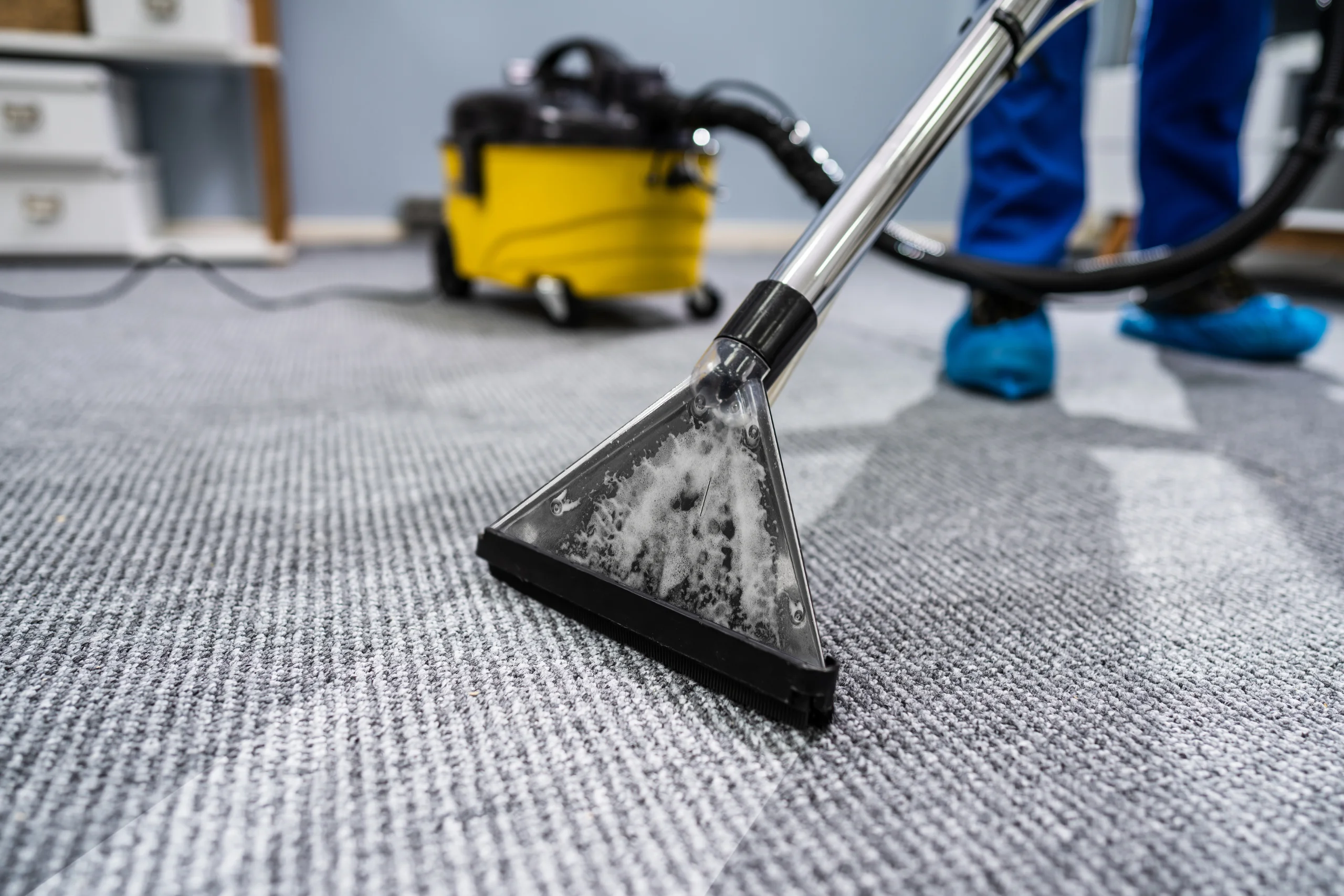
A carpet cleaning business requires more specialized equipment, such as carpet extractors, spot removers, carpet brushes, air movers, and protective shoe covers.
A post-construction cleaning business may require shop vacs, dust-control tools, protective eyewear, heavy-duty gloves, respirators or masks suitable for the task, and more careful attention to debris and surface protection.
The mistake many beginners make is buying equipment for every possible service before they have clients. A smarter approach is to choose your starting niche, build a focused equipment kit, and expand only when customer demand justifies it.
The U.S. Small Business Administration recommends carefully considering which assets and equipment your business truly needs, how you will pay for them, and whether buying is the best option. That advice is especially important for a new cleaning business because cash flow matters in the early months.
1. Vacuum Cleaners
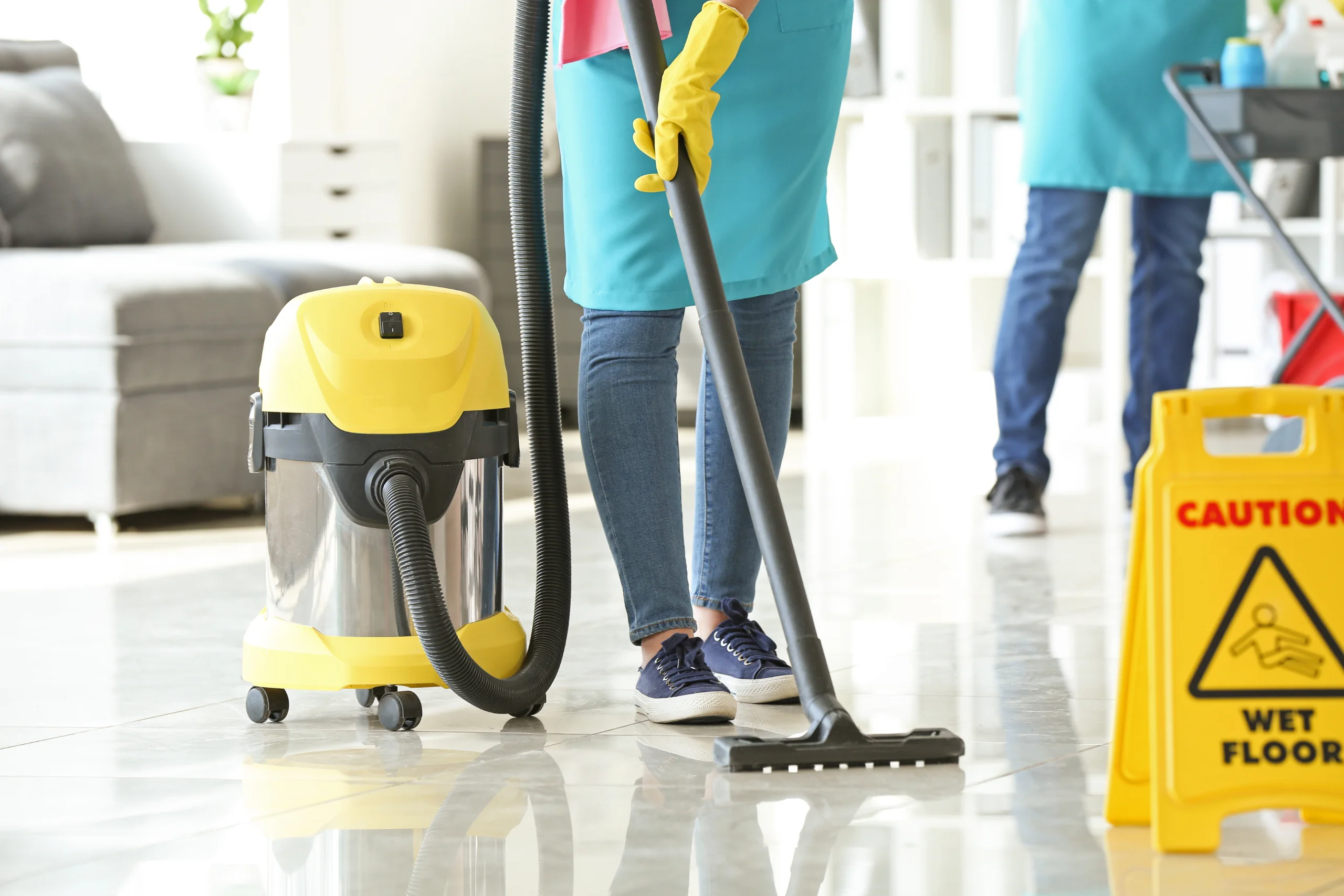
A good vacuum cleaner is one of the most important purchases for a cleaning business. It affects cleaning quality, speed, noise level, durability, and client satisfaction.
For residential cleaning, many beginners start with an upright vacuum or a canister vacuum that works well on both carpet and hard floors. For commercial spaces, a commercial upright vacuum or backpack vacuum may be more efficient, especially when cleaning offices, hallways, churches, or larger spaces.
When choosing a vacuum, look for strong suction, durable construction, easy-to-replace filters, attachments for corners and upholstery, and a design that is comfortable to use for long periods. A HEPA filter may be worth considering, especially for clients concerned about dust, allergens, or indoor air quality.
Items to consider getting:
- Upright vacuum cleaner
- Canister vacuum cleaner
- Commercial vacuum cleaner
- Backpack vacuum
- Cordless stick vacuum
- HEPA filter vacuum
- Vacuum bags or replacement filters
- Crevice tool and upholstery attachments
Beginner tip: Do not buy the cheapest vacuum just because you are starting small. A weak vacuum can make jobs take longer and may need to be replaced quickly. At the same time, do not overspend on industrial equipment until you know what types of clients you will serve.
2. Mop Systems
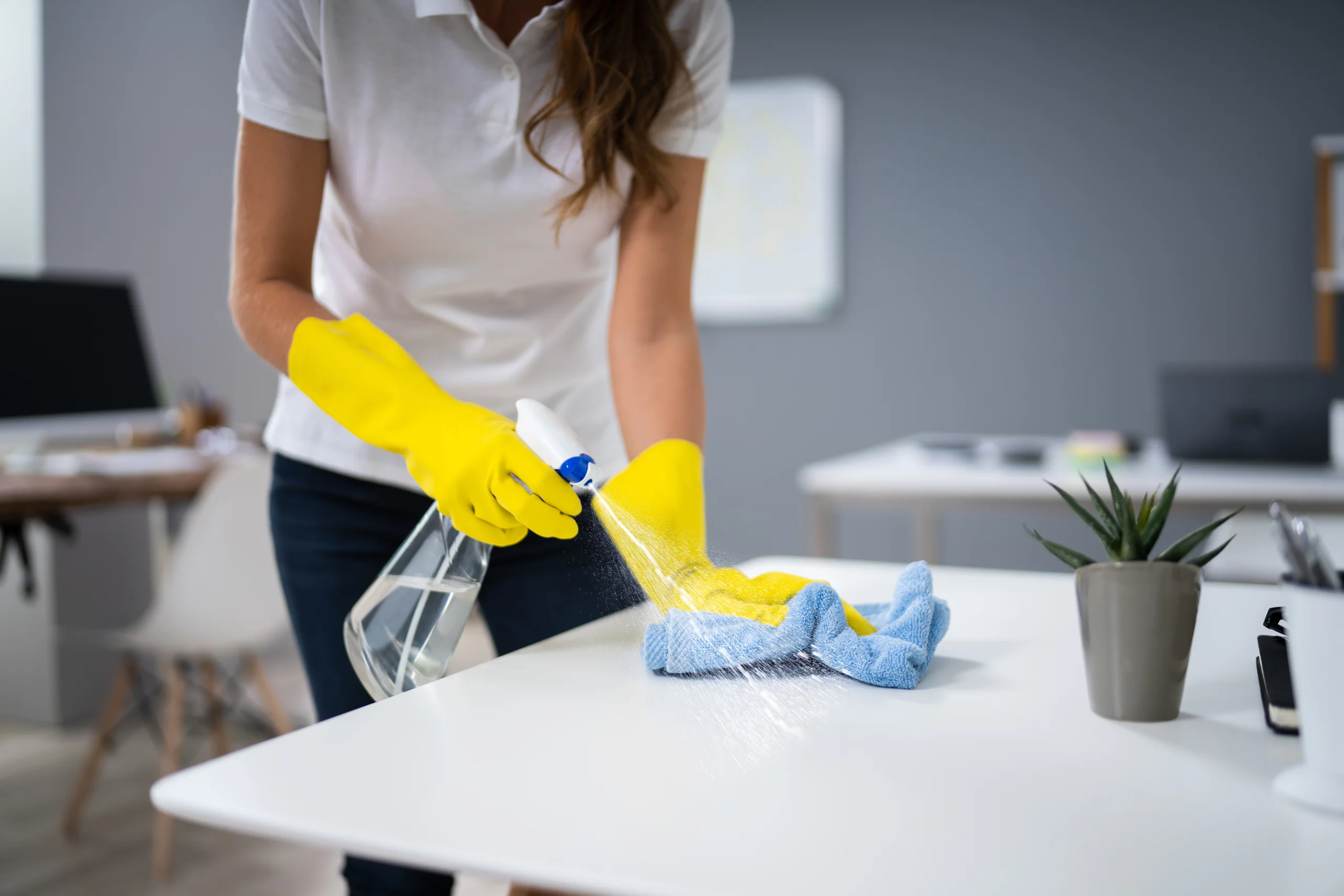
Mopping is not just about making floors look clean. The right mop system helps prevent streaks, cross-contamination, excess moisture, and unnecessary physical strain.
For small residential jobs, a microfiber flat mop may be enough. For offices, retail spaces, and larger areas, you may need a mop bucket with a wringer, a commercial mop handle, and replacement mop heads. For higher-volume work, consider separating bathroom mop heads from kitchen or general floor mop heads to avoid cross-use.
Microfiber mop pads are popular because they are reusable, absorbent, and effective at removing dust and dirt. However, traditional string mops may still be useful for larger spills, utility areas, and commercial spaces.
Items to consider getting:
- Microfiber flat mop
- Commercial mop bucket with wringer
- Wet mop handle
- Replacement mop heads
- Microfiber mop pads
- Dust mop
- Spray mop
- Floor squeegee
- Separate mop heads for bathrooms and kitchens
Beginner tip: Label mop heads or use color-coded systems so you do not use bathroom tools in kitchens or general living areas. This small detail can help you run a more professional operation.
3. Cleaning Caddies and Supply Carriers
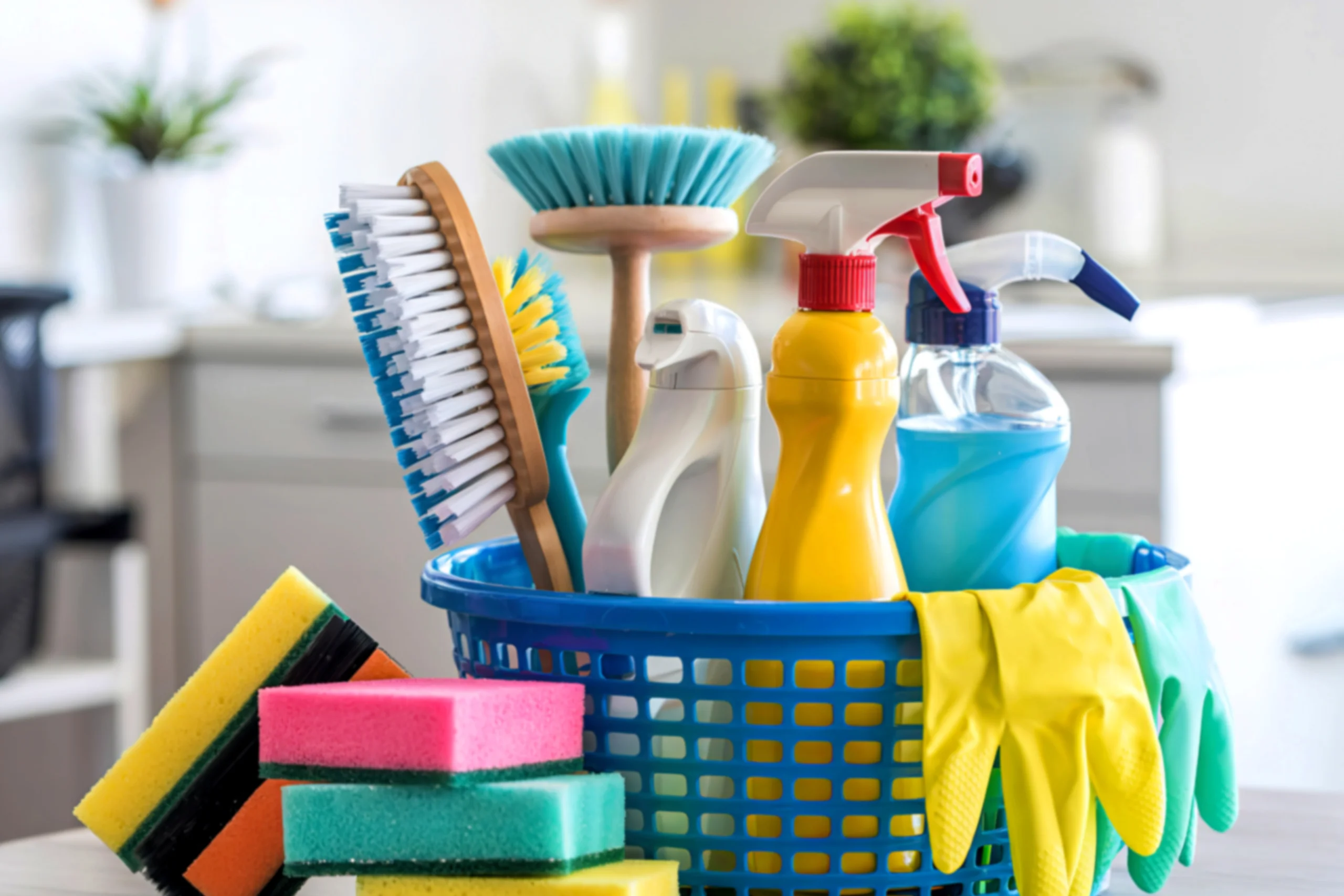
A cleaning caddy keeps your essential supplies organized and portable. This may sound basic, but it can make a big difference in how efficiently you work.
Without a caddy, you waste time walking back and forth to your car, supply closet, or storage area. With a caddy, you can carry sprays, cloths, brushes, gloves, and small tools from room to room.
For residential cleaning, a handheld caddy may be enough. For larger office or janitorial jobs, a rolling cart may be more practical. If you clean multiple floors or buildings, consider lightweight bags or backpacks designed for cleaning supplies.
Items to consider getting:
- Plastic cleaning caddy
- Divided cleaning tote
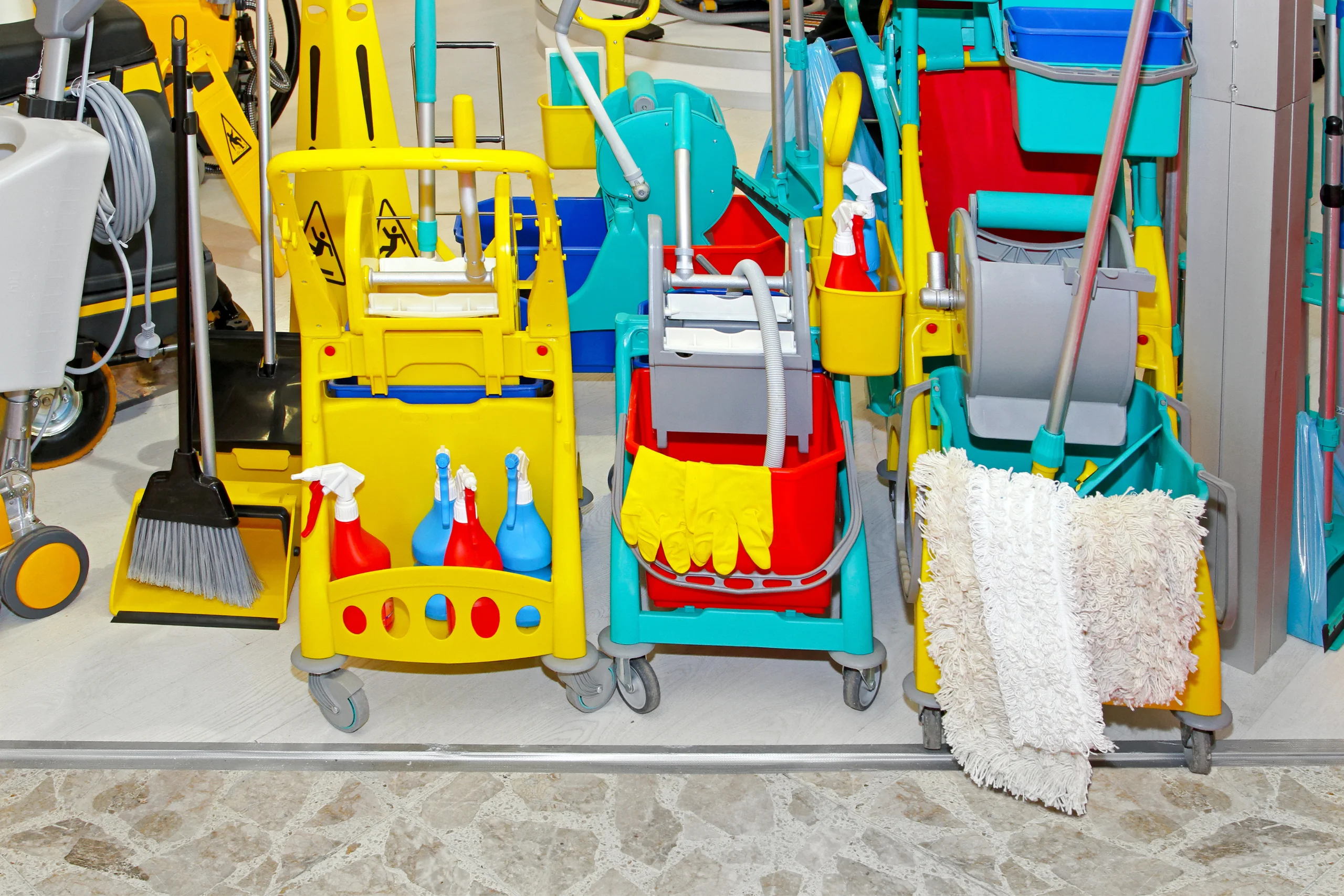
- Rolling janitorial cart
- Supply backpack or organizer bag
- Bucket organizer
- Bottle holders
- Small tool pouch
Beginner tip: Keep one “daily essentials” caddy stocked and ready. It should include your most-used sprays, microfiber cloths, gloves, small brushes, trash bags, and labels. This reduces prep time before each job.
4. Microfiber Cloths and Towels
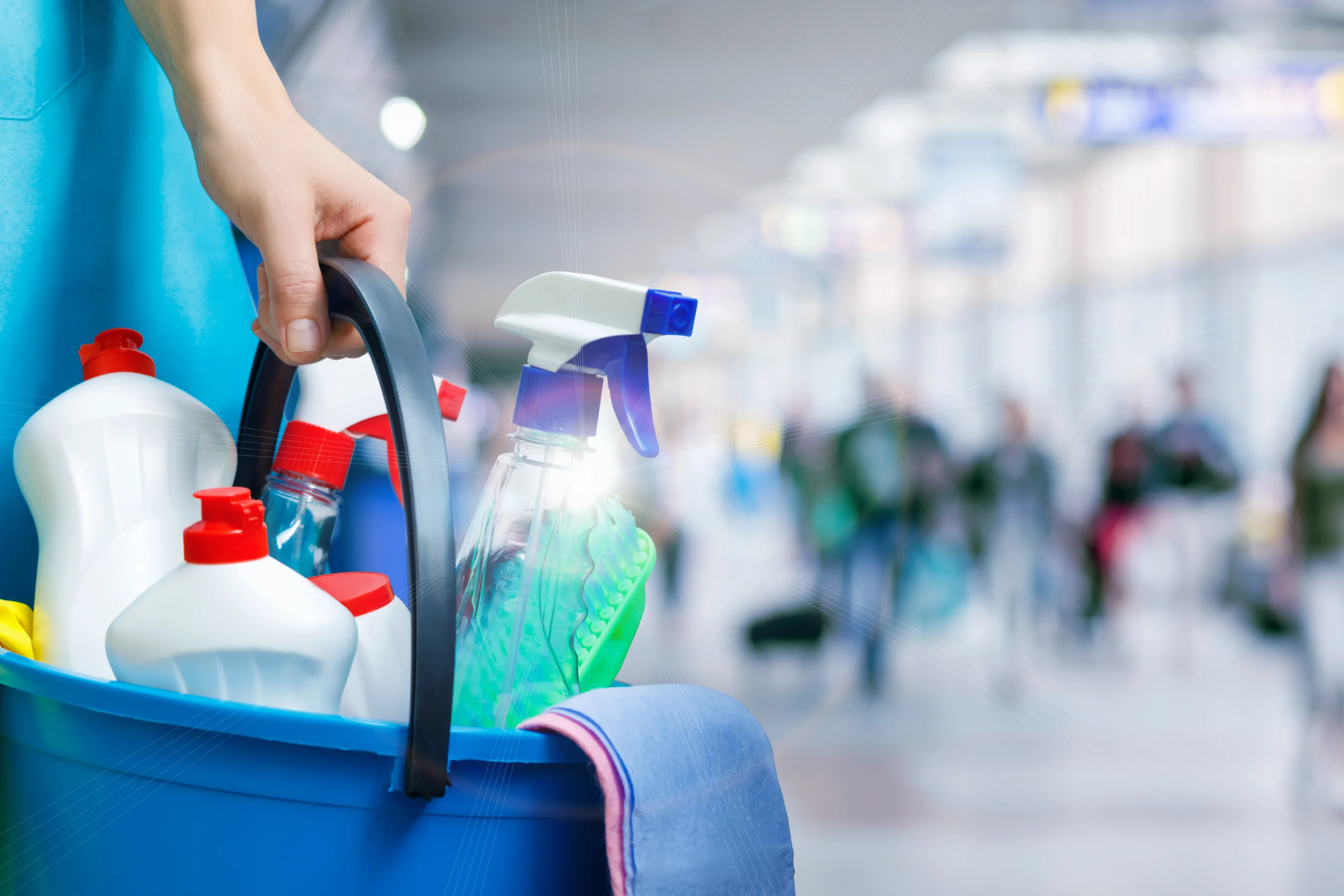
Microfiber cloths are a must-have for almost every cleaning business. They are useful for dusting, polishing, wiping counters, cleaning glass, drying fixtures, and removing fingerprints.
Buy more microfiber cloths than you think you need. Running out of clean cloths during a job can lead to poor results or cross-contamination. It is also smart to color-code cloths by use: one color for bathrooms, one for kitchens, one for glass, and one for general dusting.
Items to consider getting:
- General-purpose microfiber cloths
- Glass cleaning cloths
- Polishing cloths
- Heavy-duty microfiber towels
- Color-coded microfiber cloth sets
- Microfiber dusting mitts
- Laundry bags for dirty cloths
Beginner tip: Create a laundry system from the beginning. Dirty cloths should be separated from clean ones and washed properly after use. Never let damp cloths sit in a sealed bag for too long, as they can develop odors and bacteria.
5. Spray Bottles and Labels
Spray bottles are inexpensive but essential for organizing cleaning solutions. Use durable bottles that can handle repeated use, and label every bottle clearly.
Never assume you will remember what is inside a bottle. Unlabeled bottles can create safety risks, especially if employees join your business later. OSHA’s resources on the cleaning industry emphasize that cleaning workers may be exposed to hazardous chemicals, equipment-related dangers, and other workplace risks. Proper labeling, training, and safe handling practices should be part of your business from the start.
Items to consider getting:
- Refillable spray bottles
- Heavy-duty chemical-resistant spray bottles
- Bottle labels
- Waterproof label maker
- Permanent markers
- Measuring cups or dilution tools
- Funnel for refilling bottles
Beginner tip: Keep Safety Data Sheets (SDS) for the chemicals you use on hand. OSHA and NIOSH’s guide on protecting workers who use cleaning chemicals explains why employers should understand the health and safety hazards of the products they purchase.
6. Gloves and Personal Protective Equipment
Gloves are one of the simplest ways to protect yourself and your workers from cleaning chemicals, germs, grime, and skin irritation. Different tasks may require different gloves. Disposable nitrile gloves may be useful for bathrooms and high-contact surfaces, while reusable rubber gloves may work better for heavier cleaning.
Depending on the jobs you accept, you may also need safety glasses, masks, shoe covers, aprons, or knee pads. For example, cleaning ovens, handling harsh products, scrubbing tile grout, or working in dusty spaces may require more protection than routine dusting.
Items to consider getting:
- Disposable nitrile gloves
- Reusable rubber cleaning gloves
- Heavy-duty gloves
- Safety glasses or goggles
- Disposable masks
- Cleaning Aprons
- Knee pads
- Shoe covers
- First-aid kit
Beginner tip: Do not mix cleaning chemicals casually. OSHA warns that mixing products such as bleach and ammonia can release dangerous gases. Use products only as directed and train anyone working with you to follow label instructions.

7. Cleaning Chemicals and Safer Product Choices
Cleaning products are one of the most important choices you will make because they affect cleaning performance, safety, client satisfaction, and your brand positioning.
Some clients may want traditional cleaning products. Others may prefer fragrance-free, low-odor, or environmentally preferable products. If you market your business as eco-friendly or family-friendly, choose products that support that claim.
The EPA Safer Choice program helps consumers, businesses, and purchasers find products that perform and contain ingredients that are safer for human health and the environment. The EPA also provides a search tool for Safer Choice-certified products, which can be helpful when deciding what to buy.
You may need:
- All-purpose cleaner
- Glass cleaner
- Bathroom cleaner
- Toilet bowl cleaner
- Degreaser
- Floor cleaner
- Disinfectant, when appropriate
- Stainless steel cleaner
- Wood-safe cleaner
- Odor remover
- Carpet spot remover
Beginner tip: Cleaning and disinfecting are not always the same thing. The CDC’s cleaning and disinfecting guidance explains that cleaning with soap and water removes most germs in many situations, while disinfecting may be needed in certain circumstances, such as when someone is sick or a surface requires sanitizing or disinfecting. This matters because overusing disinfectants can increase chemical exposure and may not always be necessary.
8. Brushes, Scrubbers, and Detail Tools
Small detail tools can make your cleaning work look more professional. Clients notice corners, faucets, grout lines, baseboards, window tracks, vents, and the area behind toilets. These are the spots where basic wiping is not enough.
A good beginner kit should include brushes in different sizes and stiffness levels. Use soft brushes for delicate surfaces and stiffer brushes for grout, tile, and heavy buildup.
Items to consider getting:
- Grout brush
- Detail cleaning brushes
- Toilet brushes
- Scrub pads
- Non-scratch sponges
- Scrub brush with handle
- Baseboard cleaning tool
- Toothbrush-style detail brushes
- Window track cleaning brushes
- Pumice stone, only for appropriate surfaces
Beginner tip: Always test abrasive tools in an inconspicuous area first. A tool that works well on one surface can scratch another. Damage claims can quickly cost more than the job was worth.
9. Dusters and Extension Tools
Dusting is a basic cleaning task, but it is easy to do poorly. Cheap feather dusters often move dust around instead of capturing it. Microfiber dusters, bendable dusters, and extension poles can help you clean ceiling fans, vents, blinds, shelves, baseboards, and high corners more effectively.
Items to consider getting:
- Microfiber duster
- Extendable duster
- Bendable ceiling fan duster
- Blind cleaning tool
- Dusting mitts
- High-reach extension pole
- Cobweb brush
Beginner tip: High dusting should usually happen before vacuuming or mopping. Work from top to bottom so dust and debris fall before you finish the floors.
10. Trash Bags and Waste Handling Supplies
Trash removal is common in office, residential, move-out, and rental turnover cleaning, as well as in janitorial contracts. Do not assume clients will always provide bags or liners.
Keep multiple trash bag sizes available, especially if you work with offices or commercial clients. Small bathroom liners, kitchen bags, and heavy-duty contractor bags may all be useful.
Items to consider getting:
- Small trash can liners
- Kitchen trash bags
- Heavy-duty contractor bags
- Recycling bags
- Disposable gloves
- Grabber tool
- Dustpan and broom
- Utility bucket
Beginner tip: Ask clients in advance whether trash removal is included, where trash should be placed, and whether recycling must be separated. These details should be included in your cleaning checklist or service agreement.
11. Brooms, Dustpans, and Floor Tools
Even if you own a vacuum, you still need basic floor tools. Brooms, dustpans, and floor squeegees are useful for quick cleanups in garages, entryways, utility rooms, patios, and spaces where vacuuming may not be ideal.
Items to consider getting:
- Angle broom
- Push broom
- Hand broom
- Dustpan
- Lobby dustpan with handle
- Floor squeegee
- Rubber broom for pet hair
- Floor scraper
Beginner tip: Use separate floor tools for indoor and outdoor jobs. A broom used in a garage or exterior entry should not be used in a client’s kitchen.
12. Safety Signs and Client Protection Supplies
Wet floor signs may seem more important for commercial cleaning than residential cleaning, but they are useful for any job where someone could slip. If you clean offices, retail stores, churches, apartment buildings, gyms, or medical offices, safety signs are essential.
You should also consider supplies that help protect client property, such as shoe covers, corner guards, and clean drop cloths for certain jobs.
Items to consider getting:
- Wet floor signs
- Caution signs
- Shoe covers
- Corner protectors
- Drop cloths
- Door stoppers
- Flashlight or headlamp
- Extension cord, if needed and safe for the task
Beginner tip: Safety is part of professionalism. A client may not comment on a wet floor sign, but they will notice if your work creates a hazard. Good safety habits also help protect your business from avoidable accidents.
13. Carpet Cleaning Tools
You do not need professional carpet cleaning equipment on day one unless carpet cleaning is one of your core services. However, even basic residential and office cleaners may need tools for small carpet spots, rugs, and entry mats.
If you plan to offer carpet cleaning as an add-on, start small and learn proper techniques before investing in larger machines. Carpet cleaning mistakes can damage flooring, cause over-wetting, or leave residue.
Items to consider getting:
- Carpet spot cleaner
- Carpet brush
- Portable carpet cleaner
- Carpet extractor
- Upholstery cleaning attachment
- Carpet rake
- Air mover
- Defoamer
- Carpet-safe stain remover
Beginner tip: Make sure your insurance covers the services you offer. Carpet, upholstery, and floor-care services can create different risks than routine cleaning.
14. Uniforms and Professional Appearance
Uniforms are not required, but they can make a small cleaning business look more credible. Even a simple branded polo shirt, apron, or T-shirt can help clients feel more comfortable when you or your workers enter their home or workplace.
Professional appearance also includes clean shoes, neat hair, visible identification if needed, and a consistent look.
Items to consider getting:
- Branded T-shirts
- Polo shirts
- Aprons
- Work pants
- Non-slip shoes
- Name badges
- Disposable shoe covers
- Branded hats or jackets
Beginner tip: Start simple. You do not need expensive uniforms at the beginning. A clean, consistent outfit with your business name can be enough.
15. Storage Bins and Vehicle Organization
Cleaning businesses can become disorganized quickly. Supplies spill, bottles leak, cloths get mixed up, and tools disappear. Good storage helps you protect your investment and save time before each job.
If you work from home, create a dedicated storage area for supplies. If you work from your vehicle, use bins, crates, or trunk organizers to separate clean items from used items.
Items to consider getting:
- Storage bins with lids
- Stackable crates
- Trunk organizer
- Utility tote
- Shelving unit
- Dirty towel bin
- Clean cloth container
- Chemical storage bin
- Inventory labels
Beginner tip: Keep a simple inventory checklist. Running out of toilet bowl cleaner, gloves, trash bags, or microfiber cloths can disrupt a job and make your business look unprepared.
16. Portable Organizers for Multi-Client Routes
Once you clean more than one property in a day, portable organization becomes more important. A beginner may only need one cleaning caddy, but a growing business may need separate kits for different job types.
For example, you may create:
- A bathroom cleaning kit
- A kitchen cleaning kit
- A dusting kit
- A floor-care kit
- A move-out cleaning kit
- A carpet spot-cleaning kit
- A commercial restroom kit
This setup makes it easier to train employees later because each kit has a clear purpose.
Items to consider getting:
- Rolling supply cart
- Stackable supply boxes
- Tool bag
- Labeled cleaning kits
- Portable shelves
- Collapsible crates
- Lockable storage box
Beginner tip: Build systems before you hire. A disorganized solo cleaner becomes an even more disorganized employer once workers are added.
17. Business and Administrative Supplies
A cleaning business is still a business. You will need more than mops and sprays. You also need tools to manage estimates, invoices, client notes, schedules, receipts, and checklists.
Administrative tools help you look professional and avoid confusion. For example, a client should know exactly what is included in a standard cleaning versus a deep cleaning. You should also keep records of payments, expenses, mileage, supplies, and client preferences.
Items to consider getting:
- Clipboard
- Printed cleaning checklists
- Estimate forms
- Invoice templates
- Business cards
- Receipt organizer
- Mileage log
- Label maker
- Tablet holder or smartphone holder
- Scheduling app or calendar system
Beginner tip: Create a standard cleaning checklist before you take your first paid job. This helps manage expectations and makes it easier to price jobs correctly. PowerHomeBiz’s article on How to Successfully Start and Run a Service Business is also useful because cleaning is a service business built on trust, consistency, contracts, and customer satisfaction.
What Cleaning Equipment Should Beginners Buy First?
If you are starting on a limited budget, focus on the essentials needed to complete your first jobs professionally. You can always upgrade later.
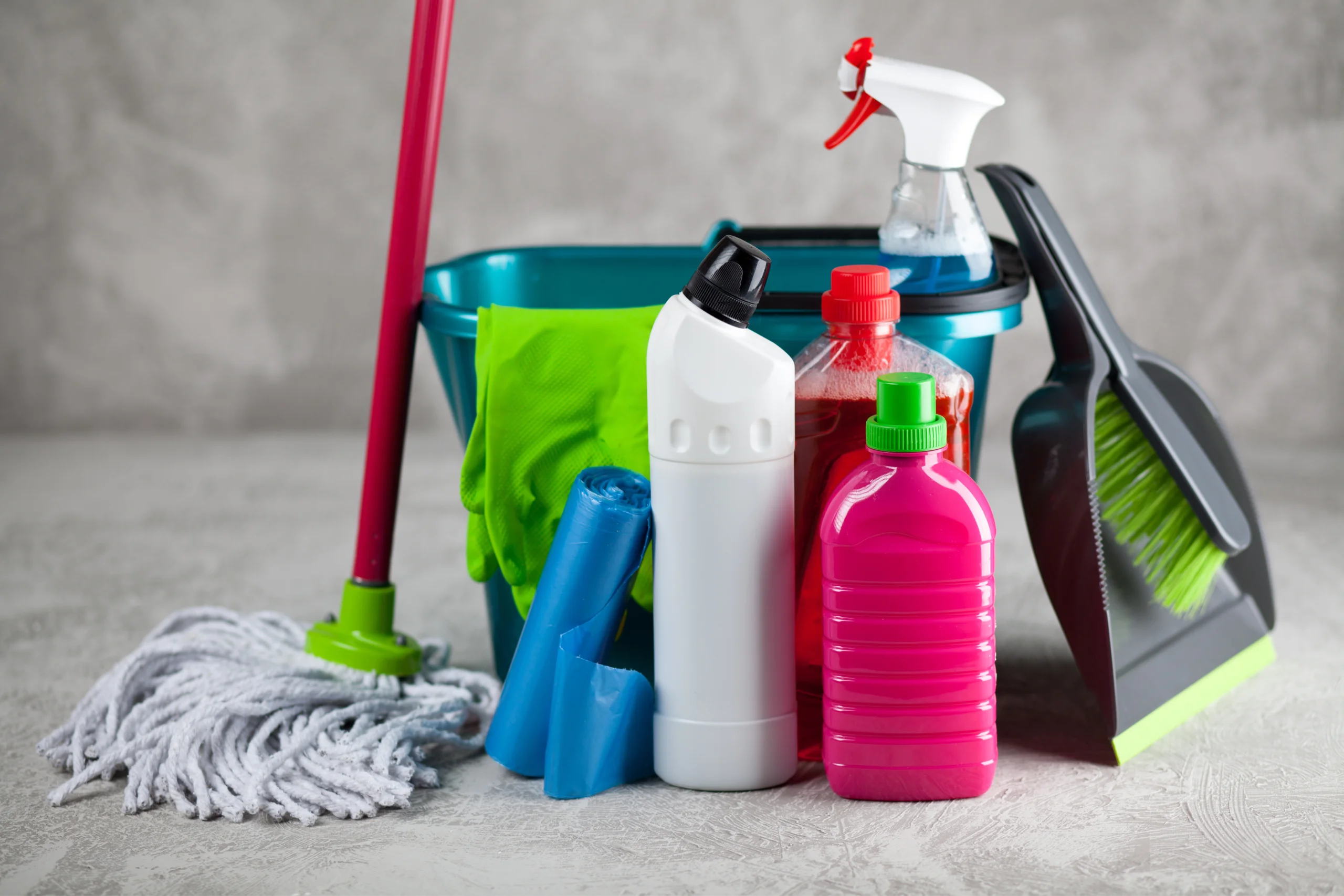
A practical beginner cleaning kit may include:
- Vacuum cleaner
- Microfiber mop
- Mop bucket or spray mop
- Cleaning caddy
- Microfiber cloths
- Spray bottles
- All-purpose cleaner
- Bathroom cleaner
- Glass cleaner
- Toilet bowl cleaner
- Disposable and reusable gloves
- Toilet brush
- Detail brushes
- Sponges and scrub pads
- Duster
- Trash bags
- Broom and dustpan
- Wet floor sign
- Storage bin
- Basic uniform or branded shirt
This starter list is enough for many basic residential cleaning jobs and small office accounts. As your business grows, you can add commercial vacuums, rolling carts, carpet tools, specialty floor equipment, and employee kits.
What Equipment Can Wait?
New business owners often spend money too quickly because buying equipment feels like progress. But progress comes from getting clients, doing excellent work, and managing cash wisely.
Equipment that can often wait includes:
- Large carpet extractors
- Floor buffers
- Auto scrubbers
- Pressure washers
- Expensive commercial carts
- Large chemical inventory
- Multiple vacuum cleaners
- Full uniform sets
- Specialty steam cleaners
- Large storage systems
These tools may be valuable later, but they should match real customer demand. For example, do not buy a carpet extractor unless you plan to market carpet cleaning or already have clients asking for it.
How to Choose Cleaning Equipment Without Overspending
The best equipment for a beginner is not always the most expensive. It is the equipment that helps you deliver reliable results, protect client property, and work efficiently.
Use these buying rules:
Buy for your first services, not your future fantasy business
If you are starting with residential cleaning, buy residential cleaning tools. If you later move into offices, buy commercial supplies then.
Choose durable basics
A sturdy caddy, reliable vacuum, quality microfiber cloths, and strong gloves can make your work easier every day.
Avoid buying too many chemicals
Start with a small number of versatile products. Too many bottles create clutter, confusion, and safety concerns.
Read labels and safety instructions
Do not use cleaning products on surfaces they are not designed for. This is especially important for stone countertops, wood floors, stainless steel, glass, grout, and delicate finishes.
Reinvest profits into better equipment
Instead of buying everything at once, upgrade your kit as your client base grows.
Cleaning Business Equipment Mistakes to Avoid
Buying cleaning equipment may seem straightforward, but beginners often make costly mistakes that affect their profits, efficiency, and reputation. The wrong tools can slow you down, damage client property, create safety issues, or make your business look less professional. When you are just starting out, every dollar matters, so it is important to buy equipment that fits your services, budget, and client expectations. Avoiding these common mistakes can help you start lean, work smarter, and build a cleaning business that looks organized and reliable from the first job.
Mistake 1: Buying cheap tools that break quickly
Low-cost tools may be fine for light personal use, but cleaning businesses use supplies repeatedly. A mop handle, vacuum, or spray bottle that fails during a job can cost you time and credibility.
Mistake 2: Using the same cloths everywhere
Using the same cloth in the bathroom and kitchen is unprofessional and unsanitary. Use a color-coded system from the beginning.
Mistake 3: Ignoring chemical safety
Cleaning products can cause skin irritation, breathing problems, burns, or other health issues if used improperly. OSHA and NIOSH caution that some cleaning chemicals can be hazardous and that workers should understand the risks of the products they use.
Mistake 4: Not having backup supplies
Always keep extra gloves, cloths, trash bags, and bottle sprayers available. Small supply failures can make a simple job stressful.
Mistake 5: Buying specialty equipment too soon
A beginner does not need every tool on the market. Start with the essentials, then expand based on demand.
Mistake 6: Forgetting the client experience
Your supplies should look clean and organized. Showing up with dirty bottles, stained cloths, and messy bins can make clients question your professionalism.
How to Turn Your Equipment List Into a Marketing Advantage
Your equipment can become part of your marketing message. Clients want to know that you are prepared, organized, and careful with their property.
You can highlight:
- Use of microfiber cleaning systems
- Color-coded cloths to reduce cross-use
- Safer product options when requested
- HEPA-filter vacuum options
- Organized cleaning checklists
- Properly labeled bottles
- Wet floor signs for safety
- Professional uniforms
- Supplies brought by your team
For example, instead of saying “We clean homes,” you can say:
“Our team uses organized cleaning checklists, color-coded microfiber cloths, properly labeled supplies, and professional-grade tools to clean your home carefully and consistently.”
That sounds more professional and gives clients a reason to trust you.
Final Thoughts: Start Lean, Stay Organized, and Upgrade as You Grow
Starting a cleaning business does not require a warehouse full of equipment. It requires the right tools, a professional system, and a commitment to doing the job well.
Begin with the supplies you need for your first services. Choose reliable equipment. Keep everything clean, labeled, and organized. Pay attention to safety. Learn what your clients value. Then reinvest your profits into better tools as your business grows.
The goal is not to own every cleaning product available. The goal is to build a cleaning business that works efficiently, protects clients’ property, keeps workers safe, and delivers consistent results people are willing to pay for again and again.
For additional help, explore PowerHomeBiz’s Cleaning and Janitorial Business Ideas section, including guides on starting, marketing, and growing a cleaning or janitorial service.
Frequently Asked Questions
What equipment do I need to start a cleaning business?
At a minimum, most beginner cleaning businesses need a reliable vacuum cleaner, a mop system, microfiber cloths, spray bottles, a cleaning caddy, gloves, bathroom brushes, dusters, trash bags, a broom, a dustpan, and basic cleaning products. You may also need wet floor signs, storage bins, and a simple uniform if you want to appear more professional. The exact list depends on the type of cleaning you plan to offer. A residential cleaner can start with a smaller kit, while an office or janitorial cleaner may need larger trash liners, commercial mop buckets, restroom supplies, and rolling carts. Start with the essentials for your first services, then add specialty equipment as customer demand grows.
How much does cleaning business equipment cost?
The cost depends on your niche and how professional your setup needs to be. A basic residential cleaning starter kit may cost a few hundred dollars if you already own a reliable vacuum and vehicle. If you need to buy a quality vacuum, mop system, caddies, cloths, chemicals, safety gear, and storage bins, your startup equipment costs may be higher. A commercial or janitorial setup can cost more because you may need larger tools, wet floor signs, restroom supplies, trash liners, and commercial-grade equipment. Carpet cleaning, floor care, and post-construction cleaning can require even more investment. Beginners should avoid buying expensive specialty equipment until they know which services clients are willing to pay for.
Should I buy commercial cleaning equipment right away?
Not always. If you are starting with small residential jobs, you may not need heavy commercial equipment immediately. A dependable vacuum, quality mop, microfiber cloths, and basic supplies may be enough. However, if you plan to clean offices, churches, retail spaces, gyms, or apartment buildings, commercial-grade tools may help you work faster and withstand frequent use. The best approach is to match your equipment to your first customers. Do not buy a floor buffer, carpet extractor, or large janitorial cart unless your services require it. Start lean, track what you use most, and upgrade once your revenue supports the investment.
Are eco-friendly cleaning products worth buying?
Eco-friendly or safer cleaning products can be worth buying if they fit your brand, your clients’ preferences, and the type of cleaning you provide. Some clients specifically look for fragrance-free, low-odor, or environmentally preferable products, especially families with children, pet owners, offices, schools, and wellness-focused businesses. The EPA Safer Choice program can help you identify products made with safer chemical ingredients. However, you should still evaluate cleaning performance, surface compatibility, cost, and proper use instructions. Do not market your business as “green” unless your products and practices genuinely support that claim.
Do I need insurance before buying cleaning equipment?
You should strongly consider business insurance before taking paid cleaning jobs, especially because you will be entering homes, offices, and commercial properties. Cleaning businesses face risks such as property damage, slips and falls, chemical misuse, broken items, lost keys, and employee injuries. Equipment alone does not protect your business. General liability insurance, bonding, workers’ compensation if you hire employees, and commercial auto coverage may be necessary depending on your location and services. Insurance requirements vary, so speak with a qualified insurance agent before accepting clients. This becomes even more important if you offer carpet cleaning, floor care, post-construction cleaning, or commercial contracts.
What cleaning supplies should I avoid as a beginner?
Beginners should avoid buying too many specialty chemicals, harsh products they do not know how to use safely, and equipment that does not match their services. For example, do not buy a carpet extractor if you are not ready to offer carpet cleaning. Avoid products that can damage stone, wood, stainless steel, or delicate surfaces unless you understand how to use them correctly. You should also avoid unlabeled bottles, low-quality gloves, flimsy spray bottles, and cheap tools that break after a few jobs. A small, organized, reliable kit is better than a large collection of random supplies.
Can I ask clients to provide cleaning supplies?
You can, but it is usually better for a professional cleaning business to bring its own supplies unless the client has a specific request. Bringing your own tools helps you control quality, consistency, safety, and efficiency. It also makes your business look more professional. However, some clients may prefer that you use their products because of allergies, fragrances, pets, children, or surface-specific requirements. In that case, clarify in writing who provides the supplies, what products will be used, and whether the client assumes responsibility for product suitability. Even when clients provide products, you should still bring basic backup supplies such as gloves, cloths, and tools.
What is the most important cleaning business equipment?
The most important equipment is the equipment you use on nearly every job: a reliable vacuum, microfiber cloths, mop system, gloves, spray bottles, cleaning caddy, bathroom tools, dusters, and properly chosen cleaning products. These items affect speed, quality, safety, and professionalism. A great vacuum and a good microfiber system can save time and improve results. Proper gloves and labeled bottles protect you and your workers. A cleaning caddy keeps supplies organized. Beginners should focus on these essentials before buying expensive specialty tools. Once you have steady clients, you can upgrade based on the services that generate the most profit.