Outdoor design has become a critical factor in how renters choose properties—and how much they’re willing to pay. For small business owners and entrepreneurs earning income from residential rentals, outdoor spaces are no longer optional upgrades but strategic assets that influence demand, operating costs, and long-term returns. This guide explores today’s most important outdoor design trends through a rental ROI lens, helping property owners decide which upgrades attract tenants, reduce expenses, and support sustainable cash flow.
Key Takeaways: Outdoor Design as a Rental Business Strategy
- Outdoor design choices directly affect rental income. Thoughtfully designed outdoor spaces can justify higher rents, increase booking rates, and reduce vacancy time by improving perceived value.
- Not all upgrades deliver equal ROI. Outdoor living spaces and rooms, sustainable landscaping, and smart features tend to provide the strongest return for most rental properties, while larger investments should be market-specific.
- Short-term and long-term rentals benefit differently. Short-term rentals gain higher nightly rates and reviews, while long-term rentals see improved tenant satisfaction and lease renewals.
- Lower maintenance equals higher margins. Native plants, smart irrigation, and durable materials reduce ongoing costs and management effort—especially important for multi-property owners.
- Outdoor upgrades are planning decisions, not cosmetic ones. Successful property owners evaluate improvements the same way they would any business investment: cost, demand impact, and long-term profitability.
- You don’t need to do everything at once. Phased outdoor upgrades allow rental property owners to test what works, control budgets, and align improvements with cash-flow goals.
Table of Contents
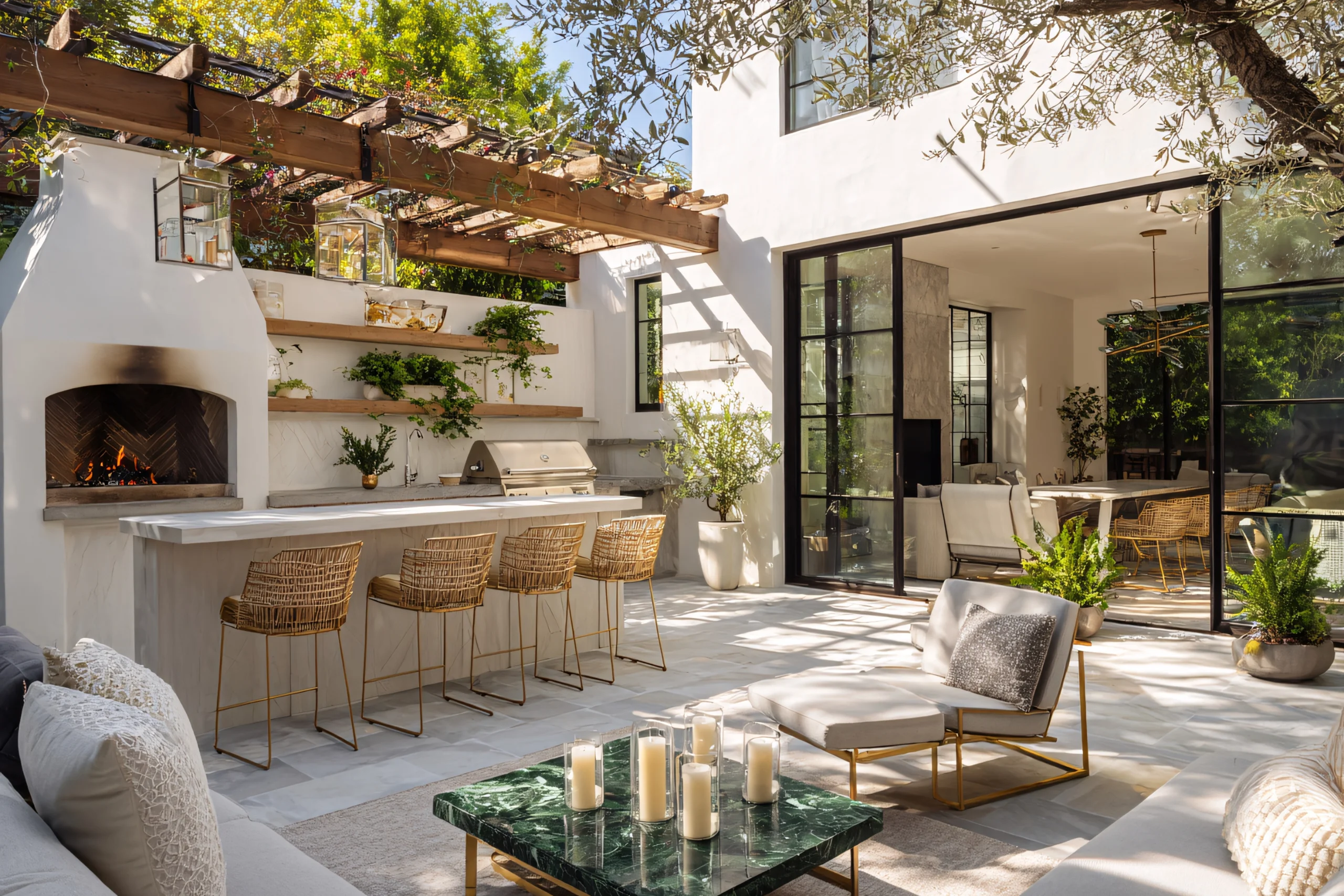
For small business owners, side-hustlers, and entrepreneurs who invest in residential real estate, outdoor design is no longer just about curb appeal—it’s a revenue decision. Whether you own a single rental property, manage short-term vacation rentals, or are building a portfolio of income-producing homes, the way a property’s outdoor space is designed can directly influence rental rates, tenant demand, and long-term property value.
Today’s renters and buyers are actively seeking homes that offer more than just interior square footage. Outdoor living areas, low-maintenance landscaping, functional patios, and thoughtfully designed exterior spaces are increasingly viewed as extensions of livable space—and tenants are often willing to pay more for them. For property owners focused on earning consistent income, reducing vacancies, and standing out in competitive rental markets, understanding current outdoor design trends is a practical business strategy, not a luxury upgrade.
This guide explores the most important outdoor design trends shaping residential properties today, with a specific lens on how these trends affect rental appeal, operating costs, and return on investment. From outdoor living rooms that increase perceived square footage to sustainable landscaping that lowers maintenance expenses, these insights can help rental property owners make smarter, profit-driven decisions before investing in exterior upgrades.
The Rise of Outdoor Living Rooms
For rental property owners, outdoor living rooms represent more than a lifestyle upgrade—they are a way to increase perceived square footage without adding to the building footprint. In competitive rental markets, especially for short-term and mid-term rentals, outdoor living areas help listings stand out visually and emotionally, often translating into higher nightly rates, faster bookings, or reduced vacancy periods.
Well-designed outdoor living rooms create flexible, multi-use spaces that appeal to renters seeking comfort, privacy, and an “experience” rather than just a place to sleep. Covered patios, pergolas, and furnished seating areas effectively function as additional rooms, increasing a property’s functional value while requiring far less capital investment than interior renovations.
These outdoor rooms often feature complete amenities including full kitchens, comfortable seating arrangements, entertainment systems, and climate control elements. Installing some outdoor ceiling fans has become particularly popular for creating comfortable environments during warmer months, circulating air effectively while adding visual interest to covered patios and porches. The integration of lighting, heating elements, and even outdoor fireplaces ensures these spaces remain functional across multiple seasons.
For income-focused property owners, these spaces can be marketed as premium amenities that justify higher rents or seasonal pricing adjustments.
Investor Insight
Short-Term Rental Impact:
Outdoor living rooms photograph extremely well for listing platforms, improving click-through rates and guest expectations.
Long-Term Tenant Appeal:
Tenants value outdoor spaces as extensions of their living area, especially for families or remote workers, increasing lease renewals and satisfaction.
Sustainable and Native Landscaping
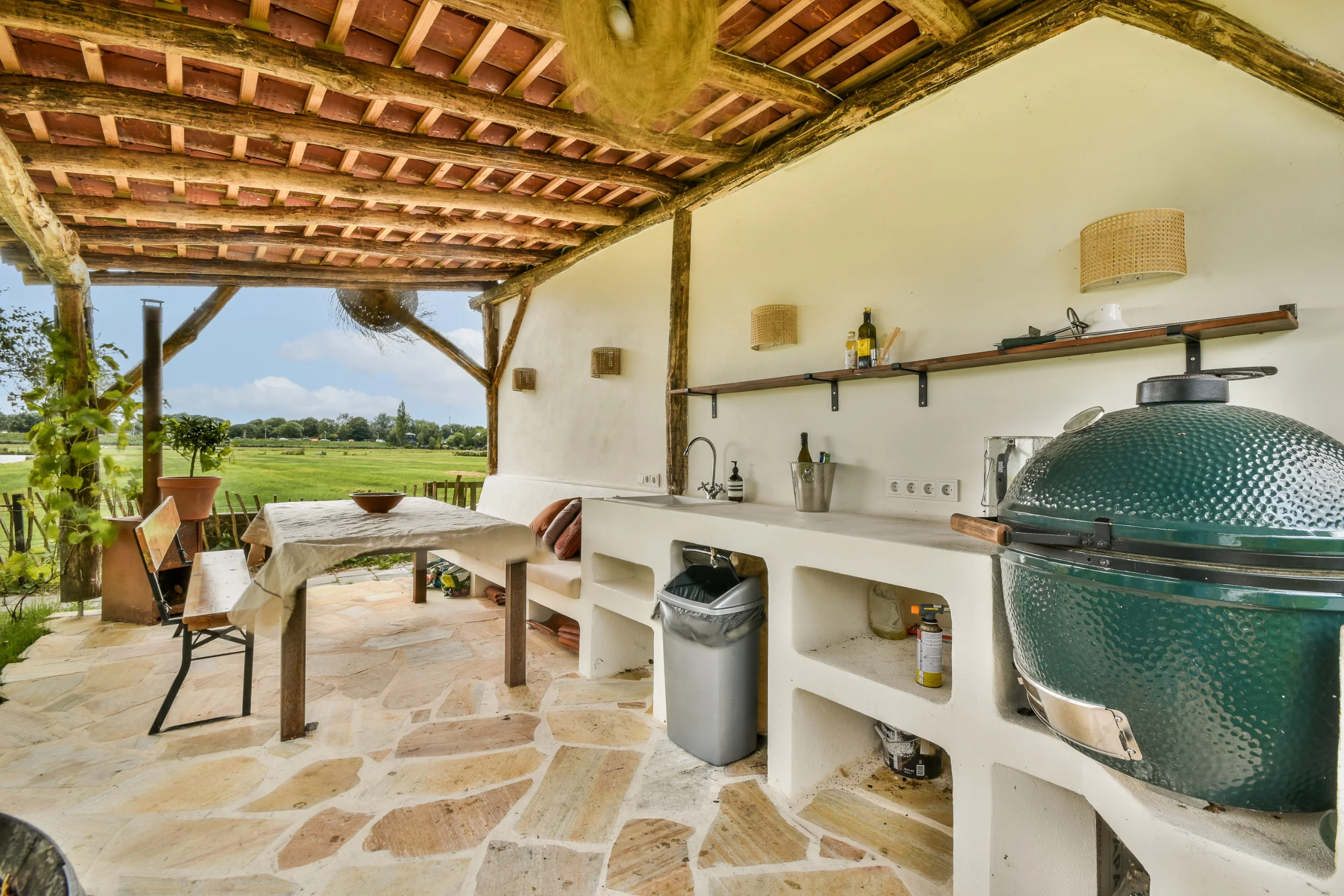
From a rental business perspective, sustainable and native landscaping directly affects operating costs, maintenance time, and long-term profitability. While traditional lawns and ornamental gardens can increase visual appeal, they often require ongoing water usage, frequent upkeep, and professional landscaping—expenses that cut into rental margins.
Native plants and sustainable landscaping solutions allow property owners to maintain attractive outdoor spaces while reducing monthly expenses and management headaches. Lower water bills, minimal fertilizer needs, and improved drought resistance make these landscapes particularly attractive for landlords managing multiple properties or operating in regions with water restrictions. Over time, sustainable landscaping becomes a cost-control strategy that protects profitability without sacrificing curb appeal.
Investor Insight
Short-Term Rental Impact:
Eco-friendly landscaping appeals to sustainability-minded travelers and can be highlighted in listings.
Long-Term Tenant Appeal:
Low-maintenance yards reduce tenant complaints and lower the likelihood of neglected outdoor spaces.
Outdoor Kitchens and Dining Spaces
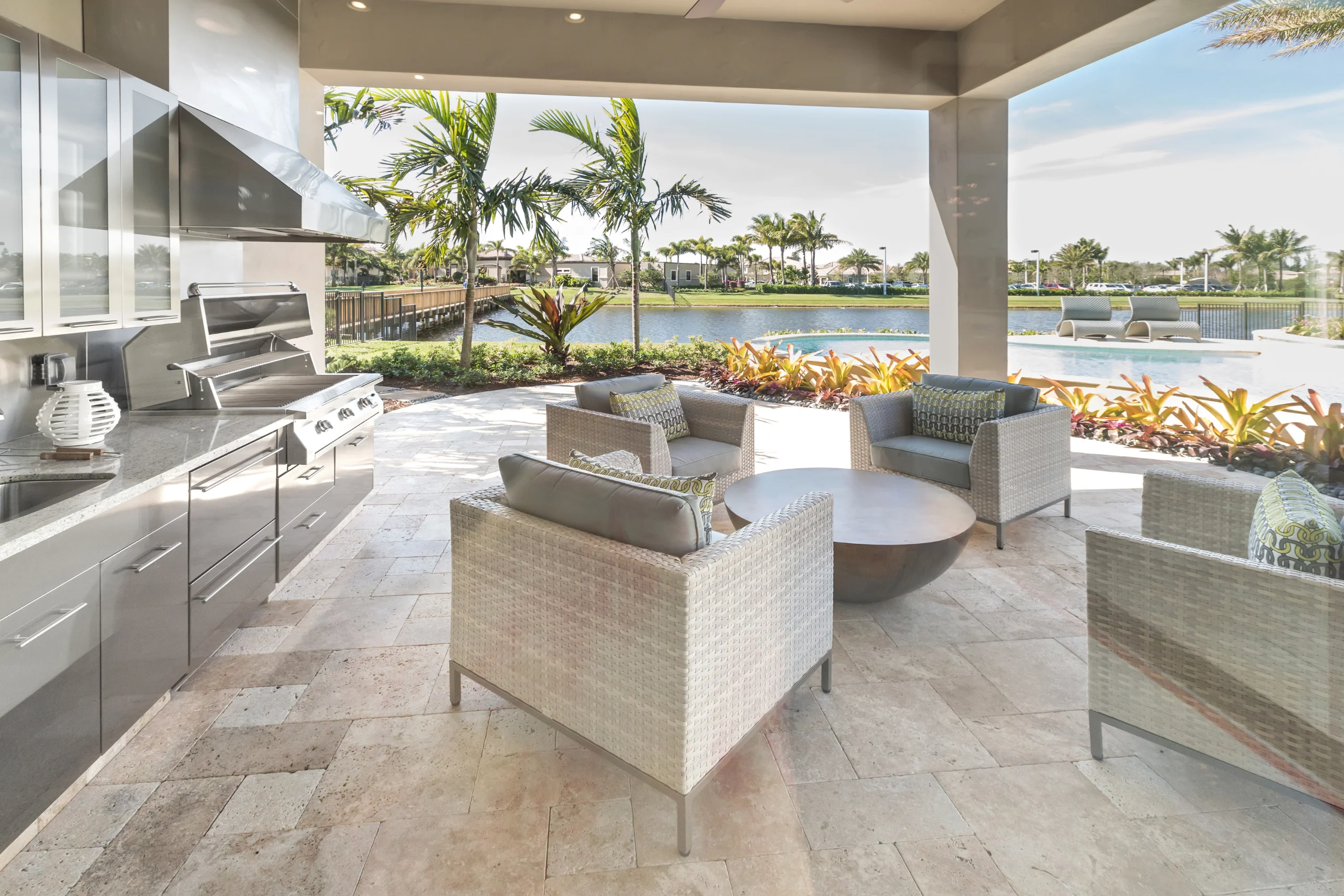
Outdoor kitchens are one of the most powerful—but also most strategic—upgrades rental property owners can make. While not every rental requires a full outdoor culinary setup, properties that cater to higher-end tenants or vacation renters can benefit significantly from these features when they align with the target market.
For short-term rentals, outdoor kitchens create an experiential upgrade that encourages longer stays and higher nightly rates. For long-term rentals, simpler dining setups—such as built-in grills or covered dining areas—offer lifestyle value without excessive installation costs. The key for investors is aligning the scope of the upgrade with the expected rental income, ensuring that the feature enhances desirability without overcapitalizing.
Investor Insight
Short-Term Rental Impact:
Outdoor kitchens increase booking appeal for group stays and entertaining-focused travelers.
Long-Term Tenant Appeal:
Basic outdoor dining spaces improve lifestyle value without increasing tenant wear-and-tear indoors.
Technology Integration and Smart Outdoor Features
Smart outdoor technology offers rental property owners an opportunity to reduce management effort while enhancing tenant experience. Automated irrigation, smart lighting, and outdoor security systems allow owners to control expenses, monitor properties remotely, and prevent costly issues before they escalate.
From a revenue standpoint, smart features add a perception of modernity and professionalism to a rental property. Tenants increasingly expect convenience, efficiency, and safety, and technology-driven outdoor spaces help meet those expectations while supporting operational efficiency. For investors managing multiple properties, these systems scale well and reduce hands-on oversight.
Investor Insight
Short-Term Rental Impact:
Smart lighting and security increase guest confidence and reduce property misuse.
Long-Term Tenant Appeal:
Automated systems simplify living while lowering utility costs.
Wellness-Focused Outdoor Spaces
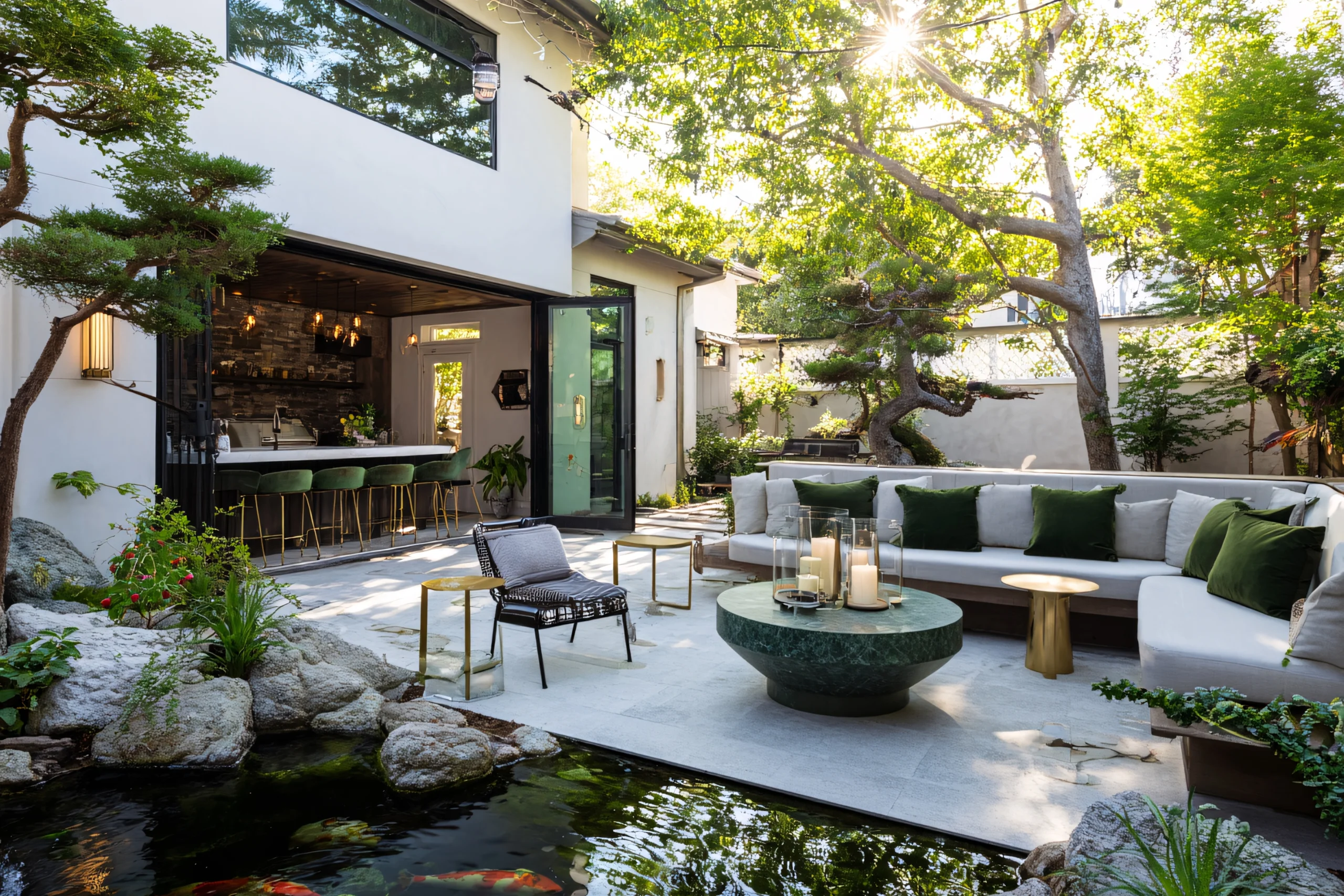
Wellness-oriented outdoor spaces may seem intangible at first, but they increasingly influence rental decisions—especially in higher-end markets. Features like meditation gardens, quiet seating areas, water features, or small garden plots offer emotional value that differentiates a property from standard rentals.
For property owners, wellness-focused elements are often relatively low-cost yet high-impact enhancements. They create a sense of retreat and personal space, which renters associate with quality of life. When marketed effectively, these spaces support premium pricing, longer stays, and improved tenant retention—particularly among professionals, families, and long-term renters seeking stability.
Investor Insight
Short-Term Rental Impact:
Wellness amenities appeal to travelers seeking relaxation-focused stays.
Long-Term Tenant Appeal:
Quiet outdoor retreats encourage longer leases and emotional attachment to the property.
Cost vs. Rental Value Impact Table
| Outdoor Trend | Typical Cost Range | Rental Value Impact | Best For |
|---|---|---|---|
| Outdoor Living Room | $3,000 – $12,000 | High | Short-term & long-term rentals |
| Native Landscaping | $1,500 – $6,000 | Medium–High | Long-term rentals, multi-property owners |
| Outdoor Kitchen | $5,000 – $30,000 | High (market dependent) | Short-term & luxury rentals |
| Smart Outdoor Technology | $1,000 – $5,000 | Medium | Multi-unit and remote-managed rentals |
| Wellness-Focused Spaces | $500 – $4,000 | Medium | Long-term and premium rentals |
Closing: Turning Outdoor Design Trends Into a Smart Small Business Strategy
For small business owners and entrepreneurs who treat rental properties as income-producing assets—not passion projects—outdoor design decisions should always tie back to planning, positioning, and profitability. The trends discussed in this guide aren’t about chasing what looks good on social media; they’re about understanding how renters make decisions and where modest investments can produce outsized returns.
Outdoor living rooms, sustainable landscaping, smart technology, and wellness-focused spaces all serve a common purpose: they increase perceived value while controlling long-term costs. In practical terms, that can mean higher rents, faster tenant placement, stronger reviews for short-term rentals, or simply fewer vacancies and headaches over time. When approached strategically, outdoor upgrades become part of a broader small business plan—one that balances upfront spending with operating efficiency and market differentiation.
The most successful rental property owners don’t try to implement every trend at once. Instead, they evaluate upgrades the same way they would any business investment: Does this attract my ideal tenant? Does it reduce costs or risk? Does it help this property compete more effectively in its market? By aligning outdoor design choices with your rental strategy—short-term vs. long-term, premium vs. value-oriented—you can make smarter decisions that support consistent cash flow and long-term growth.
In short, outdoor spaces are no longer “extra.” For today’s rental-focused small business owners, they’re part of the operating model.
Frequently Asked Questions
Do outdoor upgrades really increase rent?
Yes—but only when the upgrades align with tenant expectations and market demand. Outdoor improvements tend to increase perceived value more than raw square footage, which is often enough to justify higher rent or premium pricing. Features like furnished outdoor living areas, attractive low-maintenance landscaping, or covered patios can make a property feel more complete and livable. However, the rent increase depends on location, property type, and renter demographics. The key is choosing upgrades that your target tenants actually value, rather than assuming all improvements automatically translate into higher income.
Which outdoor upgrades offer the best return on investment for rental properties?
Outdoor living rooms, native landscaping, and smart outdoor features typically provide the strongest ROI for rental properties. These upgrades balance moderate upfront costs with tangible benefits such as higher demand, lower maintenance, and improved tenant satisfaction. Expensive additions like full outdoor kitchens can deliver strong returns in short-term or luxury rental markets, but may not make sense for entry-level or long-term rentals. ROI improves when upgrades reduce operating expenses or shorten vacancy periods—not just when they look impressive.
Are outdoor upgrades more important for short-term or long-term rentals?
Outdoor upgrades matter for both, but for different reasons. In short-term rentals, outdoor spaces help drive bookings, higher nightly rates, and positive reviews—especially when they photograph well. In long-term rentals, outdoor improvements support tenant retention, satisfaction, and lease renewals. Long-term tenants often prioritize usability and low maintenance over luxury features. Smart investors tailor outdoor investments based on how the property generates income rather than applying a one-size-fits-all approach.
How much should a rental property owner budget for outdoor improvements?
There’s no universal number, but many investors allocate 5–10% of the property’s value for strategic upgrades over time, not all at once. Smaller improvements—such as lighting, seating, or landscaping refreshes—can often be done for under $2,000 and still have noticeable impact. Larger projects should be phased and evaluated against expected rent increases or cost savings. Budgeting gradually allows property owners to test what works before committing to major expenses.
Can outdoor upgrades reduce rental property operating costs?
Yes, especially when sustainability and technology are part of the design. Native landscaping reduces water bills and landscaping expenses, while smart irrigation and lighting systems prevent waste and lower utility costs. These upgrades may not always raise rent directly, but they protect margins by reducing ongoing expenses. Over multiple properties or years of ownership, these savings can be just as valuable as rent increases.
Are outdoor design upgrades worth it in competitive rental markets?
In competitive markets, outdoor upgrades often serve as differentiators rather than luxury extras. When renters compare similar properties at similar price points, outdoor features can be the deciding factor. A clean, functional, and well-designed outdoor space can help a listing stand out, attract better tenants, and reduce time on market. In this context, outdoor upgrades function as a marketing tool that supports pricing stability and occupancy.