

Key Takeaways
- You can start a lawn care business with a focused set of core tools, then upgrade as revenue grows.
- Commercial-grade equipment and regular maintenance save money over time and reduce downtime.
- Avoid impulse purchases; equipment should be busy and billable 30–50% of the time.
- Buy tools you use frequently and rent specialty equipment or seasonal machines.
- Software tools for routing, scheduling, and invoicing are just as important as mowers and blowers.
Starting a lawn care or landscaping business does not mean buying every shiny machine at the dealer. The most successful owners start with the essentials, keep those tools busy and billable, and add bigger equipment only when the numbers make sense.
Below is an updated and more organized guide to the tools, equipment, and software that can help you run a professional, profitable operation.
Articles in the Series:
- Starting a Lawn Care and Landscaping Business
- The Landscape and Lawncare Services Industry
- How to Start a Lawn Service Business
- Tools and Equipment Used for a Lawn Care and Landscaping Business
- Pricing Your Lawn Care and Landscaping Services
- Marketing and Promoting a Landscaping or Lawn Care Business
- Additional Services and Revenue Streams for a Landscaping or Lawn Care Business
- 10 Tips to Succeed in Lawn care and Landscaping Business
- Resources to Help Start a Landscaping or Lawn Care Business
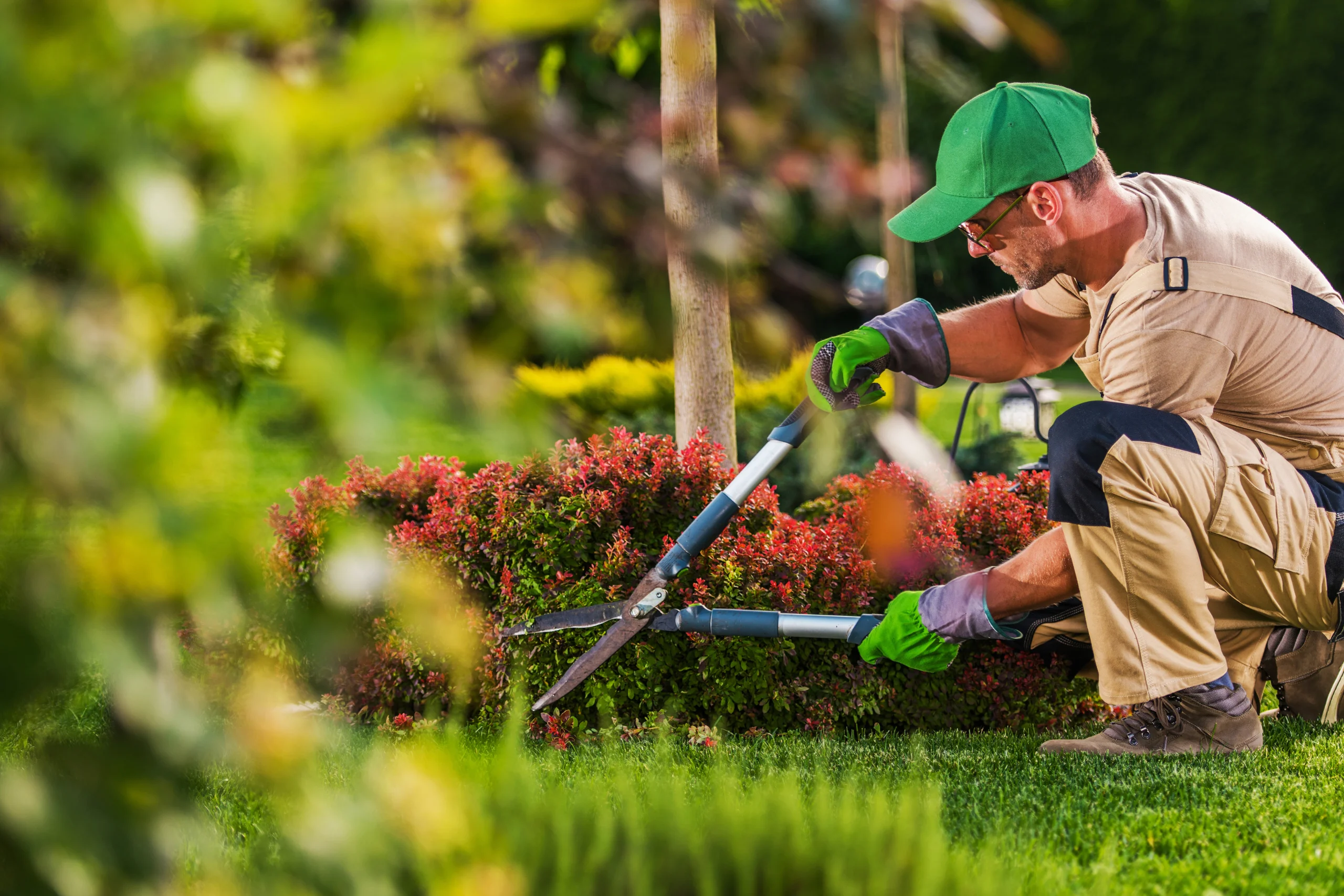
Essential Tools and Equipment for Start-Up Phase
If you are starting small or testing a niche (e.g., residential mowing, basic yard cleanups), you can launch with a simple but solid set of tools. Focus on reliability, ease of use, and safety.
Core Outdoor Power Equipment
Instead of listing every model number, think in categories and choose reputable brands (Husqvarna, Stihl, Echo, EGO, Makita, etc.) that have local dealer support.
Basic startup equipment:
- Leaf blower / backpack blower – For fast cleanup of clippings and leaves.
- Line or string trimmer – For edging along fences, beds, and hardscapes.
- Hedge trimmer – For shrubs, hedges, and detail work.
- Chainsaw – For light tree trimming and storm cleanups (if you offer this).
Other must-have equipment:
- Commercial walk-behind or zero-turn mower (or a high-quality self-propelled mower if you truly are starting very small)
- Edger (handheld or walk-behind) for sharp borders
- Hand tools – Rakes, shovels, brooms, wheelbarrow, trowels, pruners
- Safety gear – Goggles, gloves, hearing protection, steel-toe boots
- Truck or trailer – Pickup truck and/or a utility trailer to move equipment
Example Starter Equipment Table
Use this as a planning checklist, not a shopping list of exact brands.
| Tool / Equipment | Typical Use | Suggested Quality Level | Notes |
|---|---|---|---|
| Commercial mower | Core mowing work | Commercial or prosumer | Your main money-maker |
| String trimmer | Edging, tight spaces | Commercial | Choose a brand with easy line reload |
| Backpack leaf blower | Cleanup, fall leaves | Commercial | Backpack style for comfort |
| Hedge trimmer | Shrubs and hedges | Commercial or prosumer | Dual-action blades for smoother cuts |
| Chainsaw (optional) | Small tree work, storm cleanup | Commercial or mid-grade | Only if you offer this service |
| Edger | Clean edges along sidewalks/drive | Prosumer or commercial | Can also edge with trimmer at first |
| Hand tools | Beds, planting, detail work | Good homeowner grade | Replace as they wear out |
| Safety gear | Protect eyes, ears, hands, feet | Quality PPE | Non-negotiable |
| Truck + trailer | Transport crew and equipment | Reliable used vehicle | Keep within your budget |
You do not need the most expensive version of everything on day one. Start with solid, dependable equipment, then upgrade as your schedule fills and cash flow stabilizes.
Leaf Blower/Vacuum. Examples include:
- Husqvarna 150BT Gas Leaf Blower, 51-cc 2.16-HP 2-Cycle Backpack Leaf Blower, 765-CFM, 270-MPH, 22-N Powerful Clearing Performance
- EGO POWER+ Backpack Leaf Blower, Cordless Electric 600 CFM, Includes 56V 7.5Ah Battery and Charger – LB6003
- Professional Gas Powered Backpack Leaf Blower – 2-Stroke High-Performance 63CC/665 CFM Blower System with Comfort Design for Complete Property Maintenance (GB656 PRO)
- If you have extra dollars to spare, get Sthil BR600 or RedMax EBZ8500 (both cost about $600).
Line or String Trimmers, such as
- Husqvarna 970514405 130L 28cc 2-Cycle 18 in. Straight Shaft Gas String Trimmer and Weed Wacker with Rapid Replace Trimmer Head for Seamless String Reloading
- Poulan Pro PR2322 22-Inch 23cc 2 Cycle Gas Powered Dual Sided Hedge Trimmer
- Another good trimmer is the Stihl 4 Mix
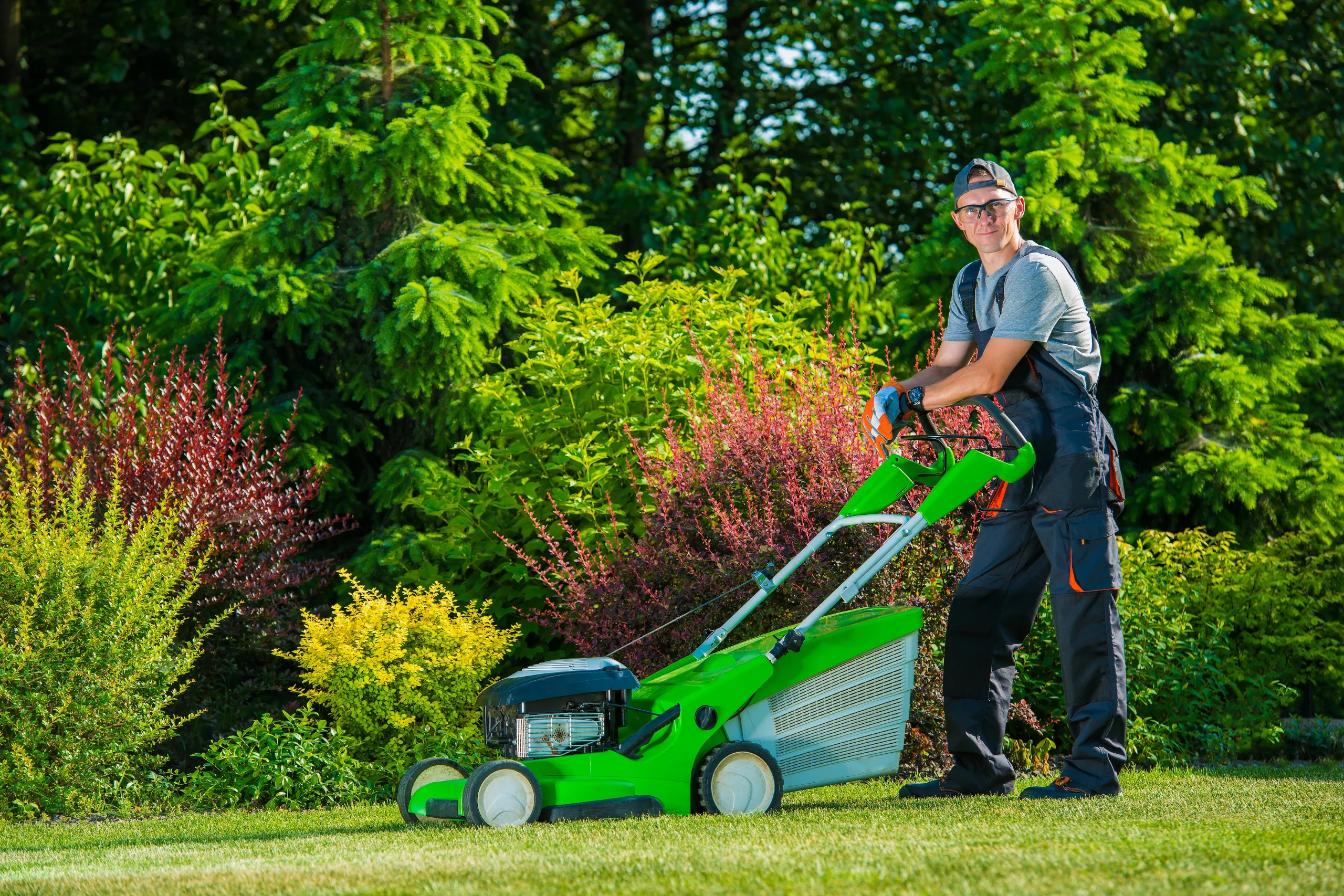
Hedge Trimmers, such as:
- Husqvarna 122HD60 21.7cc Gas 23.7-in Dual Action Hedge Trimmer 9665324-02
- Makita XHU09Z 18V LXT® Lithium-Ion Brushless Cordless 24″ Hedge Trimmer
- Other hedge trimmers the pro recommends include the M254 Shindaiwa, Stihl HL 100K, Maruyama
Chainsaws, such as
- Husqvarna 460 Rancher Gas Powered Chainsaw, 60.3-cc 3.6-HP, 2-Cycle X-Torq Engine, 24 Inch Chainsaw with Automatic Adjustable Oil Pump, For Wood Cutting, Tree Trimming and Land Clearing
- 12″ Electric Chainsaw Cordless, 20V Battery Power Cordless Chain Saw, Battery Chainsaw with 4.0Ah Lithium ion Battery and Charger, Mini Chainsaw Cordless
- CRAFTSMAN Electric Chainsaw, 16 Inch, 12 Amp Corded (CMECS600)
- Other good chainsaw brands to consider are Husky, Stihl, Shindaiwa, and Echo
Other must-have equipments include:
- Commercial mower
- Trailer
- Edgers
- Handtools (rakes, shovels, broom, trowels, pruner, etc.)
- Safety equipment includes goggles and gloves
- Truck or some type of transportation such as a pick-up truck
Expanding Your Fleet as the Business Grows
As your customer base grows and you add services, you will likely need more specialized or larger equipment.
Common “Phase Two” Equipment
- Riding mowers / larger zero-turns – For bigger residential and commercial properties.
- Skid steer loaders or compact loaders – For grading, moving soil, and hardscape work.
- Bed edgers – For crisp landscape bed edges on large properties.
- Aerators / dethatchers – For lawn renovation services.
- Water feature equipment and tools – If you install ponds or fountains.
- Sprayers and spreaders – For fertilizer and weed control (check licensing requirements).
- Herbicides, insecticides, fungicides, and fertilizer blends – If you offer lawn treatment programs (again, follow local laws and training requirements).
If you plan to branch into commercial snow removal, you may also need:
- Truck-mounted plows
- Salt or sand spreaders
- Snow blowers
- Ice melt storage and handling setup
Those are significant investments, so think carefully about your local market, competition, and how long your snow season runs.
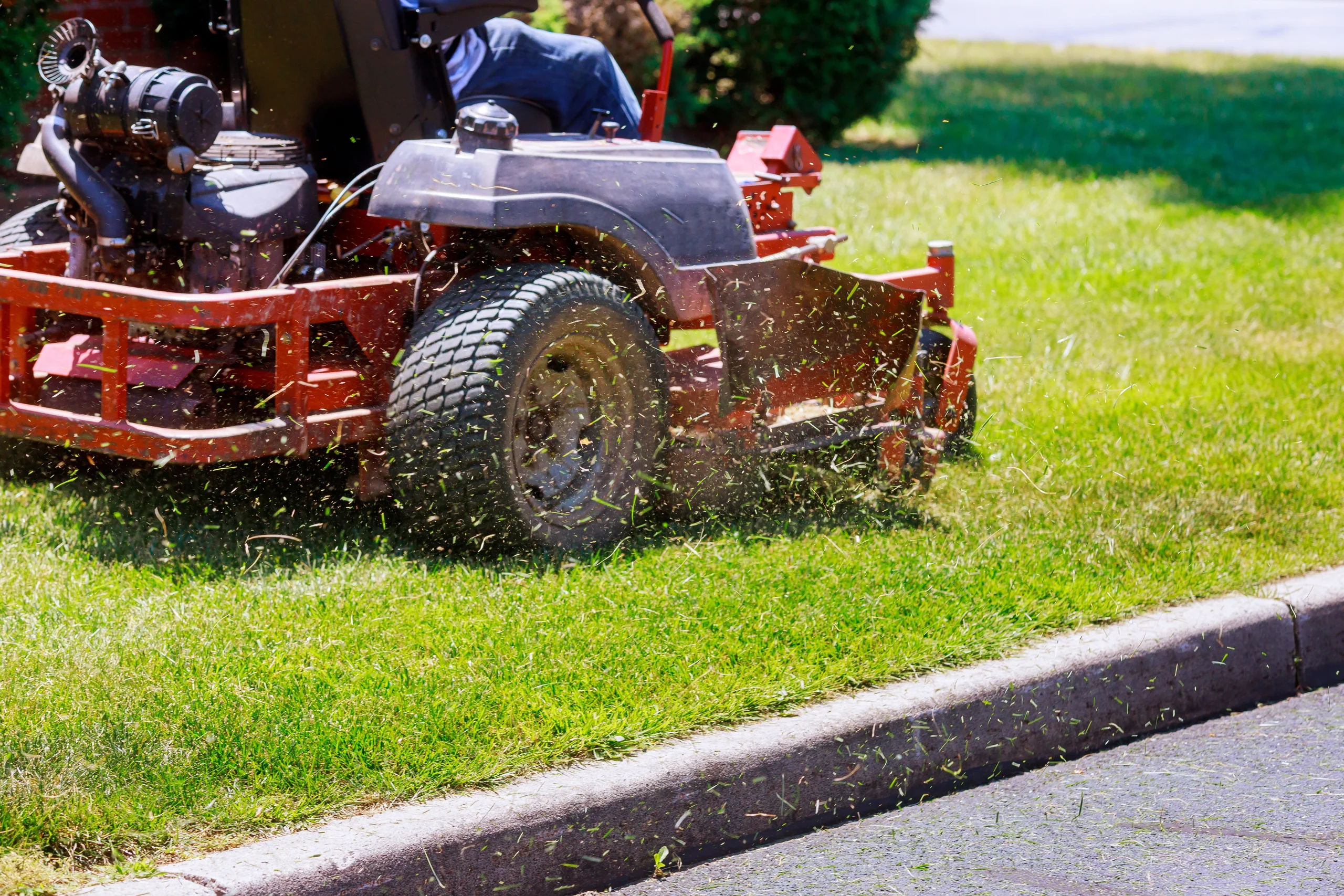
Buy vs. Rent: Making Smart Equipment Decisions
One of the most common mistakes in this industry is buying (or financing) too much equipment too soon. It is easy to get excited and walk out of the dealer with more machines than your schedule can support.
A helpful rule of thumb:
Aim to keep each major piece of equipment busy and billable 30–50% of the time.
Simple Buy vs. Rent Guide
| Usage Level | Recommended Approach | Why |
|---|---|---|
| Used on most jobs, several days a week | Buy | Core tools pay for themselves quickly |
| Used weekly but not daily | Buy or rent | Depends on cost, rates, and your cash position |
| Used only during one short season | Rent | Snow, aeration, or specialty seasonal tasks |
| Used for a few jobs per year | Rent | No need to tie up capital in rarely used tools |
| Testing a brand-new service offering | Rent first | See if demand is real before committing to buy |
ome owners also do a “payback check” before they buy:
- Estimate how many jobs you will use the new tool on.
- Calculate the revenue those jobs will bring in.
- Ask: Can this tool realistically pay for itself within a year or two?
If the answer is no, renting is often the safer choice.
Why Renting Can Be Smart
Renting equipment:
- Gives you control over inventory and cash flow.
- Lets you try different brands and models before buying.
- Helps you add a new service for a season without a big upfront investment.
For many start-up businesses, renting larger or specialized machines for at least the first season makes a lot of sense. You can test demand, refine your pricing, and decide later if ownership is worth it.
Digital Tools: Software and Systems That Make Life Easier
Tools in this business are not just steel and engines. The right software can save hours each week and make you look more professional.
Helpful digital tools include:
- GPS truck routing and tracking
- Reduces fuel costs
- Helps build tight, efficient routes
- Lets you see where your trucks have been and when
- Contact and customer management (CRM)
- Keeps all customer details in one place
- Stores property notes, gate codes, and preferences
- Makes it easier to upsell and stay in touch
- Scheduling and routing programs
- Helps you assign crews and plan daily/weekly routes
- Cuts down on back-tracking and scheduling mistakes
- Many systems allow text reminders for clients
- Invoicing and payment tools
- Send invoices quickly after work is done
- Accept credit cards or online payments
- Improve cash flow and reduce time chasing checks
Popular choices among lawn and landscape businesses include dedicated platforms like Jobber, Yardbook, and LMN, as well as more general tools combined with spreadsheets or basic accounting software. The exact choice matters less than having some kind of system so you are not running everything from memory or scattered notes.
Next: Pricing Your Lawn Care and Landscaping Services
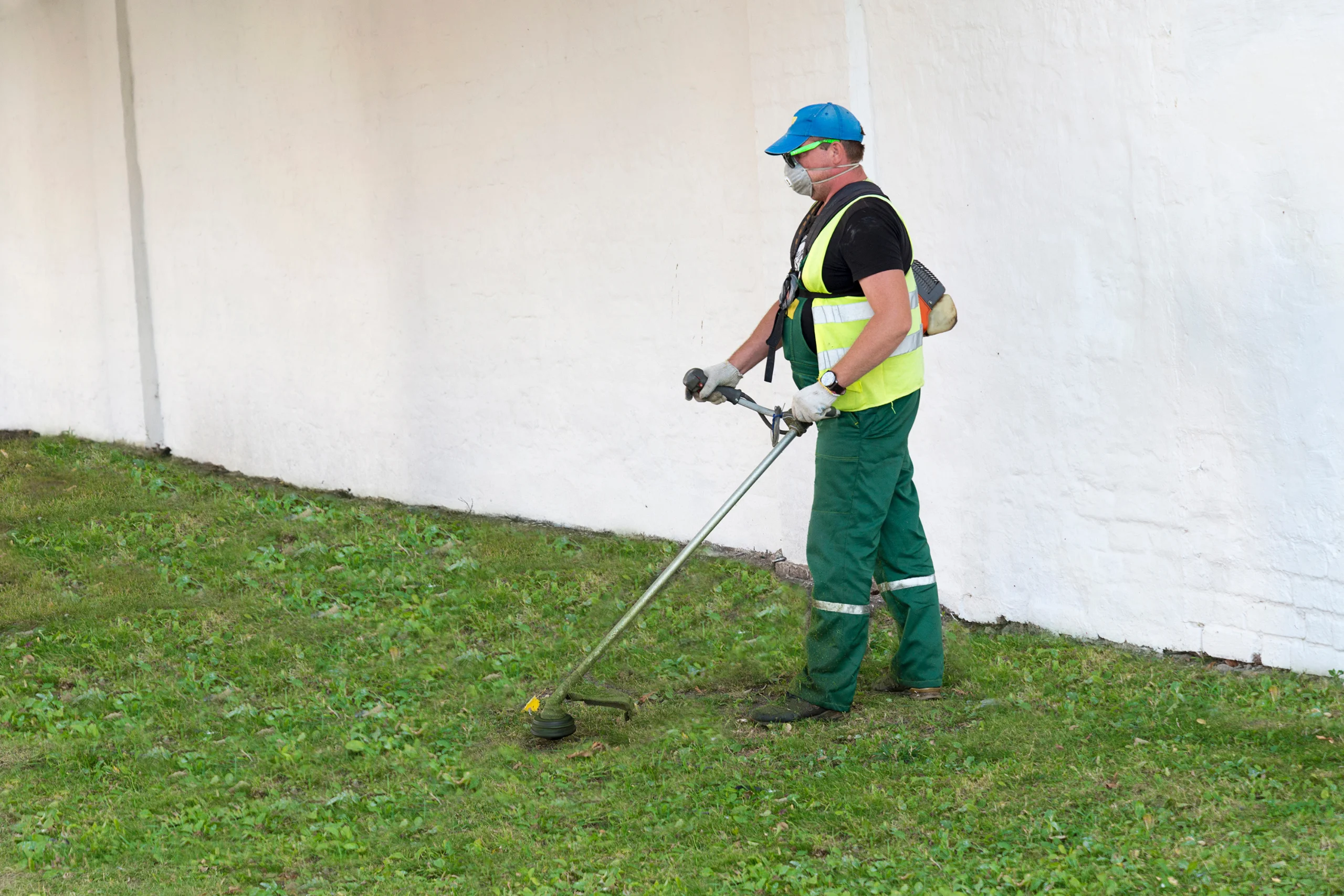
Frequently Asked Questions (FAQ) on Tools and Equipment for a Lawn Care and Landscaping Business
What equipment do I need for a landscaping business?
To get started, focus on a solid set of basics rather than buying everything at once. At a minimum, most small operators begin with a reliable commercial or prosumer mower, a string trimmer, a leaf blower, and a small set of hand tools like rakes, shovels, pruners, and a wheelbarrow. Add safety gear – goggles, gloves, and hearing protection – as non-negotiables. If you plan to maintain shrubs and hedges, a hedge trimmer moves quickly from “nice to have” to “essential.” You can always rent or borrow specialty tools, such as aerators or chainsaws, until the demand is steady enough to justify buying them outright. Start lean, keep your tools busy, and expand once the business proves it can support more equipment.
Can I start a landscaping business with just a few tools?
Yes, many successful lawn care businesses started with a very simple setup: one mower, one trimmer, a blower, and a truck or car with a small trailer. The key is to focus on a narrow set of services at first, such as mowing, trimming, and basic cleanup. As you build a reliable client base and consistent income, you can reinvest profits in more powerful equipment and additional tools. Starting small also helps you learn what your local market really wants. You may discover that there is stronger demand for fertilization programs, landscape cleanups, or hedge trimming than you expected, which will influence what you buy next.
Should I buy or lease landscaping equipment?
It depends on how often you will use each piece, your cash position, and how comfortable you are with debt. For tools you use almost every day – mowers, trimmers, blowers – buying (even used) usually makes more sense, because you can spread the cost across many jobs and seasons. For equipment used only seasonally or occasionally, such as aerators, stump grinders, or snow blowers in milder climates, leasing or renting keeps your overhead lower. A helpful approach is to run the numbers: estimate the annual rental cost versus the purchase price plus maintenance. If ownership clearly wins and you have the work to keep the tool busy, buying can be the better option. If you are unsure, rent first.
How do I maintain my landscaping tools?
Regular maintenance prevents breakdowns and extends the life of your equipment. For gas-powered tools, that usually means changing the oil at recommended intervals, replacing or cleaning air filters, checking spark plugs, and keeping blades sharp. Clean off grass, dust, and debris after each day to prevent rust and buildup. Store tools in a dry, secure space, preferably off the ground. For major equipment like mowers, schedule pre-season tune-ups or work with a local small engine repair shop. Keeping a simple maintenance log – even a notebook or spreadsheet – helps you see what was done and when, so you are not guessing about the last time a mower had its oil changed.
Are there any tools that can help manage the business side of landscaping?
Absolutely. Alongside physical tools, digital tools can make your business much easier to run. Scheduling and routing software can help you plan efficient routes and reduce drive time. Invoicing apps and payment platforms let you bill customers quickly and accept online payments, which improves cash flow. Customer management tools (CRMs) help you keep track of contact details, property notes, and service history so you can provide consistent service and upsell appropriately. Platforms like Jobber, Yardbook, and LMN are designed specifically for lawn and landscape businesses, but you can also combine general tools like spreadsheets, accounting software, and mapping apps if you are just starting out. The goal is to spend less time on paperwork and more time on profitable work.
This article was originally published on July 17, 2014 and is updated on November 27, 2025.

What a great article! I can tell you really care about what you are writing about, which is a rare thing these days. I see a lot of authors just putting up quick junk, which is unfortunate. I hope you know that people actually appreciate quality writing like this!