Mowing alone rarely delivers the profit or stability needed to build a thriving lawn care or landscaping business. By adding high-value services like fertilization, weed control, mulching, tree care, seasonal cleanups, snow removal, and even holiday lighting, you can dramatically increase revenue per customer, reduce seasonality, and position your company as a full-service outdoor expert. This guide explains how to choose the right add-on services, manage the risks, price them profitably, and roll them out in a way that strengthens your bottom line year-round.
Articles in the Series:
- Starting a Lawn Care and Landscaping Business
- The Landscape and Lawncare Services Industry
- How to Start a Lawn Service Business
- Tools and Equipment Used for a Lawn Care and Landscaping Business
- Pricing Your Lawn Care and Landscaping Services
- Marketing and Promoting a Landscaping or Lawn Care Business
- Additional Services and Revenue Streams for a Landscaping or Lawn Care Business
- 10 Tips to Succeed in Lawn care and Landscaping Business
- Resources to Help Start a Landscaping or Lawn Care Business

Many lawn care and landscaping businesses start the same way: with a mower, a truck, and a handful of residential accounts. Mowing is straightforward, predictable, and easy to sell. The problem? It also tends to have the lowest profit margin and is often the most competitive service in your market.
To maximize revenue and build a stronger, more resilient business, you need to go beyond mowing and basic maintenance. High-margin add-on services allow you to:
- Earn more per customer
- Smooth out seasonal slowdowns
- Differentiate your business as “full service”
- Build long-term, recurring relationships
This guide walks you through the most profitable additional services you can offer, how to choose the right ones for your business, what to watch out for, and how to roll them out in a strategic, profitable way.
Table of Contents

Additional Services: Why You Should Look Beyond Mowing
A common pattern in the industry is that mowing and basic maintenance bring in a large share of revenue but yield lower profit margins. It often serves as the “foot in the door” service that gets you on the property, but it should not be the end of your relationship with the customer.
Key reasons to diversify beyond mowing:
Competitive Differentiation
Many local competitors may still rely heavily on mowing. When you position your business as a full-service outdoor solutions provider, you stand out and can justify higher pricing.
Higher Profit Margins
Services like chemical lawn care, pest control, tree care, and landscape enhancements can command significantly higher margins than routine mowing. You’re no longer just selling time and labor; you’re selling expertise, specialized equipment, and higher perceived value.
Reduced Seasonality
In many states, mowing is limited to spring and summer. By adding services like fall cleanups, snow removal, and holiday décor, you can generate income in the “off” seasons and keep your best workers employed year-round.
Stronger Client Relationships
Homeowners and commercial clients increasingly prefer working with one “go-to” company instead of juggling multiple contractors. If you can become their single source for outdoor and seasonal needs, you’ll be harder to replace and easier to refer.

The Business Logic of Add-On Services
Think of mowing as an entry-level service. It gets you visibility, trust, and regular contact with the property. Once you have that relationship, you can upsell additional services that solve more complex problems for the customer.
Here’s a simple way to think about it:
| Revenue Role | Examples | Typical Margin Profile* |
|---|---|---|
| Foot-in-the-door | Lawn mowing, basic trimming, edging | Lower margin, high competition |
| Upsell / Add-on | Fertilization, weed control, mulching | Medium to high margin |
| Premium Specialist | Tree care, pest control, water features | High margin, expertise required |
*Margin profiles are illustrative and will vary by market, pricing, and efficiency.
Your long-term goal should be to design packages that move customers from “just mowing” to a combination of maintenance plus higher-value services throughout the year.
How to Decide Which Additional Services to Offer
Before you rush to buy a new piece of equipment or launch a new line of work, take a strategic approach. Ask yourself:
- What do my existing customers already need?
Look around your current clients’ properties. Are there weeds in the beds, overgrown shrubs, dead trees, bare spots in the turf, poor lighting, or drainage issues? The easiest services to sell are those that solve visible, urgent problems. - What services fit my skills and crew?
If you or your team already have experience with pruning, planting, or light landscape construction, those services will be faster and cheaper to add than something requiring advanced licensing or high-risk work. - What are the regulatory and licensing requirements?
Chemical lawn care, structural pest control, tree work using lifts, and irrigation often require licenses, certifications, and higher insurance coverage. Factor in the cost and time to become compliant. - What is the startup cost vs. profit potential?
Some services require only small tools and training (e.g., mulching, hedge trimming), while others demand expensive equipment (e.g., bucket trucks, stump grinders, hydroseeding rigs). Start with services where the payoff justifies the initial investment. - How will this service fit into my calendar?
Consider your seasonal labor and scheduling. Snow removal, leaf cleanup, holiday décor, and winter pruning can fill gaps in your mowing schedule and keep revenue flowing.
Categories of Profitable Add-On Services
Below are major categories of additional services you can offer, with explanations and examples. These build from lower-risk, easier-to-add services to more specialized, licensed, or capital-intensive options.
1. Turf Health and Lawn Care Enhancements
These services directly improve the health and appearance of turf, making them a natural upsell to mowing clients.
a. Fertilization and Chemical Lawn Care
- What it includes: Fertilization programs, weed control, pre-emergent and post-emergent applications, disease control.
- Why it’s profitable: Customers see visible results, and programs can be sold as recurring seasonal packages.
- Note: In most states, chemical applications require licensing, training, and strict record-keeping. You will also need appropriate insurance and safety protocols.
b. Lawn and Bed Weed Control
- What it includes: Spot treatments, broadleaf weed control, bed pre-emergents, post-emergent sprays.
- Value to clients: A weed-free lawn and clean planting beds dramatically increase curb appeal.
- Business angle: Combine with fertilization and mulching into seasonal “bed and lawn care” packages.
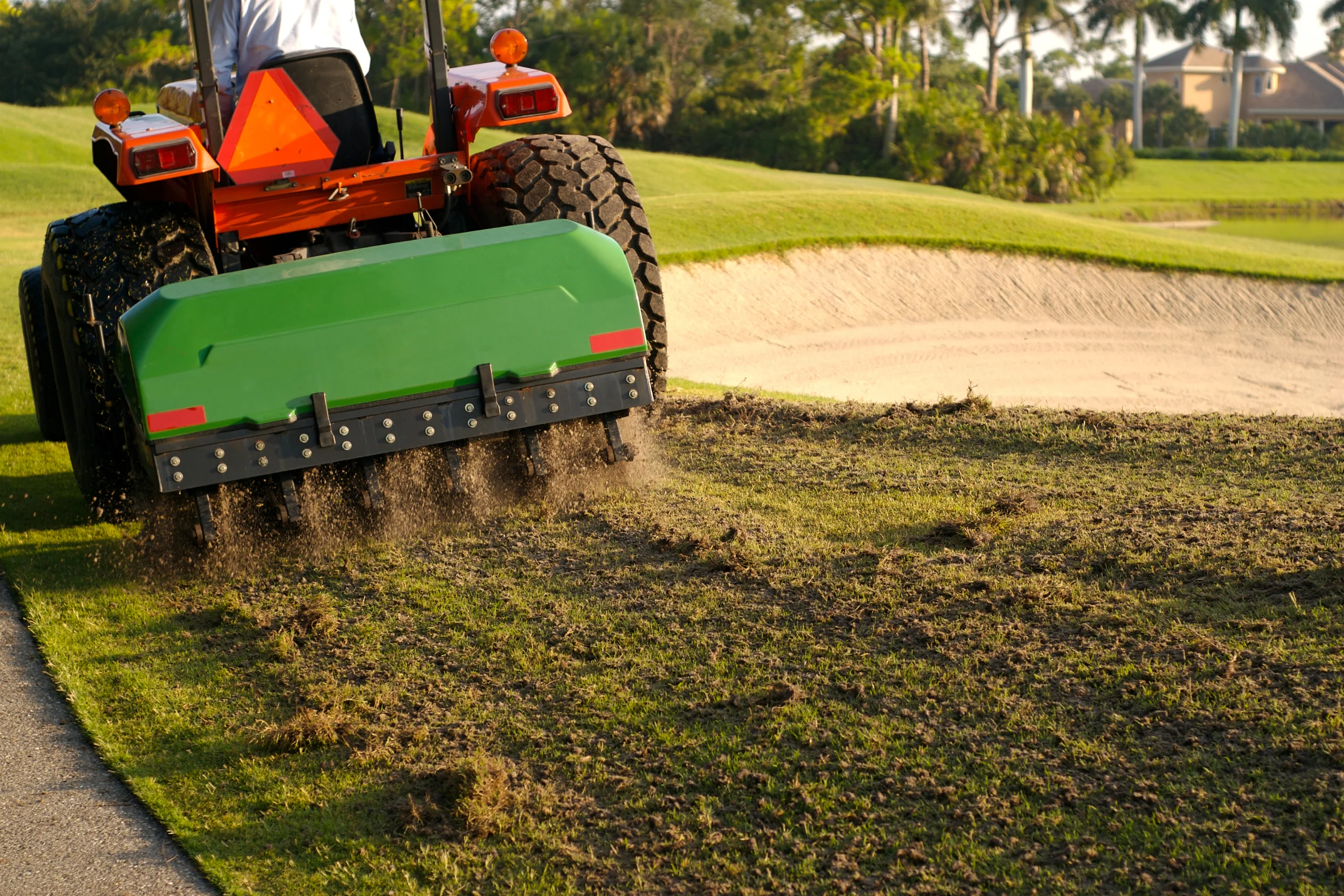
c. Aeration and Overseeding
- What it includes: Core aeration to relieve soil compaction, overseeding to thicken turf.
- Why it works: Usually performed once or twice a year, it’s a high-value add that improves turf health and can be sold to most mowing customers.
- Equipment: Aerators and seeders; startup cost is moderate and often pays for itself quickly.

2. Landscape Maintenance and Plant Care
These services keep beds, shrubs, and ornamental trees looking intentionally designed rather than “overgrown.”
a. Hedge Trimming and Pruning
- What it includes: Regular trimming of hedges and shrubs, structural pruning for shape and health.
- Why it’s profitable: Labor-based, low material costs. Clients often underestimate the time and difficulty, so they’re happy to outsource.
- Upsell: Offer quarterly or biannual pruning packages.
b. Mulching and Bed Maintenance
- What it includes: Bed cleanup, edging, fabric installation (if appropriate), mulch delivery and installation.
- Customer benefit: Instantly freshens curb appeal, suppresses weeds, moderates soil temperature.
- Business benefits: High labor value, easy to train crew, and excellent before-and-after marketing photos.
c. Planting Annuals and Seasonal Color
- What it includes: Designing and planting seasonal annual beds, containers, and entry displays.
- Client appeal: High-impact visual upgrade at key times of the year (spring, summer, fall).
- Tip: Sell seasonal color rotations on a subscription basis so you are booked each season in advance.
d. Ornamental Tree and Shrub Care
- What it includes: Fertilization, insect and disease control, deep root feeding, corrective pruning.
- Requirements: Depending on your state and the size of trees, you may need ISA-certified arborists or specific licenses, especially if you are working aloft.
3. Tree Services
Tree work can be one of the most profitable service lines, but it also carries higher risk and insurance costs.
- Examples:
- Tree removal
- Stump grinding
- Cabling and bracing
- Large tree pruning
- Pros: High demand, premium pricing, limited competition in many markets.
- Cons: Substantial equipment cost (bucket trucks, chippers), increased insurance and workers’ compensation, safety training requirements.
Many lawn care businesses start by offering basic small-tree and ornamental pruning, then partner with or refer to a dedicated tree care company for larger jobs until they are ready to invest fully.

4. Specialty Landscape and Hardscape Services
These services help transform landscapes beyond basic maintenance, often with premium pricing.
a. Landscaping Services and Renovations
- What it includes: New beds, plant selection and installation, small retaining walls, decorative rock, sod installation, simple landscape re-designs.
- Why it’s attractive: Customers frequently want to update or improve their yards; many are willing to invest more in their “outdoor rooms.”
- Approach: Start with small to medium projects where your existing crew can complete the work efficiently; scale up to more complex designs as experience grows.
b. Landscape Curbing and Edging
- What it includes: Concrete or decorative curbing, metal or stone edging.
- Business angle: This is a niche service with strong visual impact, often with less competition and good margins.
c. Water Features
- What it includes: Small ponds, fountains, waterfalls, pondless water features.
- Why it stands out: Highly visible, “wow factor” projects that distinguish your company as more than just maintenance.
- Considerations: Requires design knowledge, waterproofing skills, and ongoing service options (cleaning, winterization).
d. Outdoor Lighting
- What it includes: Low-voltage landscape lighting, path lights, accent lighting for trees and facades.
- Benefits: Enhances safety, security, and aesthetics. Lighting systems create ongoing maintenance and upgrade opportunities.

5. Seasonal and Weather-Driven Services
Seasonal services are critical to keeping cash flow strong during months when mowing slows or stops.
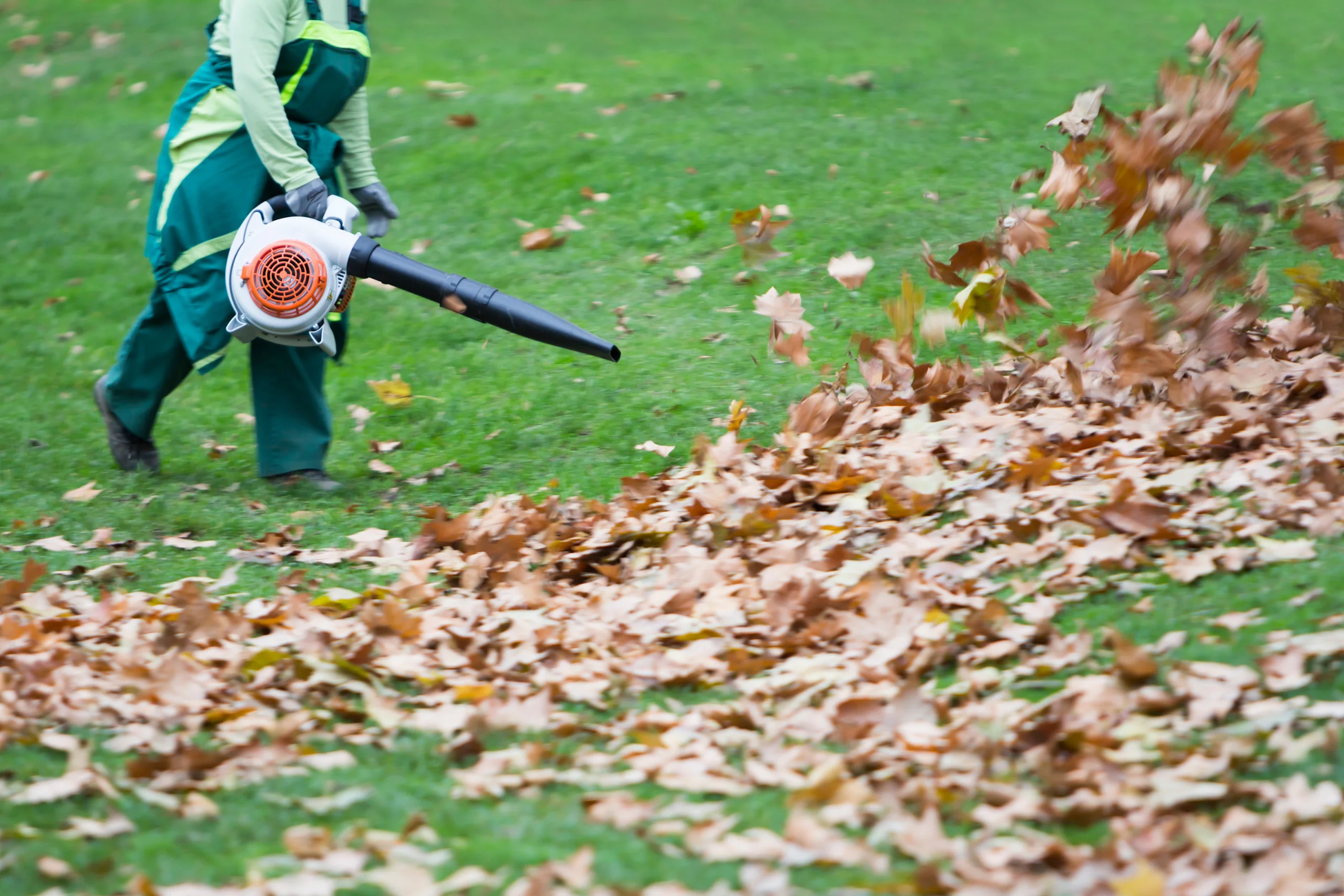
a. Fall Leaf Removal and Cleanups
- What it includes: Leaf raking, blowing, collection, and disposal; final mowing; bed cleanup.
- Why it’s valuable: Labor-intensive work that many homeowners don’t want to do themselves.
- Tip: Offer tiered packages (basic leaf removal vs. full property cleanup).
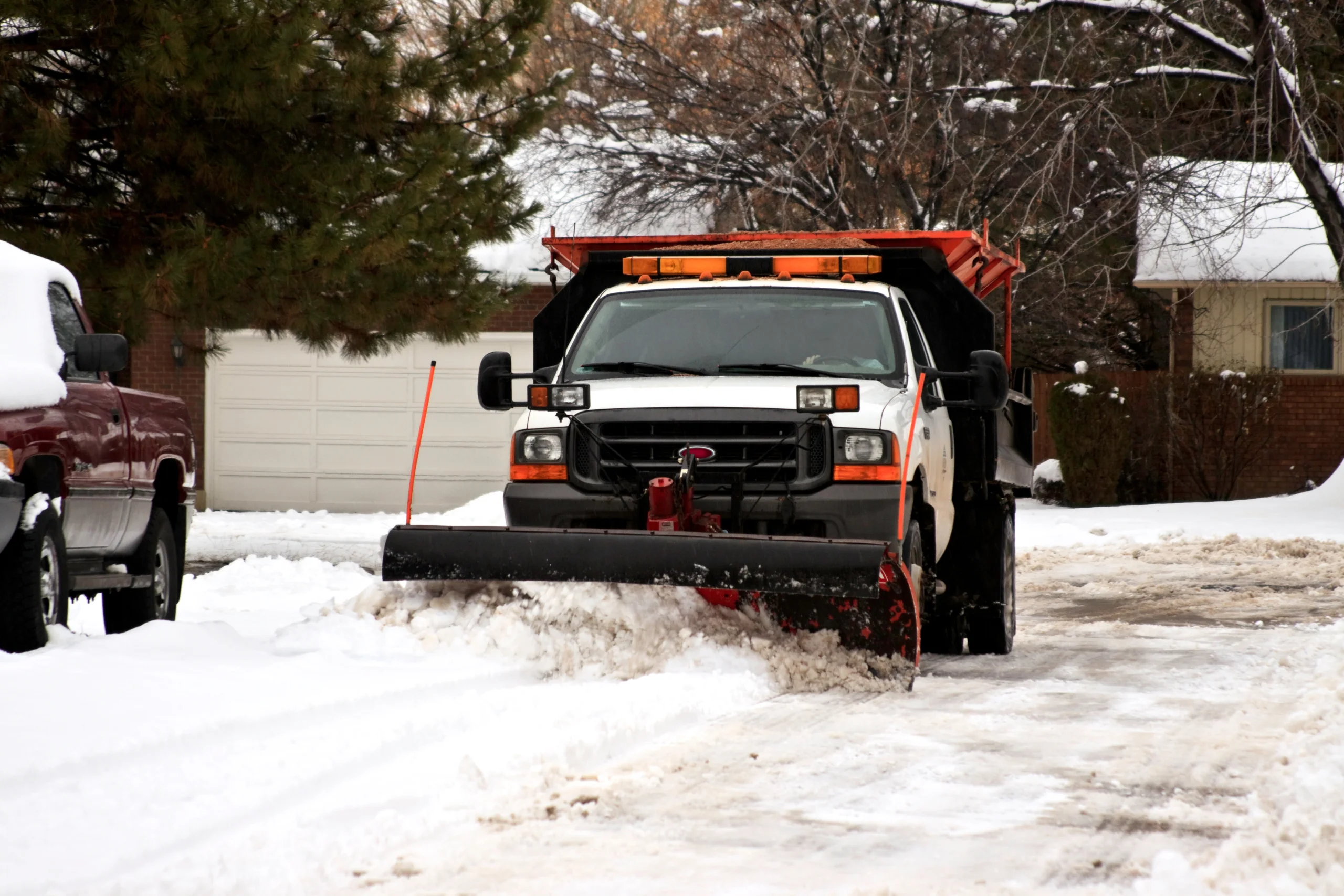
b. Snow Removal
- What it includes: Plowing driveways and parking lots, salting, shoveling sidewalks.
- Best for: Businesses in northern climates where winter can otherwise be a dead season for lawn care.
- Considerations: Requires additional equipment (plows, blowers, salt spreaders) and liability coverage for slip-and-fall risks.
c. Holiday Lighting and Decorating
- What it includes: Design, installation, maintenance, and takedown of holiday lights, wreaths, and décor.
- Customer appeal: High convenience; many homeowners and businesses prefer to outsource this entirely.
- Business advantage: Quick seasonal revenue and a reason to contact existing clients in late fall.
d. Gutter Cleaning and Roof Debris Removal
- What it includes: Cleaning leaves and debris from gutters and roof valleys.
- Caution: Involves ladder work and safety risks; ensure proper training and fall protection.

6. Interior Landscape and Specialty Pest Control
These services move beyond the yard but can leverage your plant and pest expertise.
a. Interior Landscape Services
- What it includes: Installation and maintenance of indoor plants for offices, lobbies, and residential clients.
- Why it’s interesting: Indoor plants require year-round care, creating recurring service contracts.
- Skill set: Plant knowledge plus reliable scheduling and customer service.
b. Structural Pest Control
- What it includes: Dealing with pests that invade structures (ants, roaches, rodents, termites depending on licensing).
- Regulation: Highly regulated in most states with strict licensing and insurance requirements.
- Strategic approach: Consider partnering with or acquiring a pest control company if you want to expand into this area seriously.
Comparing Add-On Services: Complexity, Seasonality, and Upsell Potential
Use the table below to quickly compare common add-ons.
| Service | Skill Level Needed | Licensing? | Seasonality | Upsell Potential |
|---|---|---|---|---|
| Fertilization & weed control | Moderate | Often required | Spring–Fall | Very high |
| Aeration & overseeding | Moderate | Sometimes | Spring & Fall | High |
| Mulching & bed maintenance | Low–Moderate | Rarely | Spring–Fall | High |
| Hedge trimming & pruning | Moderate | Sometimes | Spring–Fall (some winter) | High |
| Tree removal & large tree work | High | Often required | Year-round | Very high |
| Landscape renovations | Moderate–High | Sometimes (local) | Spring–Fall | Very high |
| Landscape curbing | Moderate | Sometimes (local) | Spring–Fall | Medium–High |
| Water features | High | Sometimes | Spring–Fall | High |
| Fall cleanups & leaf removal | Low–Moderate | Rarely | Fall | High |
| Snow removal | Moderate | Sometimes (commercial) | Winter | High |
| Holiday lighting & décor | Moderate | Rarely | Late Fall–Winter | High |
| Interior plantscaping | Moderate | Rarely | Year-round | Medium–High |
| Structural pest control | High | Usually required | Year-round | Very high |
This kind of comparison helps you prioritize which services to add first based on your crew, budget, and appetite for licensing and risk.
Financial Planning: Estimating Profitability of New Services
Before launching any new service, run simple financial projections. At minimum, estimate:
- Equipment cost (one-time and ongoing maintenance)
- Materials cost per job
- Average labor hours per job
- Expected price per job
- Realistic number of jobs per month/season
Here is a simplified example:
| Service | Equipment Cost | Material Cost/Job | Labor Hours/Job | Avg Price/Job | Est. Jobs/Season | Est. Gross Profit* |
|---|---|---|---|---|---|---|
| Mulch installation | $2,000 | $80 | 3 | $350 | 60 | ~$15,600 |
| Aeration & overseeding | $4,000 | $40 | 1.5 | $225 | 80 | ~$12,400 |
| Holiday lighting | $1,500 | $150 | 3 | $600 | 40 | ~$12,000 |
*Gross profit estimate = (Price – material cost – basic labor) × jobs, simplified. Does not include overhead or admin time.
While these are illustrative numbers, building similar tables with your own data will help you avoid launching add-ons that look “exciting” but do not actually move your bottom line.
Managing the Risks of Adding New Services
Adding services is not without risk. If not managed well, a new line of business can drain resources and distract from your core revenue.
Key risk areas:
- Unprofitable Pricing
Many owners underestimate how long a new service will take or how much overhead is involved. Start by tracking real job times and adjust pricing sooner rather than later. - Underestimating Insurance and Liability
Tree work, ladder work, chemical applications, and snow removal are all high-risk. Talk to your insurance agent before you advertise or book any new service so you understand the impact on premiums and coverage. - Insufficient Training and Safety
Rushing into a new service without training can lead to damage, injuries, or regulatory fines. Build standard operating procedures (SOPs), invest in training, and implement safety checklists. - Overextending Your Team
If you add too many services too quickly, your team may be stretched thin, leading to burnout, mistakes, and poor customer service. It is often better to master one or two add-ons before expanding further. - One-Time Services Instead of Recurring Revenue
Some add-ons are mainly one-time projects. Whenever possible, design them so they lead to recurring maintenance contracts (e.g., water feature installation plus monthly cleaning).

Step-by-Step Process for Rolling Out a New Service
Here’s a practical roadmap to add services in a controlled, profitable way:
- Conduct Customer Research
Ask your existing customers what else they wish someone would do for them. Simple email surveys or casual on-site conversations can reveal high-demand services. - Check Licensing and Regulations
Verify what is required in your state or locality for chemical applications, pest control, tree work, or construction-related services. - Run a Simple Profitability Model
Plug in your estimated equipment, material, and labor costs with realistic job counts. If the numbers do not work on paper, they will not magically improve in real life. - Start with a Limited Pilot
Offer the new service to a small group of existing customers first. This lets you iron out pricing, workflow, and quality standards before promoting it widely. - Create Clear Packages and Descriptions
Customers respond better to simple packages than to vague lists of tasks. For example:- “Premium Spring Cleanup: Bed edging, bed weeding, mulch install, and first mow.”
- “Healthy Lawn Program: 6 applications per year, including fertilization, weed control, and grub prevention.”
- Train and Equip Your Team
Ensure your crew understands how to perform the service safely and efficiently. Use checklists and job forms to reduce mistakes. - Promote to Existing Customers First
Upselling to your current mowing and maintenance clients is more cost-effective than acquiring new customers. Use email, on-invoice messages, social media, and on-site conversations. - Track and Refine
Monitor job times, profit, customer feedback, and any issues. Adjust pricing or process as needed and then scale up your marketing if the service proves profitable.
Conclusion: Build a Full-Service, Resilient Lawn and Landscape Business
Mowing will likely remain the backbone of your lawn care business, but it does not need to be your only serious revenue source. By strategically adding services such as fertilization, weed control, mulching, tree care, seasonal cleanups, snow removal, holiday décor, and even interior plantscaping, you can:
- Increase average revenue per customer
- Balance cash flow across all four seasons
- Deepen client loyalty and referrals
- Position your company as a full-service outdoor solutions provider
Start with one or two add-on services that fit your skills, budget, and customer demand. Prove they are profitable, refine your systems, and then expand from there. Over time, you will build a more stable, more profitable, and more valuable landscaping or lawn care business.

Key Takeaways
- Mowing alone usually yields the lowest margins. Treat it as the entry point to sell higher-value services.
- Add-on services can significantly increase revenue per client. Fertilization, weed control, tree work, and seasonal services are among the most profitable.
- Seasonal diversification is essential. Snow removal, fall cleanups, and holiday lighting help smooth cash flow during slower mowing months.
- Licensing, insurance, and safety matter. Many specialized services require additional credentials and protections; never skip this step.
- Start small and validate. Pilot new services with existing customers, track profitability, and refine your systems before scaling up.
Next: 10 Tips to Succeed in Lawn Care and Landscaping Business
FAQ: Additional Services for Landscaping and Lawn Care Businesses
What are the most profitable add-on services for a lawn care business?
The most profitable add-on services are typically those that combine specialized knowledge with strong customer demand and relatively low material costs. Chemical lawn care (fertilization and weed control) is often at the top of the list because it can be sold as a recurring program with predictable schedules and strong visual results for the client. Aeration, overseeding, mulching, and hedge trimming also perform well because they require more labor than materials, and many homeowners do not want to do them themselves. Tree care, outdoor lighting, and landscape renovations can be extremely profitable, but they usually demand more equipment, training, and insurance. The best approach is to start with services that your current customers are already asking about and that your team can deliver safely and efficiently.
How should I price additional landscaping services?
Pricing should be based on a combination of your direct costs, overhead, target profit margin, and the value perceived by the customer. First, calculate your material costs, labor hours (including travel and setup), and any equipment usage costs. Then, add a margin that not only covers overhead (insurance, fuel, admin time, marketing) but also leaves you with a healthy profit. Avoid simply matching competitors’ prices without understanding your own costs. A good practice is to track how long jobs actually take over time and adjust pricing accordingly. Consider offering clear, packaged prices for common services like “spring cleanup” or “mulch install up to X yards,” while using detailed estimates for more complex projects such as landscape renovations or water features.
Do I need special licenses or certifications for chemical lawn care and pest control?
In most states, you do need special licenses or certifications to legally apply pesticides, herbicides, and certain fertilizers for hire. This often includes passing exams, maintaining continuing education credits, and keeping accurate application records. Structural pest control (inside homes and buildings) is usually even more tightly regulated. Before you advertise or perform any chemical lawn care or pest control, contact your state’s Department of Agriculture or equivalent regulatory agency to learn the specific requirements. You may also need to update your insurance policies to cover the additional risks. While licensing takes time and effort, it can also raise your credibility and marketability, allowing you to charge professional rates for highly valued services.
How can a solo operator or small crew add services without being overwhelmed?
If you are a solo operator or run a very small team, the key is focus. Start with one or two add-on services that are easy to integrate into your existing schedule and do not require significant new equipment or licensing. Mulching, hedge trimming, simple plantings, and seasonal cleanups are often good starting points. Build these services into your route planning so you can upsell them to existing mowing clients on the same visit or the same week. Use checklists to stay organized and avoid over-promising during your busy season. As you grow revenue, reinvest in systems (like scheduling software) and, when feasible, hire help to expand your capacity. It is better to be known for doing a few services exceptionally well than to struggle across too many offerings.
What is the best way to market new services to my existing and potential customers?
Your current customers are your easiest and most cost-effective marketing channel. Start by sending a simple email or postcard announcing your new services and explaining the benefits in customer-friendly language (“thicker, greener lawn,” “no more weekend spent raking leaves,” “beautiful holiday lights without climbing a ladder”). Add a short description of the new service to your invoices and ask your crew to mention it during site visits. Use before-and-after photos on your website, Google Business Profile, and social media to show results visually. You can also offer time-limited promotions or bundle discounts, such as a reduced price for adding fertilization to a mowing contract or a small discount on holiday lighting for existing customers. Over time, positive reviews and word-of-mouth will become powerful drivers of new business.
Recommended Books on How to Succeed in Lawn Care and Landscaping Business:
- Start Your Own Lawn Care or Landscaping Business (StartUp Series)
- The Lawnpreneur Blueprint: Start a Profitable Lawncare Business from Scratch — Even With No Money, Experience, or Equipment
- The Lawn Bible: How to Keep It Green, Groomed, and Growing Every Season of the Year


Article was originally publishjed on June 29, 2014 and updated on November 25, 2025