

An empty garage, shed, barn, or spare building could be more than unused storage space. Discover five practical ways to turn unused space in your existing property into a source of income, along with the costs, regulations, and planning considerations to address before getting started.
Key takeaways
- Unused space, such as garages, sheds, barns, and other buildings, can support businesses without a separate commercial lease.
- Renting storage space may offer additional income with less day-to-day involvement than running a retail or service business.
- Workshops and small manufacturing businesses can make use of existing space, provided it meets safety and operational requirements.
- E-commerce businesses can use garages and outbuildings to store inventory, pack orders, and manage shipping.
- Studios and home offices can accommodate freelance, creative, consulting, and tutoring services.
- Before investing, evaluate local demand, startup expenses, zoning restrictions, insurance, and potential profitability.
Is a vacant building taking up space on your property? That empty garage, shed, barn, or other unused structure could become more than a place to store things you rarely use. With the right business idea, it could provide additional income or give you an affordable place to start a small business.
Using unused space you already own can help reduce the expense of renting a separate commercial property. However, not every business is suitable for every location. Before getting started, consider your available space, local demand, budget, and skills. As PowerHomeBiz explains in its guide to starting a small business with limited capital, testing demand and controlling startup expenses can help you avoid unnecessary financial risks.
Here are five practical ways to turn unused space into a business opportunity.
Table of Contents

1. Rent Out Space for Storage
Renting out unused space for storage is one of the most straightforward ways to generate additional income from an existing building. If you have an empty garage, shed, or other enclosed structure, you may be able to rent it out with relatively few improvements, depending on its condition and local requirements. It’s a practical way to earn additional income without necessarily running a full-time business.
People and small businesses often need extra space for belongings and inventory. When they don’t have enough room at home or at their business location, renting nearby storage space may be a convenient alternative.
What Can You Store?
It depends on the building’s size and local rules. You could use the space for:
- Household furniture and seasonal decorations
- Bicycles, outdoor equipment, and gardening tools
- Business inventory and packaging supplies
- Non-hazardous tools and equipment
- Sports and recreational gear
How to Get Started
Begin by assessing whether your space is dry, secure, and accessible for the items you want to store. Suitable locks, lighting, and protection from moisture can help make the space more appealing to potential renters. Research local storage rates and demand before deciding how much to charge. You should also determine whether renting the entire building to one customer or offering separate storage areas makes more sense.
Before accepting renters, check whether your property can legally be used for commercial storage and whether your insurance provides appropriate coverage. Local zoning rules can affect how residential properties and accessory buildings are used. PowerHomeBiz’s guide to business licenses for home-based businesses explains why these requirements should be checked before starting.
Why this works: Renting storage space may require less daily involvement than operating a retail or service business, particularly when customers rent for extended periods.
2. Start a Workshop or Small Manufacturing Business
If you enjoy making, repairing, or assembling products, an unused building could provide the space you need to start a workshop. You can begin with a small operation to test demand before investing in more equipment. Just make sure the building has enough room for the tools, materials, and activities involved in running your business.
A workshop can be particularly useful if you want to produce items for local customers without paying for a separate commercial workspace.
Business Ideas for Metal Buildings
Not all business ideas are suitable for unused space near homes, especially those involving noise, dust, fumes, or heavy equipment. However, depending on your skills and the property’s location, you could consider:
- Woodworking: Make furniture, shelves, cabinets, or decorative items.
- Metal fabrication: Produce gates, brackets, railings, and other metal products if you have the required skills and safety equipment.
- Furniture restoration: Repair and refinish tables, chairs, and other furniture.
- Product assembly: Assemble components or package products for local businesses.
- Craft production: Create handmade goods, signs, and customized products.
If your existing structure is too small or unsuitable for your planned operations, you may eventually need a larger workspace. Purpose-built metal buildings for business can provide open floor space that can be configured for production, equipment, inventory, and other commercial activities, subject to applicable building requirements.
What Should You Check First?
Before setting up a workshop, check the building’s electrical capacity, ventilation, lighting, floor strength, and fire safety requirements. Some activities may also require waste disposal arrangements, additional permits, or modifications to meet local building codes.
The U.S. Small Business Administration’s guidance on business licenses and permits is a useful starting point for understanding the approvals your business may need.
It also makes sense to begin with a limited product range rather than purchasing expensive machinery immediately. This allows you to test whether customers are willing to pay enough to cover materials, labor, utilities, and other operating expenses. Once you understand the demand and costs, you can decide whether expanding the workshop is worthwhile.
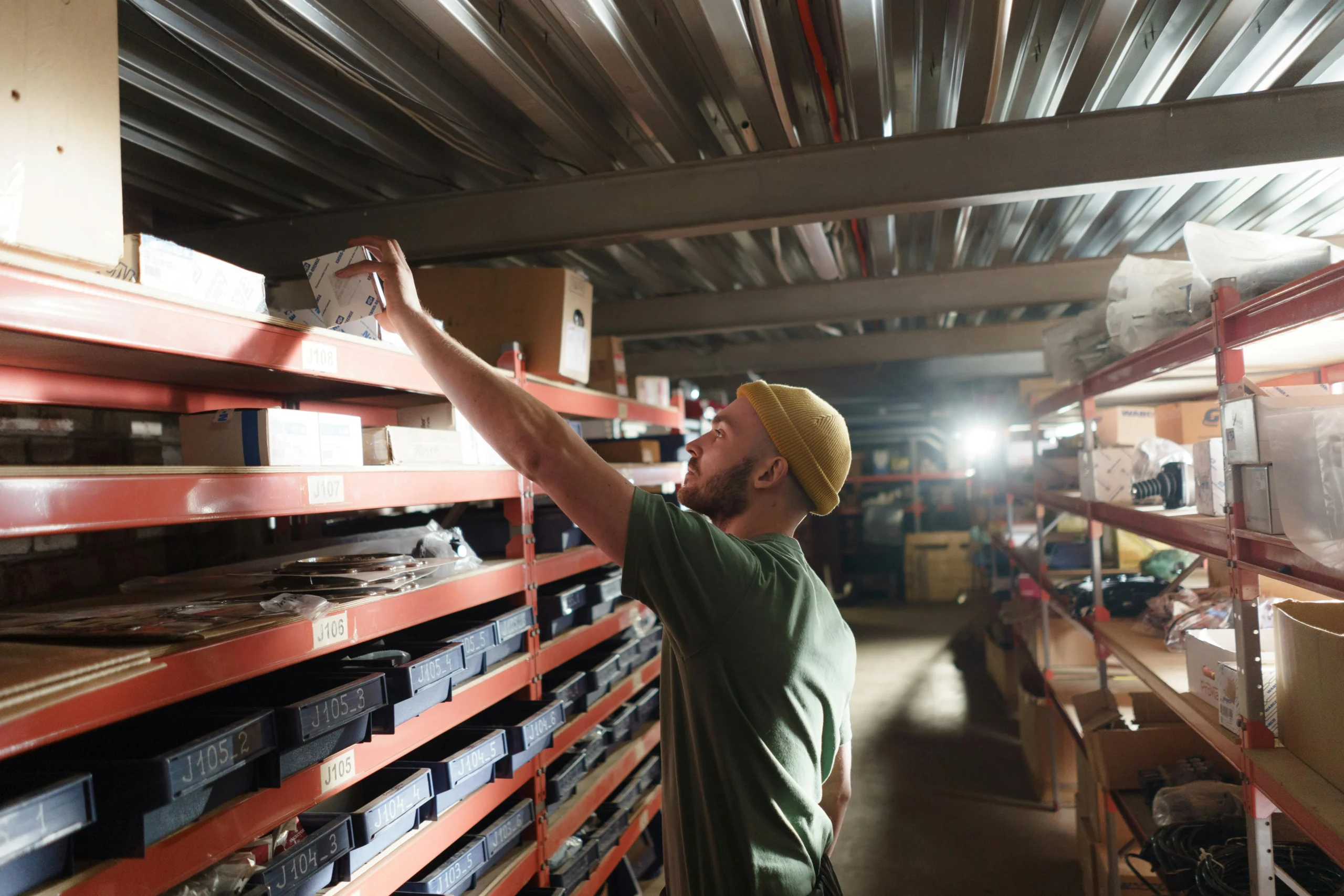
3. Create an E-Commerce Storage and Fulfillment Space
If you want to sell products online but can’t afford storage space, an empty garage, barn, or shed may be a practical solution. You don’t necessarily need a traditional storefront to operate an e-commerce business. A suitable private workspace can store inventory, prepare orders, manage packaging, and arrange shipments.
This setup can be especially helpful for small online sellers who aren’t ready to rent warehouse space or outsource fulfillment.
What Can You Sell?
Some products require special storage conditions, additional protection, or more space than a small building can provide. However, many relatively easy-to-store products may be suitable for a home-based fulfillment operation, including:
- Home organization products
- Stationery and office supplies
- Handmade products
- Clothing and accessories
- Hobby and craft supplies
Avoid choosing products simply because they are popular. Research competitors, check customer reviews, and calculate your expected profit margins before purchasing inventory. PowerHomeBiz’s article on how to know if your business idea will make money offers additional guidance on evaluating demand and profitability before making a large investment.
Set Up an Efficient Workspace
For an efficient workspace, divide the building into areas for receiving stock, storing products, packing orders, and preparing shipments. The layout will depend on the size of your building and the products you sell. Shelves, labeled containers, and an organized inventory system can make it easier to find products and fulfill orders accurately.
If you use a computer, printer, or inventory management software, make sure your workspace has reliable electricity, internet access, and adequate security. You should also track your expenses carefully, including product costs, platform fees, packaging, shipping, returns, and marketing.
4. Convert Unused Space Into a Studio or Office
Not every business requires a workshop or inventory storage. If you have a quiet room, garage, or backyard shed, you could convert it into a studio or office for freelance work, creative projects, or professional services.
Having a dedicated workspace separate from your living area can make it easier to concentrate and maintain a regular work schedule. Depending on the type of business and local regulations, you may also be able to meet clients or provide appointments without renting a separate office.
Which Businesses Can You Run?
You could consider using the space for:
- Freelance services: Writing, graphic design, web development, or digital marketing.
- Photography: Product photography, portraits, or content creation.
- Tutoring: Individual lessons or small educational sessions.
- Consulting: Business, career, or professional services.
- Creative work: Art, illustration, sewing, or other crafts.
If you are considering a service-based business, PowerHomeBiz’s guide on how to start and run a successful service business explains the importance of choosing a niche, setting appropriate prices, and building reliable customer relationships.
Make the Space Business-Ready
Before using the space, think about what your work requires. A freelance writer may need little more than a desk, reliable internet, and good lighting, while a photography studio may require controlled lighting, backdrops, and secure equipment storage. If customers will visit, accessibility, parking, restrooms, and local occupancy requirements may also need consideration.
There may also be tax implications. The IRS guidelines on business use of your home explain when qualifying home offices and separate structures, such as studios, workshops, garages, or barns, may be eligible for business expense deductions. The requirements depend on how the space is used and other applicable tax rules.

5. Offer Equipment Rental or a Specialized Local Service
Another option is to use your available space to store equipment that you rent to customers or use to provide services in your area. This can work particularly well when people need certain tools or equipment occasionally but don’t want to purchase or store them.
Before getting started, research what customers in your area actually need. Local demand, competition, equipment costs, and maintenance requirements will all influence whether the business is financially worthwhile.
Equipment Rental Ideas
Some possibilities include:
- Gardening and lawn care equipment
- Event tables, chairs, and decorations
- Photography equipment
- Cleaning equipment
- Non-specialized tools suitable for rental
Plan Before Buying Equipment
Research what people in your area regularly rent or need repaired. Speak with potential customers, compare local competitors, and find out what rental rates the market can support before purchasing equipment. This can help you avoid spending money on items that customers rarely need.
Create a budget that includes equipment purchases, maintenance, insurance, storage, transportation, and replacement costs. For rental businesses, use clear written agreements covering rental periods, deposits, damage, late returns, and other important terms. You should also consider how equipment will be inspected and maintained between rentals.
Start with a small selection of equipment and expand only when customer demand justifies the additional investment.
How to Choose the Right Business for Your Space
Each of these five business ideas offers different opportunities, costs, and responsibilities. The right choice depends on the type of space you have, the investment required, and the amount of time you can commit to operating the business.
Before committing, answer these questions:
- Is there enough local demand for this business?
- What will setup and monthly operating costs be?
- Do I have the skills and time to manage it?
- Does my property meet zoning, safety, and insurance requirements?
- How long might it take to recover my initial investment?
You don’t need a complicated business plan to begin evaluating an idea, but you should understand your expected expenses, potential revenue, and target customers. PowerHomeBiz’s guide to starting a small business from home can help you work through these decisions before launching.
Wrapping Up
Building or renting a new commercial space can be expensive, especially when you’re just starting a business. If you already have an unused garage, shed, barn, or other structure, making better use of that space could be a more affordable starting point.
Whether you choose storage rentals, a small workshop, an online fulfillment operation, a studio, or an equipment rental business, the most important step is finding a genuine customer need. Compare startup costs, ongoing expenses, local regulations, and potential demand before making a major investment.
Start with what you have, make improvements where they’re needed, and test your idea on a manageable scale. With careful planning, an unused space could become a valuable part of your business.

Frequently Asked Questions
Can I run a business from my garage or shed?
Yes, many businesses can operate from garages, sheds, and other buildings on residential property. However, local zoning regulations, business licensing requirements, building codes, and homeowners association rules may restrict certain activities. Check with your local government before making significant changes to the property.
What is the cheapest business to start in unused space?
A home office for freelance or consulting work may require relatively little investment if you already have the necessary equipment. Renting out storage space can also have modest startup costs when the building is already secure, weatherproof, and suitable for commercial storage.
Can I rent out my garage for storage?
You may be able to rent your garage to individuals or businesses that need additional storage. Before doing so, check local property-use regulations, insurance coverage, and any restrictions imposed by your mortgage, lease, or homeowners association. A written rental agreement can help clarify responsibilities.
Are metal buildings suitable for small businesses?
Metal buildings can accommodate workshops, inventory storage, equipment rentals, and other business activities. Their suitability depends on factors such as building dimensions, insulation, ventilation, electrical systems, and applicable safety requirements.
Can I deduct the cost of converting unused space into a home office?
Certain business-related expenses may qualify for tax deductions if the space meets IRS requirements. Eligibility depends on factors such as the nature of the business, how the space is used, and whether the expenses are repairs, operating costs, or capital improvements.
