

Starting a Home-Based Business: Common Questions Answered — Question 3
This article is part of the PowerHomeBiz series Starting a Home-Based Business: Common Questions Answered, where we tackle the practical questions aspiring entrepreneurs should answer before starting a business from home.
Series Home: Starting a Home-Based Business: 11 Common Questions Answered
Previous: How Much Money Do You Need to Start a Home-Based Business?
Next: Should You Form an LLC for a Home-Based Business?
Key Takeaways
- A home-based business may need licenses, permits, registrations, or zoning approval, but the exact requirements depend on your location and the type of business you operate.
- There is no single federal “home business license” that every entrepreneur must obtain.
- State, county, and city governments may impose different requirements, including general business licenses, home occupation permits, professional licenses, health permits, seller’s permits, and zoning approvals.
- An LLC, DBA, EIN, business license, and home occupation permit are different things. Obtaining one does not necessarily satisfy the others.
- Even an online business with no customers visiting the home may still have registration, tax, licensing, or industry-specific obligations.
- Businesses involving food, childcare, construction, personal care, professional services, or regulated products often face additional requirements.
- Check zoning rules before purchasing equipment, storing inventory, installing signs, receiving customers, or making significant changes to your home.
- Licensing is not a one-time task. Some licenses and permits must be renewed periodically.
Table of Contents

Do You Need a Business License If You Work From Home?
Possibly.
The fact that you operate from a spare bedroom, basement, garage, kitchen table, or home office does not automatically exempt your business from the laws that apply to other businesses.
At the same time, there is no universal rule requiring every person who earns money from home to obtain the same type of business license.
The requirements depend on several factors:
- Where you live
- What type of business you operate
- Whether customers visit your home
- Whether you have employees
- Whether you sell taxable products or services
- Whether you prepare food
- Whether your profession is regulated
- Whether you store inventory or hazardous materials
- Whether the business creates traffic, noise, odors, signage, or parking issues
- How your business is legally structured
The U.S. Small Business Administration explains that business license and permit requirements vary according to business activity, location, and government rules, and that entrepreneurs may need to research requirements at the federal, state, county, and city levels.
PowerHomeBiz provides a broader overview in Licenses and Permits for Your Home Business and our guide on How to Get a Business License.
The important lesson is not to assume either that you definitely need a license or that you definitely do not.
Find out what applies to your specific business before you begin operating.
Business License, LLC, DBA, EIN: What Is the Difference?
Business licensing can become confusing because several very different registrations, permits, and legal requirements are often discussed as though they were interchangeable. They are not. Forming an LLC, registering a business name, obtaining an EIN, and securing permission to operate from your home all serve different purposes, and depending on your business, you may need several of them at the same time.
Here is a simplified overview:
| Requirement | What It Generally Does | Is It the Same as a Business License? |
|---|---|---|
| Business license | Gives a business permission to conduct certain activities within a state, county, city, or other jurisdiction | Yes |
| Home occupation permit | Allows qualifying business activity to take place at a residential property, subject to local zoning or land-use rules | No |
| LLC registration | Creates a limited liability company under state law and establishes the business as a separate legal entity | No |
| DBA / fictitious name registration | Registers a trade name that differs from the owner’s legal name or, in some cases, the business entity’s registered name | No |
| EIN | Provides a federal taxpayer identification number issued by the IRS for certain tax, banking, payroll, and reporting purposes | No |
| Seller’s permit / sales tax registration | Registers a business to collect and remit sales tax when required by state or local law | No |
| Professional license | Authorizes an individual or business to perform work in a regulated profession or occupation | No |
| Health permit | May be required for certain food, childcare, personal-care, health-related, or sanitation-sensitive activities | No |
| Building or fire permit | Addresses building safety, occupancy, fire protection, renovations, or other property-use requirements | No |
The important point is that one registration rarely substitutes for another. For example, forming an LLC with your state does not automatically give you permission to operate in your city or county. You could have a properly registered LLC and still need a local business license, zoning approval, or home occupation permit before legally conducting business from your residence.
The same is true of an EIN. An EIN is primarily a federal tax identification number; it is not a license to operate. A home-based business could obtain an EIN from the IRS and still need local permits, sales-tax registration, or professional licensing depending on what it sells and where it operates.
A DBA works differently as well. Registering a fictitious or assumed business name may give you the right to use that name under applicable state or local rules, but it does not create an LLC, provide liability protection, or replace occupational licensing. A photographer operating under a DBA, for example, may still need a local business license, while a home-based cosmetology or food business could face additional professional, health, or zoning requirements.
Conversely, not every home-based entrepreneur will need every item in the table. A very small sole proprietor providing an unregulated service may have relatively few registration requirements, while a home-based food producer, childcare provider, contractor, retailer, or personal-care business may need several layers of approval.
This is why it is helpful to think of business compliance in separate categories:
- Business structure: sole proprietorship, LLC, corporation, or partnership
- Business identity: DBA, fictitious name, or assumed-name registration
- Tax identification and collection: EIN, sales-tax registration, and other tax accounts
- Permission to operate: business licenses, home occupation permits, and zoning approvals
- Industry-specific regulation: professional, health, fire, building, or other specialized permits
The SBA explains that LLCs, corporations, partnerships, and nonprofit entities commonly have state registration requirements, while counties and municipalities may impose separate licensing, permitting, zoning, and business-name requirements. As a result, entrepreneurs often need to check more than one level of government before assuming they are fully compliant.
The practical takeaway is simple: forming a business entity is not the same as obtaining permission to operate that business. Treat structure, tax registration, business naming, local licensing, and industry-specific permits as separate compliance questions and verify each one individually.
We will examine business structures in more detail in Question 4 of this series: Should You Form an LLC for a Home-Based Business?

Start With Your City or County
For many home-based businesses, the most important licensing and zoning requirements are not federal or even statewide—they are local. Your city, township, municipality, or county may determine whether a particular type of business can legally operate from a residential property and what restrictions apply once it does.
Local governments often regulate activities that can affect a neighborhood, including customer traffic, employee presence, parking, deliveries, exterior signage, noise, storage of inventory or materials, and the use of garages or accessory buildings. A business that seems perfectly suitable for a home office may therefore face different rules from one that receives clients, stores products, operates equipment, or generates frequent deliveries.
The SBA advises home-based entrepreneurs to check local zoning requirements because zoning and land-use rules are generally administered at the local level. Operating from home may reduce many of the costs associated with commercial space, but it does not automatically exempt a business from residential zoning, licensing, or permitting requirements.
A practical place to begin is with the websites for both your city or municipality and your county. Search for terms such as:
- Business license
- Home-based business
- Home occupation
- Home occupation permit
- Zoning
- Planning department
- Business registration
- Permits
- Starting a business
Do not assume that finding no obvious “home business license” page means there are no requirements. Some jurisdictions address home businesses under zoning ordinances, land-use regulations, tax registration, or a general business licensing program rather than under a page specifically labeled for home-based businesses.
It is also important to check both city and county requirements where applicable. Depending on where you live, one government may handle business licensing while another oversees zoning, property use, health regulations, or other permits. Entrepreneurs living in unincorporated areas may deal primarily with the county rather than a city government.
When the information online is unclear, contact the local business licensing, planning, or zoning office directly. Describe the type of business you intend to operate, whether customers or employees will come to the property, whether you will store inventory, and whether the business will involve deliveries, signage, equipment, or alterations to the home. Those details can affect which rules apply.
PowerHomeBiz’s 21 Steps to Starting a Home Business similarly recommends checking local zoning and licensing requirements before beginning operations. Doing this early can help you avoid investing in equipment, inventory, renovations, or marketing for a business that later runs into restrictions on how the property can be used.
The key lesson is that “home-based” does not mean “unregulated.” Before assuming you are free to operate, verify what your local government permits at your specific property and whether any business license, home occupation approval, zoning clearance, or other registration is required.
What Is a Home Occupation Permit?
Some cities and counties regulate businesses operated from residential property through a home occupation permit, home business permit, zoning clearance, or a similarly named approval. The terminology varies by jurisdiction, but the basic purpose is usually the same: to determine whether a proposed business can operate from a home without substantially changing the residential character of the property or surrounding neighborhood.
A home occupation permit is therefore different from a general business license. A business license may authorize you to conduct business within a jurisdiction, while a home occupation approval focuses specifically on whether and how that business may operate from a residential location. Depending on local rules, you may need one, both, or neither.
When reviewing a home-based business, local officials may consider factors such as:
- How many customers or clients will visit the property
- How frequently customers will come and go
- Whether employees who do not live in the home will work on-site
- The amount of parking the business may require
- Delivery and pickup traffic
- Commercial or business vehicles
- Exterior signs or advertising
- Noise, vibration, or odors
- Outdoor storage
- Machinery or specialized equipment
- The amount and type of inventory stored at the property
- Changes to the exterior appearance of the home
- Hours of operation
- The percentage of the residence devoted to business use
The underlying concern is usually neighborhood impact. A freelance writer, consultant, virtual assistant, or graphic designer working quietly from a computer may create little or no visible difference from ordinary residential activity. By contrast, an auto-repair business with vehicles arriving throughout the day, a business receiving frequent customer traffic, or an operation using noisy equipment or storing substantial inventory could create parking, safety, noise, or land-use concerns.
For this reason, many jurisdictions distinguish between different types or levels of home-business activity. Some low-impact businesses may be permitted automatically or require only a simple registration, while businesses with customer visits, employees, inventory, equipment, or other potentially disruptive activities may face additional conditions or review.
Local rules can also place specific limits on how the business operates. A municipality might restrict the number of customer visits per day, prohibit outdoor storage, limit signage, cap the percentage of the home used for business purposes, or prohibit certain commercial activities entirely in residential zones. These restrictions can apply even when the business itself is otherwise legal.
Before applying, describe your proposed operation as accurately as possible. Think beyond the type of business and consider how the business will actually function at the property: Will customers visit? Will packages arrive daily? Will you store products? Will anyone outside your household work there? Will you use specialized equipment? Those operational details are often what determine whether a home occupation permit is required.
PowerHomeBiz discusses these issues in more detail in Licenses and Permits for Your Home Business, including the importance of checking both licensing and zoning requirements before beginning operations from home.
The key point is that local governments are usually less concerned with the fact that you earn money from home than with how the business affects the property and surrounding neighborhood. The quieter and less visible the operation, the simpler the approval process may be—but you should still verify the rules rather than assume your business is exempt.

Zoning Can Matter Even When You Don’t Need a Traditional Business License
Do not treat “Do I need a business license?” as the only legal question.
You might discover that your type of business does not require a particular general license but that local zoning rules still restrict how you may operate it from your house.
For example, local rules could potentially limit:
- Customer visits
- Employees working at the property
- Outdoor signs
- Commercial vehicles
- Deliveries
- Storage
- Noise-producing equipment
- Exterior alterations
- Parking
- Retail sales from the premises
The SBA explains that zoning ordinances can restrict or prohibit particular business uses and specifically recommends checking with the local planning department when operating from physical property, including a home.
This is especially important before buying expensive equipment or modifying your property.
Imagine spending thousands of dollars converting your garage into a workshop only to discover that your local zoning rules prohibit the type of customer traffic or commercial activity your business requires.
Research first. Spend second.
What If Your Business Is Completely Online?
One of the most common misconceptions among home-based entrepreneurs is that a business operating entirely online is automatically exempt from licensing, permitting, or registration requirements. It is easy to assume that if customers never visit your home and all transactions take place through a website, email, social media, or an online marketplace, local and state rules do not apply.
In reality, an online business may face fewer zoning and neighborhood-impact concerns, particularly if there are no customer visits, employees working on-site, frequent deliveries, inventory storage, specialized equipment, signage, or other visible business activity at the residence. But “online” does not mean “unregulated.” The legal requirements generally depend more on what the business does, where it is located, where its customers are located, and what it sells than on whether transactions happen over the internet.
Depending on the nature of the business and the laws that apply in your jurisdiction, an online entrepreneur may still need to consider:
- State business registration
- Local business licenses
- DBA or fictitious-name registration
- State tax registration
- Sales tax collection and remittance
- Professional or occupational licensing
- Industry-specific regulations
- Federal requirements
- Marketplace or platform rules
The type of activity matters enormously. A freelance graphic designer serving clients remotely may have relatively simple compliance requirements compared with a home-based entrepreneur selling prepared foods, cosmetics, financial services, alcohol, health-related products, or other regulated goods and services online. Even though both businesses use the internet to reach customers, the underlying legal and regulatory obligations can be very different.
E-commerce businesses should also remember that selling across state lines can introduce additional considerations. Depending on the volume and location of sales, a business may need to evaluate sales tax obligations, state registrations, consumer-protection rules, shipping restrictions, or product-specific requirements beyond those imposed in the business owner’s home state.
Online marketplaces do not necessarily eliminate these responsibilities either. Platforms may collect or remit certain taxes, impose their own seller requirements, or restrict particular products, but using a marketplace does not automatically satisfy every licensing or regulatory obligation that may apply to the underlying business.
The best way to evaluate an online business is therefore to start with the activity itself rather than the sales channel. Ask what you are selling, whether the activity is regulated, whether inventory or equipment will be kept at home, where customers are located, and whether state or local registrations apply.
The key principle is simple: start with what you do, not simply where you find your customers. An online business may be easier to operate from home, but it should still be evaluated under the same basic licensing, tax, zoning, and industry-specific rules that apply to any other business.

Does Every Business Need an EIN?
Not every home-based business is required to have an Employer Identification Number, or EIN. An EIN is a federal tax identification number issued by the IRS and is used to identify certain businesses for tax and reporting purposes. It is important to understand that an EIN is not a business license and does not give you permission to operate a business.
Whether you need an EIN depends largely on how your business is structured and how it operates. The IRS requires EINs in a variety of situations, including for many businesses with employees and for certain corporations, partnerships, trusts, estates, and other entities or tax arrangements.
A sole proprietor with no employees may not always need an EIN for federal tax purposes and may instead use the owner’s Social Security number. However, even when an EIN is not legally required, a business owner may still choose to obtain one for practical reasons. Banks may request an EIN when opening certain business accounts, states may require one for tax registrations, and using an EIN can reduce the need to provide your Social Security number on some business documents.
If you are forming an LLC, corporation, partnership, or another state-registered entity, the IRS advises completing the state formation process before applying for the EIN. This helps ensure that the legal name and other identifying information on the EIN application match the entity’s official state records.
You can obtain an EIN directly from the IRS at no charge. Be cautious of third-party websites that charge fees simply to submit an EIN application on your behalf when the federal application itself is free.
Most importantly, do not confuse receiving an EIN with completing your licensing requirements. An EIN identifies the business for federal tax and related purposes, while business licenses, home occupation permits, professional licenses, sales tax registrations, and other approvals address entirely different legal obligations.
Think of the EIN as one piece of the compliance puzzle. It helps identify your business to tax authorities, but it does not authorize the business to operate.
What About Selling Products and Sales Tax?
If you sell physical products—or certain taxable services depending on the state—you may have additional state tax registration responsibilities.
Sales-tax rules vary considerably from state to state, so this is another area where generic internet advice can cause problems.
Your state department of revenue, taxation, or treasury should be one of your first stops when researching the requirements that apply to your particular product or service.
This becomes even more important if you sell online to customers in multiple states because state sales-tax obligations can involve issues beyond simply where your home business is located.
Do not assume that collecting payments through Etsy, Amazon, Shopify, eBay, Stripe, PayPal, or another platform automatically handles every tax obligation your business may have.
Some Home Businesses Face Much More Regulation Than Others
The type of business matters enormously.
A freelance copywriter and a home daycare provider are both home-based entrepreneurs, but their regulatory obligations are unlikely to look alike.
Here are several categories where additional research is particularly important.
Home Food Businesses
A home bakery, catering business, candy maker, meal-prep company, or other food operation may be subject to state and local food-safety rules, cottage-food laws, health department requirements, labeling rules, and restrictions on what foods can be produced at home.
The FDA advises people starting home-based food businesses to investigate both federal requirements and the rules of their state and local health departments. Although a private residence meeting the applicable definition generally is not required to register with FDA as a food facility, that does not eliminate state and local requirements.
FDA also maintains information about state retail and food-service codes and regulatory agencies.
Before investing in commercial mixers, ovens, refrigeration, packaging, or inventory, determine what you can legally produce in your home kitchen.
PowerHomeBiz’s guide to starting a personal chef business also discusses licenses, permits, food preparation, insurance, and cottage-food considerations.
Home Daycare
Providing childcare from your home can trigger state licensing and safety requirements based on factors such as the number of children, their relationship to the provider, and the type or frequency of care.
ChildCare.gov explains that licensing rules for family child-care homes vary by state and territory. Some circumstances may qualify for a legal exemption, while other providers must be licensed and satisfy requirements involving health, safety, training, supervision, and background checks.
Do not rely on another daycare owner’s experience or assume that caring for children in your home automatically makes the operation informal.
Check your state’s actual childcare regulations.

Contractors and Handyman Businesses
Contractor licensing can depend on the state, trade, project size, and type of work performed.
Electrical, plumbing, HVAC, roofing, structural work, and other specialized activities can carry licensing or permitting requirements that do not necessarily apply to minor household repairs.
PowerHomeBiz’s updated guide on how to succeed in the handyman business discusses why contractors need to understand the specific licensing, permit, insurance, and tax rules that apply where they work.
Remember that your office may be in your home while the regulated activity occurs at the customer’s property.
Being home-based does not eliminate professional requirements.
Personal and Professional Services
Depending on your state, occupations involving cosmetology, massage, accounting, healthcare, legal services, real estate, insurance, financial services, childcare, construction, or other regulated fields may require professional or occupational licensing.
The business may therefore have multiple layers of compliance:
Your profession may require a license.
Your business entity may require registration.
Your city may have business requirements.
Your home may be subject to zoning rules.
Treat each as a separate question.
Are Any Businesses Federally Licensed?
Most ordinary home businesses will not need a federal business license simply because they operate from home.
However, certain activities are federally regulated.
The SBA identifies federally regulated activities involving areas such as agriculture, alcoholic beverages, aviation, firearms and explosives, fish and wildlife, commercial fisheries, maritime transportation, mining and drilling, nuclear energy, radio and television broadcasting, and transportation.
If your business falls into a federally regulated category, check directly with the applicable federal agency.
Do not assume a state or city license automatically satisfies a federal requirement.
What If You Rent Your Home?
Government licensing and zoning rules are not the only restrictions that can affect a home-based business. If you rent your home, your lease may impose its own limits on business activity even when local law would otherwise allow you to operate from the property.
Before launching, review your lease carefully for provisions related to commercial use, customer visits, signage, alterations, inventory storage, business equipment, or other activities connected with running a business from the residence. Some landlords prohibit commercial activity altogether, while others allow low-impact businesses as long as they do not create additional traffic, noise, safety concerns, or changes to the property.
Similar restrictions can apply if you live in a condominium or a community governed by a homeowners association. HOA or condominium rules may address:
- Commercial activity
- Exterior signs
- Customer or client traffic
- Parking
- Business vehicles
- Exterior modifications
- Noise
- Deliveries
- Storage of inventory or equipment
These private rules can be more restrictive than local zoning laws. For example, your city may permit a low-impact home occupation, but your lease or HOA agreement could still prohibit customer visits, commercial vehicles, or visible business activity at the property.
PowerHomeBiz’s guide to starting a home business in 21 steps recommends reviewing leases and homeowners association rules in addition to checking government zoning and licensing requirements.
The important point is that government approval does not necessarily override a private contractual restriction. Before investing in equipment, renovations, inventory, or marketing, make sure your lease, condominium documents, or HOA rules do not create a separate obstacle to operating the business from your home.

What About Homeowners or Renters Insurance?
Licensing and insurance address different risks, but home-based business owners should review them together. A license or permit may give you legal permission to operate, while insurance helps protect you financially if the business causes property damage, injury, loss, or another covered claim.
Do not assume that a standard homeowners or renters insurance policy automatically covers every risk associated with running a business from home. Coverage varies by policy, and some personal policies place limits on business property or exclude certain business-related losses altogether. Depending on the nature of your operation, you may need to discuss additional protection for:
- Business equipment
- Inventory
- Customer or client injuries
- Product liability
- Professional liability
- Commercial vehicles
- Employees
- Property used primarily for business purposes
Insurance becomes especially important when customers or clients visit your home, when you store substantial inventory or expensive equipment there, or when your work creates risks that would not normally exist in a residential setting. A consultant working from a laptop may face very different exposures from a home-based food producer, contractor, retailer, or business that regularly receives customers on-site.
The right coverage will depend on what the business does, what property it owns, whether anyone visits or works at the home, and the types of claims the business could realistically face. For that reason, it is worth discussing your activities with your insurance agent or carrier rather than assuming your existing personal policy is sufficient.
The key distinction is simple: a license gives you permission to conduct an activity, while insurance helps protect you financially if something goes wrong while conducting it. Having one does not replace the need to consider the other.
What Happens If You Skip Required Licenses or Permits?
Operating without a required license or permit can create problems that are far more expensive and disruptive than dealing with the requirement before you launch. The consequences vary by jurisdiction, industry, and type of violation, but noncompliance can affect not only your ability to keep operating but also your finances, contracts, insurance, and reputation.
Depending on the circumstances, a business operating without the proper approvals could face:
- Fines or administrative penalties
- Orders to suspend or stop business operations
- Additional taxes, fees, or back payments
- Difficulty obtaining or maintaining insurance coverage
- Problems enforcing or fulfilling certain contracts
- Complications when selling or transferring the business
- Professional disciplinary action in regulated occupations
- Requirements to remove signs, equipment, inventory, or other prohibited business uses
The seriousness of these consequences often depends on the type of business involved. A missing local registration for a low-impact home office may be treated very differently from operating a food business without required health approvals or practicing a regulated profession without the proper license. That is another reason to determine which rules apply specifically to your activities rather than relying on general assumptions about home-based businesses.
PowerHomeBiz explains the importance of compliance in Why You Need to Make Sure That Your Home Business Is Legal, including why entrepreneurs should address licensing, zoning, and other legal requirements as part of setting up the business properly.
The goal is not to suggest that government inspectors are waiting for every freelancer who opens a laptop at the kitchen table. Many home-based businesses face relatively simple requirements. The practical point is that checking the rules before you begin is usually much easier and less expensive than correcting a compliance problem after the business is already operating.
A few hours spent researching licenses, permits, zoning rules, and other requirements at the beginning can help prevent fines, forced changes, delays, and unexpected costs later. Treat compliance as part of the startup process rather than something to investigate only after a problem arises.
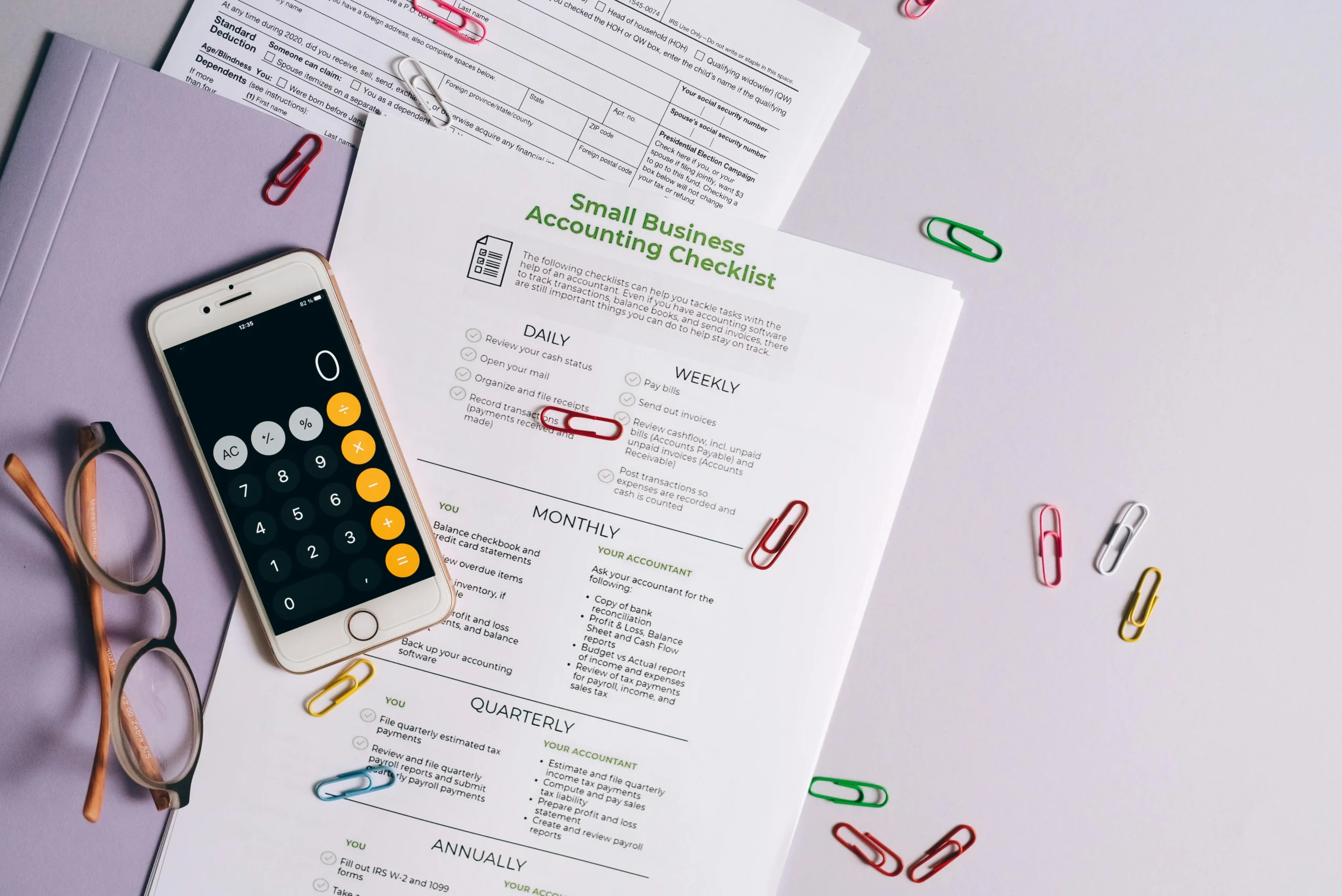
A Step-by-Step Home Business License Checklist
Rather than randomly searching the internet for “Do I need a business license?”, work through the question systematically.
Step 1: Define exactly what your business does
Write down:
- Products sold
- Services provided
- Where the work occurs
- Whether customers visit your home
- Whether employees will work there
- Whether you store inventory
- Whether you prepare food
- Whether specialized equipment is involved
Licensing usually follows the activity.
Step 2: Determine your business structure
Are you operating as a sole proprietor, LLC, partnership, or corporation?
Different structures can create different registration requirements.
We cover this in Question 4: Should You Form an LLC for a Home-Based Business?
Step 3: Check state requirements
Start with your state’s official government website, Secretary of State, business portal, licensing agency, and tax authority.
Look separately for:
- Entity registration
- Professional licenses
- Tax registrations
- Seller’s permits
- Industry-specific rules
Step 4: Check your county
County governments may administer business licenses, health regulations, permits, fictitious-name registrations, or other requirements.
Step 5: Check your city, town, or municipality
Ask about:
- General business licenses
- Home occupation permits
- Zoning
- Customer visits
- Parking
- Signs
- Employees
- Deliveries
- Business vehicles
Step 6: Check professional and industry requirements
Do not stop after receiving a city business license.
If you are entering a regulated field, find the agency that regulates that profession or industry.
Step 7: Review your lease or HOA rules
Government approval does not necessarily resolve private-property restrictions.
Step 8: Check insurance requirements
Talk with an insurance professional about whether your existing coverage is sufficient for the business activity.
Step 9: Keep track of renewals
The SBA notes that some licenses and permits expire and need periodic renewal.
Create reminders for expiration dates rather than discovering the problem after a permit lapses.
Where Should You Look for Reliable Information?
Licensing is one topic where you should be particularly cautious about relying entirely on blogs, forums, social media posts, or AI-generated summaries.
Use those resources to learn what questions to ask.
Then verify the answers with the government agency that actually administers the requirement.
A good research path is:
- U.S. Small Business Administration — general guidance and federal/state/local starting points
- Your Secretary of State or state business portal
- Your state licensing agency
- Your state department of revenue/taxation
- Your county government
- Your city or municipal government
- Your local zoning or planning department
- Your industry’s regulatory agency
PowerHomeBiz also maintains resources including Licenses and Permits for Your Home Business, the Small Business Legal Checklist, and our guides to starting businesses in individual states.

The Bottom Line: Don’t Assume—Check
So, do you need a business license to operate a home-based business?
You might.
You may need one license, several registrations and permits, or relatively few formal approvals depending on what you do and where you live.
The mistake is assuming that working from home—or working entirely online—automatically places your business outside normal rules.
Before launching:
Check the business activity.
Check your state.
Check your county.
Check your city.
Check zoning.
Check your profession.
Check your lease or HOA.
And do it before committing substantial money to an idea.
Compliance may not be the most exciting part of becoming an entrepreneur, but knowing that you are allowed to operate where and how you intend to operate gives you a much stronger foundation for growing the business.
This article provides general educational information and is not legal or tax advice. Licensing, zoning, tax, and registration requirements vary by jurisdiction and business activity. Verify requirements with the appropriate government agencies and qualified professionals where necessary.
Continue the Starting a Home-Based Business Series
Previous ← Question 2: How Much Money Do You Need to Start a Home-Based Business?
Series Home: Starting a Home-Based Business: 11 Common Questions Answered
You Are Here — Question 3: Do You Need a Business License to Run a Home-Based Business?
Next → Question 4: Should You Form an LLC for a Home-Based Business?
Frequently Asked Questions
Do I need a business license if I work from home?
Possibly. Requirements depend on your business activity and your state, county, and city. Some home businesses may require a general business license, home occupation permit, professional license, health permit, zoning approval, tax registration, or other authorization. Check with the appropriate state and local agencies rather than assuming that home-based businesses are exempt.
Do I need a business license for an online business?
An online business is not automatically exempt from licensing and registration requirements. Depending on your location and business activity, you may still have state or local business requirements, professional licensing rules, tax obligations, or industry-specific regulations even if customers never visit your home.
Is an LLC the same as a business license?
No. An LLC is a type of legal business entity created under state law. A business license generally authorizes you to conduct certain business activities in a particular jurisdiction. Forming an LLC does not automatically satisfy local licensing or permitting requirements.
Is an EIN the same as a business license?
No. An EIN is a federal taxpayer identification number issued by the IRS. It does not by itself authorize your business to operate. Depending on the business, you may need an EIN as well as separate licenses, registrations, and permits.
What is a home occupation permit?
A home occupation permit or similar zoning approval allows certain business activities to be conducted from residential property. Local rules may address customer traffic, employees, signs, parking, deliveries, equipment, inventory, noise, and how much of the home is used for business.
Do I need a license to sell products from home?
Possibly. Requirements depend on what you sell and where you operate. You may need state tax registration, a seller’s permit, local business licensing, zoning approval, or product-specific permits. Food, alcohol, regulated products, and certain other categories can have additional requirements.
Do I need a permit to bake and sell food from home?
Potentially. Many states have cottage-food laws or other rules governing food made in residential kitchens, but the allowed products and requirements vary. Check your state and local health departments before selling food from home. FDA also advises home-based food businesses to investigate the applicable federal, state, and local requirements.
Can my city prevent me from running a business from my home?
Local zoning ordinances can restrict certain business activities in residential areas. Restrictions may involve customer visits, parking, signage, employees, equipment, noise, inventory, deliveries, or the type of business itself. The SBA recommends checking with the local planning or zoning authority.
Do I need a business license if I am a sole proprietor?
Being a sole proprietor does not automatically determine whether you need a license. Licensing is generally based on your activity and location. A sole proprietor may have few requirements in one jurisdiction but need multiple licenses or permits in another.
Do business licenses need to be renewed?
Many do. Renewal periods vary by license and jurisdiction. Keep a record of license numbers, agencies, expiration dates, fees, and renewal requirements so that an otherwise compliant business does not accidentally allow a required authorization to expire.