

If you sell on the Web, your goal should not be to generate a one-time purchase from the customer. Instead, you need to try to make sure that the customer comes back and buys again from you. The best way to increase the likelihood of repeat purchases is to treat customers well after they place their initial order.
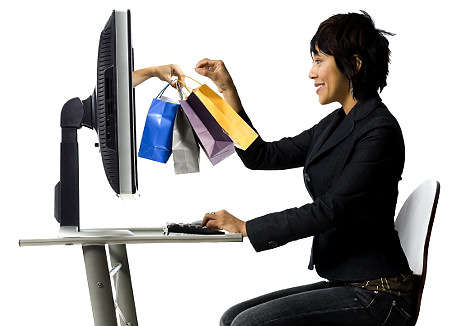
Here are ways you can cultivate new business from current clients and maximize after-sales opportunities:
28. Maximize cross-sell opportunities.
Cross selling is the strategy of pushing new products to current customers based on their past purchases. One great example of cross selling offline is when you buy a computer from your office supply store: the sales clerk will remind you that you also need software, anti-virus and malware protection, service package, or even insurance for your machine.
You can integrate cross selling on your website, and even after the purchase. There are a number of ways to cross-sell, such as:
- At the product page, show images of relevant products so users can easily click through them and hopefully purchase
- At cart review and before the online checkout process begins, indicate a few select items that they may want to add to their shopping carts.
- As soon as the customer puts the item on the shopping cart, show related items they may be interested in. Amazon.com does this by saying “Customers Who Bought Items in Your Shopping Cart Also Bought”
- Offer free shipping when customers order your minimum price threshold (“free shipping for orders of $100 or more”)
- Bundle the products, and offer discounts. An ebook seller can use the checkout page to inform buyers that they can purchase the ebook, along with the audio version or print/hard copy version of the ebook for a discounted price.
- Train your customer service representatives to cross sell
- Offer special discounts and promotional coupons to customers after they make a purchase. You can include the promotional discount in the post payment landing page (thank you page) or print a flyer and include it as part of the shipping materials together with the receipt and the product. For example, say something like, “Thank you for your purchase. Here is your special customer only coupon” then set the date for the coupon’s validity.
- Include in your purchase confirmation email other items that they may like based on the item they purchased
- Add flyers showing related products when the product is sent.
- Cross-sell items in similar price points, or higher priced items.
- Send catalogs of your products to the customer, unless they opt-out.
- Send email messages to the customer after the purchase. Recent emails, for example, from Banana Republic include “Secret savings: Another reason we love Wednesdays” and “Sale starts today: up to 40% off + Special savings for cardmembers.”
The essence of any successful cross-selling strategy is recommending the right product at the right time. You need to make the experience personal. To do this, you must have information on the purchase history of the customer and product relationships.
It is also important to respect the wishes of the customer. If the customer stated that they do not wish to receive marketing emails or offers from you, honor their request and do not send them anything other than information about their actual purchase. Also, do not be too pushy, where your checkout page is full of upsells and cross sells that the customer has to scroll all the way down to see the product that they really want to buy.
29. Give customers incentive to buy again from you.
Always include coupons with the package. Customers who have just brought from you are your best prospects to come back and buy again.
30. Consider return and money-back policies.
A lot of retailers and ecommerce store operators see product returns as a major inconvenience that cuts down their profits. For the seller, there’s the added cost of reboxing, restocking and reselling. However, even if you maintain the highest product quality, product returns are inevitable and here to stay.
Instead of griping about product returns, embrace them. The online shoe store Zappos.com has embraced returns as part of their customer service, and they are well-known for their generous returns policy. Zappos allows returns of an item within 365 days of purchase, and pays for the return shipping. What Zappons have found is that those with the highest return rates are also their best customers who spend the most money with them and are their most profitable customers.
Having a money back return policy shows customers that you stand by your product and increases their confidence in buying from you. It also shows that you care about the satisfaction of your customer. Specify clearly how the customers should handle the process of returning the item, and when and how they can actually expect to get their money back. However, use this feature only if you can back it up and you are indeed willing to return their money back.
Unless you are selling questionable product, few people will actually take you up on the offer.
Part 1: Conversion Rate: How to Sell More Online
Other Articles in the series “Conversion Rate: How to Sell More Online:“
- Conversion Rate: 30 Tips on How to Sell Online
- Conversion Rate: Get the Right Traffic
- Conversion Rate: Build Customer Confidence
- Conversion Rate: Improve Product Presentation
- Conversion Rate: Maximize After-Sales Opportunities
Recommended Books on Improving Conversion Rate:
- Convert!: Designing Web Sites to Increase Traffic and Conversion
- Conversion Optimization: The Art and Science of Converting Prospects to Customers
- Landing Page Optimization: The Definitive Guide to Testing and Tuning for Conversions
- Video Strategies To Help Sales: Improve Sales And Increase Revenue By Boosting Your Online Marketing Strategy With Business Videos That Increase Conversion Rates
- Website Optimization: Speed, Search Engine & Conversion Rate Secrets


