Are you mechanically inclined, enjoy working with your hands, and looking for a business opportunity that offers strong demand, recurring revenue, and growth potential? Starting a garage door service and repair maintenance business might be the ideal path for you.
Garage doors are an essential part of every modern home and business, serving as a security feature, a point of entry, and a key visual element. With millions of garages in the U.S. alone—and a growing number of smart home upgrades—this industry offers significant room for entrepreneurs to carve out a successful niche. This guide will walk you through every step of launching a thriving garage door service and repair business.
Table of Contents
Why Start a Garage Door Service and Repair Business?
If you’re searching for a hands-on business with steady demand, high profit potential, and room to grow, launching a garage door service and repair business could be your ideal path. As homes and commercial buildings age—or as technology evolves—garage doors frequently need repairs, upgrades, and ongoing maintenance. This makes the industry not only resilient but ripe with opportunity for skilled entrepreneurs. From strong profit margins and low startup costs to scalability and recurring revenue, the benefits of entering this field are clear.
Below are some compelling reasons why starting a garage door service business makes smart business sense.
1. Consistent Demand
Every residential and commercial property with a garage will eventually need maintenance, repairs, or upgrades. Weather, wear and tear, and accidents mean garage doors often break down, making this a recession-resistant business.
2. High Margins, Low Overhead
Startup costs are relatively low compared to other trades, especially if you begin as a solopreneur. Most services—like spring replacement, track realignment, or opener repair—come with high profit margins and limited inventory requirements.
3. Scalable Model
Whether you’re starting out of your garage or plan to grow into a multi-van operation, the business is highly scalable. You can begin locally and expand regionally as you build reputation and referrals.
4. Recurring Revenue
Annual maintenance contracts, seasonal inspections, and smart home upgrades can create repeat business and upsell opportunities.

Industry Outlook and Market Opportunities
The U.S. garage door industry is poised for substantial growth, driven by factors such as increasing housing developments, home renovations, and the rising demand for smart and energy-efficient garage door systems. In 2021, the global garage and overhead doors market was valued at approximately $6.79 billion and is projected to reach around $9.94 billion by 2029, reflecting a compound annual growth rate (CAGR) of 5.2% during the forecast period. (Source: Fortune Business Insights)
In the United States, the garage door market was valued at approximately $3.36 billion in 2023. This growth is fueled by significant investments in residential infrastructure and a steady increase in housing completions. For instance, the U.S. Department of Commerce reported 1.4 million housing completions and 1 million housing starts in February 2023, indicating a robust demand for new residential constructions. (Sources: Yahoo Finance, Market Insights, WebFX)
The commercial sector also presents lucrative opportunities, particularly in the installation and maintenance of industrial rolling doors. As urbanization progresses and commercial construction activities rise, the need for reliable and secure overhead doors in warehouses, factories, and commercial establishments is expected to increase. This trend offers a promising avenue for businesses that provide high-quality service and innovative solutions.
Moreover, technological advancements are reshaping the industry landscape. The integration of smart technologies, such as AI-driven remote access and IoT-enabled sensors, is enhancing the functionality and appeal of modern garage doors. According to Mordor Intelligence, modern residential garage doors are increasingly equipped with features like smart locks, sensors, alarm systems, and video surveillance integration. These innovations cater to the growing consumer preference for convenience, security, and energy efficiency, further propelling market growth.
In summary, the U.S. garage door industry offers substantial opportunities for growth, driven by residential and commercial construction trends and technological innovations. Businesses that focus on delivering reliable, secure, and energy-efficient solutions are well-positioned to capitalize on this expanding market.

Skills and Qualifications You’ll Need
Starting a garage door service and repair business isn’t just about tightening bolts or swapping out worn parts—it’s about combining technical know-how with exceptional customer service and business savvy. Whether you’re working on a squeaky residential door or a large commercial overhead system, your ability to diagnose problems, communicate solutions, and execute repairs with precision will set you apart in a competitive market.
The good news? You don’t need a college degree to get started. What you do need is a solid foundation in mechanics and electrical systems, a strong work ethic, and a commitment to safety and customer satisfaction. The more skills and certifications you bring to the table, the more confident and professional you’ll appear to clients—and the more your business will thrive. Below are the key qualifications that will help you succeed and grow in this industry.
1. Mechanical Aptitude
Garage doors may look simple on the surface, but the mechanisms that drive them are anything but. You’ll need to understand or be willing to learn the intricate workings of:
- Torsion and extension springs
- Rollers, hinges, and pulleys
- Cables and drums
- Tracks and alignment systems
- Chain-, screw-, and belt-drive openers
These parts work together under high tension to lift and lower hundreds of pounds of weight. Knowing how they interact—and how to repair or replace them—will be central to your business operations. A strong mechanical mindset and an ability to work with tools are essential.
2. Electrical and Technical Knowledge
Today’s garage doors aren’t just mechanical—they’re smart. You’ll often be called on to diagnose and fix electrical issues related to:
- Garage door openers
- Sensor alignment and calibration
- Circuit boards and motor units
- Wireless remotes and wall switches
- Smart home integrations (Wi-Fi, smartphone apps, battery backups)
Basic understanding of circuitry, multimeter use, and low-voltage wiring can save you hours on diagnostics. As smart home technology continues to grow, technicians who can install and troubleshoot modern systems will be in even greater demand.
3. Problem-Solving Skills
No two service calls are ever quite the same. Customers may describe symptoms vaguely, or multiple issues may be causing the malfunction. You’ll need a sharp, analytical mindset to:
- Ask the right questions
- Identify the root cause of problems quickly
- Choose the most cost-effective and lasting solution
- Perform quick diagnostics under time constraints
Being able to think critically and act decisively will help you build customer confidence and minimize callbacks.
4. Customer Service and Communication
Garage door repair is often an emergency situation. A door that won’t open can trap a car, while one that won’t close poses a security threat. Homeowners are stressed, and their experience with your business begins from the moment they call you.
Strong communication and interpersonal skills help you:
- Calmly explain the issue and your proposed solution
- Break down technical terms in simple language
- Set realistic expectations for cost and timeline
- Handle objections or complaints with professionalism
- Build trust for repeat business and 5-star reviews
Remember, your technical skills get the job done—but your customer service skills grow your business.
5. Physical Fitness and Safety Awareness
This is a physically demanding job. You’ll often be lifting heavy equipment, climbing ladders, and working in awkward positions. Physical stamina and a commitment to safety protocols are a must. You should:
- Be able to lift 50–75 lbs regularly
- Work in varying weather conditions
- Wear and use appropriate personal protective equipment (PPE)
- Understand how to manage spring tension safely to avoid serious injury
Prioritizing safety protects both you and your customers, and can help lower your insurance premiums over time.
6. Business and Organizational Skills
As an owner-operator or manager, you’ll also wear the hat of a businessperson. These skills will be essential to running a successful operation:
- Scheduling and time management
- Quoting and invoicing
- Inventory management
- Basic accounting and budgeting
- Marketing and customer follow-ups
Using field service software or customer relationship management (CRM) tools can streamline these tasks and make your business more efficient and professional.
7. Certifications and Professional Training
Although not required by law in most areas, obtaining relevant certifications can enhance your credibility and help you win trust—especially in commercial and high-end residential markets. Reputable certifications include:
- International Door Association (IDA) – Offers Certified Door Dealer (CDD) and Technician Training programs.
- Institute of Door Dealer Education and Accreditation (IDEA) – Provides residential and commercial door system technicians’ certifications.
- Manufacturer Training – Brands like LiftMaster, Genie, and Chamberlain often offer product-specific technical training.
Having industry-recognized credentials boosts your expertise and signals professionalism to potential customers.
Tools and Equipment Checklist
Like any skilled trade, success in the garage door service and repair business starts with having the right tools at your fingertips. The work involves a mix of mechanical precision, electrical troubleshooting, and physical labor—so being properly equipped not only ensures you can get the job done efficiently, but also safely and professionally.
When you’re just starting out, you don’t need to invest in a full workshop. A carefully curated toolkit and a reliable service vehicle can take you far. Below is a list of essential tools and equipment you’ll need to perform a wide range of services, from basic maintenance to complex repairs. And as your business expands, you can gradually upgrade your gear and add tools that streamline your workflow, enhance your brand, and increase customer trust.
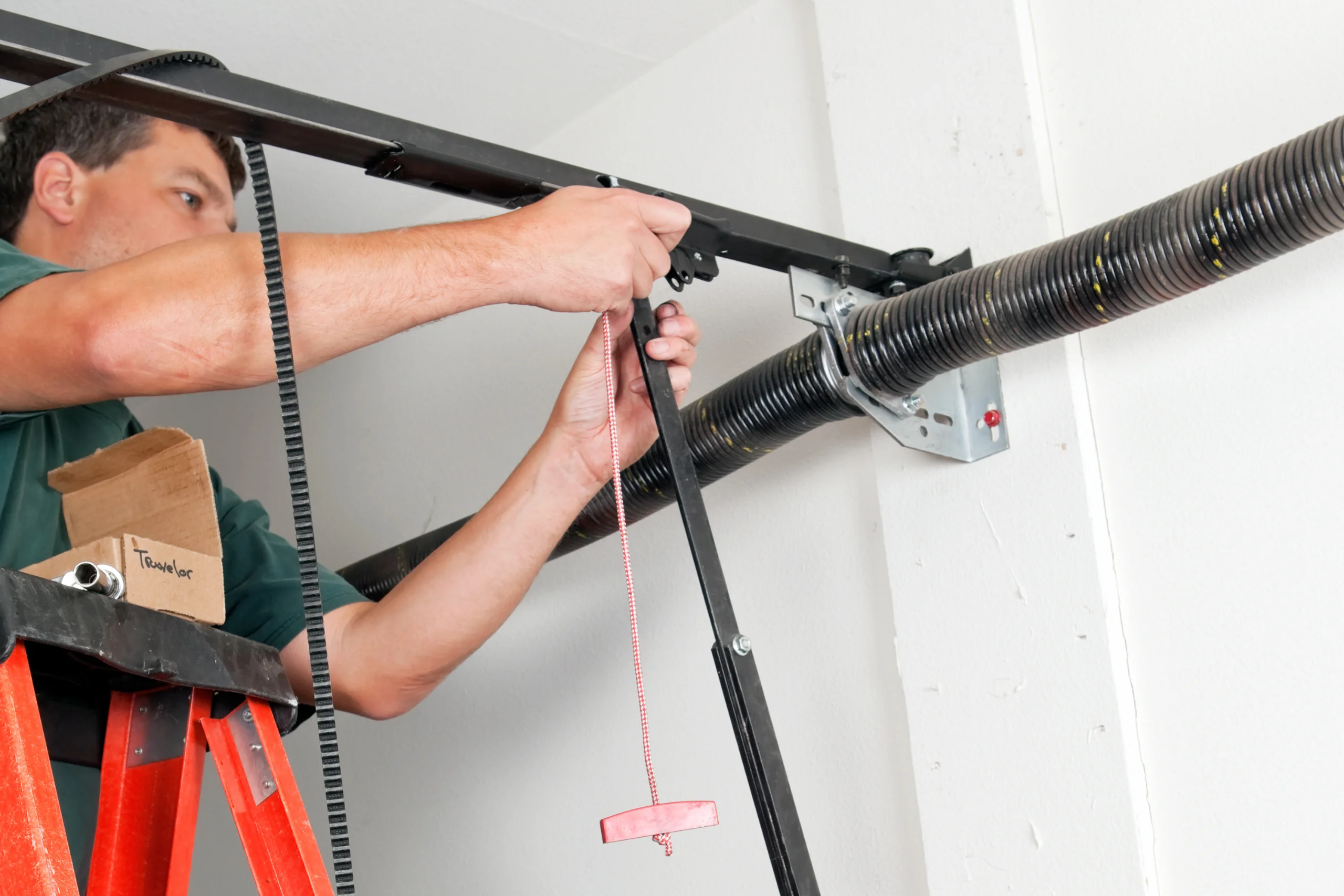
- Socket and wrench sets
- Cordless drills
- Ladder and step stool
- Level and measuring tape
- Spring winding bars
- Cable pullers and clamps
- Lubricants and weather seals
- Safety equipment (gloves, glasses, hard hat)
- A reliable work van or truck
As you grow, consider investing in diagnostic tools, branded uniforms, and mobile invoicing software to streamline operations.
Step-by-Step Guide to Launching Your Business
Starting a garage door service and repair business is more than just knowing how to fix a broken spring or install a new opener—it’s about building a strong foundation that sets you up for long-term success. Whether you’re a seasoned technician branching out on your own or a first-time entrepreneur entering the trades, following the right steps from the beginning will help you avoid costly mistakes, establish credibility, and grow with confidence.
This section walks you through the essential steps to legally and strategically launch your business—from writing a clear business plan to setting your pricing and building your online presence. Think of it as your startup blueprint: each step is a building block that brings your vision closer to reality. Let’s break down exactly what it takes to go from concept to your first paying customer.
1. Create a Business Plan
Start with a detailed business plan outlining:
- Target market (residential, commercial, or both)
- Services offered (repairs, installs, upgrades, maintenance plans)
- Startup costs and funding needs
- Marketing and sales strategy
- Revenue projections and pricing models
This will serve as your roadmap and is essential if you’re seeking financing.
2. Choose a Business Structure
Decide whether you’ll operate as a sole proprietorship, LLC, or corporation. An LLC is often recommended for small service businesses as it offers liability protection and flexibility.
3. Register Your Business
File the appropriate paperwork with your state, obtain a business license, and register for an EIN (Employer Identification Number) with the IRS.
4. Get Insurance
Garage door repair involves physical labor and machinery—so general liability, commercial auto, and workers’ compensation insurance (if hiring) are must-haves.
5. Set Your Pricing
Research competitors in your area and price your services competitively. Consider bundling services like:
- Annual maintenance + priority emergency service
- Tune-up packages
- Opener installation + smartphone integration
Be transparent about labor costs, parts, and warranties to build trust.
6. Build a Website
A professional website boosts credibility and helps customers find you. Be sure to include:
- Services offered
- Service area
- Testimonials
- Online booking or contact form
- Before/after images
SEO (Search Engine Optimization) is critical—most customers search “garage door repair near me,” so optimize for local keywords.

Marketing and Customer Acquisition
No matter how skilled you are at repairing garage doors or how well-equipped your business is, your success ultimately hinges on one thing: attracting a steady stream of paying customers. In a service-driven industry like garage door repair and maintenance, consistent lead generation is the engine that fuels your growth. And in today’s competitive market, word-of-mouth alone isn’t enough to build a sustainable business.
Marketing doesn’t have to be overwhelming or expensive—it just needs to be smart, targeted, and consistent. By combining traditional outreach with modern digital strategies, you can put your business in front of the right people at the right time. Whether you’re aiming to dominate local search results, generate calls through Google Ads, or build community trust through social media and referrals, a solid marketing plan is key to staying busy and booked.
Below are proven tactics you can implement to start building brand awareness, generating leads, and turning first-time customers into loyal, repeat clients.
Local SEO and Google Business Profile
Claim your Google Business Profile and optimize it with your services, service area, photos, and positive reviews. Show up in “near me” searches and maps.
Pay-Per-Click (PPC) Ads
Run Google Ads targeting high-intent keywords like “emergency garage door repair” or “garage door opener installation.”
Social Media & Facebook Ads
Share customer stories, DIY tips, and seasonal promotions. Facebook allows you to target local homeowners with precision.
Referral Program
Offer incentives to current customers and real estate agents who refer others to your service.
Door Hangers and Local Print Ads
Old-school but still effective in specific neighborhoods, especially for new homeowner move-ins.
Revenue Opportunities and Add-On Services
One of the most exciting aspects of running a garage door service and repair business is the ability to diversify your income and create multiple streams of revenue beyond basic repairs. By offering strategic add-on services and upgrades, you can significantly increase your average ticket size, boost customer satisfaction, and build a more resilient and profitable business.
Think of every service call as more than just a fix—it’s an opportunity to provide additional value. Many homeowners and businesses are willing to invest in convenience, energy efficiency, safety, and aesthetics—especially when guided by a trustworthy expert who explains the benefits clearly. Here are some highly profitable and in-demand services to consider adding to your offerings:
1. Smart Garage Door Upgrades
With the rise of smart homes, many customers are looking to upgrade their existing garage doors to include features like:
- Smartphone app control
- Voice assistant compatibility (Amazon Alexa, Google Assistant)
- Automatic open/close scheduling
- Activity alerts and logs for added security
Offering smart garage door opener installations can give you a competitive edge and tap into a growing tech-savvy market.
2. Remote Control and Wi-Fi System Installations
Even customers with older garage door systems often appreciate the convenience of modern remote access. You can upsell them on:
- Universal remotes
- Keyless entry pads
- Wi-Fi bridge kits for older openers
- Wireless wall panels
These upgrades are relatively simple to install but offer high margins and added convenience for the customer.
3. Preventive Maintenance Contracts
Recurring revenue is the holy grail of service businesses. By offering annual or semi-annual maintenance contracts, you can:
- Keep garage doors running smoothly year-round
- Spot and fix problems before they become emergencies
- Build customer loyalty and predictable cash flow
Include services like spring tension adjustments, lubrication, opener checks, and weather seal replacements to add value.
4. Custom Garage Door Designs and Installations
Some homeowners want to enhance their curb appeal or replace aging garage doors with more modern or visually appealing options. Partnering with suppliers or manufacturers allows you to offer:
- Carriage house and contemporary-style doors
- Custom wood, aluminum, or glass panel designs
- Color and trim upgrades
- Decorative hardware
You can charge a premium for these installations, especially if you provide consultation, measurements, and full-service installation.
5. Emergency 24/7 Repair Services
Garage door failures don’t follow a 9-to-5 schedule. Offering round-the-clock emergency services positions your business as a reliable lifesaver, especially for:
- Stuck doors blocking vehicle access
- Doors that won’t close, leaving the home exposed
- Broken springs, cables, or rollers that pose safety risks
You can charge higher service fees for after-hours or weekend calls, which can quickly boost your revenue.
6. Insulation and Energy-Efficiency Upgrades
Homeowners are becoming increasingly conscious of energy use, especially if their garage is attached to the home or used as a workspace. Offering insulation upgrades can:
- Lower utility bills by stabilizing garage temperature
- Reduce noise from the street or neighborhood
- Improve comfort and usability
You can also promote energy-efficient door models and insulated panel retrofits as part of a green upgrade service.
Why These Services Matter
Offering these add-ons is about more than just padding your income—it’s about building a business that solves problems comprehensively. When customers feel like you’re helping them improve their home’s functionality, security, and appearance—not just fixing something that broke—they’re more likely to trust your expertise, refer others, and come back for future services.
By becoming a one-stop shop for everything garage-door related, you strengthen your brand, outshine the competition, and create a business that’s as valuable as it is versatile.

Common Challenges and How to Overcome Them
Every business faces obstacles, and the garage door service industry is no exception. From fierce local competition to the effects of changing seasons, navigating these challenges effectively can be the difference between a struggling startup and a thriving service business. The good news is that most hurdles can be overcome with the right strategies, tools, and mindset. Here are the most common challenges you’ll likely face—and practical ways to conquer them.
1. Competition
The Challenge:
The garage door repair industry is filled with both local independents and large franchises, making it difficult for new businesses to stand out. Many customers will default to the top results on Google or the company with the most reviews.
How to Overcome It:
Standing out in a crowded field requires delivering a superior customer experience at every touchpoint. Here’s how to rise above the noise:
- Respond quickly to service calls and messages—customers often choose the first business to answer the phone.
- Offer transparent pricing with no hidden fees; clearly explain what the service entails and how long it will take.
- Maintain a professional image—uniformed technicians, clean service vehicles, and branded invoices leave a lasting impression.
- Ask for reviews after every job. Politely requesting a Google or Yelp review can quickly build your online reputation and move you up in search rankings.
A focus on consistency, trustworthiness, and responsiveness will position your business as the go-to expert in your service area.
2. Seasonality
The Challenge:
Like many home service industries, garage door repair can experience seasonal dips—especially in colder regions during harsh winter months. Homeowners may delay repairs due to weather, leading to slower business and cash flow disruptions.
How to Overcome It:
Turn the off-season into an opportunity by getting creative with your offerings:
- Winterization packages: Promote services like weather seal replacement, lubricant application, and opener sensitivity adjustments to help doors operate smoothly in freezing temperatures.
- Smart opener installations: Cold weather often highlights the need for convenient, remote-controlled access. Use winter as an opportunity to upsell smart technology.
- Annual service plans: Bundle seasonal services into prepaid maintenance contracts. These not only ensure steady work throughout the year but also help customers avoid emergency breakdowns.
Use the slower months to also focus on internal improvements—train new hires, upgrade your equipment, or invest in marketing so you’re ready when demand picks back up.
3. Lack of Brand Awareness
The Challenge:
One of the toughest parts of starting a new business is simply getting noticed. Without a strong online presence or marketing strategy, it’s easy to get overlooked—even if your services are top-notch.
How to Overcome It:
Building visibility takes time, but a smart marketing foundation can accelerate the process:
- Local SEO: Optimize your website and Google Business Profile with keywords like “garage door repair near me,” service areas, and customer reviews. This ensures you show up in local search and maps results.
- Social media: Regularly post tips, project photos, and before-and-after videos to build a presence and humanize your brand.
- Referral incentives: Offer discounts or gift cards for customers who refer new clients. Partner with realtors or property managers to tap into ongoing lead sources.
- Track and adapt: Use tools like Google Analytics, call tracking, and booking software to measure which marketing tactics are working. Focus your time and budget on high-converting channels.
Getting noticed requires both digital savvy and boots-on-the-ground outreach, but once your brand takes hold, it can lead to sustainable, long-term growth.
Final Tip: Build Resilience from Day One
The most successful garage door businesses aren’t those that avoid challenges—they’re the ones that plan for them, adapt quickly, and keep improving. By anticipating common obstacles and proactively implementing strategies to overcome them, you can build a business that not only survives tough times but thrives in them.

Frequently Asked Questions (FAQs)
How much does it cost to start a garage door business?
You can start lean for as little as $5,000–$10,000 if you already own a vehicle. Expect to invest in tools, initial inventory, insurance, marketing, and licensing.
Do I need formal training?
Formal training isn’t required, but hands-on experience is critical. You can learn through apprenticeships, manufacturer training programs, or IDA certification courses.
How much can I make?
Solo garage door technicians often earn $60,000–$100,000 annually. With a small team and good marketing, businesses can scale to $500K+ in annual revenue.
Is this a good business for franchising?
Yes. If you build a strong brand and process, garage door service can be franchised. Well-known garage door franchises already exist, and their success proves the model works.
Final Thoughts
Starting a garage door service and repair business is a rewarding opportunity for skilled tradespeople, entrepreneurs, and anyone who values independence, problem-solving, and helping homeowners.
With low startup costs, steady demand, and strong earning potential, it’s a solid business to grow locally or regionally. Just remember: your reputation is everything. Offer excellent service, follow through on your promises, and always keep learning.
Whether you’re opening your first garage door or planning a fleet of service vans, the key is consistency, quality, and commitment to customer satisfaction.