

The article was originally published on January 26, 2022, and updated on August 24, 2026.
Not sure what business to start? Explore practical business ideas for new entrepreneurs and learn how to evaluate demand, startup costs, competition, profitability, and your path to the first paying customer.
Starting your first business is exciting, but choosing what kind of business to start can quickly become overwhelming. There are thousands of possibilities, from freelancing and local services to ecommerce, food businesses, consulting, and digital products.
The best first business is not necessarily the trendiest idea or the one that promises the largest potential market. For a new entrepreneur, a good business idea usually has something more important: a realistic path to the first paying customer without requiring you to risk more money than you can afford to lose.
Entrepreneurship remains active in the United States. The U.S. Census Bureau reported 578,926 business applications in July 2026, up 8.1% from the previous month. Those numbers show that plenty of people are still willing to turn an idea, skill, or opportunity into a business.
But submitting paperwork is the easy part. Building something customers will actually pay for requires research, testing, careful spending, and a willingness to adjust when the market tells you something different from what you expected.
If you are searching for your next business idea, here are practical options worth considering, along with the questions you should answer before putting your money behind one.
Key Takeaways
- The best business for a new entrepreneur is usually one that can be tested inexpensively before making a major financial commitment.
- Service businesses can be especially attractive to first-time entrepreneurs because they often require little inventory and allow you to start with skills you already have.
- Product businesses can scale well, but inventory, shipping, returns, and customer acquisition can make them more complicated than they initially appear.
- Local businesses such as cleaning, pet care, mobile detailing, and food trucks can benefit from clearly defined markets and repeat customers.
- Before launching, research demand, competitors, pricing, startup costs, licenses, and the number of customers needed to become profitable.
- Do not mistake enthusiasm for market validation. The strongest evidence that an idea works is a customer willing to pay for it.
Table of Contents

How to Choose Your First Business Idea
A common mistake among aspiring entrepreneurs is asking, “What business makes the most money?”
A better question is:
“What business can I realistically start, sell, operate, and grow?”
Those are very different questions.
An industry may generate billions of dollars in annual sales and still be a terrible opportunity for a particular entrepreneur. You may face expensive equipment, aggressive competitors, regulations, high advertising costs, specialized skills, or margins that are much smaller than the industry’s revenue figures suggest.
Before choosing an idea, examine four things:
1. What skills or advantages do you already have?
Starting with something you understand can shorten your learning curve considerably. Your advantage might be professional expertise, a hobby, technical knowledge, industry contacts, equipment you already own, or familiarity with a particular customer group.
That does not mean you must spend the rest of your life doing what you already know. It simply means your existing knowledge can give your first business a head start.
2. Is there evidence of customer demand?
Do not rely solely on friends and relatives telling you that your idea sounds great.
The U.S. Small Business Administration recommends using both market research and competitive analysis to understand potential customers, market size, pricing, competitors, and opportunities for differentiation.
PowerHomeBiz also has an extensive market research resource section that can help you investigate an opportunity before committing significant money.
3. How much money must you risk before your first sale?
There is an important difference between a business that can eventually become profitable and one that you can afford to start.
The SBA recommends calculating both one-time and ongoing expenses, including equipment, inventory, permits, insurance, marketing, websites, professional fees, utilities, and employee costs where applicable.
If money is tight, see PowerHomeBiz’s guide to starting a small business with limited capital.
4. Can you reach customers without spending a fortune?
You can have a terrific product and still fail because acquiring customers costs too much.
Before launching, think about where customers will come from. Search engines? Referrals? Local networking? Social media? Marketplaces? Direct sales? Repeat customers?
The easier it is to identify and reach a specific customer group, the easier it becomes to test the business.

Business Ideas for New Entrepreneurs at a Glance
| Business Idea | Relative Startup Cost | Can Start From Home? | Repeat Customer Potential |
|---|---|---|---|
| Freelance/professional services | Low | Yes | High |
| Virtual assistant services | Low | Yes | High |
| T-shirts/print-on-demand | Low to Moderate | Yes | Medium |
| Cleaning/home services | Low to Moderate | Yes, as a base | High |
| Pet sitting/dog walking | Low | Yes | High |
| Tutoring/coaching | Low | Yes | High |
| Niche ecommerce | Low to High | Yes | Medium to High |
| Digital products | Low | Yes | Medium to High |
| Mobile services | Moderate | Yes, as a base | High |
| Food truck | High | No | High |
Actual startup costs vary substantially based on your location, equipment, licenses, business model, and whether you already own some of the resources you need.
1. Freelance or Professional Services
For many new entrepreneurs, selling a service is one of the simplest ways to test entrepreneurship.
Instead of purchasing inventory or leasing a storefront, you are essentially selling expertise, labor, or a result.
Potential businesses include:
- Graphic design
- Bookkeeping
- Copywriting
- Website development
- Social media management
- Photography
- Translation
- Marketing
- IT support
- Business consulting
- Video editing
- Administrative services
The opportunity becomes stronger when you stop describing yourself only by your skill and start defining the problem you solve for a particular customer.
For example, “I design websites” is broad.
“I build lead-generating websites for local plumbing companies” gives potential customers a much clearer understanding of what you do.
This specialization can also make marketing easier because you know exactly whom you are trying to reach.
PowerHomeBiz’s guide on how to start and run a service business explains some of the important issues involved in choosing a niche, pricing services, creating contracts, working with clients, and developing repeat business.
Good fit for:
People who already possess a marketable professional, creative, technical, or administrative skill.
Watch out for:
Underpricing your work. New freelancers often calculate their rates as though every working hour will be billable. In reality, you also spend time marketing, preparing proposals, handling administration, chasing payments, learning, and communicating with clients.

2. Virtual Assistant or Online Business Support
Thousands of small companies need help with everyday administrative tasks but may not need, or be able to justify, another full-time employee.
That creates opportunities for entrepreneurs who can provide remote business support.
A virtual assistant might specialize in:
- Email and calendar management
- Customer service
- Data entry
- Research
- Ecommerce administration
- Appointment scheduling
- CRM management
- Bookkeeping support
- Social media scheduling
- Presentation preparation
- Project coordination
You can differentiate yourself further by specializing in a particular industry or platform.
For example, instead of marketing yourself as a general virtual assistant, you might become a virtual assistant specializing in real estate firms, consultants, ecommerce businesses, or professional associations.
That specialization can help you understand the client’s terminology, software, recurring tasks, and business challenges much faster.
Good fit for:
Organized people who communicate well, meet deadlines, and enjoy helping other businesses operate efficiently.
Watch out for:
Taking every type of assignment from every type of client. A clear service package can be easier to price and sell than an unlimited promise to “help with anything.”
3. T-Shirt and Print-on-Demand Business
The original version of this article recommended T-shirt printing, and the idea still has potential. However, the business has changed considerably.
You no longer necessarily need to purchase printing equipment or maintain boxes of shirts in your garage before testing whether customers like your designs.
Print-on-demand suppliers can produce an item after a customer places an order, reducing the amount of inventory a new business owner must purchase upfront.
The real challenge is not printing the shirts.
It is creating a brand or niche that gives people a reason to choose your shirts over thousands of alternatives.
You might create designs aimed at:
- Specific professions
- Sports communities
- Hobbies
- Local communities
- Family events
- Clubs and organizations
- Schools
- Businesses needing branded apparel
- Events and fundraisers
An entrepreneur with a strong local network might even find that selling custom shirts to businesses, teams, schools, and organizations is more predictable than trying to build a national fashion brand.
Quality still matters. Customers may forgive a small brand for having fewer designs, but they are less likely to forgive uncomfortable garments, poor printing, slow shipping, or products that do not match what was shown online.
Good fit for:
Designers, artists, marketers, community organizers, or entrepreneurs who understand a clearly defined niche.
Watch out for:
Copyright and trademark problems, weak product quality, and depending entirely on paid advertising to generate sales.

4. Cleaning and Home Services
Some of the most practical businesses are not particularly glamorous.
That can actually be an advantage.
Residential cleaning, commercial cleaning, carpet cleaning, organizing, lawn services, pressure washing, junk removal, and similar businesses solve problems customers regularly need handled.
A local service business also gives a first-time entrepreneur something very valuable: a clearly defined geographic market.
You do not have to compete with every business in the country. You need to become visible and trustworthy within the communities you can realistically serve.
The business can become particularly attractive when one-time customers turn into recurring clients.
For example, a residential cleaning customer might schedule service every week or every two weeks. A commercial cleaning client might sign an ongoing agreement. A lawn-care customer may need service throughout the growing season.
For additional ideas, see PowerHomeBiz’s guide to profitable field-based home businesses.
Good fit for:
Entrepreneurs who do not mind hands-on work and who can build a reputation for reliability.
Watch out for:
Travel time, insurance, physical demands, equipment costs, and pricing jobs without understanding how long the work will actually take.
5. Pet Sitting and Dog Walking
Pet sitting and dog walking are examples of businesses where trust can matter as much as price.
Customers are giving you responsibility for an animal they care about and, in many cases, access to their homes. Reliability, communication, references, reviews, insurance, and professionalism can therefore become major competitive advantages.
Services can include:
- Daily dog walking
- Vacation pet sitting
- Drop-in visits
- Overnight pet care
- Puppy visits
- Senior pet support
- Pet transportation
One of the attractive features of the business is the potential for recurring revenue. A customer may need dog walking several times each week rather than purchasing the service only once.
Over time, strong relationships and referrals can help create a dense local customer base, reducing the amount of time spent traveling between appointments.
Good fit for:
People who genuinely enjoy working with animals and are dependable enough to handle customers’ pets, homes, schedules, and security.
Watch out for:
Trying to cover too large a geographic area. Travel can quietly consume the profit from a local service business.
6. Tutoring, Training, or Coaching
Knowledge itself can become a business when you can help someone achieve a meaningful result.
Depending on your skills and qualifications, you might offer:
- Academic tutoring
- Test preparation
- Music lessons
- Language instruction
- Software training
- Professional skills training
- Fitness instruction
- Career coaching
- Business training
- Public speaking coaching
You can work one-on-one, teach groups, provide online sessions, or eventually create workshops and courses.
The important distinction is that customers are usually not paying simply to hear what you know. They are paying because they want to learn something, solve something, or improve something.
That outcome should shape your marketing.
Good fit for:
People with demonstrable expertise who also enjoy explaining ideas and helping others improve.
Watch out for:
Claims that go beyond your credentials. Certain services, particularly those involving health, finance, law, or other regulated professions, may require licenses or specific qualifications.
7. Niche Ecommerce Business
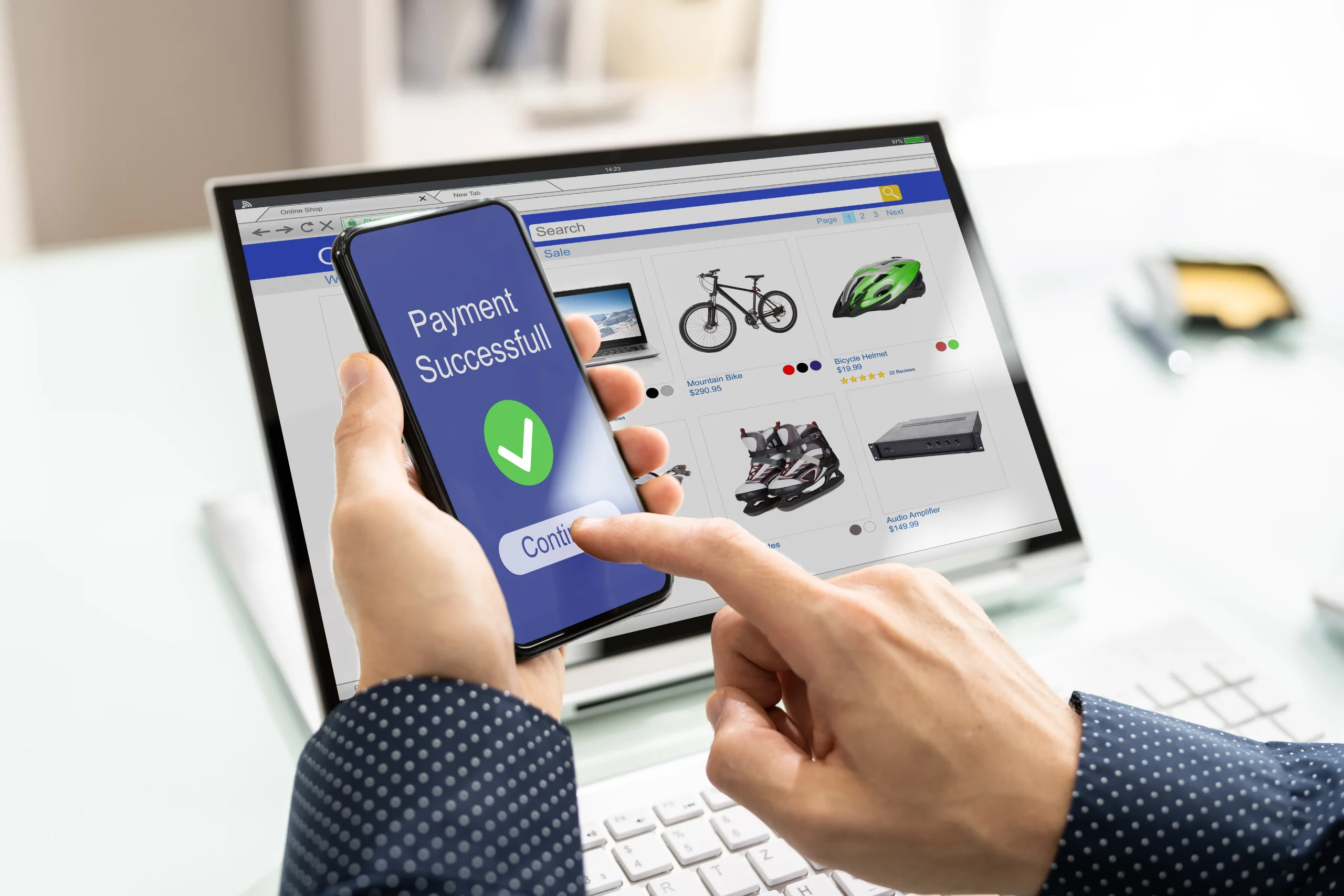
Starting an online store has never been technically easier. Building a profitable online store, however, is another matter.
An ecommerce business must answer several questions:
- What will you sell?
- Why will customers choose you?
- How much will inventory cost?
- How much will shipping cost?
- What happens when customers return products?
- Where will traffic come from?
- How much can you afford to spend to acquire a customer?
- What profit remains after product costs, marketplace fees, packaging, shipping, returns, advertising, and payment processing?
This is why niche selection matters.
Trying to create an online store that sells “a little of everything” puts a small entrepreneur against enormous retailers.
A focused store can instead become known for solving the needs of a specific customer group.
Examples might include supplies for a specialized hobby, products for a particular occupation, accessories for a niche sport, hard-to-find replacement products, or carefully curated items for a specific lifestyle.
PowerHomeBiz maintains a large directory of home business ideas that can help you explore possible niches.
Good fit for:
Entrepreneurs who understand products, merchandising, digital marketing, or a specialized customer community.
Watch out for:
Buying large amounts of inventory before testing demand.
8. Digital Products and Online Education
Digital products are attractive because you can create something once and potentially sell it repeatedly without manufacturing and shipping a physical item every time.
Possible products include:
- Templates
- Worksheets
- Business forms
- Digital planners
- Photography presets
- Design assets
- Instructional guides
- Online courses
- Specialized databases
- Paid newsletters
- Research products
However, “passive income” can be a misleading description.
Creating the product is only part of the work. You still need to understand what customers want, build an audience, market the product, answer questions, update materials, and distinguish your offer from free information available online.
The best digital products usually solve a narrow problem.
A generic “guide to marketing” competes with endless free resources. A carefully designed template that saves a specific professional several hours every week may have a much clearer value proposition.
Good fit for:
People with specialized knowledge who can turn that expertise into a repeatable resource.
Watch out for:
Creating a large course or product before determining whether anyone wants to buy it.
9. Mobile Service Business
A mobile business brings the service to the customer.
Examples include:
- Mobile car detailing
- Mobile bicycle repair
- Computer repair
- Furniture assembly
- Equipment maintenance
- Beauty services where legally permitted
- Mobile notary services
- Small appliance repair
- Pressure washing
This model can eliminate the expense of a traditional retail location while providing customers with convenience.
It can also work well with local search. Someone searching for a service often wants a provider who can reach them quickly, making Google Business Profile visibility, customer reviews, referrals, and neighborhood marketing especially important.
A well-run mobile business can also create recurring services rather than relying entirely on new customers.
Good fit for:
People with practical skills who prefer hands-on work and face-to-face customer relationships.
Watch out for:
Fuel, transportation, scheduling, insurance, and time lost driving between customers.

10. Food Truck Business
A food truck can be an exciting business for someone who has culinary skill, a distinctive concept, and the stamina required to operate a food business.
But it should not be treated as an inexpensive shortcut to opening a restaurant.
A food truck can involve substantial costs for the vehicle, equipment, food inventory, insurance, fuel, maintenance, staffing, commissary arrangements, permits, inspections, and event fees.
Location can also determine whether a truck succeeds. A great menu will not help much if the business consistently operates where there are too few customers.
The U.S. Food and Drug Administration explains that food trucks are generally regulated primarily by state and local governments, rather than directly by FDA, so prospective operators need to investigate rules where they plan to operate. FDA also maintains state food-service code and regulation resources.
PowerHomeBiz has previously examined the evolution of food trucks and their use of social media.
Before purchasing a truck, investigate where you can legally operate, where customers actually gather, how many competitors serve the area, what events accept vendors, and how many meals you would need to sell each day to cover your costs.
Good fit for:
Experienced food-service operators, chefs, or entrepreneurs with a strong food concept and sufficient startup capital.
Watch out for:
Permitting, vehicle repairs, food waste, seasonal demand, weather, staffing, and underestimating the number of daily transactions needed to make the economics work.
The Best First Business May Be a Service Business
If you are a first-time entrepreneur with limited money, pay particular attention to service businesses.
They have several advantages.
You may be able to begin without ordering hundreds of products. You can often test demand one customer at a time. Money can begin coming in before you make major investments. Customer conversations also give you immediate feedback about what the market wants.
That does not mean service businesses are automatically easy.
You still have to sell, price correctly, deliver consistent quality, collect payments, manage customers, and eventually decide whether you want to remain a solo operator or build a team.
But they can provide a relatively direct route from skill → customer → revenue, which is especially valuable when you are learning how entrepreneurship works.
How to Test a Business Idea Before Investing Heavily
One of the smartest things a new entrepreneur can do is make the first version of the business smaller.
Instead of asking:
How do I launch this business?
Ask:
What is the least expensive way to discover whether people will pay for this?
Suppose you want to start a T-shirt company. Instead of ordering hundreds of shirts, test a handful of designs through print-on-demand.
If you want to become a consultant, try getting your first client before paying thousands of dollars for branding.
If you want to open a food truck, test menu items through legal pop-ups, catering opportunities, community events, or other permitted food-service arrangements before making a large vehicle investment.
If you want to sell a digital course, offer a small live workshop first and see which questions customers repeatedly ask.
PowerHomeBiz has long recommended finding inexpensive ways to test a business idea before making a major commitment.
Early testing does not eliminate risk, but it replaces assumptions with information.

Calculate the Economics Before You Fall in Love With the Idea
Entrepreneurs understandably become excited about sales.
Profit is what keeps the business alive.
Suppose you sell an item for $30. That does not mean you made $30.
You may need to subtract:
- Product cost
- Packaging
- Shipping
- Marketplace fees
- Payment processing
- Advertising
- Returns
- Damaged products
- Software expenses
- Insurance
- Taxes
- Labor
The same applies to services. A $200 job becomes less attractive if it requires four hours of work and three hours of driving.
Before launching, calculate your startup costs, ongoing costs, gross margin, expected customer acquisition cost, and approximate break-even point.
The SBA specifically recommends calculating startup expenses because doing so helps entrepreneurs estimate profitability and determine their break-even point.
What New Entrepreneurs Should Do Before Launching
Once you have an idea that survives your initial research, move from brainstorming to planning.
Define your customer
Do not say, “Anyone can buy this.”
Define the people most likely to buy it.
A narrow target market usually makes it easier to develop products, prices, messages, and marketing channels that resonate.
Study your competitors
Competition is not automatically bad news. Existing competitors can prove that customers spend money on the problem.
Study:
- What they sell
- What they charge
- Who they target
- How customers find them
- What customers praise
- What customers complain about
- What you could do differently or better
Estimate your startup costs
Separate necessary expenses from things you would simply like to have.
A new entrepreneur may need insurance and a license. They may not need an elaborate office, $10,000 website, or giant inventory order.
Create a simple business plan
You do not necessarily need a 50-page document.
The SBA recognizes both traditional and lean startup business-plan formats. A lean plan can help clarify your customers, value proposition, costs, revenue streams, partnerships, and other fundamentals without turning planning into months of paperwork.
PowerHomeBiz also provides a dedicated business planning resource center.
Understand your legal requirements
Licenses and permits vary by business activity and location. The SBA notes that requirements may come from federal, state, county, and city governments.
Requirements can become particularly important for businesses involving food, childcare, transportation, construction, health services, or other regulated activities.
You should also determine whether you need an Employer Identification Number. The IRS says businesses may need an EIN for reasons including hiring employees, operating as certain legal entities, filing specific tax returns, obtaining licenses, opening some business bank accounts, or establishing business credit. An EIN can be obtained directly from the IRS for free.
Figure out how you will get the first 10 customers
This may be the most useful exercise in your entire business plan.
Where will customer number one come from?
Then customer two?
And customer ten?
If you cannot identify realistic ways to reach those first customers, do more research before spending heavily.
PowerHomeBiz’s Getting Customers resource center offers strategies for finding and attracting customers as your business grows.
Start Small, but Take the Business Seriously
You do not need to start big to build something meaningful.
In fact, starting small can be one of your greatest advantages.
A small launch allows you to learn what customers want without carrying the overhead of a larger organization. You can change your prices, reposition your services, adjust your marketing, drop products that do not sell, and reinvest revenue into the opportunities that work.
What matters is that you treat even a small beginning like a real business.
Keep records. Watch your cash. Respond to customers. Protect your reputation. Learn how to sell. Measure what works.
Entrepreneurship does not begin when you have a beautiful logo, an LLC, a large social media following, or the perfect website.
It begins when you solve a problem well enough that someone is willing to pay you for the solution.
And for a new entrepreneur, that first paying customer may teach you more than months of brainstorming ever could.

Frequently Asked Questions
What is the best business for a first-time entrepreneur?
There is no single best business for everyone. A good first business usually matches skills you already possess, addresses identifiable customer demand, requires a manageable initial investment, and gives you a realistic way to reach customers. Service businesses are often worth considering because they can frequently be tested without purchasing large amounts of inventory.
What is the easiest business to start with little money?
Freelancing, virtual assistance, tutoring, consulting, pet sitting, digital services, and some local service businesses can often be started with relatively little capital, particularly when you already own the equipment needed to provide the service. However, even inexpensive businesses may require insurance, licenses, software, marketing, or other costs.
How do I know whether a business idea will work?
Start with market research, competitor research, and conversations with potential customers. Then look for a way to test actual purchasing behavior. A preorder, paid trial, pilot client, small service engagement, or limited product launch tells you much more than simply asking people whether they like your idea.
Should I quit my job before starting a business?
Not necessarily. Many entrepreneurs test and develop businesses while maintaining another source of income. This can reduce financial pressure while you determine whether the business can generate consistent revenue. Before leaving employment, consider your personal expenses, savings, business cash flow, health insurance, taxes, and the stability of your customer base.
Do I need a business plan for a very small business?
Even a one-person business benefits from planning. Your plan does not have to be lengthy. At minimum, understand your customer, the problem you solve, your offer, pricing, competitors, marketing strategy, startup costs, ongoing expenses, and how the business will make money.
How much money should I spend before testing my business idea?
As little as reasonably possible while still conducting a meaningful test. Avoid large inventory purchases, long leases, expensive equipment, and unnecessary branding expenses until you have stronger evidence of demand. The goal is not to build the perfect business before launch. It is to learn whether customers will pay for what you intend to sell.
Where can I find more business ideas?
PowerHomeBiz maintains a collection of more than 250 home and small business ideas covering service businesses, online businesses, food businesses, retail concepts, professional services, creative businesses, and other entrepreneurial opportunities.