

This article was originally published on June 2, 2014, and updated on January 27, 2026
Looking for profitable home-based business ideas? Explore the top trends shaping small businesses in 2026 and learn how entrepreneurs can turn growing demand into sustainable income.
Key Takeaways
- Trends reflect real consumer demand, not short-term hype
- Preventive health, sustainability, mental fitness, and AI-enabled services are strong growth areas in 2026
- Home-based businesses are well-positioned to serve niche, personalized markets
- You do not need advanced technology to capitalize on tech trends
- Evergreen URLs improve long-term search performance and credibility
Trends are not just buzzwords. They reflect real shifts in how people live, spend money, and solve problems. For home-based entrepreneurs, paying attention to trends is one of the smartest ways to reduce risk and build a business that meets existing demand instead of trying to create demand from scratch.
Unlike short-lived fads, true trends show steady growth over time. They often start quietly, gain traction as consumer behavior changes, and then become part of everyday life. When you spot them early or enter while they are still growing, you can build a profitable business without needing massive capital or a large team.
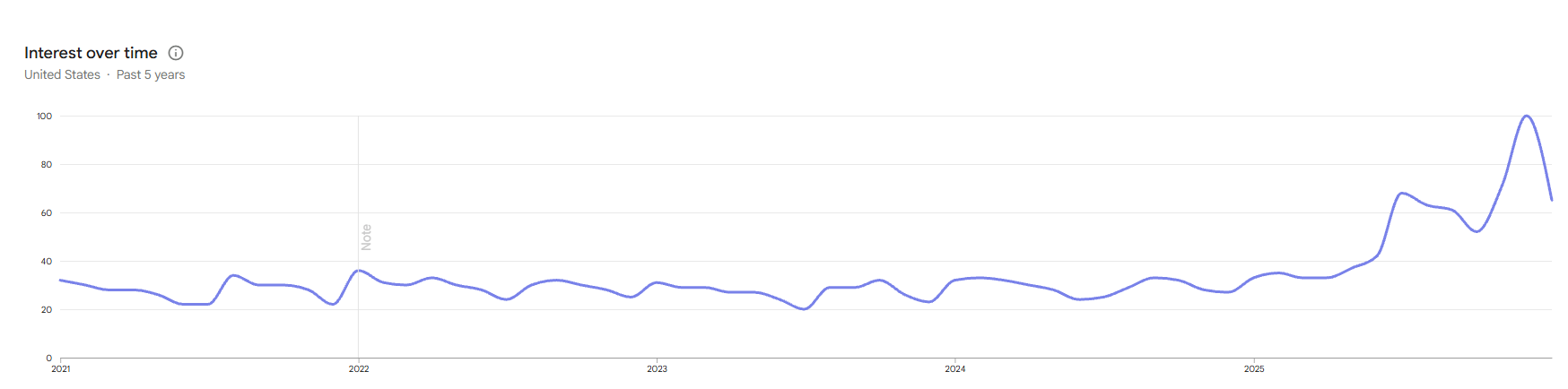
Using Google Trends and broader market data, the following sectors stand out as strong growth areas in 2026 that are well-suited for home-based and small business owners.
Table of Contents

Trend 1: Preventive Health and Everyday Wellness
Health is no longer viewed as something you deal with only when something goes wrong. Consumers are shifting toward preventive, everyday wellness, focusing on habits, routines, and tools that help them feel better long before a doctor visit is needed.
Search interest continues to grow for topics related to sleep quality, gut health, mobility, mental clarity, hormone balance, and stress reduction. People want practical solutions they can integrate into busy lives, not extreme fitness plans or complicated diets.
How small businesses can capitalize:
- Wellness coaching and habit consulting delivered virtually, focusing on sleep, stress, or lifestyle optimization
- Niche digital products, such as meal planning systems, mobility routines, or recovery guides
- Physical products like ergonomic accessories, recovery tools, or wellness kits curated for specific audiences
- Corporate or small-team wellness programs offered remotely to businesses seeking affordable employee benefits
The opportunity here is not being a medical expert, but helping people apply wellness principles in realistic, sustainable ways.
Trend 2: Sustainable, Repair-Oriented, and Ethical Consumption
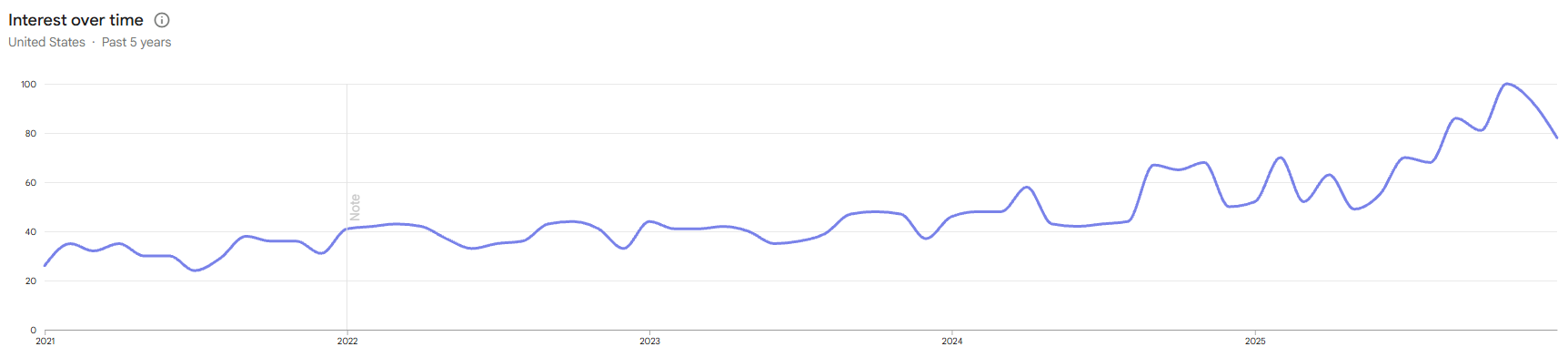
Sustainability has matured. Consumers are no longer just buying “eco-friendly” labels. They are becoming more intentional about buying less, repairing more, and supporting ethical brands that align with their values.
Google Trends shows steady growth in searches related to resale, upcycling, repair services, refill products, and ethical sourcing. People want to reduce waste without sacrificing quality or convenience.
How small businesses can capitalize:
- Repair and refurbishment services for clothing, furniture, electronics, or specialty items
- Resale and recommerce businesses, especially niche or curated secondhand markets
- Sustainable product brands that emphasize durability, refillability, or ethical sourcing
- Education-based businesses teaching consumers how to repair, reuse, or live more sustainably
This trend favors small businesses because authenticity matters. Customers trust small, transparent brands more than large corporations making sustainability claims.
Trend 3: Mental Fitness, Mindfulness, and Emotional Skills
Mindfulness has evolved into something broader. In 2026, the focus is on mental fitness, emotional resilience, and practical stress management. Consumers are seeking tools that help them think clearly, manage anxiety, and stay focused in a distracted world.
Interest continues to rise for meditation, breathwork, emotional intelligence, and nervous system regulation. Unlike earlier years, people want actionable methods, not abstract philosophy.
How small businesses can capitalize:
- Virtual coaching or group programs centered on stress management, focus, or emotional resilience
- Subscription-based content such as guided practices, audio sessions, or journaling systems
- Workplace mental wellness training for teams and leaders
- Physical products like journals, planners, or calming tools designed for specific lifestyles
This trend pairs well with digital delivery, making it ideal for home-based entrepreneurs.
Trend 4: Local, Service-Based Businesses with Digital Reach
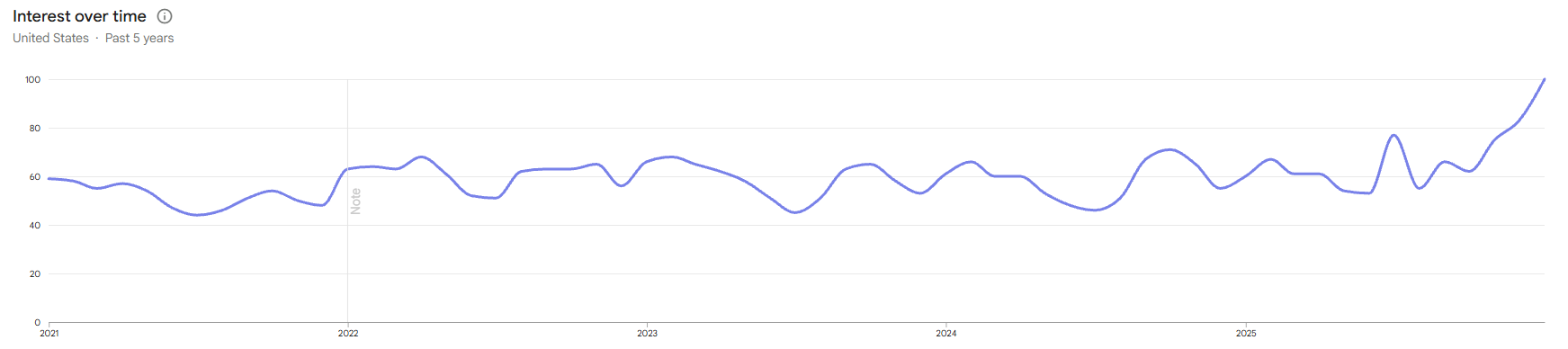
While technology continues to advance, consumers are increasingly drawn to local expertise paired with digital convenience. Search interest shows growth in service businesses that combine personal attention with online booking, consultations, and delivery.
People want real humans, but they expect modern systems.
How small businesses can capitalize:
- Home-based consulting or services such as bookkeeping, marketing, tutoring, or coaching
- Local niche services with online scheduling, payment, and virtual consultations
- Specialized B2B services targeting small businesses that need expertise but not full-time staff
- Education and support services for non-technical audiences adapting to digital tools
This trend rewards entrepreneurs who understand both people and systems.
Trend 5: AI-Enabled Small Business Services
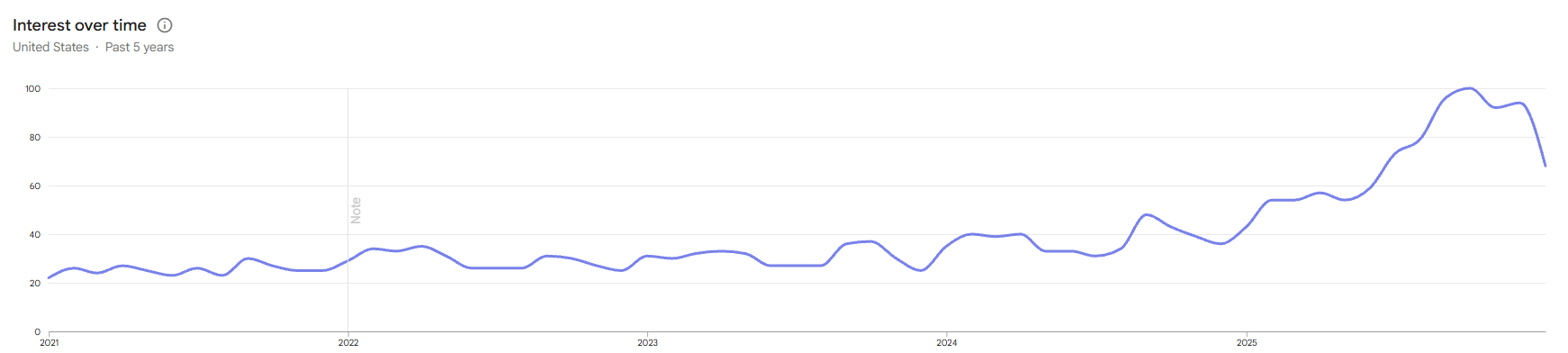
Artificial intelligence is no longer just for large companies. In 2026, the real opportunity lies in AI-assisted services, not building complex technology from scratch.
Search interest continues to grow around AI tools for writing, scheduling, design, customer service, and analytics. Small businesses want help using AI effectively, not learning it from scratch.
How small businesses can capitalize:
- AI-powered service offerings, such as content creation, customer support setup, or workflow automation
- Consulting and implementation services helping small companies adopt AI tools responsibly
- Niche AI products built on existing platforms for specific industries
- Training and education focused on practical AI use for everyday business tasks
You do not need to be a developer. The value is in knowing how to apply AI to real problems.
Trend 6: Digital Education and Skill Monetization
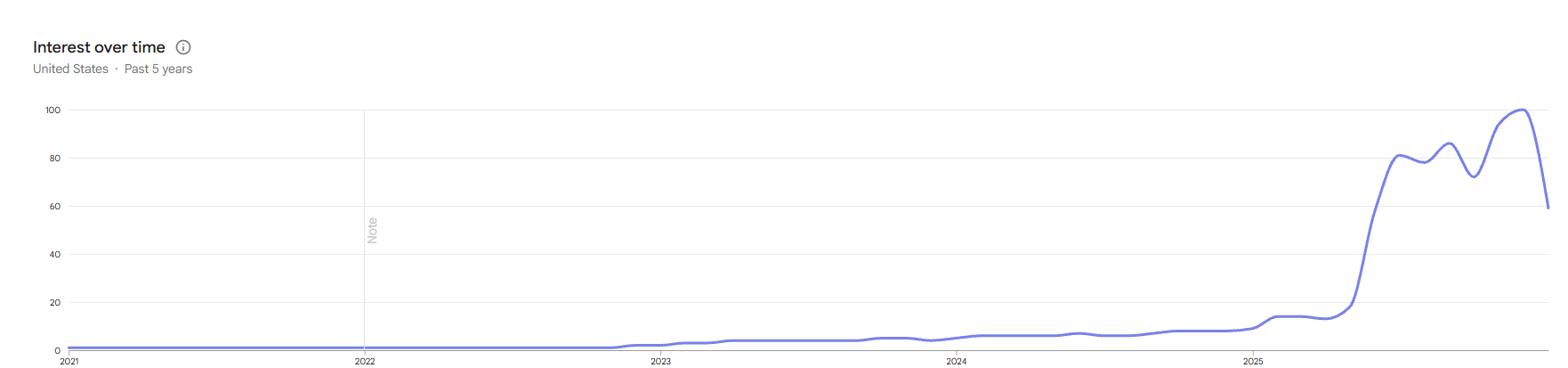
The demand for learning has shifted toward practical, outcome-driven education. Consumers want skills that help them earn more, work better, or live more efficiently.
Search interest shows consistent growth in online courses, templates, toolkits, and coaching programs tied to real-world application.
How small businesses can capitalize:
- Online courses or workshops teaching specific, in-demand skills
- Templates, checklists, and systems that save time or reduce complexity
- Membership communities built around shared goals or professions
- One-on-one or group coaching paired with digital resources
This trend allows entrepreneurs to monetize expertise they already have.
Final Thoughts: Turning Trends Into Profitable Businesses
Trends reduce guesswork. When consumer interest is already growing, your job becomes solving problems better, more personally, or more efficiently than what already exists.
The most successful home-based businesses in 2026 will not chase every trend. They will choose one, understand it deeply, and serve a clearly defined audience with consistency and credibility.

Frequently Asked Questions
What is the best business to start from home in 2026?
The best home-based business in 2026 aligns with growing consumer demand and your existing skills. Wellness services, digital education, AI-assisted services, and local consulting businesses are strong options because they require low startup costs and can be scaled digitally.
Are home-based businesses still profitable?
Yes. Home-based businesses remain highly profitable because they minimize overhead. With the rise of digital tools, remote services, and online marketplaces, many entrepreneurs can reach national or global audiences from home.
How do I know if a trend is worth pursuing?
Look for steady growth in search interest over several years, not sudden spikes. Trends tied to lifestyle changes, technology adoption, or long-term consumer values tend to have staying power.
Do I need a lot of money to start a trend-based business?
Most trend-based home businesses require more insight than capital. Many successful businesses start with services, digital products, or consulting before expanding into physical products.
How often should I update a trends article?
Updating annually is ideal. Keep the URL evergreen and refresh examples, data points, and opportunities as markets evolve.

What a great article! It’s clear that you are passionate about this subject, which is a refreshing change from most authors. I bet your content will soon get picked up by a major syndicate. Thank you for bringing this information out, it’s much appreciated!