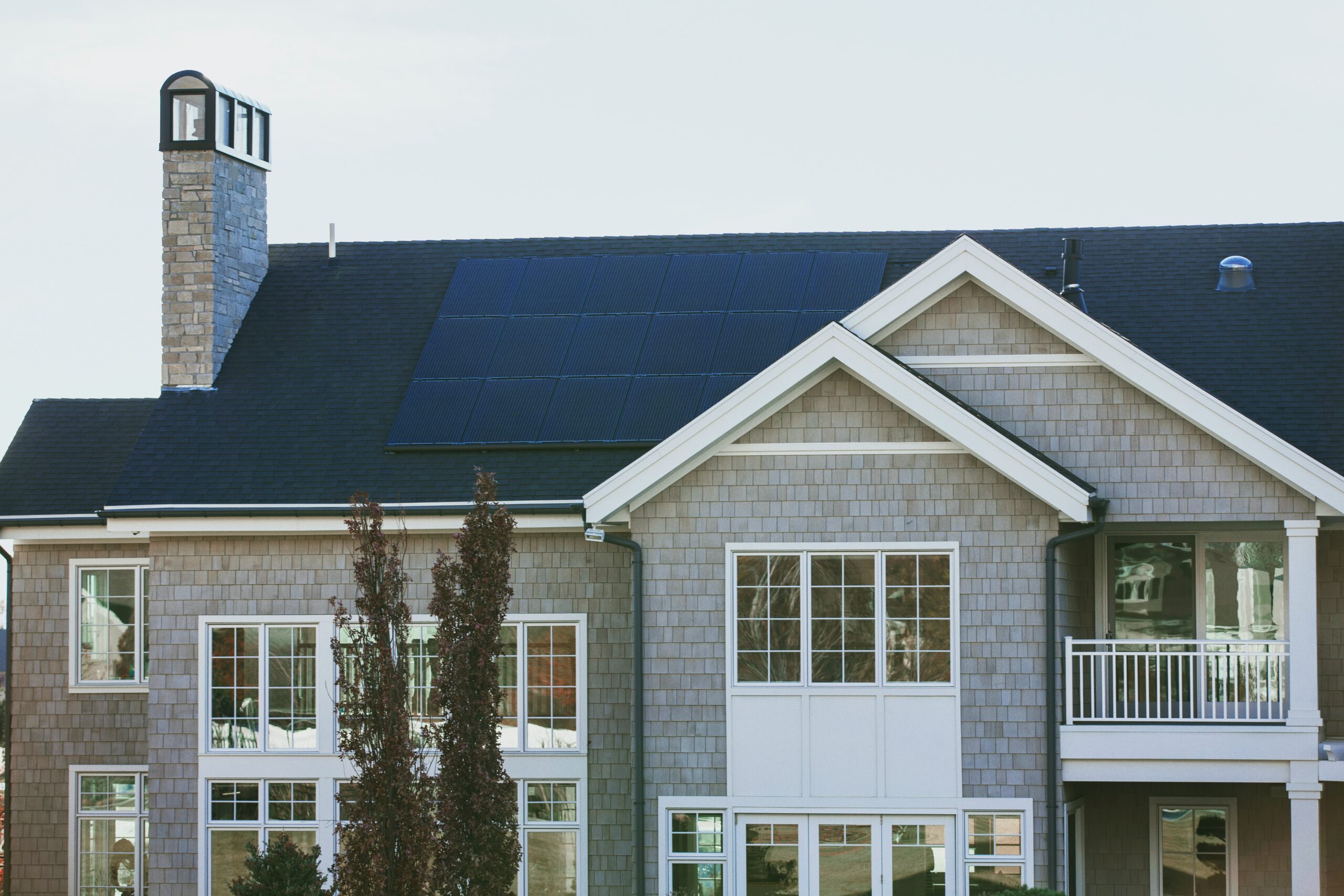
Home businesses today rely heavily on consistent power to keep operations running smoothly. Disruptions caused by unexpected power outages lead to lost revenue, missed deadlines, and damaged equipment. Likewise, the increasing reliance on digital tools, communication networks, and online transactions has made uninterrupted power supply more essential than ever.
For many business owners, even a brief outage can halt progress, causing delays that impact clients and bottom lines. Solar power and a quality home battery backup can help home business owners avoid these issues by offering a reliable energy source that operates independently from the grid. With solar energy, business owners can maintain their operations during blackouts, safeguarding their reputation and productivity.
This article explores how solar power can help you prepare for power outages and emergencies, highlighting the long-term benefits of this sustainable energy solution.
Table of Contents
How Solar Power Provides Energy Independence
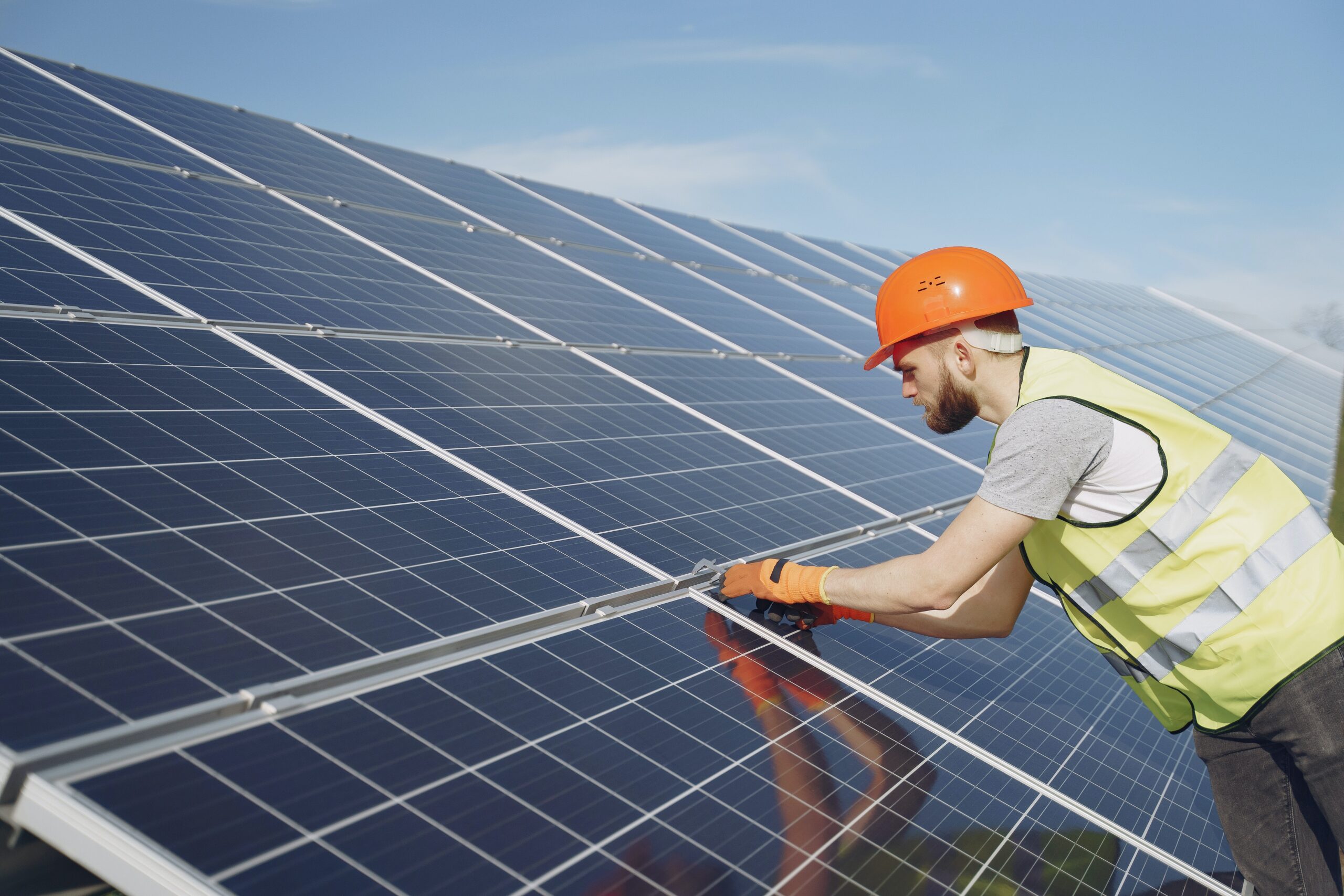
Solar power gives home business owners the chance to achieve greater energy independence. By installing solar panels, businesses can generate their own electricity, reducing the need to rely on external power sources. Solar energy systems work even when the local power grid faces outages, giving home business owners a dependable solution for keeping the lights on and equipment powered.
In contrast to traditional generators, which often require costly fuel and produce emissions, solar power offers a cleaner, more sustainable option. Solar panels provide an eco-friendly alternative, reducing pollution and long-term energy costs. As energy rates fluctuate, solar power can help create a more predictable and manageable energy budget. Additionally, solar panels contribute to a business’s long-term resilience by lowering its dependence on unstable energy grids.
Solar Power Systems as a Long-Term Investment
Solar power is an excellent long-term financial decision for home business owners. By generating your energy, you can significantly reduce electricity bills over time. Solar panels can cut energy costs by 50% or more, depending on location and usage. Over a typical 25 to 30-year lifespan of a solar system, this will result in substantial savings. The return on investment (ROI) is typically achieved within 7 to 10 years, after which the system continues to provide low-cost energy. Solar energy storage systems also help manage peak energy usage, saving even more on utility bills by storing excess power for later use.
Solar installations are known for their durability, with most systems requiring minimal maintenance. The materials used in modern panels withstand various weather conditions, making them a reliable choice for the long haul. Panels often come with warranties lasting 20 to 25 years, giving business owners peace of mind.
Emergency Backup: How Solar Power Can Help Home Business Owners
One of the most practical benefits of solar power is ensuring that your business can continue to function even when the grid goes down. By pairing solar panels with battery storage, you can store energy during sunny days and use it when blackouts occur.
Essential systems that benefit from solar backup include:
- Computers and servers: Keep vital data and communication flowing during power disruptions.
- Lighting: Maintain a well-lit workspace for safety and productivity.
- Refrigeration: Protect perishable goods, especially for food-based businesses.
- Camera surveillance: Solar powered camera surveillance will continue monitoring your premises and keeping your business secure.
By integrating a solar-powered camera surveillance system, business owners can protect their property without worrying about security lapses when traditional systems lose power.

Battery Storage: A Key Component in Emergency Preparedness
Battery storage is an indispensable part of any solar power system, especially for businesses preparing for emergencies. These systems store excess solar energy generated during sunny periods, ensuring it’s available for future use when needed. Besides, they provide instant power during outages, helping maintain business operations without disruption. With solar energy stored, businesses can keep essential systems running even if the grid fails.
There are different types of batteries available, each with its benefits. Lithium-ion batteries, for example, are known for their efficiency and longer lifespan, making them a popular choice for solar power storage. Lead-acid batteries, while older, are more affordable and reliable for smaller energy needs. Though less common, flow batteries offer the benefit of handling large amounts of stored energy over long periods.
The Environmental Benefits of Solar Power
Solar power offers significant environmental benefits for home enterprises, making it an excellent choice for those seeking to reduce their carbon footprint. As an illustration, by switching to solar energy, you can cut down on greenhouse gas emissions that come from using traditional fossil fuels. Besides helping to reduce pollution, this shift also contributes to broader sustainability efforts around the globe.
Being an eco-conscious business also enhances your brand’s appeal to customers who prioritize green practices. Many consumers today prefer to support companies that take steps toward sustainability, making solar energy a wise move for improving your reputation.
Lastly, solar power encourages long-term environmental protection, helping preserve natural resources by reducing the demand for non-renewable energy sources.
Government Incentives and Rebates
Government incentives play a significant role in lowering the cost of solar power installations for home business owners. On the other hand, these incentives can help reduce the upfront expenses, making solar power more affordable. Depending on your location, tax credits, rebates, and grants are widely available, which can offset a substantial portion of the installation cost.
Home business owners can take advantage of federal tax credits, such as the Solar Investment Tax Credit (ITC), which allows you to deduct a percentage of the installation cost from your federal taxes. In addition, some states and local governments offer additional rebates or grants to reduce the financial burden further. These programs make solar energy accessible investment for small business owners looking to cut energy costs.

Preparing for Natural Disasters with Solar Power
Solar power offers a reliable solution for home business owners preparing for natural disasters. One of the main advantages is that solar panels are built to withstand extreme weather conditions, such as high winds and heavy rain, giving business owners peace of mind during severe events.
Planning for grid outages and long-term energy disruptions becomes much easier with solar energy systems paired with battery storage. These systems store excess energy generated on sunny days, ensuring you have power during periods of grid failure. It makes solar an excellent option for businesses looking to maintain productivity during uncertain times.
Above all, solar power offers a renewable energy source that can keep your business running smoothly, regardless of external power interruptions. As natural disasters become more frequent, having a reliable, clean energy backup helps protect both your business and your long-term operations, ensuring you’re always prepared.
How to Start with Solar Power for Your Home Business
When starting with solar power for your home business, the first step is to find a reputable solar provider. They can provide expert advice on the right system for your specific needs. Further, evaluate your business’s energy requirements by considering your daily usage, peak times, and potential for future growth. It will help you choose the right solar system size to meet your needs. You can start with a smaller system and expand it as your business grows, making it a cost-effective solution in the long run.
When it comes to financing, there are several options available, including loans, leases, and power purchase agreements (PPAs). Each option has pros and cons, so you should research thoroughly. The installation process is straightforward, and many providers handle permits, inspections, and setup.
Final thoughts
In conclusion, switching to solar power provides numerous benefits for home business owners. It offers energy independence, reduces electricity bills, and ensures backup power during emergencies. Solar power can help home business owners stay prepared, reduce their carbon footprint, and take advantage of government incentives. By investing in solar energy, you make a smart choice for long-term savings and sustainability. Not to mention, it’s an environmentally friendly solution that appeals to eco-conscious customers. Overall, solar power is a flexible and scalable option that supports the future growth of your business.