

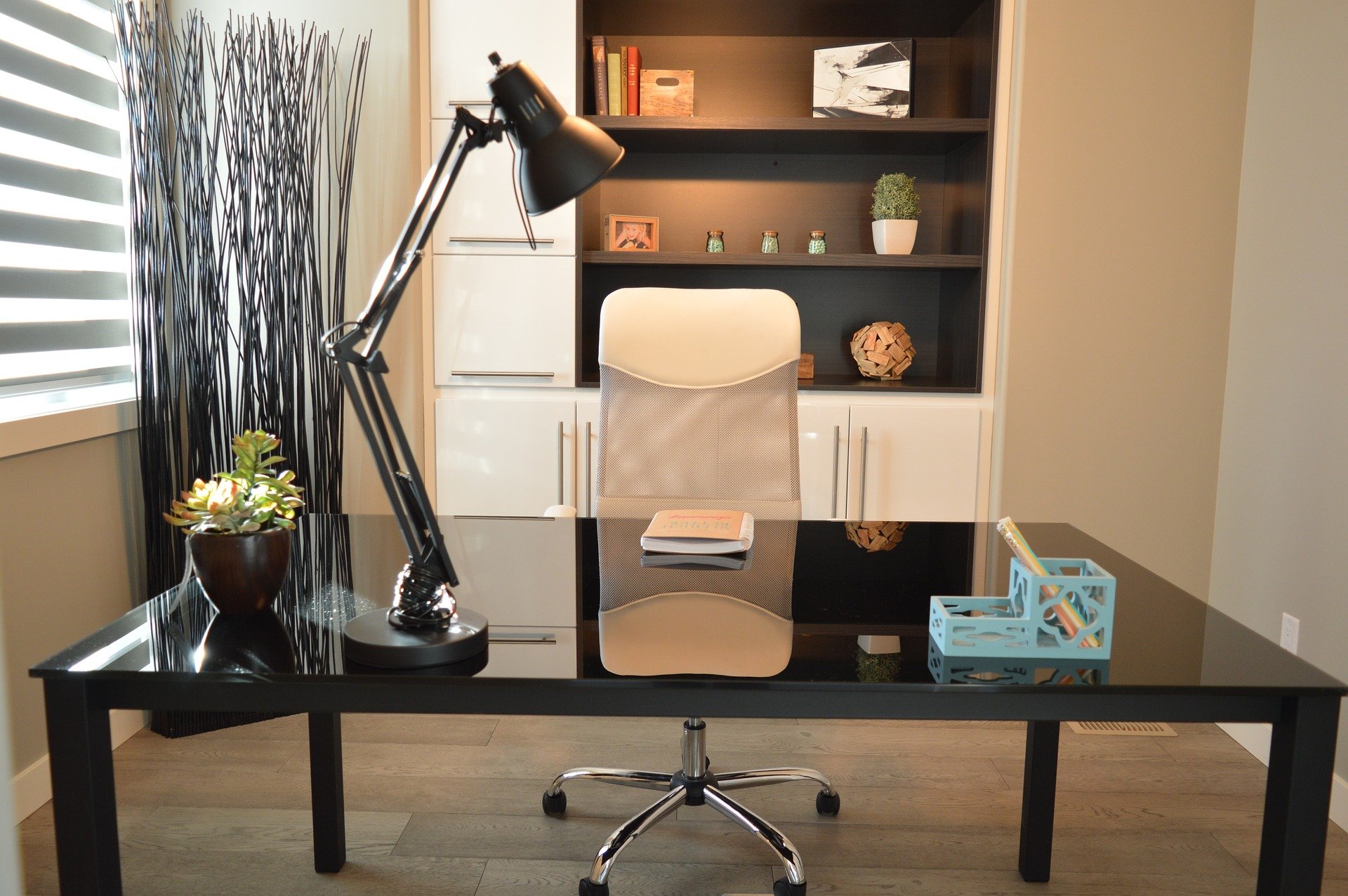
Reorganizing your office space and clearing up unnecessary clutter can help you get work done with a fresh mindset, in a productive environment. The way you manage your files, devices, furniture, wires, papers, and other important belongings reflects your personality and affects your employer’s and boss’s impressions of you. If you keep your belongings in an organized manner, not only will it create a positive impact on the people above you, but it will also create a productive and creative environment for you to flourish in. Moreover, decluttering your office will help you save time and energy as you’ll avoid the confusion of trying to locate important or confidential files. If you have decided to improve your workflow by reorganizing everything around you, this article will give some inspiring ideas on how to rearrange your office space.
1. Organize Paper Piles
The basic clutter problem that every unorganized office space faces is the heaps and piles of paper that cannot be discarded but also have no active use in the present moment. These paper piles not only make your space feel like a garbage can but also get in the way of important office equipment that is essential for your workflow or any meetings. It decreases the productivity and efficiency of your work and consumes a greater amount of your precious time. That’s why it’s necessary to categorize your important papers in proper order in order to find them easily whenever needed.
2. Organize Your Desk
The desk is the basic furniture where all your important devices and office necessities are usually stored. Having a clean and organized desk lets you work the way you prefer to while leading a productive workflow. Plus, you can also leave a positive impression on your boss. However, while removing clutter from your desk, you need to think of questions like what Multiple Storage Solutions do you need? Which devices and papers should be placed on the desk? How can you organize all of it in the best possible way? The answer is quite simple; you can use open shelves, locked cabinets, and drawer dividers for storage. In addition, use labeled files, color-coded documents, and wireless devices to organize your office desk with clean space.

3. Open Shelves
Building open shelves in your office space gives you extra storage space within the same area; you can now easily store more office files, books, documents, records, etc. You can arrange these documents through a categorized, color-coordinated filing system. However, the services you opt for when building your office shelves should be reliable. This way, you can give your open shelves an organized look and easily make your working time productive and effective.
4. Have a Cleaning Routine
When the piled-up papers, unorganized documents, and other clutter are stored on shelves and drawers in a random, unorganized manner, it becomes quite difficult to take a day or two off solely for the rearrangement of the office. That’s why it’s better to sift through your office papers and clutter regularly; to avoid a pile-up you’ll definitely regret later on. The best way to do this is to put things in their proper places right after using them.
If you want to focus on your work and make your work more productive and stress-free, it’s better you keep your office free from trash and unorganized heaps. Since the skills to organize your working area also count as an important feature in your job application, it’s time to change your passive attitude and adopt professional ways of working; this will surely contribute to you climbing that ladder at your job.
