Garage door installation, repair, and maintenance can be a profitable add-on service for home improvement businesses. Learn why demand is strong, what skills and tools are needed, how to handle safety and compliance, and how to market garage door services to existing and new customers.
Key Takeaways
- Garage door services can be a natural extension for contractors, remodelers, handyman businesses, and other home improvement professionals.
- Demand is supported by homeowners’ interest in curb appeal, security, energy efficiency, convenience, and home value.
- Safety and compliance are critical because garage doors are heavy moving systems that involve springs, tracks, automatic openers, sensors, and electrical components.
- Business owners should check state and local licensing, permit, insurance, and building code requirements before offering garage door installation or repair.
- The easiest way to start is often by specializing in a limited set of services, such as garage door replacement, opener installation, preventive maintenance, or weather sealing.
Running a home improvement business means constantly looking for services that your existing customers already need, value, and are willing to pay for. Garage door services can fit that description well. For many homeowners, the garage door is one of the most visible parts of the home’s exterior. It affects curb appeal, daily convenience, security, energy efficiency, and even resale value.
For contractors, remodelers, handyman businesses, and other service-based home improvement companies, adding garage door installation, repair, or maintenance can create a new revenue stream without requiring you to build an entirely separate business from scratch. If you already serve homeowners, have construction or repair skills, and understand how to manage on-site projects, garage door services may be a practical way to expand.
The opportunity is especially attractive because garage door replacement has been one of the highest-return exterior remodeling projects in recent industry reports. Zonda’s 2025 Cost vs. Value Report ranked garage door replacement as the top project for cost recouped, estimating an average job cost of $4,672 and a resale value of $12,507, or 267.7% cost recouped. While your customers may not be thinking only about resale value, this kind of data helps explain why many homeowners view a new garage door as a worthwhile upgrade.
At the same time, this is not a service to add casually. Garage doors are heavy mechanical systems, and poor installation can create serious safety risks. Springs, cables, openers, sensors, tracks, and panels all need to work together properly. Before offering garage door services, business owners need to understand the market, training requirements, tools, safety standards, and local code issues involved.
Table of Contents
Understanding the Garage Door Market
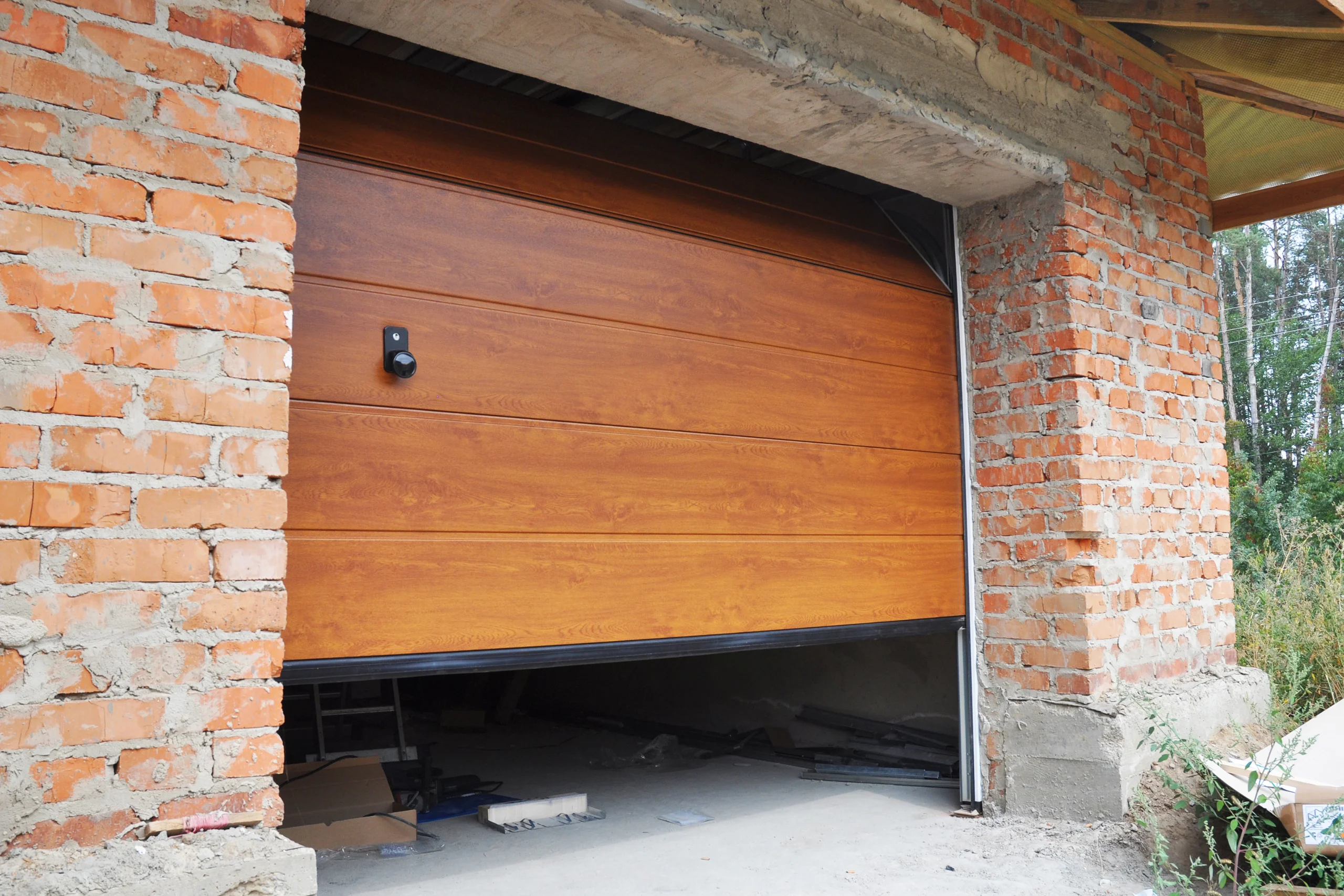
Garage doors are now far more sophisticated and varied than they once were. Homeowners are no longer limited to basic metal doors that simply open and close. Today’s options include insulated garage doors, carriage-style doors, glass-panel doors, smart garage door openers, wind-rated doors, and designs meant to match a home’s architecture. The variety of types on offer means business owners need to understand the differences between sectional doors, roller doors, side-hinged doors, insulated doors, and wind-rated doors before recommending a solution.
In hurricane-prone and other high-wind areas, contractors should also review FEMA’s Wind Retrofit Guide for Residential Buildings, which discusses opening protection for windows, entry doors, and garage doors, including protection of garage doors against wind pressure and windborne debris.
Common garage door types include:
Sectional Garage Doors
Sectional doors are among the most common residential garage doors. They are made of panels connected by hinges and move upward along tracks before resting horizontally near the ceiling. They are popular because they work well for many homes, are available in many materials and styles, and can be paired with automatic openers.
Roller Garage Doors
Roller doors move upward and coil into a roll above the opening. They are often used where ceiling space is limited or where a compact opening system is preferred. They can be useful for smaller garages, workshops, and some commercial applications.
Side-Hinged Garage Doors
Side-hinged doors open outward like traditional double doors. They can be appealing for homeowners who want a classic look or who use the garage more for storage, tools, hobbies, or foot traffic than for parking a vehicle.
Tilt-Up Garage Doors
Tilt-up doors are made from one solid panel that pivots upward. They are less common in modern residential installations but may still be found in older homes. Replacing or upgrading these doors can create opportunities for contractors who work on older properties.
Insulated Garage Doors
Insulated doors can help reduce heat transfer, improve comfort, and make the garage more usable throughout the year. These may be especially appealing to customers who use their garage as a home gym, workshop, studio, storage area, or business workspace.
The broader remodeling market also supports the opportunity. The National Association of Home Builders reported that remodeling market sentiment strengthened in late 2025, with demand supported by aging housing stock, strong homeowner equity, and aging-in-place needs. For home improvement businesses, this means homeowners may continue investing in upgrades that make their current homes more functional, attractive, and valuable.
Energy Efficiency and Weather Sealing
Garage door services can also be positioned as part of a broader comfort and energy-efficiency upgrade. The U.S. Department of Energy explains that weatherstripping can help seal air leaks around movable building components such as doors and operable windows.
DOE also notes that caulking and weatherstripping are two simple and effective air-sealing techniques that can help reduce energy loss. For homes with attached garages, DOE’s guidance on insulating and air sealing floors over unconditioned garages is also relevant because the garage can affect comfort, energy use, and indoor air quality in nearby living spaces.
Why Garage Door Services Can Be a Smart Add-On
Garage door services can be a strong addition to a home improvement business because they sit at the intersection of repair, replacement, safety, and visual improvement. Unlike some remodeling projects that homeowners postpone for years, a failing garage door often demands attention. If the door will not open, closes unevenly, makes loud grinding noises, has broken springs, or creates a security risk, the homeowner needs help quickly.
Adding garage door services can also increase the lifetime value of your existing customers. A homeowner who hired you for general repairs, exterior improvements, remodeling, or handyman work may prefer to call a business they already trust rather than search for a separate garage door company.
Garage door services can include:
- New garage door installation
- Garage door replacement
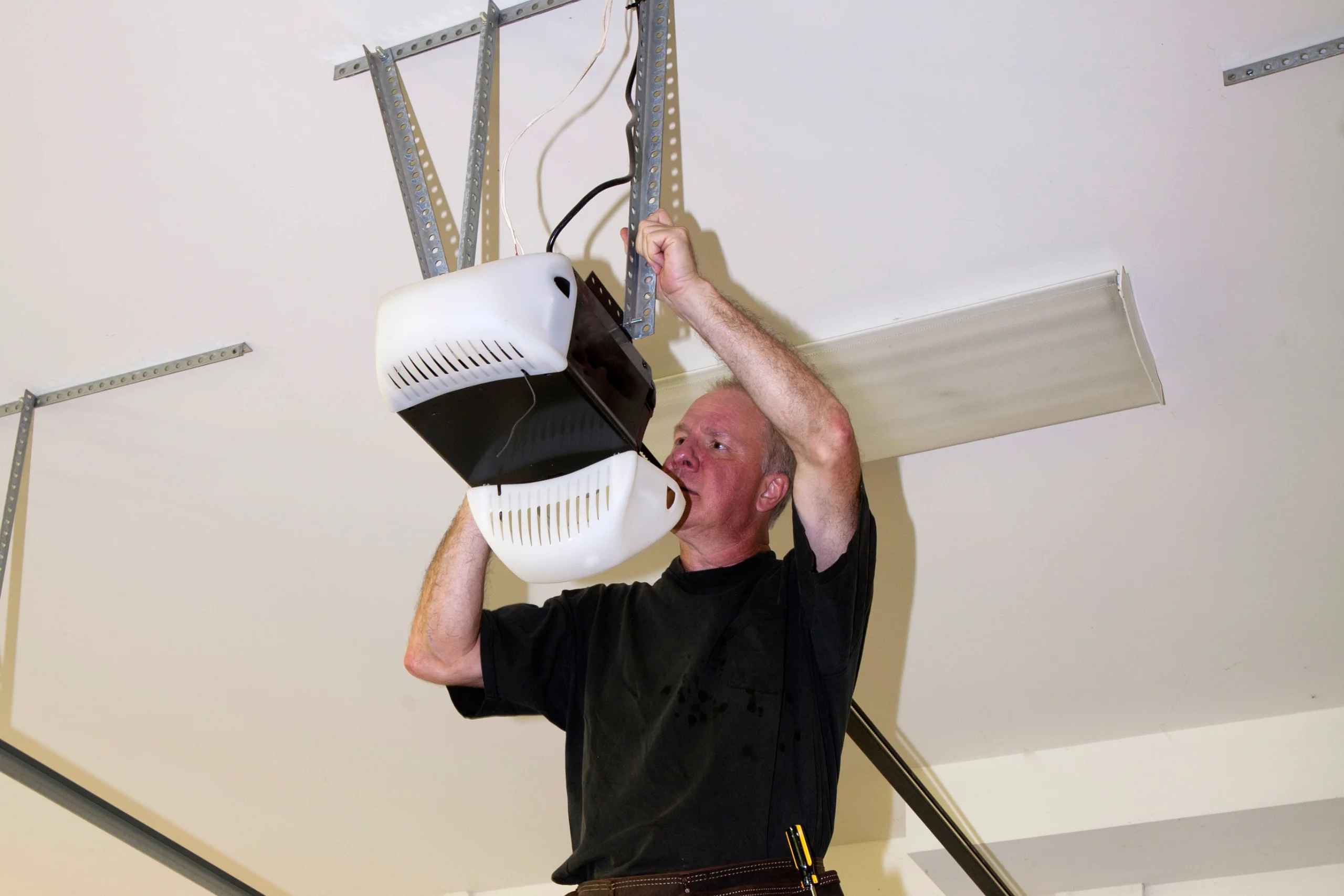
- Garage door opener installation
- Smart garage door opener setup
- Spring, cable, roller, and track repair
- Weatherstripping and sealing
- Panel replacement
- Preventive maintenance
- Safety inspections
- Noise reduction and lubrication
- Insulation upgrades
- Emergency repair services
You do not need to offer every service at the beginning. In fact, it may be better to start with a focused menu of services you can deliver safely and consistently. For example, a handyman business may start by offering garage door inspections, lubrication, weatherstripping, and opener troubleshooting, while referring high-risk spring replacements or major installations to a specialized technician until proper training and insurance are in place.
Skills and Equipment Needed
A garage door may appear simple from the outside, but a safe installation depends on precise alignment, proper hardware, suitable fasteners, correct spring tension, functional safety sensors, and compliance with the manufacturer’s instructions. The Door & Access Systems Manufacturers Association notes that installing a garage door can be dangerous and recommends trained door systems technicians for installation.
You’ll need a range of tools and equipment, including drills, impact drivers, levels, winding bars, clamps, locking pliers, sockets, ladders, fasteners, safety glasses, gloves, and measuring tools. Depending on the job, you may also need masonry screws, framing tools, electrical testing equipment, sealants, weatherstripping materials, and manufacturer-specific installation hardware.
In some cases, building work might be required to make the opening fit for purpose. The header, jambs, framing, floor level, and surrounding structure may affect how well the garage door operates. Making that assessment requires construction knowledge, not just basic installation ability.
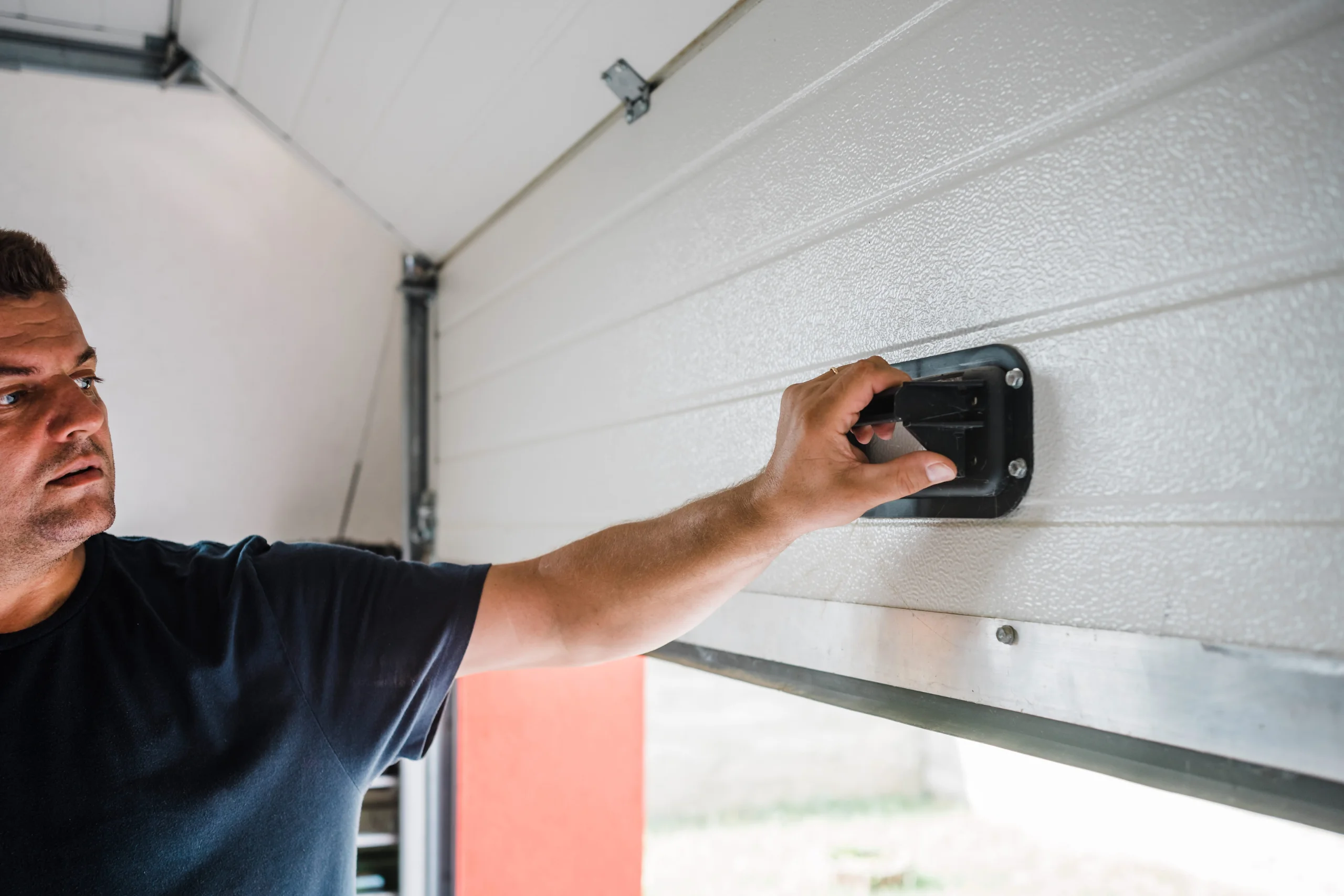
In many cases, a safe garage door installation will rely on specific devices, like a limit switch, photoelectric sensors, auto-reverse systems, opener controls, and properly adjusted tracks. These components help stop the door from traveling too far, closing on an obstruction, or operating in an unsafe manner.
Business owners should also understand federal safety rules for automatic residential garage door operators. The U.S. Consumer Product Safety Commission explains that automatic residential garage door operators must comply with the federal safety standard under 16 CFR Part 1211, making safety compliance an essential part of this service.
Safety, Training, and Compliance
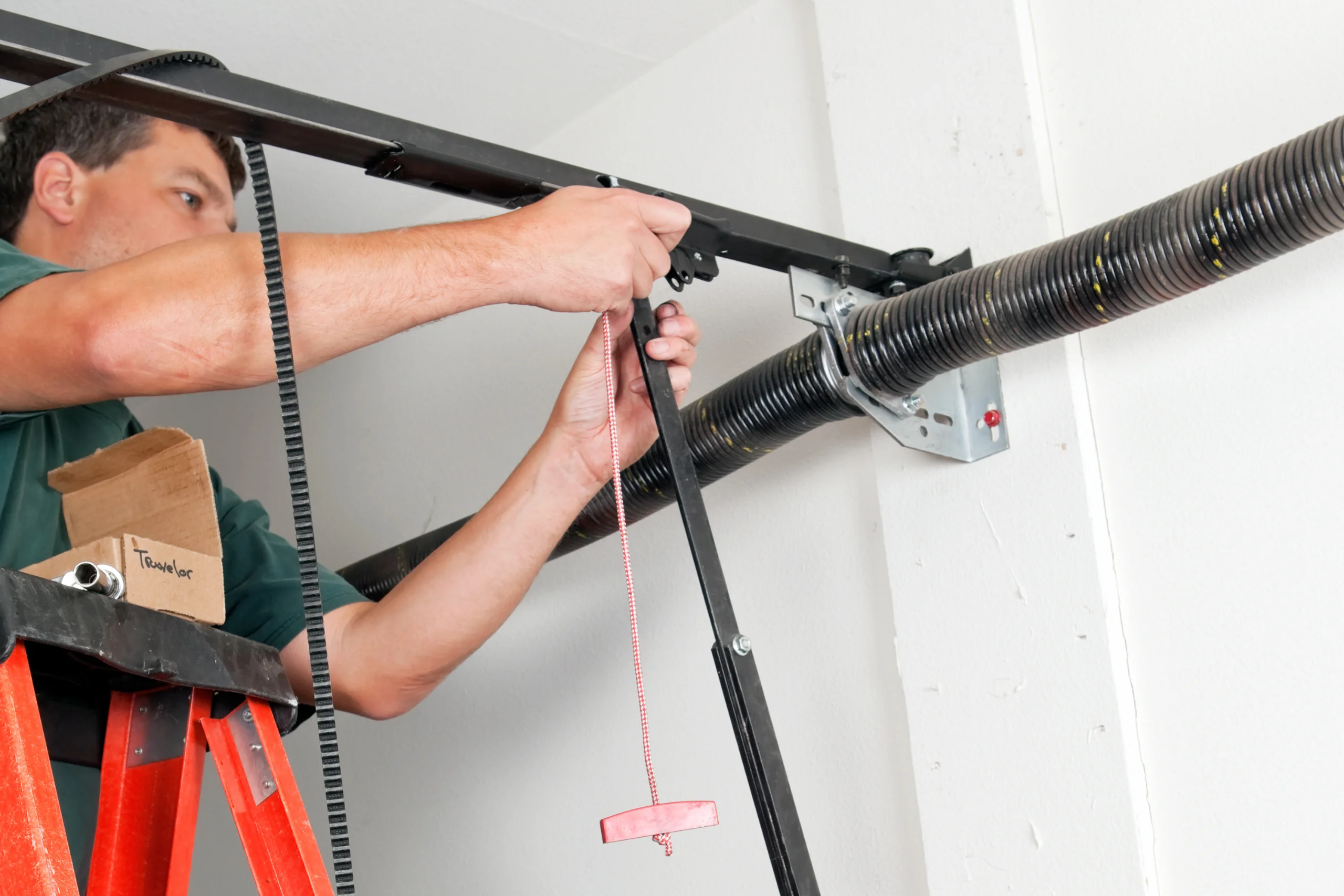
Safety should be the foundation of any garage door service. Garage doors are heavy, and the spring systems used to counterbalance their weight can be dangerous when handled incorrectly. A mistake can cause property damage, injury, or liability for your business.
Before adding this service, consider the following:
Training
Look for manufacturer training, industry training, or apprenticeship opportunities with experienced garage door professionals. If you plan to install specific brands or opener systems, review the manufacturer’s instructions and warranty requirements carefully.
Licensing and Permits
Before adding garage door services, check your state, county, and city requirements. The U.S. Small Business Administration notes that the licenses and permits a business needs depend on its activities and location, so a home improvement business should verify whether garage door installation falls under general contracting, specialty contracting, home improvement licensing, or local permit rules.
You’ll also want to become familiar with relevant building codes applicable in your state. The International Code Council notes that the International Residential Code includes garage door provisions related to permitting, wind-load labeling, opener listing, and other requirements. Depending on your location, local code officials may also have requirements related to wind resistance, fire separation, electrical work, structural framing, and attachment methods.
Insurance
Talk to your insurance provider before offering garage door services. Your existing general liability policy may not automatically cover all types of installation, repair, or mechanical door work. You may need updated general liability coverage, workers’ compensation, commercial auto coverage, tools and equipment coverage, and completed operations coverage.
Worker Safety
Garage door installation and repair may involve ladders, overhead work, heavy materials, power tools, and electrical components. OSHA’s guidance on fall protection in residential construction is a useful resource for employers because residential construction work often involves elevated work and fall hazards.
OSHA also provides specific ladder safety guidance, including reminders to keep the areas around the top and bottom of ladders clear and to use proper locking devices on stepladders. Even if your business is small, you should have written safety procedures for ladder use, lifting, tool handling, jobsite cleanup, and working near tension-loaded springs.
Documentation
Good documentation protects both the customer and the business. Keep copies of estimates, signed approvals, permits, product specifications, manufacturer instructions, warranty information, photos, invoices, and completed inspection checklists. The IRS explains that good business records help owners monitor business progress, prepare financial statements, track deductible expenses, and support tax return items. For garage door services, records can also help resolve warranty questions, prove that safety checks were completed, and provide a useful reference if the customer later requests maintenance, repairs, or replacement parts.
How to Integrate Garage Door Services Into Your Business
Garage door services tend to be easier to integrate when they fit naturally with your current customer base. If your business already handles home repairs, exterior upgrades, carpentry, remodeling, or handyman projects, your customers may already see you as a trusted provider for this type of work.
Start by identifying the service level that matches your current skills and risk tolerance. You may choose one of several paths:
Option 1: Offer Maintenance and Minor Repairs First
This is often the safest entry point. You can offer lubrication, visual inspections, weatherstripping, sensor alignment, opener troubleshooting, noise reduction, and minor hardware replacement. This helps you build knowledge before taking on complex installations.
Option 2: Partner With a Garage Door Specialist
If your customers ask for garage door work but you are not ready to perform the work yourself, build a referral or subcontractor relationship with a qualified garage door company. This lets you serve the customer while reducing risk.
Option 3: Specialize in Garage Door Replacement
If you already have construction and installation experience, garage door replacement may be a strong niche. Many homeowners want a new door for curb appeal, improved function, or resale value. Specializing in a limited set of door types can help you build efficiency and avoid overextending your team.
Option 4: Add Smart Garage Door Technology
Smart openers, keypad entry systems, battery backup, cameras, and app-controlled access can appeal to homeowners interested in convenience and security. This can be a good add-on for businesses already comfortable with home technology or smart-home installations.
Marketing Your Garage Door Services
Once you decide to offer garage door services, make sure your customers know. Do not bury the new service on a general “repairs” page. Create a dedicated service page on your website explaining what you offer, the areas you serve, the types of garage doors you work with, and why homeowners should choose your business.
Your marketing should emphasize practical customer benefits:
- Improved curb appeal
- Better home security
- Quieter operation
- Easier daily access
- Better insulation
- Safer operation
- Higher perceived home value
- Reduced repair headaches
Before-and-after photos can be especially powerful because garage doors are highly visible. Encourage customers to photograph the finished work and share their experience on social media. With permission, add project photos to your website, Google Business Profile, Facebook page, Instagram, and local service listings.
You can also market garage door services through:
- Email announcements to past customers
- Seasonal maintenance offers
- Local SEO service pages
- Google Business Profile updates
- Yard signs during installations
- Referral discounts
- Partnerships with real estate agents
- Partnerships with property managers
- Home inspection follow-up services
- Bundled exterior improvement packages
For example, a home improvement business could package garage door services with exterior painting, siding repair, driveway cleaning, gutter cleaning, or front-entry upgrades. This positions the garage door as part of a bigger curb appeal improvement plan.
Pricing and Profitability Considerations
Pricing garage door services requires careful attention to labor, materials, travel time, risk, disposal, permits, and callbacks. Do not price only on the visible installation time. Include the time needed for measuring, quoting, ordering, pickup or delivery, removal of the old door, disposal, installation, testing, cleanup, warranty paperwork, and customer education.
Your pricing should account for:
- Door type and size
- Insulation level
- Material and design
- Opener type
- Hardware requirements
- Structural preparation
- Permit fees
- Labor complexity
- Emergency or after-hours work
- Disposal of old materials
- Warranty obligations
- Insurance and overhead
Create clear written estimates so customers understand what is included and what is not. For example, specify whether the quote includes the opener, tracks, springs, trim, weatherstripping, haul-away, permit fees, electrical work, or repairs to surrounding framing.
Overcoming Challenges and Ensuring Quality
The foremost challenge you’ll need to deal with is quality control, safety, and compliance. A poorly installed garage door can create noise, strain the opener, damage parts, or become unsafe. Make sure your team follows the manufacturer’s instructions, tests the door balance, checks the sensors, verifies the opener’s operation, and documents the completed job.
The U.S. Consumer Product Safety Commission’s guidance on automatic residential garage door operators is a useful resource when discussing opener safety, while OSHA’s guidance on fall protection in residential construction and ladder safety can help you build safer jobsite procedures. You’ll also want to offer clear written guarantees to customers and act quickly to address any complaint.
To protect your business, develop a standard process for every job:
- Measure the opening carefully.
- Inspect the framing and surrounding structure.
- Confirm the customer’s door style, material, insulation, and opener preferences.
- Check local permit and code requirements.
- Follow the manufacturer’s installation instructions.
- Test the door balance and opener operation.
- Test safety sensors and auto-reverse functions.
- Review operation and maintenance with the customer.
- Provide warranty information in writing.
- Photograph the completed installation for your records.
Quality control is also a marketing tool. Customers remember whether the door looks good, opens smoothly, closes quietly, and feels safe. They also remember whether your crew arrived on time, protected the property, cleaned up, and explained the system clearly.

Warranties and Customer Protection
If you offer warranties or service guarantees, put the terms in writing and explain exactly what is covered. The Federal Trade Commission’s Businessperson’s Guide to Federal Warranty Law explains the basic features of the Magnuson-Moss Warranty Act, the federal law governing warranties on consumer products.
For a garage door service business, this means customers should understand the difference between the manufacturer’s warranty on the door or opener and your workmanship warranty on the installation. Clear warranty terms can reduce disputes, improve customer trust, and make your business appear more professional.
Looking Ahead in Home Improvement
When a home improvement business is insufficiently diversified, it risks being caught flat-footed by shifts in homeowner demand, technology, and local building requirements. Garage door services can be a practical way to expand because they connect several homeowner priorities: curb appeal, security, convenience, weather protection, energy efficiency, and safety. Business owners should continue monitoring official guidance from agencies such as FEMA for wind-resistance considerations, DOE for energy-efficiency improvements, CPSC for opener safety, and SBA for licensing and permit requirements. Staying informed can help your company offer better recommendations, reduce risk, and build a stronger reputation for quality.
Garage door services are worth considering because they combine practical repair needs with visible home improvement value. Customers may call because something is broken, but they may also upgrade because they want a better-looking, quieter, safer, more energy-efficient, or more convenient door.
The key is to approach this opportunity professionally. Do not treat garage door services as a simple add-on that anyone with basic tools can perform. Invest in training, understand safety standards, verify licensing and insurance requirements, and start with services your team can deliver confidently.
Done well, garage door installation and maintenance can help your home improvement business expand its service menu, strengthen customer relationships, and capture more revenue from homeowners who already trust you with their property.
Frequently Asked Questions
Is adding garage door services a good idea for a home improvement business?
Yes, garage door services can be a strong add-on for home improvement businesses, especially if you already serve homeowners with repair, remodeling, exterior improvement, or handyman services. Garage doors are visible, frequently used, and important for security and convenience. Many customers need help with replacement, maintenance, opener installation, weather sealing, or repair. However, this service should be added carefully because garage doors involve heavy materials, spring tension, safety sensors, electrical components, and code considerations. The best approach is to start with services that match your current skills, get proper training, check licensing and insurance requirements, and build a repeatable process for quoting, installation, testing, and follow-up.
What garage door services should a small contractor offer first?
A small contractor may want to start with lower-risk services such as garage door inspections, lubrication, weatherstripping, opener troubleshooting, sensor alignment, keypad installation, and preventive maintenance. These services can introduce your business to the garage door market without immediately taking on the highest-risk work, such as torsion spring replacement or full door installation. As you gain training and experience, you can add garage door replacement, opener installation, panel replacement, and smart garage door technology. Another option is to partner with a specialized garage door technician while your business handles customer acquisition, project coordination, or related exterior home improvement work.
Do you need a license to install garage doors?
Licensing requirements depend on your state, county, and city. Some areas may treat garage door installation as general contracting, while others may require a specialty contractor license, local business license, permit registration, or proof of insurance. If electrical work is involved, such as installing a new outlet or wiring an opener, additional electrical licensing requirements may apply. Before offering this service, check your state contractor licensing board, local building department, and city or county business licensing office. You should also confirm whether garage door replacement requires a building permit in your area, especially in regions with wind-load, fire separation, or structural requirements.
What are the biggest risks of offering garage door repair or installation?
The biggest risks are safety, liability, poor installation quality, and code noncompliance. Garage doors are heavy, and spring systems can be dangerous if handled incorrectly. Poorly installed doors can fall, jam, damage vehicles, strain openers, or fail to reverse when they encounter an obstruction. There are also business risks, including warranty claims, customer complaints, property damage, and insurance coverage gaps. To reduce risk, get proper training, follow manufacturer instructions, use checklists, document each job, carry appropriate insurance, and avoid work that exceeds your team’s skill level. When in doubt, subcontract or refer specialized work to an experienced garage door professional.
How can a home improvement business market garage door services?
Start with your existing customers. Send an email announcing the new service, add it to your website, mention it on invoices or estimates, and train your team to identify garage door issues during other home improvement visits. Create a dedicated garage door service page optimized for your local market, and include before-and-after photos, service descriptions, safety messaging, and clear calls to action. You can also promote seasonal maintenance packages, curb appeal upgrades, smart opener installations, and bundled exterior improvement services. Local SEO is especially important because many homeowners search for garage door help only when they need service quickly.