

For entrepreneurs and remote professionals, a home is more than a living space—it’s a headquarters. Learn how strategic upgrades, maintenance, and smart planning can transform your home into a powerful business asset.
Key Takeaways
- Your home can function as a strategic business asset, especially for entrepreneurs and remote professionals.
- A well-designed workspace improves focus, productivity, and work-life boundaries.
- Infrastructure upgrades and structural improvements can strengthen both business operations and property value.
- Preventive maintenance reduces costly disruptions and protects the environment where your work takes place.
- Viewing your home as a long-term investment helps build equity and financial stability.
For many entrepreneurs, consultants, remote professionals, and small business owners, home is far more than a place for rest. It often functions as a headquarters where important decisions are made, projects are completed, and long-term financial strategies take shape. The rise of remote and hybrid work has accelerated this shift, transforming millions of homes into operational command centers for businesses of every size. What once served primarily as a personal living space now frequently doubles as an office, studio, workshop, or client meeting environment.
This change is not a niche trend. According to the U.S. Census Bureau’s American Community Survey, more than 27.6 million Americans now work primarily from home, illustrating how deeply integrated residential spaces have become with professional activity. At the same time, research from Stanford University has found that remote workers can be about 13% more productive than their in-office counterparts, due in part to fewer interruptions and more comfortable working environments. Together, these trends show that the home has evolved from a purely residential setting into a critical piece of business infrastructure for millions of professionals.
For entrepreneurs and independent professionals, the home is no longer separate from business operations—it is the infrastructure that supports them. When you rely on your home to conduct meetings, manage projects, and generate income, its condition, layout, and reliability directly influence your ability to work effectively. A poorly designed or poorly maintained workspace can create distractions and operational problems, while a well-organized and thoughtfully improved home environment can support sustained focus and smoother day-to-day operations.
Recognizing this reality can change the way business owners think about their property. Instead of viewing home improvements and maintenance purely as personal expenses, entrepreneurs can begin to see them as strategic investments that support productivity, operational stability, and long-term financial growth. A well-maintained and thoughtfully upgraded home can reduce disruptions, improve focus, and even increase the long-term value of one of the most important assets many professionals own.
Understanding how your home contributes to your professional life helps you make smarter decisions about upgrades, maintenance, and long-term planning. When your living space also functions as your headquarters, every improvement—whether it enhances comfort, strengthens infrastructure, or protects the structure itself—can play a meaningful role in supporting your business success.
Table of Contents

How Your Living Environment Influences Productivity
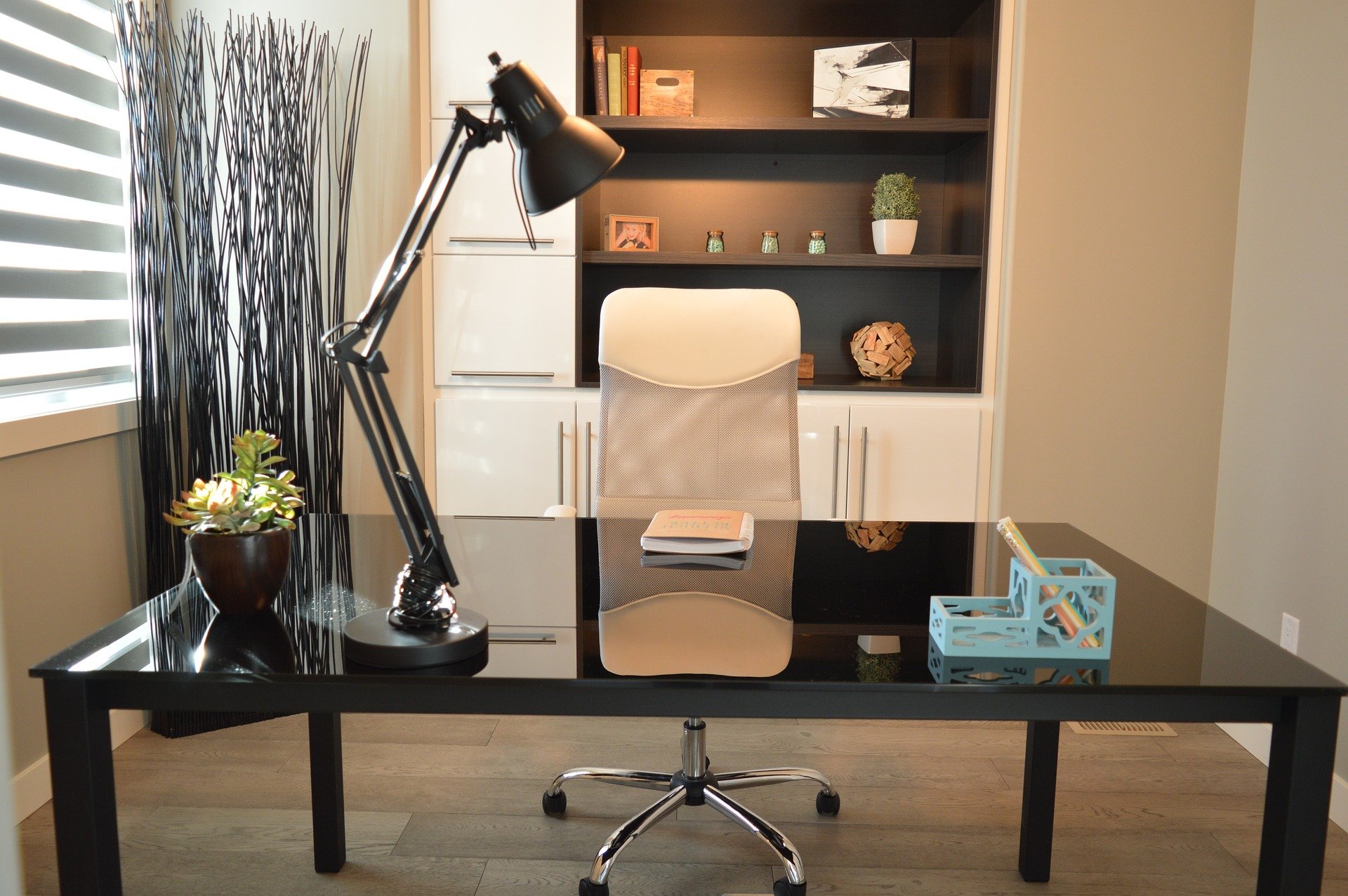
Your work setting directly influences your ability to focus and produce high-quality results, especially when your home doubles as your primary workplace. A clean, organized, comfortable environment reduces friction in the small moments that add up throughout the day.
When your desk area is cluttered, lighting is harsh, or your chair causes back strain, you don’t just feel mildly annoyed—you lose momentum, attention, and energy. On the other hand, natural light, quieter rooms, and functional furniture support stronger work habits because your environment stops competing with your brain for attention.
Even modest upgrades—replacing aging fixtures, updating flooring, reworking a room layout, or improving storage—can make your workspace feel more professional and easier to operate in.
Many remote professionals also designate a separate office area to maintain work-life boundaries, and that separation matters more than people realize. When your “work zone” is clearly defined, it becomes easier to enter work mode and easier to disconnect when the day is done, which reduces distraction and burnout over time. A dedicated space also encourages better routines: you can keep business materials organized, protect sensitive documents, and maintain a setup that’s always ready for client calls or deep work.
Investing in proper lighting, ergonomic furniture, and reliable technology isn’t about aesthetics—it’s about performance. The more supportive your home environment is, the more smoothly your business operations run, because you’re not constantly working around discomfort, interruptions, or inefficient setups. As your headquarters, your home shapes both your daily rhythm and your long-term potential, which is why improving it is often a productivity strategy as much as it is a homeownership decision.
Table 1: Productivity Upgrades for a Home-Based Workspace
Small environmental improvements can produce measurable gains in focus and efficiency. Research on workplace ergonomics and environmental design consistently shows that lighting, noise control, and physical comfort affect cognitive performance and work stamina. For entrepreneurs who rely on their homes as operational headquarters, these upgrades can pay for themselves quickly in improved productivity and reduced fatigue.
| Upgrade | Why It Matters | Business Impact |
|---|---|---|
| Natural or improved lighting | Reduces eye strain and improves alertness during long work sessions | Helps maintain focus and productivity throughout the day |
| Ergonomic chair and desk setup | Supports proper posture and reduces fatigue or back pain | Enables longer, more comfortable work periods |
| Noise reduction (windows, rugs, panels) | Limits distractions during calls, meetings, and deep work | Improves professionalism during virtual meetings |
| Dedicated office zone | Creates psychological separation between work and home life | Helps maintain routine and stronger work boundaries |
| Organized storage systems | Keeps documents, tools, and equipment easily accessible | Reduces wasted time and improves workflow efficiency |

Home Improvements That Support Business Growth
Strategic home improvements can significantly increase the functionality of a home-based business environment. While many homeowners focus on cosmetic upgrades, entrepreneurs often benefit most from improvements that enhance infrastructure, reliability, and long-term durability.
Upgrading electrical systems, for instance, ensures that your workspace can safely support modern technology such as multiple monitors, video conferencing equipment, servers, and specialized tools. Improved insulation can stabilize indoor temperatures, creating comfortable working conditions year-round while reducing energy costs. High-quality windows can also minimize outside noise, which is particularly valuable for professionals who frequently conduct virtual meetings or client calls.
Structural improvements are equally important. Issues such as water intrusion, outdated roofing materials, or aging building components can quickly disrupt daily operations. A leaking roof or structural damage can threaten valuable equipment, business records, and workspace integrity. Investing in necessary structural upgrades—including roof replacement when the structure has reached the end of its lifespan—helps prevent costly interruptions and protects the operational reliability of your home office.
Beyond functionality, many home improvements also increase property value. According to data from the National Association of Realtors, certain upgrades, such as roofing, insulation improvements, and exterior repairs, can deliver significant returns in both resale value and long-term durability. When viewed strategically, these improvements are not just household expenses—they are investments in the infrastructure supporting your professional success.
Table 2: Home Improvements That Support a Home-Based Business
Below is a quick overview of improvements that can directly strengthen a home-based business environment.
| Improvement | Business Benefit | Long-Term Financial Impact |
|---|---|---|
| Electrical upgrades | Supports computers, equipment, and servers | Prevents overload and increases property value |
| Improved insulation | Maintains consistent temperature for productivity | Reduces long-term energy costs |
| Window upgrades | Reduces outside noise for meetings | Improves energy efficiency |
| Roofing improvements | Protects workspace from leaks and structural damage | Prevents major repair costs |
| Dedicated office build-out | Improves focus and professionalism | Potential resale value boost |

Financial Advantages of Treating Your Home as an Asset
Viewing your home as a business asset can shift your mindset from passive homeownership to strategic financial management. Instead of seeing property maintenance as a series of unavoidable expenses, entrepreneurs begin to evaluate improvements based on long-term financial return, operational stability, and wealth creation.
One potential advantage involves tax considerations. Many home-based business owners may qualify for a home office deduction if they use a portion of their home regularly and exclusively for business purposes. While tax regulations vary and professional guidance is essential, the IRS allows qualifying entrepreneurs to deduct a portion of expenses such as utilities, internet service, insurance, and depreciation related to business use of the home.
Beyond tax considerations, real estate often plays an important role in personal wealth accumulation. According to the Federal Reserve’s Survey of Consumer Finances, home equity represents one of the largest sources of wealth for American households. Strategic property improvements can increase that equity while simultaneously improving your working environment.
For entrepreneurs, this dual benefit is especially powerful. Investments in property maintenance or upgrades can strengthen both daily productivity and long-term financial resilience. Over time, the appreciation of real estate combined with consistent improvements can create a valuable financial asset that supports business expansion, career transitions, or retirement planning.
The Role of Maintenance in Protecting Your Investment
One of the most overlooked aspects of homeownership—particularly for busy entrepreneurs—is routine maintenance. Deferred maintenance can gradually erode property value and eventually lead to expensive emergency repairs. For professionals who rely on their homes as business headquarters, these disruptions can be even more damaging.
Consider the potential consequences of neglecting common maintenance tasks. A malfunctioning HVAC system can make a home office unbearable during extreme weather. Plumbing leaks can damage walls, flooring, and electronics. Electrical issues can interrupt video meetings, disrupt equipment, and create safety risks.
Preventive maintenance dramatically reduces the likelihood of these problems. Simple tasks such as cleaning gutters, inspecting roofing materials, servicing heating and cooling systems, sealing windows, and checking exterior siding can prevent small issues from developing into major structural failures.
Structural improvements are equally important. Issues such as water intrusion, outdated roofing materials, or aging building components can quickly disrupt daily operations. A leaking roof or structural damage can threaten valuable equipment, business records, and workspace integrity. Investing in necessary structural upgrades—including roof replacement when the structure has reached the end of its lifespan—helps prevent costly interruptions and protects the operational reliability of your home office.
Table 3: Preventive Maintenance Tasks for Home-Based Businesses
| Maintenance Task | Recommended Frequency | Why It Matters for Business |
|---|---|---|
| Roof inspection | Annually | Prevents leaks that could damage equipment |
| HVAC servicing | Twice per year | Maintains comfortable working conditions |
| Gutter cleaning | Twice per year | Prevents water damage |
| Window sealing | Annually | Improves insulation and reduces noise |
| Electrical inspection | Every 3–5 years | Ensures safe operation of business equipment |
Consistent maintenance ensures your workspace remains reliable, comfortable, and safe. In many ways, maintaining your home is similar to maintaining business equipment—it protects your investment and ensures uninterrupted operations.

Creating a Home That Reflects Your Long-Term Vision
Entrepreneurs often speak about the importance of vision when building a business, but that same concept can also apply to the design and evolution of a home workspace. A thoughtfully designed environment can inspire creativity, reinforce discipline, and help maintain the momentum required for long-term professional success.
Many business owners intentionally design their workspaces to support focus and creativity. Color schemes, lighting design, storage solutions, and layout choices can influence energy levels and mental clarity. For example, clutter-free environments are frequently associated with improved concentration, while natural elements such as plants and natural lighting can enhance mood and reduce stress.
Long-term planning also plays an important role. As businesses grow, workspace requirements often change. Entrepreneurs may need additional storage for inventory, larger work surfaces for design or manufacturing tasks, or upgraded networking infrastructure to support remote collaboration.
By planning improvements with future needs in mind, homeowners can ensure that their properties evolve alongside their businesses. This strategic approach transforms the home into a flexible asset that supports both personal lifestyle and professional ambition.
Conclusion
For modern entrepreneurs, the home is often the most important piece of infrastructure supporting their work. It serves as an office, a studio, a planning space, and a base of operations for building financial independence. When treated thoughtfully, a home can become one of the most valuable assets in an entrepreneur’s portfolio.
Investing in improvements that enhance functionality, reliability, and long-term durability strengthens both productivity and property value. Routine maintenance protects your workspace from disruptions, while strategic upgrades can increase efficiency and build equity over time. Instead of viewing homeownership solely as a personal expense, entrepreneurs who see their homes as professional assets gain a clearer understanding of how their environment influences business success.
By treating your home as headquarters—and investing in its long-term strength—you create a stable foundation that supports both your career and your financial future.

FAQ
Is a home office considered a business asset?
Yes, in many situations a home office can be considered part of a broader business asset strategy. If a portion of your home is used regularly and exclusively for business purposes, it may qualify for certain tax deductions under IRS guidelines. This includes expenses such as utilities, internet, insurance, and maintenance proportional to the workspace used for business. Beyond tax benefits, the home itself functions as a productive asset because it supports revenue-generating activities, provides workspace stability, and contributes to long-term financial security through property value and equity.
What home improvements increase productivity for remote workers?
Improvements that enhance comfort, lighting, and noise control can significantly improve productivity for remote professionals. Adding dedicated office space, improving lighting, upgrading insulation, and installing sound-reducing windows can make a workspace more comfortable and focused. Reliable electrical systems and fast internet infrastructure are also essential for video meetings, cloud collaboration, and equipment operation. Even simple changes such as ergonomic furniture or improved workspace organization can dramatically improve concentration and reduce fatigue during long workdays.
Can home improvements be tax deductible for business owners?
Certain home improvements may be partially deductible if they directly relate to a home office used exclusively for business. For example, if you upgrade electrical wiring in a dedicated workspace or improve insulation affecting the office area, a portion of those costs may qualify as a business expense. However, tax laws vary and documentation is essential. Entrepreneurs should consult a tax professional to determine which improvements qualify and how deductions should be calculated according to IRS guidelines.
Why is maintenance important for home-based businesses?
Maintenance is critical because the home environment directly affects business operations. Issues such as leaks, electrical failures, or heating problems can interrupt work, damage equipment, and reduce productivity. Preventive maintenance ensures that the workspace remains stable and reliable. Regular inspections of roofing, HVAC systems, plumbing, and electrical infrastructure help prevent expensive emergency repairs and protect both the property and the business activities that take place inside it.
