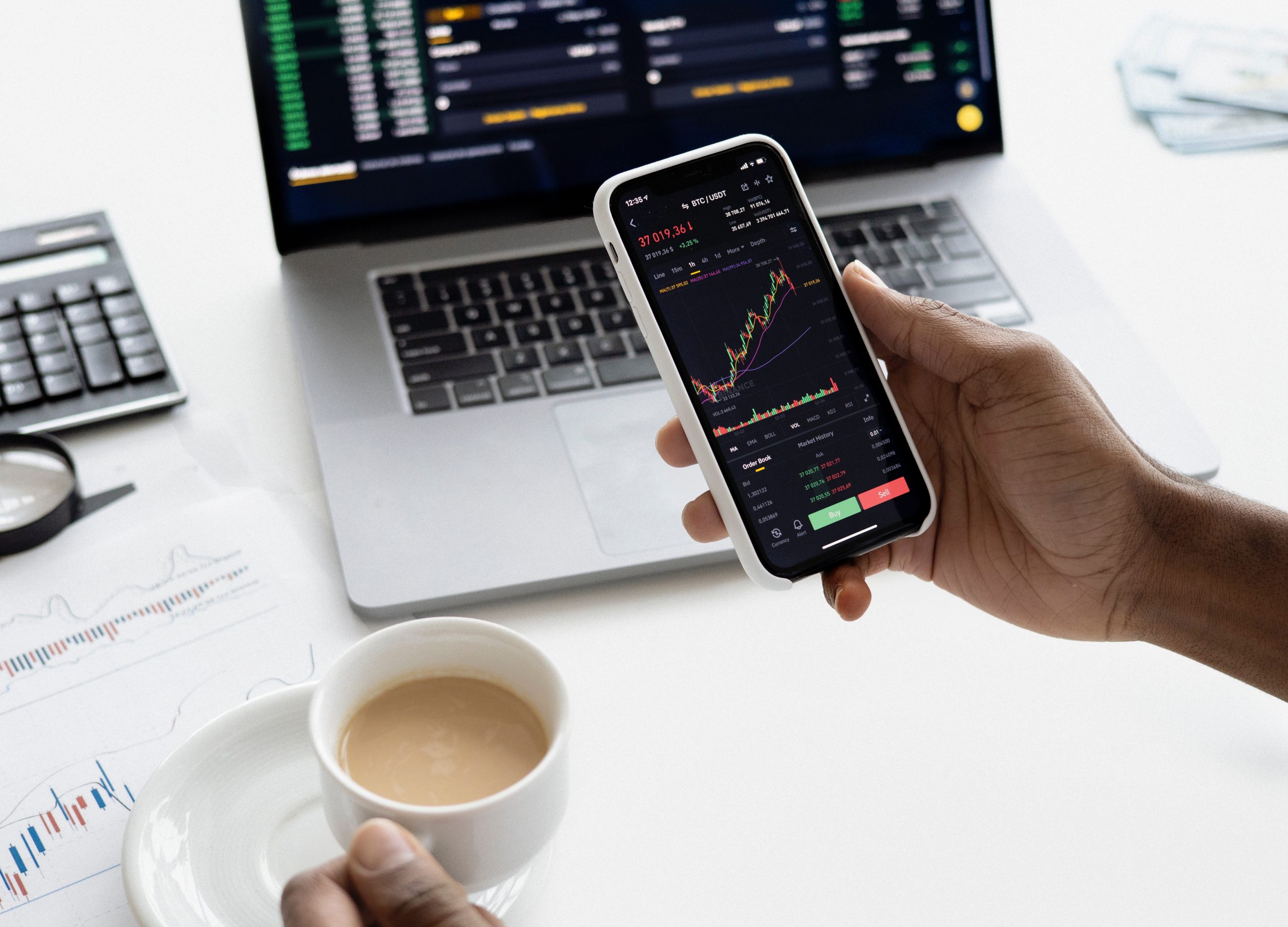
Stocks are investments in a business. Owning a stock means you own a part of the company that you bought it from. They are also referred to as equity since you own a small part of the company. If you’ve never invested in the stock market before, it can be an intimidating process. Stocks are not like the typical savings accounts, money market funds, or certificates of deposit. Their principal value tends to either rise or fall.
Not having sufficient knowledge of investing or the emotional control that comes with it can lead you to lose all of your investment capital.
Just like any other venture, it’s necessary to learn the basics of how to invest in the stock market. Below are strategies that will deliver rules and strategies, guiding you on how to trade smartly in the stock market.
Do You Have a Trade Plan?
Trading is just like any other business and like them, it is as successful as the business plan created for it. It is important to do some research by buying a charting program, opening a brokerage account, and starting to trade with actual money but it is not sufficient if you must be successful.
Your trading plan is a detailed document that helps to define and clearly map out a strategy according to your capital allocation, and risk management including your goals both short and long term. It would be helpful to read about the minimum deposit of Etoro and brokerage companies. Another key thing to note in your plan is the amount of risk and risk/reward ratio. When you also define your price points entry, exit, and stop loss together with the risk profile, it will help you to effectively plan trades.
Keep a Clear Mind
Trading is psychology; understanding this is important in your trading career. You want your mind to be always clear when trading. With the negative information flying around and its influence on us, the pressure placed on trading operations is sub-consciously increasing. This is a recipe for a trading catastrophe.
To trade smartly on the stock market, you need to boost your confidence by shutting out every unnecessary noise and sticking to the trade plan you created. It will be a good anchor over the longer term. With the wide range of information available to you as a trader, it is possible for you to go through various emotions when trading. FOMO (the fear of missing out) and trading to recover losses can seriously affect your gains. The importance of keeping a clear head and sticking to your trade plan can not be overemphasized.
Place Quality Over Quantity
Trade execution brokers generally offer invaluable experience to anyone interested in capital markets and investment management. The most successful traders don’t execute trades continuously. They wait days and sometimes weeks without trading before they execute a trade. Rather than trading to make a massive profit, it’s best to wait for the perfect moment when you are very confident that your trade will be successful. This type of trade requires you to keep a clear mind, be objective, and not struggle with indecision.
Trade With Caution
You should never rush into a trade but get into one with extreme caution. To be able to achieve this, get some knowledge on currency trading on the daily chart time frames prior to using lower time frames. Use the daily charts to get first-hand information on what’s relevant in the market that can be put into practice. It’s not when you trade every day that you make returns on your investment.

Know Your Position Size
The position size is the quantity a trader buys or sells. The factors that determine your position size consist of the trade risk, volatility, and convenient capital.
Combining the factors above in conjunction with your trade plan makes sure that your portfolio sizing is perfectly executed. Once your trade has begun, it’s also necessary to review your size occasionally during the trade alongside maintaining a balance.
What’s Your Risk Limit?
This is what’s also known as stop loss. A stop loss is the volume of risk a trader can accept within his trade. It limits the loss a trader may likely have during a trade. It is a bad trading practice to ignore stop loss. Whether it leads to a profitable trade or not. It’s much better to exit a stop loss, even when it leads to losing trade.
When you trade with caution, be rest assured that your patience would yield results over time. There would be no need to continuously execute trades. The outcome is less time spent on your trading platform. That’s a smart way to trade.
You see reasons to remain calm when others are panicking and become less stressed in your everyday life.