

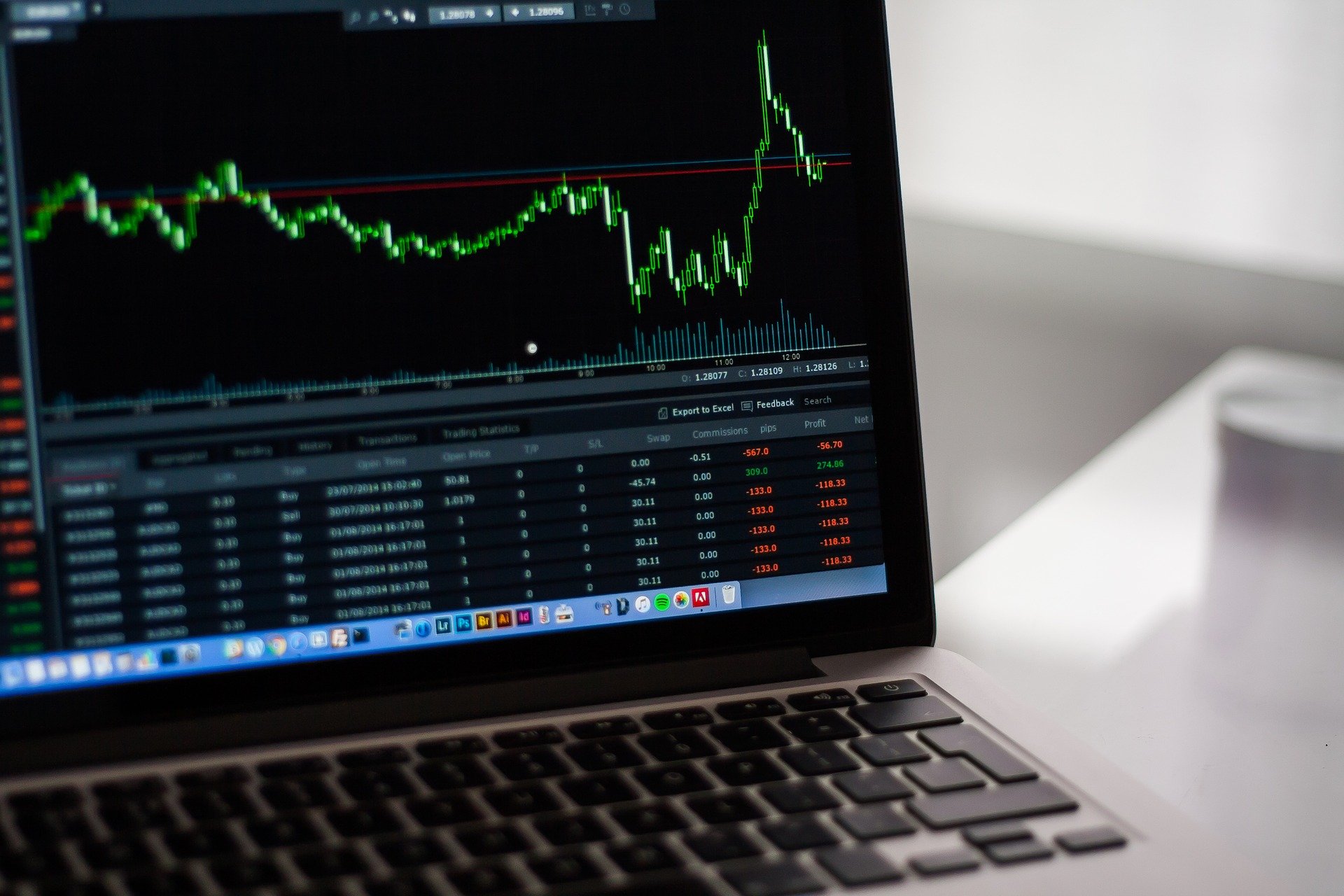
In the fast-paced world of trading, success depends on making sound decisions under pressure. Learning the market is no simple task, whether you are diving into stocks, commodities, or cryptocurrency. However, with the proper tools, strategies, and mindset, you can improve your chances of making a profit. Effective trading is mostly dependent on your awareness of the psychological factors behind your actions as well as the technical features of the markets. Let’s look at some basic strategies to enable you to negotiate the market confidently.
Table of Contents
Understanding Market Trends and Timing Your Trades
Effective traders recognize the need to time their trades in line with fluctuations in the market. Among the several elements driving markets are investor attitude, geopolitical developments, and economic statistics. Knowing the indicators of an uptrend or down trend will help you to enter or leave transactions at the most favorable times. Here, technical analysis is quite important since it lets you examine prior price movements and identify potential repeating trends. Using indicators such as moving averages or the Relative Strength Index (RSI) can give you an advantage and help you make better decisions. Timing your transactions also calls for understanding when to act and when to stay out. Steer clear of impulsive decisions and rely on data-driven strategies to direct your actions. In a market where directions can change rapidly, patience is absolutely vital, so resist the temptation to chase short-term gains.
Risk Management: Protecting Your Investments
Risk management is among the most important facets of trading. Even the most experienced traders suffer losses; the market can be volatile. Maintaining your investments calls for well-defined risk limits to be followed. One effective strategy is to use stop-loss orders, which automatically sell your position if the price reaches a predetermined level. This reduces possible losses and helps you avoid emotional decisions in times of economic downturn. Never risk more than just a small amount of your capital on any single trade. Overall risk can be decreased by diversifying your portfolio across several assets or industries. The key is to control risk instead of entirely avoiding it so that your losses are under control and your return potential is maximum.
Utilizing Trading Computers for Speed and Efficiency
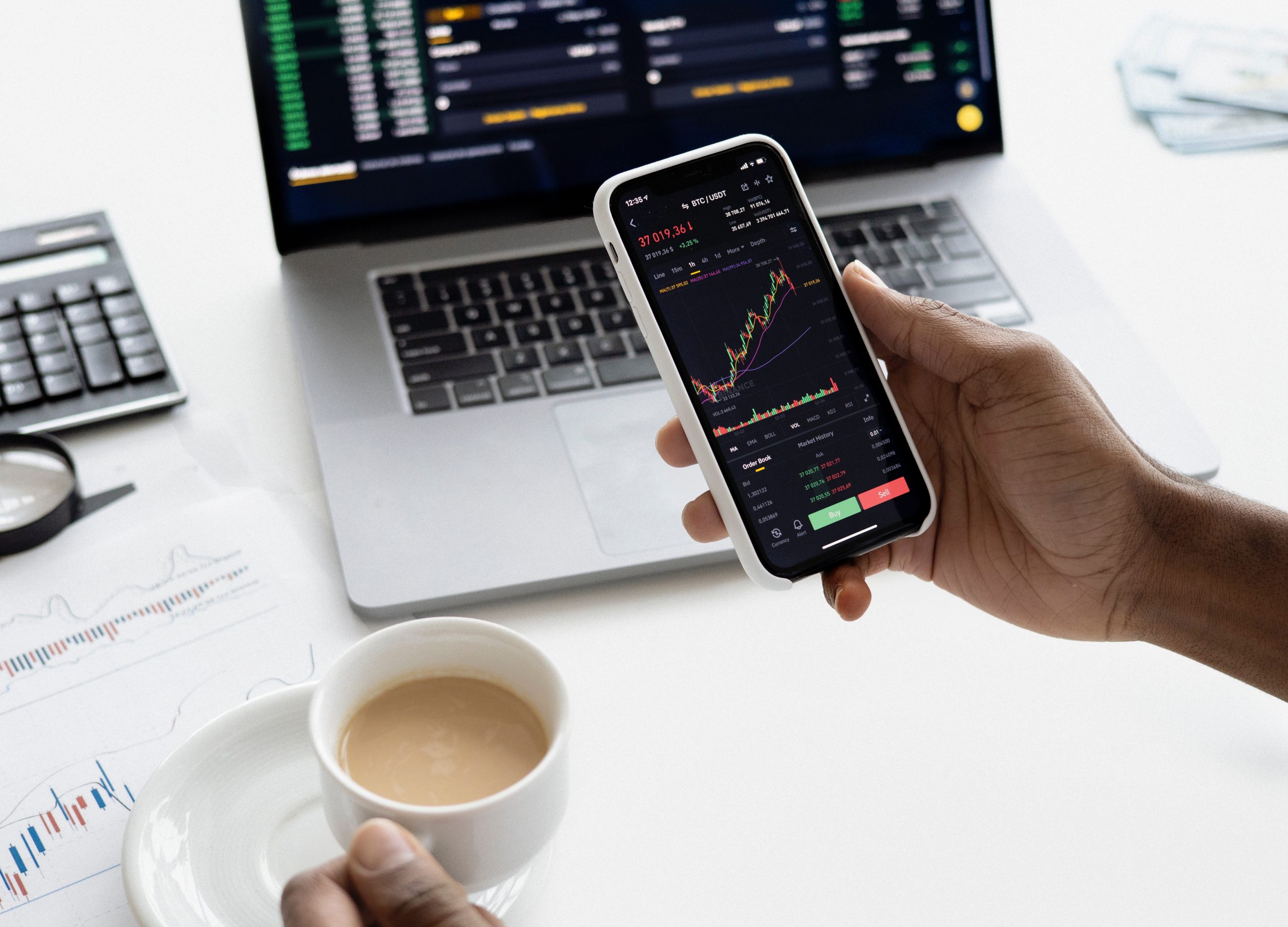
Success in the very competitive commercial climate of today depends on speed and efficiency. Being a trader requires a quick response to changes in the market; hence, having the correct tools can make a big difference. Trading computers with high-speed processors, multiple displays, and sophisticated software will enable you to track market changes in real time, execute faster, and keep a simplified workflow. Designed especially for trading, these computers offer the dependability and performance required to meet the intricate needs of active market involvement. Investing in excellent trading computers will help you to outperform other traders depending on less competent systems, therefore lowering lag time and improving your capacity to seize opportunities as they arise.
Emotional Control: Staying Calm Under Pressure
Trading is both a technical and a psychological skill. Making wise choices in the market requires emotional control. Strong emotions like fear and greed can skew your judgment and cause you to act impulsively. Panic can lead you to exit a trade early or act impulsively, which causes further losses when the market turns against you. On the other hand, excessive greed can cause you to hold onto a position for too long, hoping for an unrealistic profit. The secret is to cultivate a disciplined and patient attitude. Never allow emotions to guide your actions; stick to your trading plan and establish reasonable profit and loss targets. Especially in stressful market conditions, many successful traders adopt mindfulness or stress-relieving strategies to stay focused and maintain a clear head.
Learning from Mistakes and Adapting Your Strategy
The most successful traders are those who constantly learn from their mistakes and adapt their strategies over time. No trader wins every trade, and loss is a normal part of the process. Effective traders are those who can examine their mistakes, learn from them, and adapt their strategies. Maintaining a trading journal will be quite helpful in this sense. Recording every trade—what went well, what didn’t, and what could be improved—helps you identify trends in your decision-making process and make adjustments. This iterative approach, over time, helps you become more competent and less prone to make the same mistakes. Moreover, knowing new trading techniques and market trends helps you to remain competitive and ready for changing circumstances.
Conclusion
A long-term project mastering the market calls for commitment, patience, and a readiness to learn from both successes and mistakes. You can position yourself for success by knowing market trends, properly managing risk, and using the greatest tools—trading computers, emotional control, and constant strategy adaptation—that will help you. Trading is about consistency and disciplined decision-making rather than about constantly hitting big profits. Remember that success in the market is built over time, not overnight; keep improving your strategy and keep refining your objectives.
