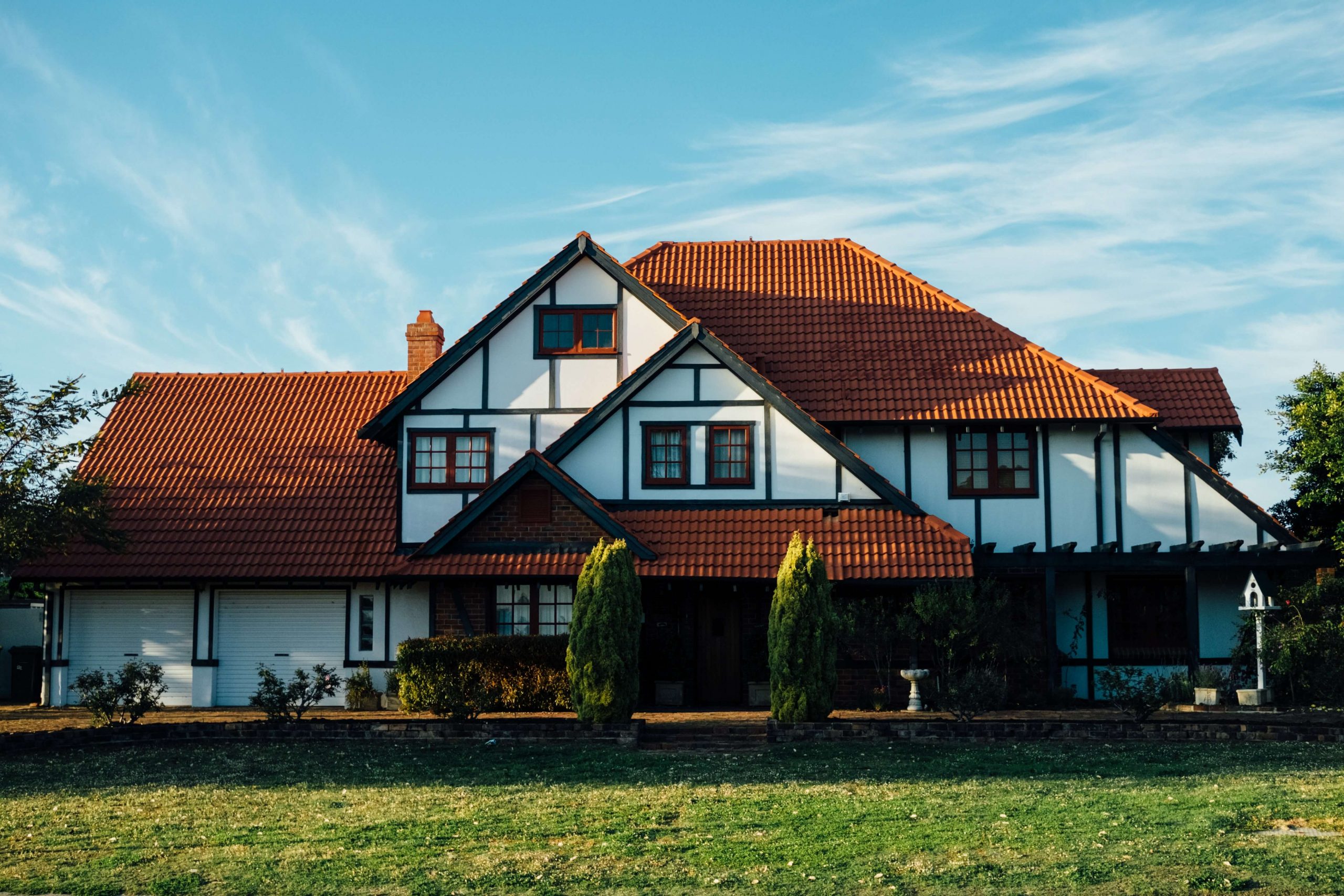
Among the many consequences of the Covid-19 pandemic has been an almost unprecedented rise in house prices. According to the ONS, the average house price increased by 10.2% for the year to March 2021 – which is the highest annual growth since 2007. The average price climbed up to £256,000 in March. This leaves us with the question of when it will all end – especially if we’re thinking about buying.
To make predictions about the price of houses in the future, we’ll need to first establish what’s driven this trend in the first place.
So, what factors have helped push house prices up over the last year?
The Pandemic
First, there’s the direct impact of the pandemic itself – or rather, the lockdowns associated with it. Millions of us were asked to work from home, which instantly creates extra demand for space, particularly among shared households. If you’re cohabiting with your parents, then several months of stepping on one another’s toes will give you the impetus to find a space for your home.
Given that many of us are going to be Working From Home for the long term, and that the practice might become an accepted part of workplace culture in the UK, we should expect just a little bit of this upward pressure to remain in place, even now that the country has gotten back to work.
Supply and Demand
The number of people in the UK is increasing, thanks to both immigration and birth rates. The supply of housing will have to increase at a proportional rate for the imbalance not to influence the price of housing, one way or the other. This is a factor whose impact is often exaggerated for political reasons; while immigration in the UK is high, it’s nowhere near enough to cause a 10% year-on-year increase in house prices.
Interest Rates
The far more significant factor in play here is record-low interested rates. To stimulate demand through the pandemic, the Bank of England slashed rates all the way down to 0.1%. A sustained boom in house prices followed.
When interest rates are low, the price of assets decreases. This is because the people buying, and financing their purchases through borrowing (as most home buyers do), will be able to borrow more. This means that everyone has more to spend, not just on the house itself; but also on everything associated with it: from the man and van removal service to the conveyancers.
The Banks
During the decade leading up to the credit crunch, and the subsequent global financial crisis, house prices more than tripled. This wasn’t because of a lack of supply or rising demand (although supply and demand have their effects). Banks generated massive amounts of money through interest, and the price of housing skyrocketed. The underlying incentives are still tilted in the direction of a continuing upward spiral.