

Key Takeaways
- Clarity of purpose is non-negotiable. Founders who start with “why” are more resilient when challenges arise compared to those who only chase money.
- Solve problems, not just build products. The most successful startups create solutions that are appealing and practical, even if the technology isn’t the flashiest.
- Hire with intention. The first few employees can make or break your company culture and momentum — choose carefully, not just conveniently.
- Funding strategy matters. Bootstrapping and generating revenue early often lead to more sustainable growth than relying heavily on outside investors.
- Perseverance drives sales. Selling your product against bigger competitors requires relentless creativity and persistence.

Launching a startup is never easy. Entrepreneurs face uncertainty, risk, and countless decisions that can make or break their ventures. That’s why learning from the experiences of others is so powerful. By understanding the lessons of those who have already built companies — including their successes and mistakes — you can make smarter choices and reduce risks.
The free eBook Startup Best Practices: Conversations with Silicon Valley Entrepreneurs by Cees J. Quirijns offers a goldmine of insights. Featuring candid conversations with 15 Silicon Valley founders, the book highlights what worked, what didn’t, and what they would do differently if they had the chance.
From clarifying purpose and building products to hiring teams, securing funding, and driving sales, these founders share practical lessons that apply not just in Silicon Valley but to entrepreneurs everywhere. Below is a structured look at the best practices shared.
Table of Contents
Clarify Your Purpose
A clear sense of why is at the heart of every enduring business.
The most relevant advice I can give to entrepreneurs is to ask yourself why you are doing it. Is your purpose clear and does it make sense? You’ll be surprised how often this is not clear. If the answer is because you want to make a lot of money, then you’ll likely be disappointed because that has a low probability.
– Peter Laanen, Founder of Laanen – The Brand
Lesson: Money alone isn’t enough of a motivator. Purpose gives resilience when challenges come.
Focus on Solving a Problem
A startup thrives when its product addresses a real customer need.
First and foremost, it’s to solve a problem and making certain that your product is the most appealing solution. That doesn’t mean it has to be the best technology or have all the greatest features, but for a product to win, it has to be the most appealing.
– Chris Boone, CEO of Coveroo, Inc. and founder of Cimbal Inc.
Lesson: Don’t over-engineer. Build solutions customers want, not just products you think are cool.
Hire with Intention
The first employees you bring on will shape your culture and growth.
“Re the first people you hire if you’re the founder and you’re thinking about founding a company, be extremely careful. The tendency is you want to get some energy and momentum around your company. The temptation might be to pull in people that you know, but those may not be the best people.
– Eileen Gittins, Founder, Blurb.com
Lesson: Choose skills and alignment over convenience. Early hires can make or break your company.
Build the Right Board & Investor Relationships
Your board’s values must align with your vision.
“The first one, which is not always possible for the entry level entrepreneur, is choose your board very carefully; I inherited a board and investors in a company before Blurb. As a first time CEO, I realized I had different values than they did; their goals for an early exit, for a different kind of exit, were different than I had.”
– Eileen Gittins, Founder, Blurb.com
Lesson: Misaligned investors can derail your company. Be selective, even if you’re just starting out.
Choose Smart Funding Strategies
Not all funding is created equal.
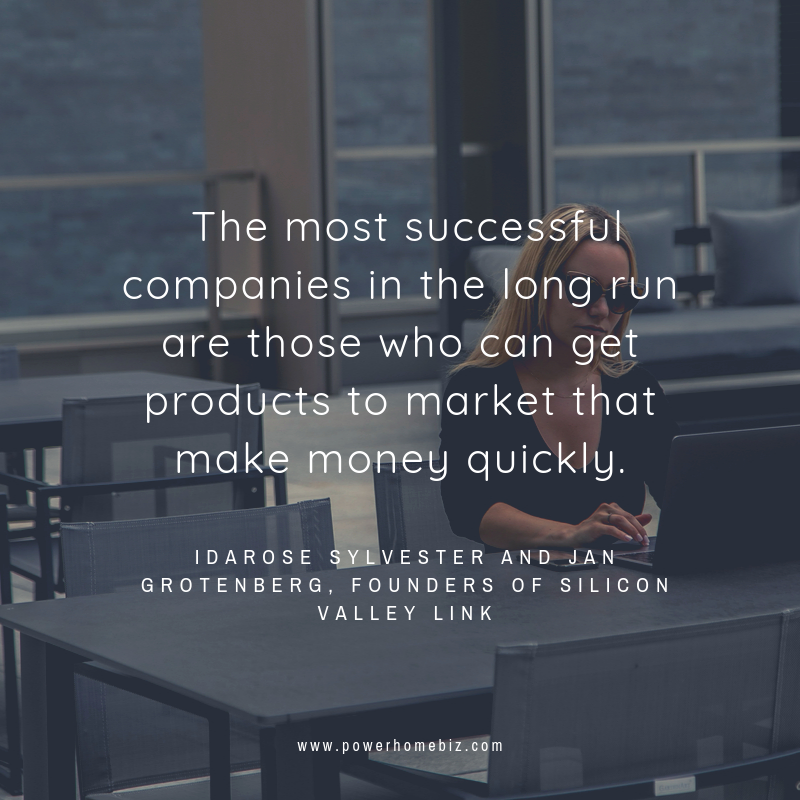
“We preach that if you can fund your company yourself, do so. Not just bootstrapping it out of your pocket, but actually finding a product that makes money in the market soon as well. The most successful companies in the long run are those who can get products to market that make money quickly.”
– Idarose Sylvester and Jan Grotenberg, Founders of Silicon Valley Link
Lesson: Bootstrapping and generating revenue early often lead to stronger, more resilient companies.
Persevere in Sales
Selling is one of the hardest — but most important — parts of a startup.
You learn that you have to knock on doors until you drop dead before you sell your first product. It’s difficult to sell your product as a small company, especially if you are in competition with the likes of IBM as we were. That requires creativity and a lot of perseverance.
– Peter Laanen, Founder of Laanen – The Brand
Lesson: Sales success doesn’t come quickly. Persistence and grit separate survivors from those who give up.
As small business entrepreneurs, we need to learn as much as we can from how other entrepreneurs did it. We don’t have to reinvent the wheel – we just need to make sure that we don’t make the same mistakes as they did.
Conclusion
Entrepreneurship doesn’t come with a manual — but it does come with stories. The experiences of these 15 Silicon Valley founders serve as a reminder that success rarely follows a straight path. Whether it’s being crystal clear on your purpose, choosing the right people to build with, or persevering through the grind of selling your product, the best practices they share are timeless.
For small business entrepreneurs, the lesson is simple: don’t just learn from your own mistakes, learn from the mistakes (and wins) of others. By doing so, you increase your chances of building not just a business, but a resilient and sustainable company.
SOURCE: “Startup Best Practices: Conversations with Silicon Valley Entrepreneurs”
Frequently Asked Questions (FAQ)
Why is it important to learn from other entrepreneurs’ experiences?
Learning from the experiences of other entrepreneurs helps you avoid costly mistakes and accelerates your growth curve. When successful founders share their lessons, you gain insights into what works and what doesn’t — without having to make the same errors yourself. For example, advice on funding strategies, hiring, or product development can save you time, money, and unnecessary frustration. It’s like having a roadmap from people who’ve already walked the path, allowing you to make smarter choices and increase your odds of success.
How can small business owners apply Silicon Valley lessons to their own ventures?
While Silicon Valley is unique, the underlying lessons apply anywhere. A local bakery, freelance agency, or e-commerce shop can benefit from clarifying its purpose, solving customer pain points, and hiring the right team. Bootstrapping — starting small and generating revenue early — is a universal best practice. Perseverance in sales is another transferable lesson; whether you’re selling software or handmade goods, persistence and creativity matter. The context may differ, but the principles are universal.
Should entrepreneurs focus on making money or solving problems?
Most successful entrepreneurs agree: focus on solving a problem first. If your product or service addresses a real need, revenue will follow. Chasing money alone often leads to disappointment because financial success is a byproduct of providing value. As Peter Laanen pointed out in the eBook, a purpose rooted in money alone carries a low probability of success. Solving meaningful problems not only builds customer loyalty but also gives you a deeper sense of fulfillment as a founder.
What are common mistakes first-time entrepreneurs should avoid?
Common pitfalls include hiring the wrong people early, chasing funding too quickly, and building products without validating customer demand. Many new entrepreneurs also underestimate the difficulty of selling their product, expecting quick wins instead of preparing for a long grind. Another mistake is aligning with investors or board members who don’t share the same vision — a mismatch that can derail the company. Learning to avoid these errors upfront can save both time and money while keeping your venture aligned with your goals.
How does perseverance impact startup success?
Perseverance is often the deciding factor between startups that succeed and those that fail. Selling your first product is rarely easy — especially against bigger, more established competitors. Entrepreneurs in the eBook stressed the need to “knock on doors until you drop dead,” highlighting that persistence creates opportunities. Perseverance also applies to adapting to setbacks, whether it’s a failed product launch or a rejected investor pitch. Founders who stay committed, pivot when necessary, and keep pushing forward have a much higher chance of long-term success.
The article was originally published on March 9, 2016 and updated on March 19, 2025.

Thanks for information about (Startup Best Practices from 15 Silicon Valley Entrepreneurs) I was looking out for the information that you have shared in this article. Thanks for helping me out. Read many articles on this topic, but there are very unique with a lot more informative.
Thanks for information about (Startup Best Practices from 15 Silicon Valley Entrepreneurs) I was looking out for the information that you have shared in this article. Thanks for helping me out. Read many articles on this topic, but there are very unique with a lot more informative.