

Key Takeaways
- Digital healthcare innovations are reshaping the future of medicine. By combining AI, wearables, mobile platforms, and cloud technologies, digital healthcare is creating more accessible, patient-centered, and efficient systems that improve outcomes worldwide.
- Telemedicine enhances access to care. Virtual consultations reduce travel time and costs while bringing quality healthcare to rural and busy populations.
- Wearable devices provide real-time health monitoring. Smart trackers collect vital data and integrate it into everyday life, enabling early detection and prevention.
- AI improves efficiency and accuracy. Artificial intelligence supports diagnosis, treatment planning, and patient communication, helping doctors make better decisions faster.
- Mobile health platforms empower patients. Smartphones serve as personal health stations with reminders, records, and apps for specific healthcare needs.
- Cloud-based health records streamline data management. Secure, shareable records reduce bureaucracy, support collaboration, and drive analytics for system-wide improvements.

Digital technologies are redefining the landscape of healthcare with every passing year. There is an accelerating demand for virtual consultations, IoT sensing devices, wearables, cloud services, and not only for these, but also for smart sensors, smart pills, smart pills and smart pills. These solutions provide access, improve accuracy, and enhance user experience. It is useful in the establishment of a sustainable patient-centered care continuum and an efficient health system where the patients and providers are empowered to make informed choices and overcome complexities.
Table of Contents

1. Telemedicine and Virtual Consultations
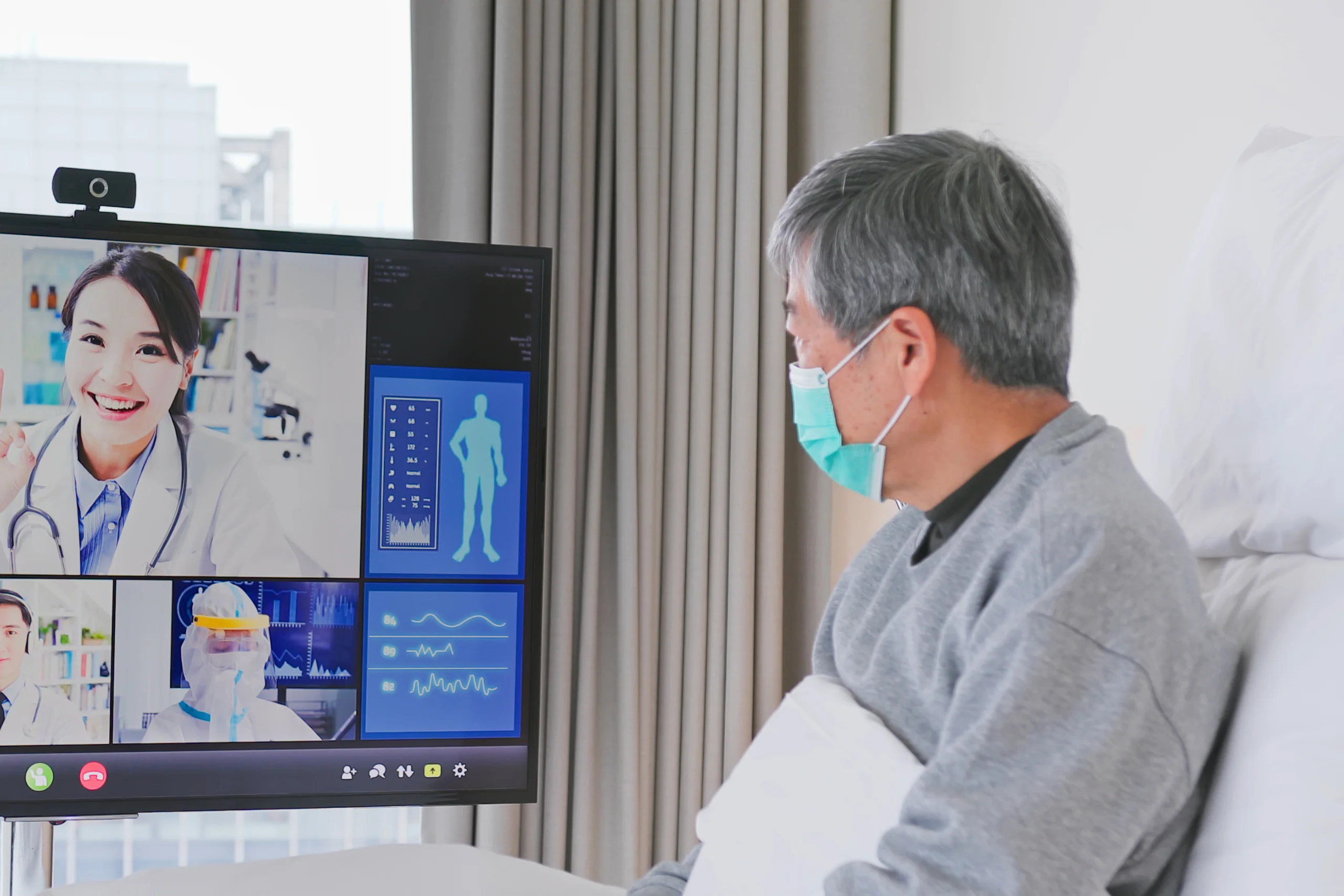
A new era in communication and remote diagnosis has been opened by telemedicine and virtual medicine. They can save time and bridge the distance between physicians and patients. These online consultations are a boon for rural people and busy citizens who lack access to high-quality care.
These usually result in decreased cost of traveling, waiting, and even long stays for consultations. It is a practice established in everyday care due to familiarity with it after the pandemic. As technology continues to advance and data privacy becomes uncomplicated, increased progress will be made in seeking timely assistance and in outcome improvement.
2. Wearable Devices and Health Trackers
Constant improvements made in the medical technology field make it possible to see and diagnose conditions at a quicker rate. Wearable devices and health trackers are a normal part of the lives of a modern person that strives to keep in good health. Products like watches, bands, and patches monitor your vital signs without stopping.
If heart rate, blood oxygen, or physical activity is noted as unusual, the app alerts help you to detect upcoming issues at an early stage and act. Smartphones and other gadgets meant for personalizing this data into understandable tidbits of insights are very integrated. Such integration of health tracking into daily life forms a health-friendly lifestyle and runs intelligently useful real-time data flow to healthcare labs.
3. Artificial Intelligence in Healthcare
Artificial intelligence is taking a new role in healthcare as it gives insights and predictions that are astounding in their accuracy and efficiency. Machine learning software is adopted to solve the intricacies and drive decision-making in diagnosis and treatment planning.
AI-based algorithms assist physicians in making more informed health determinations. They also minimize the time to submit findings, thus improving preventive measures. Through AI-based systems, efficient reading of patient records and medical notes is achieved, while chatbots operate around the clock, relieving congestion in basic care and addressing issues. It also transmits information. With each recent development, artificial intelligence systems are blending smoothly with human insight to make healthcare more accurate, faster, and reliable.

4. Mobile Health Platforms
The mobile health platforms have enhanced the agility of patient care by transforming your smartphone into a personalized health station. Get help from healthcare app development services that will help you to build and deploy professional apps that provide access to the next schedule as well as look at your digital medical record. A single tap can influence the choice of hospitals or clinics that are accessible for health.
The built-in reminders assist in keeping track of medications and daily habits. Health apps are growing relevant to the special populations, addressing issues like fertility and medication adherence, but also new healthcare models, ensuring on time, accuracy, and better patient engagement.
5. Cloud-Based Health Records
Cloud-based health records (C-HR) support secure and permanent storage of electronic health files. They inject speed and scalability into medical documentation. Data can be quickly updated and shareable, thus freeing up doctors to be battery-reducing and crucial in reducing bureaucracy in time-consuming tasks. The accumulated data is also excellent for analytics, such as predictions for health systems or discovering healthcare trends. The more interoperable a system is, the better health institutions collaborate, and the more seamless patient care is expected. Such cloud-based infrastructures also revolutionize the manner records are stored and moved, enhancing direct access, efficiency, and growth of healthcare delivery worldwide.
Conclusion
Digital healthcare technologies are continuing to exist and move healthcare forward. The revolution in patient experience and the interaction with medical information is due to the patient-centered improvements. These tools are used to streamline the process, execute action-based and informed decision-making, and help improve healthcare availability. As the healthcare system evolves into treatment and preventive care, collaboration of the latest technologies needs to be in the right ratio, which results in saturation and balance. Emerging innovations make digital health unquestionably mark the future direction in healthcare.
Frequently Asked Questions (FAQs)
How is telemedicine transforming healthcare access?
Telemedicine allows patients to connect with healthcare providers remotely, often via video calls or secure platforms. This innovation reduces the need for travel, eliminates long waiting times, and makes consultations accessible to those in rural or underserved areas. For busy individuals, telemedicine provides convenience without sacrificing quality. During the COVID-19 pandemic, it became a mainstream practice, building familiarity and trust. Today, telemedicine is a vital tool in preventive care and chronic disease management, ensuring timely interventions. It has proven especially effective in cutting healthcare costs while improving outcomes, making it a cornerstone of the digital healthcare revolution.
What role do wearable devices play in modern healthcare?
Wearable devices—such as smartwatches, fitness bands, and medical patches—allow continuous monitoring of vital signs like heart rate, oxygen levels, and activity. These devices alert users and healthcare providers when unusual patterns are detected, enabling early intervention and prevention. The integration of wearable data into apps provides users with understandable health insights, promoting proactive health management. Beyond individuals, healthcare providers benefit from the real-time flow of data that informs decisions and supports research. Wearables also encourage healthier lifestyles, making them an essential bridge between everyday living and medical care. Their widespread use makes healthcare more personalized and accessible.
How is artificial intelligence improving healthcare outcomes?
Artificial intelligence (AI) in healthcare provides accurate insights, predictions, and automation that enhance both patient and provider experiences. Machine learning algorithms assist in diagnosing conditions, predicting disease risks, and creating treatment plans faster and with fewer errors. AI-powered systems streamline the analysis of medical records and imaging, saving time for healthcare professionals. Additionally, chatbots powered by AI improve access by handling routine questions and reducing the burden on basic care services. By blending machine intelligence with human expertise, AI delivers faster, more reliable healthcare, improving outcomes while lowering costs and freeing up medical staff for complex cases.
What benefits do mobile health platforms offer patients?
Mobile health (mHealth) platforms transform smartphones into personal health management tools. Through health apps, patients can track their medications, schedule appointments, review medical records, and receive reminders for healthy habits. These apps often address specific needs, such as fertility tracking or chronic disease management, creating a highly personalized experience. They also improve communication between patients and providers, ensuring better adherence to treatments. By placing healthcare at patients’ fingertips, mHealth platforms empower individuals to take an active role in their well-being. This engagement improves health outcomes, increases patient satisfaction, and lowers barriers to timely care.
Why are cloud-based health records important for the future of healthcare?
Cloud-based health records provide secure, scalable, and easily shareable storage for patient data. Unlike traditional records, they allow seamless updates and access across multiple providers, improving care coordination and reducing paperwork. This system saves time for healthcare workers, enabling them to focus more on patients than administration. Additionally, cloud systems support large-scale analytics, helping predict healthcare trends, identify risks, and optimize resource allocation. Interoperability—the ability for systems to communicate across institutions—further strengthens collaboration among providers. By streamlining record-keeping and empowering data-driven care, cloud-based records are revolutionizing global healthcare delivery and shaping the future of patient-centered medicine.
