

Key Takeaways
- Your website is your most powerful marketing tool—treat it like an investment, not a task to rush through.
- A responsive, SEO-optimized, custom-designed site ensures a great user experience and higher visibility.
- Unique content and original visuals build trust, demonstrate expertise, and help convert visitors into paying customers.
- Fresh content and a clear way to contact you signal that your business is active, credible, and reliable.
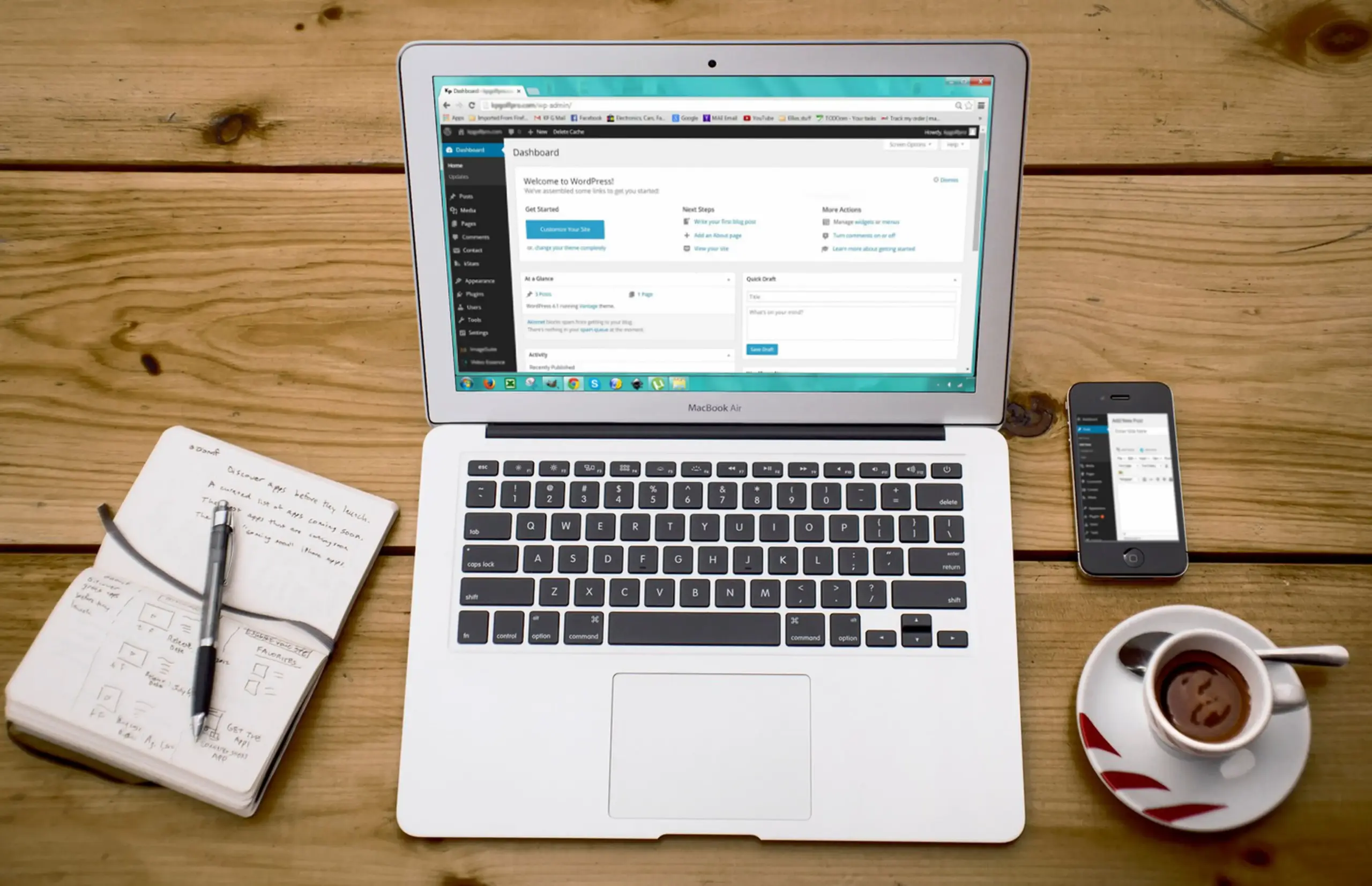
A business without a strong digital presence is like a shop hidden in a back alley. Your website is often the first interaction customers will have with your brand. And in today’s digital-first world, you don’t get many chances to make a good impression.
That’s why having a professional, fast, and informative website is no longer optional. It’s a core part of your brand identity, your marketing engine, and your customer relationship hub. Whether you’re building a new site or refining your existing one, this guide covers the seven must-have features every business website needs to stay competitive and trustworthy in 2025 and beyond.
Table of Contents
1. Full Responsiveness: A Seamless Experience Across Devices
With over half of all web traffic now coming from mobile devices, your website must perform flawlessly on smartphones, tablets, and desktops alike. This is where responsive design comes in.
A responsive website automatically adjusts its layout based on the user’s screen size and device type. Menus become touch-friendly, images scale properly, and text remains readable without zooming or scrolling sideways. More importantly, Google uses mobile-friendliness as a ranking factor—meaning poor responsiveness could tank your SEO.
If your current website is clunky on mobile or loads slowly on different devices, you’re likely losing customers without realizing it. Tools like Google’s Mobile-Friendly Test or WebPageTest.org can help you evaluate performance. For non-tech-savvy business owners, hiring a WordPress or Webflow to fix your Webflow website for you to ensure responsiveness is a smart investment that pays off in both user experience and search visibility.

2. SEO Optimization: Be Found Where Your Customers Are Searching
SEO, or Search Engine Optimization, is what allows your website to appear on Google when someone searches for your products or services. Without it, even the most beautiful website will be invisible to your audience.
Effective SEO starts with keyword research—identifying what your potential customers are actually typing into search engines. It also includes:
- Fast loading speed
- Clean site architecture
- Optimized images with descriptive alt text
- Internal linking between related pages
- Meta tags that accurately summarize your content
Moreover, technical SEO elements like XML sitemaps, structured data (schema markup), and secure HTTPS encryption all play a role in how search engines rank your site.
If your website was built without SEO in mind, now is the time to audit and optimize. Consider using tools like Semrush, Ahrefs, or Yoast SEO (for WordPress) to uncover gaps. Partnering with an SEO specialist, even for a one-time overhaul, can significantly increase your visibility and traffic.
3. High-Quality, Custom Design That Reflects Your Brand
Your website is your digital storefront. Just like a brick-and-mortar location, it needs to be clean, professional, and reflective of your brand’s personality. Poorly designed websites erode trust quickly—users will simply click away and head to a competitor.
A well-designed site should be:
- Visually appealing with modern typography and colors
- Easy to navigate, with intuitive menus and clear calls to action
- Aligned with your brand values and voice
- Built with accessibility in mind (e.g., high contrast, readable fonts, screen reader compatibility)
Avoid overused templates that make your site blend in with thousands of others. If your budget allows, hire a designer or agency that can build a custom layout tailored to your business goals. This extra step can make a significant difference in how customers perceive your company.
4. Informative, Value-Packed Content That Builds Authority
Content is the bridge between your brand and your audience. Beyond pretty visuals and sleek interfaces, visitors come to your website seeking information. This could be:
- Answers to questions about your product or service
- Guidance on solving a related problem
- Thought leadership articles that position your brand as an expert
Well-written blog posts, FAQs, how-to guides, product comparisons, and case studies are just a few ways to provide this value. Search engines reward this type of helpful content with higher rankings, and customers are more likely to trust and buy from businesses that educate rather than just sell.
Not a writer? That’s okay. You can work with freelance content writers or agencies who specialize in your niche. Just make sure every piece of content is original, SEO-optimized, and written with your target audience in mind.

5. Original Images That Represent Your Brand Authentically
Stock photography can be useful in a pinch, but it’s easy to spot—and easy to forget. If you want to stand out and build trust, your site should include real, high-quality images that showcase your team, office, products, and process.
Here’s why original visuals matter:
- They build authenticity and credibility.
- They help users visualize what working with your brand is like.
- They improve conversion rates by adding personality and emotional appeal.
If budget allows, hire a local photographer to create a branded library of images for your website, social media, and marketing materials. Alternatively, tools like Canva or Adobe Express can help you edit or watermark custom visuals to fit your branding.
6. Consistently Published, Fresh Content
Websites are not one-and-done projects. To stay relevant and competitive, they need to evolve—especially when it comes to content.
Google favors websites that are frequently updated, as it suggests the business is active and current. Regularly posting new blog articles, customer stories, product updates, or how-to guides not only boosts your SEO but gives visitors a reason to return.
Set a realistic publishing schedule—whether it’s once a week or twice a month—and stick to it. Tools like HubSpot, WordPress’s editorial calendar plugin, or even Google Sheets can help plan your content ahead of time. If you’re short on time, consider hiring a content manager to plan, write, and publish on your behalf.

7. Clear and Accessible Contact Information
It may sound obvious, but far too many small businesses forget to include—or properly display—their contact information. If a customer can’t reach you easily, they won’t bother trying again.
Here’s what you should include:
- Phone number
- Email address (preferably a business domain like info@yourbusiness.com)
- Physical address if applicable
- Contact form with basic required fields
- Links to social media profiles
Additionally, ensure your contact page loads quickly, works on all devices, and includes a confirmation message when a form is submitted.
For local businesses, adding your location to Google Maps and embedding the map on your site can also enhance local SEO and foot traffic.
Frequently Asked Questions (FAQ)
Why is mobile responsiveness so important for business websites?
Mobile responsiveness is critical because more than half of all web browsing today happens on smartphones and tablets. A non-responsive website can appear broken or frustrating to use on these devices, driving potential customers away. Additionally, search engines like Google prioritize mobile-friendly websites in their rankings. This means if your site isn’t responsive, it may never appear on the first page of search results—no matter how good your content is. A responsive design ensures a seamless experience for all users, helps improve SEO performance, and builds trust with modern consumers who expect smooth browsing on the go.
How does SEO impact the success of a business website?
SEO determines how easily potential customers can find your website through search engines like Google. Without SEO, your site may be buried under competitors’ listings, even if you offer superior products or services. SEO involves optimizing your site’s content, structure, and technical elements to align with search engine algorithms. This includes keyword targeting, fast load times, secure connections, and clean code. When done correctly, SEO drives free organic traffic to your site, improves visibility, and increases conversions. It’s one of the most cost-effective marketing strategies for long-term growth.
What makes custom website design better than using a template?
Templates are quick and affordable, but they often lack the flexibility, uniqueness, and performance that custom design offers. A custom-built website is tailored to your brand identity, business goals, and target audience. It helps differentiate you in a crowded market, avoids visual sameness, and often performs better in terms of SEO and user experience. Templates can also carry bloated code that slows down your site. While custom design may have a higher upfront cost, it pays off by creating a more professional impression and supporting business growth.
How frequently should I update content on my business website?
Ideally, you should aim to publish or update content at least once or twice a month. Fresh content signals to both users and search engines that your business is active and authoritative. This doesn’t mean you have to write long blog posts every week—updates can include short tips, FAQs, seasonal product changes, customer success stories, or industry news commentary. Consistency is key. A website that hasn’t changed in six months may appear abandoned, while one that’s regularly refreshed builds trust and ranks better over time.
Can I use stock photos on my site, or do I need original images?
While stock photos are better than having no visuals at all, they should be used sparingly. Original images show authenticity, especially in service-based industries where trust and transparency matter. Pictures of your team, office, behind-the-scenes work, or happy customers can humanize your brand. If a full photo shoot isn’t feasible, even smartphone photos—if well-lit and edited—can work. You can also combine original images with tasteful stock photos when necessary. Just make sure they match your brand aesthetic and feel relevant to the content they’re paired with.
