As packaging automation evolves in 2026, businesses are moving beyond speed and volume to focus on smarter, more flexible, and sustainability-driven systems. From AI-powered robotics and right-sized packaging to modular equipment and real-time performance analytics, these emerging packaging trends are helping organizations reduce waste, lower costs, and transform packaging into a competitive advantage rather than a bottleneck.
Key Takeaways
- Packaging automation in 2026 is no longer just about speed. It is about flexibility, data intelligence, sustainability, and brand impact.
- AI-powered and vision-guided robotics allow packaging lines to handle mixed SKUs, detect defects in real time, and improve uptime without constant reprogramming.
- Right-sized and material optimization technologies help businesses cut shipping costs, reduce packaging waste, and create more intentional unboxing experiences.
- Sustainability-focused automation is becoming fully integrated into packaging line design, enabling the use of recycled materials without sacrificing performance.
- Modular and multi-format packaging systems give businesses the agility to support short runs, seasonal products, and multiple sales channels on a single line.
- Smart data analytics and real-time performance tracking are critical for reducing downtime, improving OEE, and extending equipment lifespan.
- Businesses that delay adopting these trends risk higher operating costs, lower flexibility, and falling behind competitors who are already modernizing their packaging operations.
Packaging lines aren’t just about speed anymore. As 2026 unfolds, the most competitive and efficient organizations will harness integrated automated packaging solutions to reduce waste, increase uptime, and turn packaging into a real brand asset. Analysts expect the packaging automation market to grow from $80 billion in 2025 to over $110 billion by 2030.
This boost will be driven by smarter machines, tighter labor markets, and new innovations in sustainability. Business owners, who want their products or brand materials to make a strong impression on consumers, should utilize these packaging automation trends in 2026—it could mean the difference between scaling your operations versus playing catch-up.

Table of Contents
1. AI-Powered & Vision-Guided Robotics
Robots aren’t new on packaging lines, but AI and machine vision are transforming what they can accomplish. The global robotic vision market is projected to reach almost $5 billion by 2030. Instead of repeating one fixed motion, AI packaging robotics can visualize each product, adjust their grip or placement in real time, and learn from historical performance. Vision-enhanced systems can be used to execute the following actions:
- Detect label skew, print defects, or missing components
- Handle mixed SKUs on the same line without manual reprogramming
- Adjust paths automatically when products drift on a conveyor
- Funnel more accurate data into predictive maintenance models

2. Right-Sized & Material Optimization Technologies
Right-sized technology is now much more sophisticated than just a basic box selection. With these modern systems, scanners evaluate product dimensions, and cartonization software selects the correct footprint, while automated cutters or formers build the exact size necessary. Right-sized packaging helps e-commerce brands curb their corrugate use, minimize void fill, and lower shipment weights to improve sustainability metrics.
A recent analysis from MHI Solutions outlines how these systems can reduce material waste and energy consumption by matching each box to the specific product. For your business, this translates into numerous benefits and financial savings:
- Lower parcel and freight costs
- Less money tied up in packaging inventory
- Unboxing experiences that feel intentional—not haphazard
3. Sustainability-Focused Automation
Sustainability used to be managed with one-off material swaps. But in 2026, these initiatives will be seamlessly baked into the design and overall function of packaging lines. As a report from PMMI indicates, sustainability efforts are pushing OEMs to create packaging machines that can minimize waste, operate thinner recyclable substrates, and use eco-friendlier materials without sacrificing performance. This drives more investment in the following areas:
- Equipment engineered for high-recycled-content films
- Online waste capture and baling for easier recycling
- Recipe and process controls for minimum required materials
- Dashboards that quantify material savings and emissions
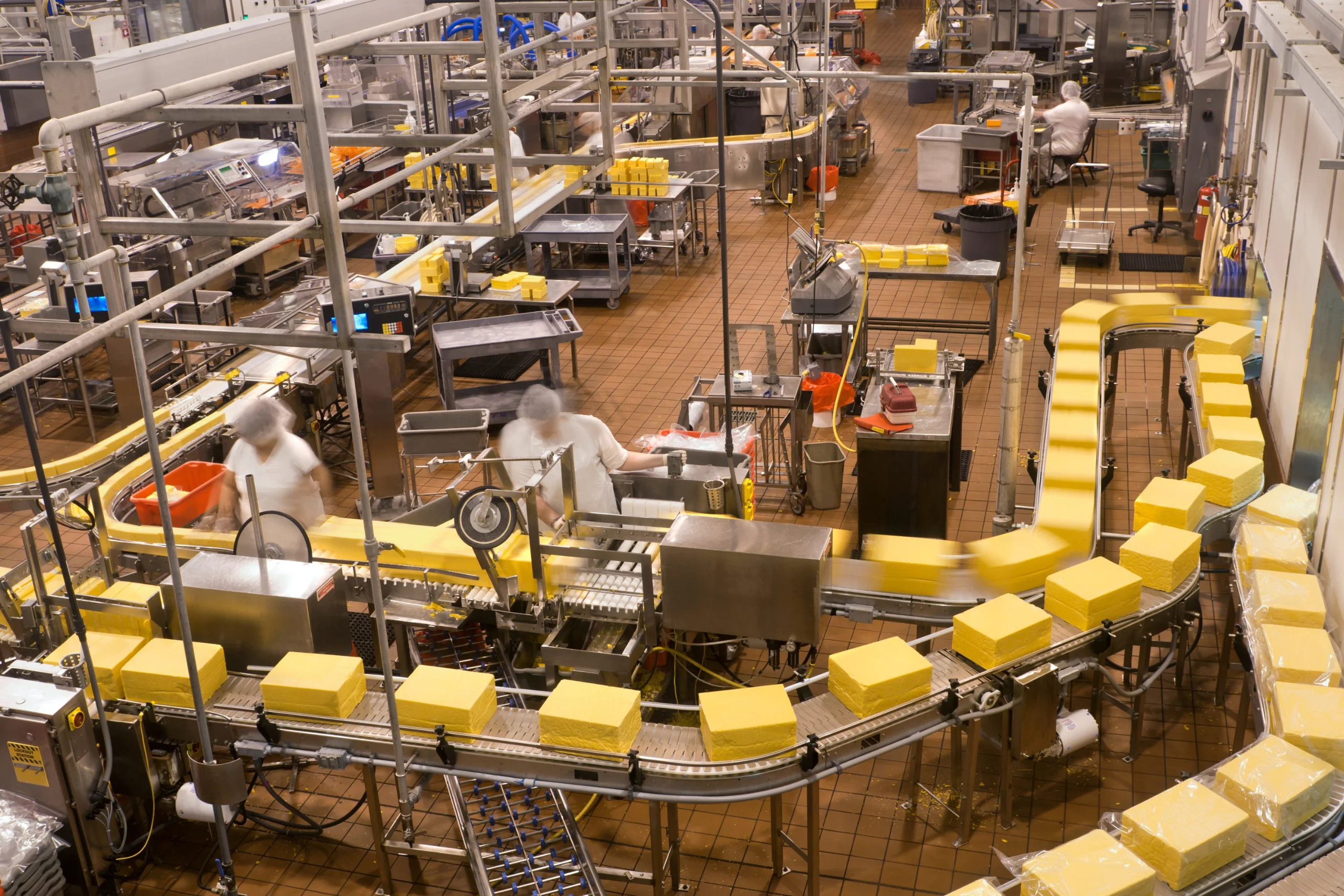
4. Flexible, Modular & Multi-Format Packaging Systems
Short runs, seasonal SKUs, and channel-specific formats are here to stay. Fixed, single-format lines can make it hard to respond efficiently to packaging needs without tying up capital. That’s where modular packaging equipment comes in.
These modern systems are built from configurable modules like case formers, labelers, sealers, printers, and inspection stations that can be rearranged or even scaled up as your mix changes. PMMI’s State of the Industry research notes that machine buyers favor equipment that utilizes more formats with fewer changeovers—especially in food, beverage, and consumer products. Here’s what this integration means for business owners:
- Faster changeovers between sizes, bundles, or promotional packs
- The ability to run retail, club, and e-commerce formats on the same backbone
- Less downtime when launching new SKUs or trial programs
5. Smart Data Analytics & Performance Tracking
The most crucial packaging innovations in 2026 might not be mechanical at all. In fact, chances are, they will be digital. Sensors, PLCs, and edge devices funnel continuous data into packaging analytics platforms to track waste, micro-stoppages, and overall equipment effectiveness (OEE) in real time. Industry 4.0 case studies show that plants using the latest OEE analytics uncover potential causes of downtime, reduce scrap, and increase the lifespan of equipment. Digitally connected packaging lines can now achieve the following:
- Flag repetitive slowdowns tied to specific SKUs or shift patterns
- Alert maintenance teams before a failure takes a line down
- Monitor performance across lines, plants, or co-packers
- Connect quality deviations back to root causes quickly

Explore Your Next Step In Packaging Automation
If your current packaging functions have gaps in waste, speed, or flexibility, now is the ideal time to evaluate how automation can improve efficiency and success. Often, this starts with walking your current line, noticing the bottlenecks, and choosing a few of these impactful automated solutions to streamline your operations in 2026—and well beyond.
Frequently Asked Questions (FAQ) on Packaging Trends
Why is packaging automation becoming more important in 2026?
Packaging automation is becoming essential due to rising labor costs, tighter labor availability, increasing sustainability requirements, and higher customer expectations for consistency and presentation. Automated systems allow businesses to maintain throughput, reduce errors, and adapt quickly to changing product mixes and sales channels. As packaging becomes a visible extension of the brand experience, automation also plays a role in quality control and customer perception.
How does AI-powered robotics improve packaging efficiency?
AI-powered and vision-guided robotics enable packaging systems to recognize products in real time, adjust movements dynamically, and handle variability without manual intervention. These systems can detect labeling issues, manage mixed SKUs on a single line, and provide data for predictive maintenance. This reduces downtime, improves accuracy, and minimizes the need for constant reprogramming as product lines evolve.
What are the cost benefits of right-sized packaging technology?
Right-sized packaging technology reduces corrugate usage, void fill, and shipping weight by creating cartons tailored to each product’s dimensions. This leads to lower material costs, reduced freight expenses, and less money tied up in packaging inventory. Over time, these savings can be substantial, especially for e-commerce and direct-to-consumer brands shipping high volumes.
How does sustainability-focused automation support business goals?
Sustainability-focused automation integrates waste reduction and material efficiency directly into packaging line operations. Equipment designed for recycled-content materials, waste capture systems, and performance dashboards allow businesses to track environmental impact while maintaining throughput. This helps organizations meet regulatory requirements, appeal to eco-conscious consumers, and reduce long-term operating costs.
What types of businesses benefit most from modular packaging systems?
Businesses with frequent product launches, seasonal SKUs, or multiple sales channels benefit most from modular packaging systems. These systems allow equipment to be reconfigured or scaled without replacing entire lines. Industries such as food and beverage, consumer packaged goods, and e-commerce see strong returns because modular designs reduce downtime and capital risk when packaging needs change.
How do data analytics improve packaging line performance?
Data analytics platforms collect real-time information from sensors, PLCs, and equipment controls to monitor OEE, waste, and micro-stoppages. This visibility helps teams identify recurring issues, optimize changeovers, and prevent failures before they occur. Over time, analytics-driven packaging lines operate more predictably and deliver higher returns on automation investments.