

Key Takeaways
- Security is an Investment, Not a Cost – Even small businesses face risks such as theft, data breaches, and accidents. A modest investment in security systems saves money and protects reputation.
- Hybrid Systems Are Effective – Modern security solutions combine cameras and alarms, providing real-time monitoring and automated alerts for maximum protection.
- Research Matters – Choosing the right provider involves checking reviews, comparing packages, and testing demos to ensure systems meet your business needs.
- Cybersecurity Is Critical – Protecting client data and business assets with antivirus software, two-factor authentication, and other safeguards reduces exposure to hackers.
- Prepared Staff Boost Safety – Regular drills and security training help employees respond effectively to emergencies, minimizing risks and losses.
- Peace of Mind Builds Trust – Visible security systems not only protect assets but also reassure clients that you take their safety and data seriously.
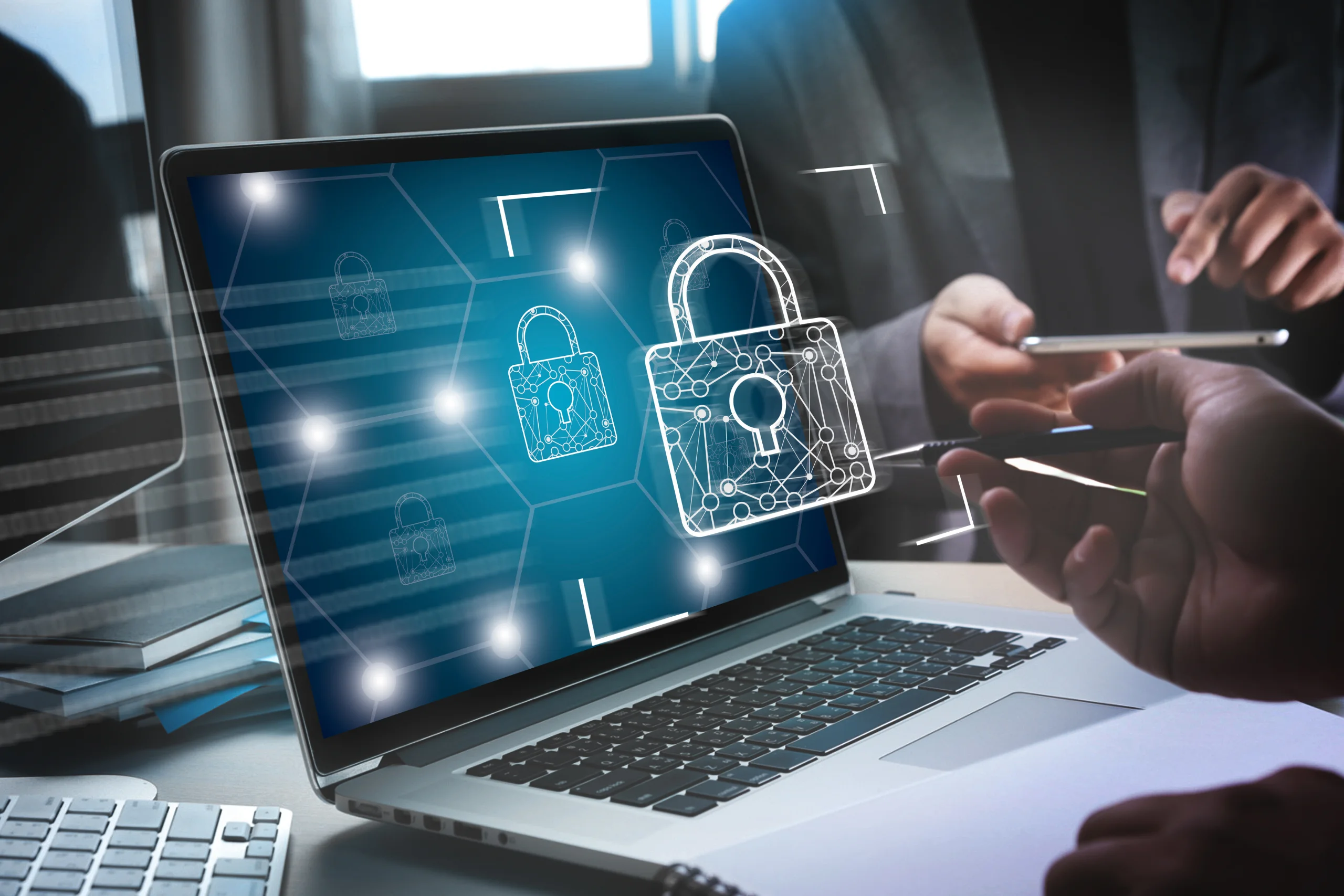
If you have a small business and you think you may not need any of the modern security systems just because the stakes are low for you, think again. You already have a bunch of tasks on your plate. Bootstrappers start most small businesses, and cost-cutting is a major aspect of making it as an emerging entrepreneur who does not have thousands of dollars to invest.
But that’s where security becomes paramount. If you don’t have the right safety mechanisms in place, you’re looking at lost revenue that can’t be accounted for, and data breaches from the internet that can not only make you lose customers but also face legal actions. Read below to find out how modern security systems can help you with your business.
Table of Contents

Camera Surveillance vs. Alarm System
When you’re thinking of shaving off the financial investment from your security needs, you might wonder if it is better to go for a camera surveillance system or install an alarm system. And while both options are great individually, it is not smart to part with one just because you don’t have the funds for it.
Cue a hybrid system: you can indeed get the best of both worlds by investing in modern surveillance systems that offer both camera surveillance and automated alert in case these CCTV cameras detect anything unusual. Because CCTV camera technology has improved a lot over the course of years, you don’t need an elaborate alarm system because these cameras monitor the visuals, assess the patterns, and inform you of any potentially risky activity on your property.
Finding The Right Option
You will need to invest some time in researching the right option for you. The security systems industry has grown a lot with the recent tech innovations are there are multiple options available in the market. A simple Google search like “commercial security solutions California” can give you a plethora of options.
Look for good reviews on their website or on Google reviews. If the security company appears promising, look at the packages and services they are offering and then reach out to them. Ask them to give you a demo so you can see their security systems work in real-time before you decide to install them.
How Does Having Security Systems Help?
Perhaps the biggest advantage of having a security system in place is that you will have peace of mind. Even when you’re away from the office, you can get real-time updates on the office, and you’ll be able to see any security breaches, like a case of break-and-entry. If an unfortunate incident like this happens, you can ring the policy immediately, and they might be able to stop and capture the intruders.
Along with that, a security system will add a visual appeal to your workplace. A client stepping into your business will appreciate the fact that you take security seriously when they see cameras or a security system installed in your office.
Data Protection
Investing in cybersecurity will help you retain the peace of mind that your clients’ data as well as sensitive information relating to your business is safe. Hackers can hack into your software to not only gather the financial details of your clients but also look at your inventory. If criminals are aware of the value and types of assets you have, it makes you a potential target of robbery. So, it is ideal to install a good-quality antivirus on your computer systems to prevent any cyber-attacks. Make a note of using two-factor authentication before logins as well.
Prepare Your Staff
Regardless of how small your work staff is, whether it is two employees or ten, make a point of scheduling evacuation drills and other safety measures. Each quarter, organize half a day of security and safety workshops. You can hire safety training agencies and academies, and they can bring the equipment and teach your staff the basic tips and tricks of protecting themselves in case of a fire, a robbery, or even a natural disaster. This kind of preparedness helps prevent terrible accidents.
Conclusion
Regardless of how big or small your business is, safety is paramount, and by investing a little in your office space’s security, you would be protecting yourself from a much larger financial liability in case of an accident. A bonus tip: as a small measure, you should always have your property and equipment insured to protect against accidents and theft.

Frequently Asked Questions (FAQs)
Why do small businesses need modern security systems if they have limited budgets?
Small businesses often believe they aren’t targets because of their size, but the opposite is true—criminals see them as easier targets. Without proper security, theft, vandalism, and cyberattacks can lead to major financial losses that outweigh the cost of installing a system. Beyond physical safety, modern systems also protect sensitive customer data, which, if stolen, could result in lost trust and even legal consequences. By investing in security, small businesses safeguard not just their property but also their reputation and long-term sustainability. In short, security is less a luxury and more a necessity.
Are camera surveillance systems better than alarm systems for small businesses?
Neither is “better” on its own—both serve important but different purposes. Cameras provide visibility, monitoring, and evidence in case of incidents, while alarms alert business owners and authorities to suspicious activity. Modern hybrid systems now combine both features, allowing for 24/7 surveillance and automated alerts when unusual activity is detected. For small businesses, this offers comprehensive protection without the need to choose one over the other. Such systems also use advanced AI-driven monitoring, reducing false alarms and providing actionable insights. For the best results, business owners should consider a hybrid solution that balances cost and effectiveness.
How can cybersecurity be part of a modern security system?
Cybersecurity is just as important as physical security. Hackers target small businesses to steal customer data, financial details, and even inventory records. Incorporating cybersecurity into a modern security plan means using reliable antivirus software, firewalls, and two-factor authentication for logins. Businesses should also ensure software updates are installed promptly and passwords are strong and regularly changed. This dual approach—protecting both physical assets and digital systems—helps prevent attacks that could cripple operations. As more businesses rely on digital tools, cybersecurity should be considered an essential pillar of modern small business security.
How do security systems build customer trust?
Customers feel safer when they know a business takes security seriously. The presence of cameras, alarms, or secure data systems signals professionalism and responsibility. For example, clients visiting an office with visible cameras may feel reassured that their safety is prioritized. Similarly, when a business demonstrates that it protects customer data, it builds credibility and loyalty. Trust directly impacts repeat business, referrals, and long-term relationships. In today’s competitive environment, demonstrating a commitment to both physical and digital security isn’t just about protection—it’s a powerful brand statement that builds confidence and trust.
What steps can small businesses take to prepare staff for security emergencies?
Training employees is one of the most overlooked aspects of security. Businesses should conduct quarterly safety workshops covering fire drills, robbery scenarios, and natural disaster responses. Bringing in professional training agencies ensures staff are taught practical safety skills. Even small teams benefit greatly from this preparation—it helps employees respond calmly and effectively in high-stress situations. In addition, clear evacuation plans, designated roles during emergencies, and accessible safety equipment (like fire extinguishers) add another layer of protection. Prepared staff not only reduce risks but also boost overall workplace safety culture.
Sources:
