

Key Takeaways
- Real-time data synchronization eliminates information lags and enables quicker, more accurate decision-making in warehouse operations.
- Mobile picking carts reduce worker travel time and human error, streamlining the order fulfillment process.
- A user-friendly interface ensures faster training and greater adoption, even among less tech-savvy employees.
- Compatibility with existing WMS is essential for seamless integration and operational efficiency.
- Rugged and durable hardware extends device life and maintains productivity in challenging warehouse environments.
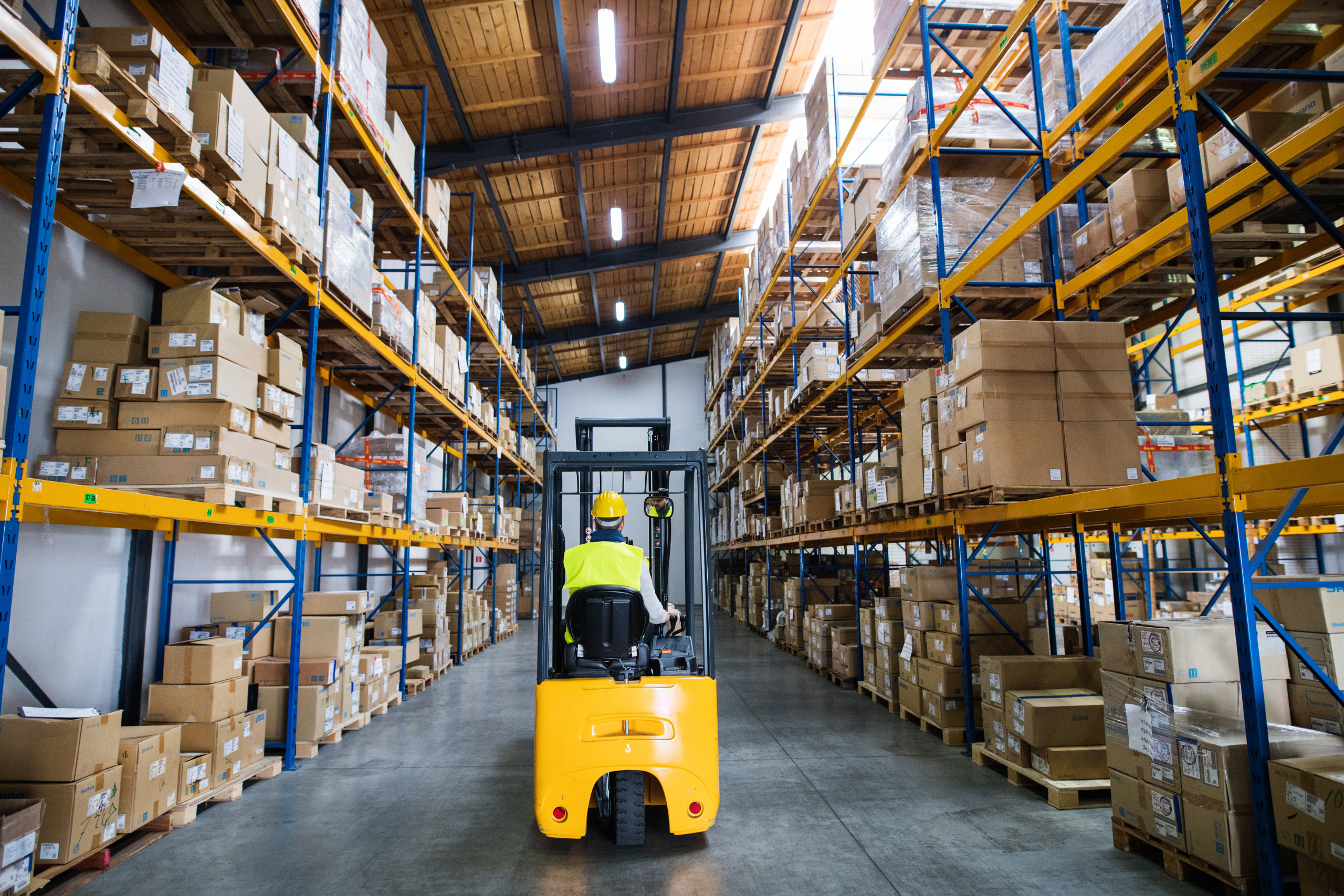
Warehouses must move with greater nimbleness than ever before in the current fast-paced supply-chain world. Warehouses are becoming more agile, efficient, and precise by means of mobility solutions. When you need to replace the current system, benefit from it, or build one from scratch, you should be aware of what capabilities to consider when choosing the warehouse mobility solution that will best suit your needs. The following five important features must be included in any smart warehouse mobility strategy.
Table of Contents
1. Real-Time Data Synchronization
The most defining characteristic of any given warehouse mobility solution is the capacity to synchronize information on a real-time basis. This enables all the workers, supervisors, and systems to get access to the most up-to-date information. It can be inventory status, order status, shipping updates, etc; real-time data removes any lag and costly error possibilities.
By connecting mobile devices and software that collects live updates, teams can now take precise actions based on updated information in real time, hence making the work and decision-making easier. Log-in sharing data may cause a bottleneck effect and confusion, thus making this a compulsory feature.
2. Mobile Picking Carts
The mobility is not limited to software only; it stretches to the hardware as well. A mobile picking cart is one of the most functional tools. These carts have a touchscreen, barcode scanners, and even power, which avoids the need for workers to travel around the warehouse without having to waste time fulfilling orders.
As an example, a pick-to-cart system can help the employees go straight to the products required to be picked and piled in an orderly fashion. This saves time on walking on human error and makes the time of order filling faster. In this arrangement, your employees can select and pack products directly on the cart without the necessity to go back to a specific workstation after each operation.

3. User-Friendly Interface
Irrespective of how competent your mobility solution is, it will not be of use in case your team has difficulties in utilizing it. A great need is to ensure that the interface is user friendly such that your workers can learn it quickly and competently utilize the available technology.
The most effective ones are simple and demand little knowledge to use with commands that can be implemented on any of the gadgets, such as tablets, hand scanners, or smartphones, with interactive dashboards and easy-to-read screens. Training takes less time, and productivity rises when there is a simple, clear interface. The right design will allow even less tech-savvy employees to catch up within no time.
4. Compatibility with Warehouse Management Systems (WMS)
The other important element to look at is the level of compatibility of the mobility solution with your current warehouse management system. Compatibility makes sure that your mobility tools are synchronized with your overall operating framework.
Be it updating the stock records, sending order statuses, or reporting, the ease of integration with your WMS would mean less manual data entry and reduced and more error-free operations. Search mobility solutions that are flexible to varying degrees that is, which are plug-and-play or easily customized to your software ecosystem.
5. Durable and Dependable Hardware
The warehouse is a harsh setting: there is dust, temperature fluctuations, falls, and a lot of movement. This is the reason why your mobile devices should be durable. Handheld scanners and mobile computers are rugged hardware that are particularly created to endure the toughest of environments and extreme levels of use.
Such devices are frequently supplied with protective shells and great battery life, and they are water or shock-resistant. By selecting equipment that is durable, long-term performance is guaranteed, and there are reduced chances of employees taking time to repair damaged devices.
Conclusion
Mobility in warehouses is no longer a luxury. Rather, it is a necessity. Giving attention to these top five features, businesses will be able to establish an efficient, accurate, and scalable warehouse operation that will satisfy the requirements of the current rapidly growing logistics environment. It assists in eliminating human error, simplifying order processing, minimizing fulfillment time, and increasing inventory accuracy. Such benefits do not only improve the performance of the operating battles; they also result in the satisfaction of the customers as well as enable the businesses to compete in a competitive market.

FAQ on Warehouse Mobility Solutions
Why is real-time data synchronization crucial for warehouse mobility?
Real-time data synchronization is foundational to an agile and efficient warehouse. It allows instant updates on inventory levels, order statuses, and shipping progress, which significantly reduces the chances of miscommunication or outdated data leading to costly errors. Without real-time visibility, employees may pick wrong items, duplicate efforts, or face shipment delays. A synchronized system enables data to be updated across all connected devices and platforms immediately, ensuring that managers, workers, and systems operate with the same accurate information. This directly impacts productivity, customer satisfaction, and the warehouse’s ability to scale effectively as demand increases.
How do mobile picking carts improve warehouse productivity?
Mobile picking carts revolutionize order fulfillment by combining mobility with technology. These carts are typically equipped with touchscreen interfaces, barcode scanners, and onboard power, allowing workers to pick, scan, and pack items on the go. This eliminates the need to return to static workstations after every pick, saving significant time and reducing fatigue. Additionally, integrated software can guide employees along the most efficient picking routes, further optimizing workflow. The result is not only faster order fulfillment but also a substantial reduction in human error and overall processing time, leading to higher throughput and better customer experiences.
What makes a user-friendly interface essential in warehouse mobility solutions?
In a fast-paced environment like a warehouse, a user-friendly interface is not just a convenience—it’s a necessity. Workers often come from diverse technical backgrounds, and a complex or confusing system can slow down adoption, reduce productivity, and increase training costs. A well-designed interface features intuitive dashboards, large readable text, and simple navigation that can be accessed from tablets, smartphones, or scanners. It minimizes learning curves and lets employees focus more on tasks than technology. A truly user-friendly system boosts morale, speeds up task execution, and ensures smoother operations across the warehouse.
Why should warehouse mobility solutions be compatible with WMS?
Warehouse Management Systems (WMS) are the digital backbone of inventory control, order management, and workflow optimization. Any mobility solution that doesn’t integrate seamlessly with your existing WMS can lead to data silos, duplicate entries, and increased manual work. Compatibility ensures that data captured via mobile devices—such as scans, picks, and shipments—is automatically synchronized with the central WMS, reducing the risk of errors and improving efficiency. It also helps in maintaining audit trails, improving forecasting, and enabling better customer service. Choosing mobility tools that “talk” to your WMS is essential for streamlined and scalable operations.
What features should I look for in durable warehouse mobility hardware?
Warehouse environments are demanding—devices are exposed to drops, dust, temperature shifts, and constant handling. This makes ruggedness a critical factor when choosing mobility hardware. Devices should be designed to withstand impact (often with MIL-STD-810G certification), be water- and dust-resistant (IP ratings like IP65 or IP67), and feature long battery life to support full shifts. Touchscreens should be usable with gloves and resistant to scratches. Devices like rugged tablets, barcode scanners, and mobile computers built specifically for industrial environments will minimize downtime, reduce repair costs, and ensure consistent productivity under tough conditions.
