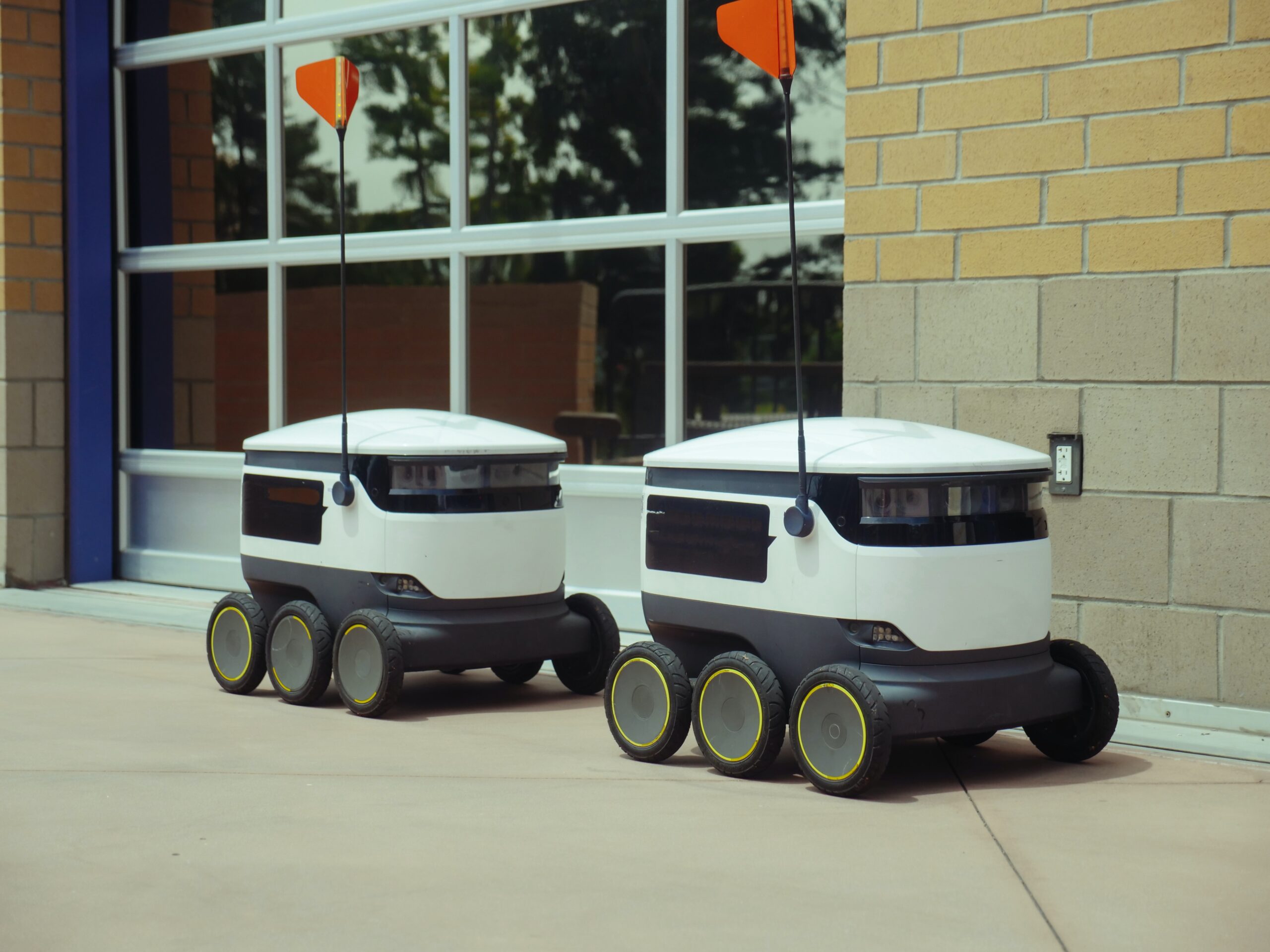
As robotic process automation continues to be adopted and deployed across many different businesses, it’s no secret that many workers can feel uneasy about the arrival of robots into their workplace. However, the relationship between Robotic Process Automation or RPA and human workers can be much more positive than you might first expect.
Being able to automate repetitive tasks via software robots has been a priority for many IT leaders across a range of sectors, but the rate of deployment has been accelerated due to the ongoing Covid-19 pandemic. While this has been incredibly beneficial for businesses overall, it has left workers feeling uncertain.
The benefits of RPA
The advantages that RPA can bring to your business are well-documented. Being able to complete tasks quicker and with fewer errors can only bring a competitive edge to a business. What’s more, it works across all different types of industries, including banking and finance, healthcare, retail, and more.
RPA is known for streamlining processes that can ultimately result in improving customer service and even improved job satisfaction, but the latter doesn’t always spring immediately to mind. In fact, as RPA looks after the mundane and low-value tasks, it frees up the time of human workforces so they can apply themselves to more valuable and rewarding tasks.
Communication is key
Human workers often feel fear that they may be replaced by robots, but it’s crucial to understand that RPA still needs their input. RPA may actually hold the key to pushing people into more rewarding jobs with better responsibilities, and away from those repetitive and laborious tasks.
The businesses that often benefit the most from automation, are the ones that consider what is best for their staff. Education, awareness, and communication all have a major role to play in making sure human workforces feel comfortable and confident with the introduction of RPA, and what it means for them. Everyone can help drive RPA forward within the business whether they work in the IT department or not.
The power of people
Having technology in place is great, but essentially it’s nothing without the right people to ensure your business is getting the most out of it. Change management is a huge part of the deployment of RPA, as it can help to deliver both the awareness and the motivation to accept and embrace RPA and to fully reap its benefits. Every team across the business should be able to communicate why RPA is a positive solution and what impact it has had on their job satisfaction and productivity.
Encouraging workers to be involved in the deployment of RPA can help you to promote the power of people. Put your workforce at the forefront of your RPA solution to help it become scalable and flexible. What’s more, when the relationship between RPA and your people is a positive and efficient one, you can achieve sustained results and a high ROI.
Without humans, RPA simply cannot function effectively, so keep this in mind if your business is embarking on its own automation journey in the near future.