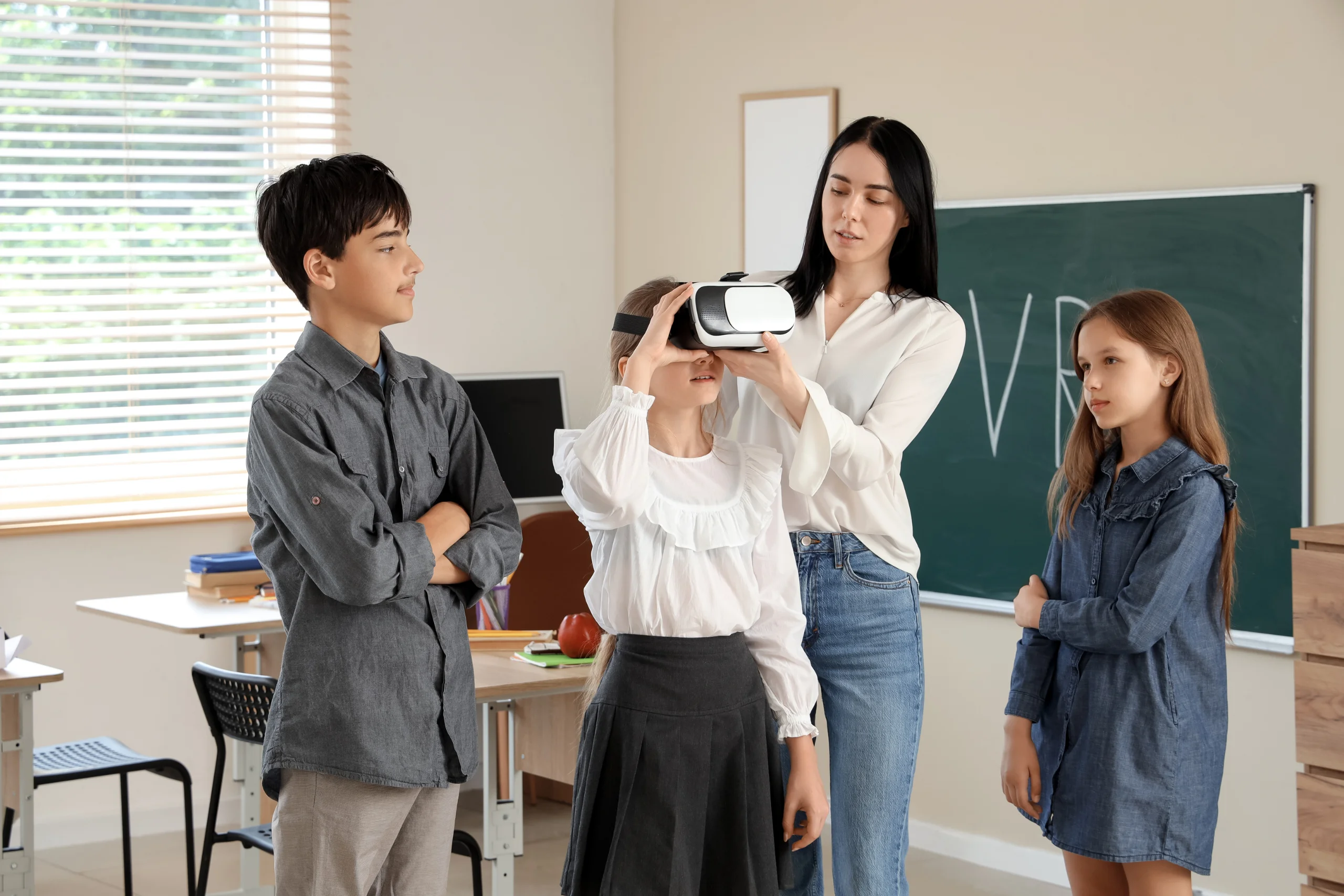
Special education service providers face many challenges every day. For example, they manage diverse needs and often lack sufficient resources. These challenges impact students, teachers, and the overall learning environment.
Innovative technology can provide effective solutions to these issues. Technology can personalize learning, improve communication, and make data-driven decisions easier. This article will explore various innovative technologies that assist special education services providers.
By leveraging these tools, educators can enhance their teaching methods and better support their students.
Table of Contents
1. Adaptive Learning Technologies
Adaptive learning technologies are tools that customize educational content based on individual student needs. These tools are highly relevant in special services because they address diverse learning requirements.
Benefits For Special Education
Adaptive learning technologies offer personalized learning experiences tailored to each student’s pace and abilities. They provide real-time feedback and progress tracking, which helps educators adjust their teaching methods promptly. Case studies have shown significant improvements in student engagement and achievement using these tools.
By integrating adaptive learning technologies, special education programs can be more inclusive and effective.
2. Data Analytics And Personalized Education Plans
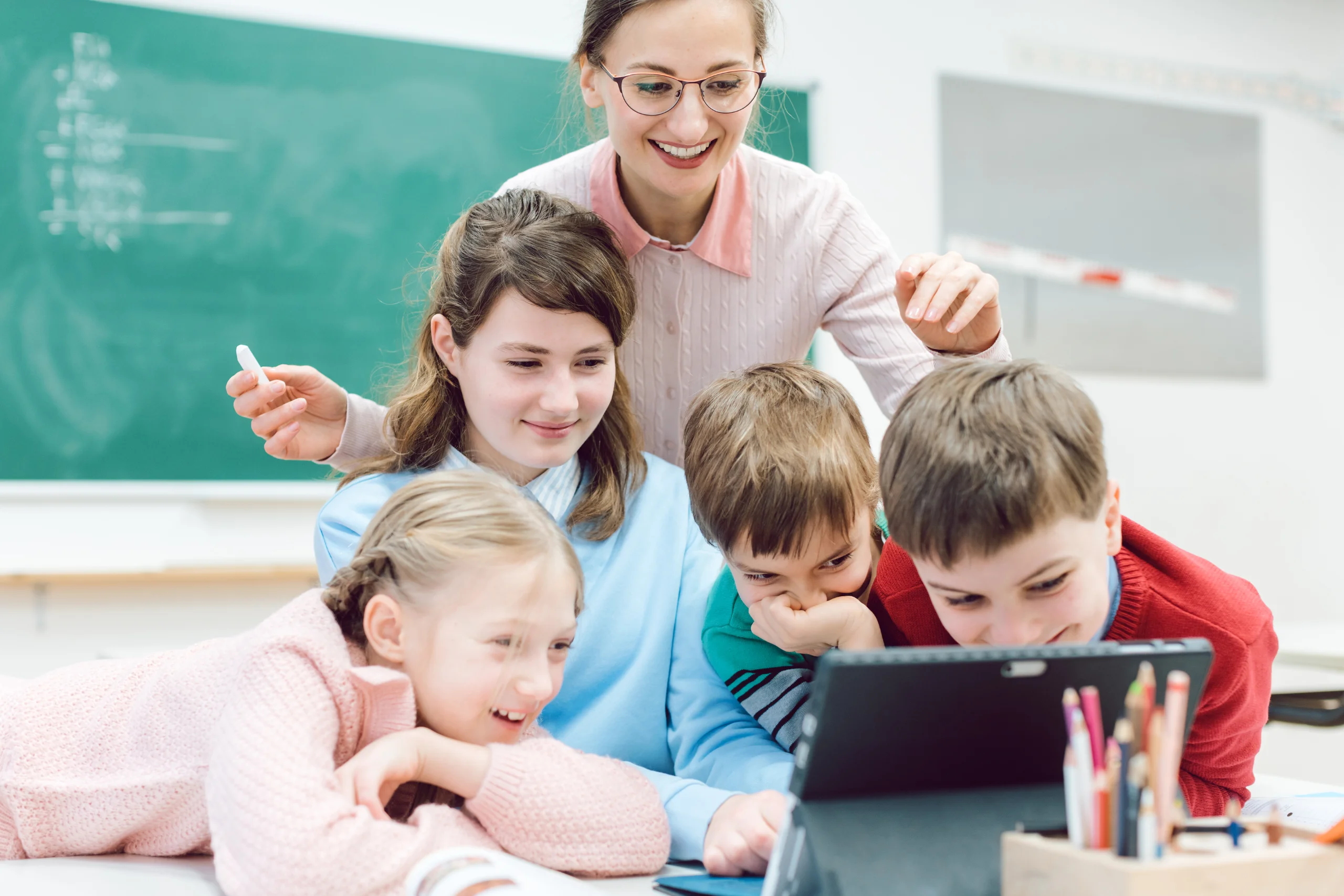
Data analytics involves collecting and analyzing various types of data to make informed decisions. In special education, it plays a crucial role by tracking academic performance and behavioral data. This includes monitoring test scores, attendance, and behavioral patterns. These insights help identify trends and areas where students may need additional support.
For example, data analytics can reveal if a student is struggling with a particular special education program or if certain behavioral interventions are working. By analyzing this data, educators can create more effective, personalized education plans that address each student’s special needs and challenges, ultimately leading to better outcomes.
Creating Personalized Education Plans
Data analytics informs individualized education programs (IEPs) by identifying student strengths and areas for improvement. Data-driven interventions lead to more effective teaching strategies and improved student outcomes.
Using data analytics, special education providers can create tailored education plans that meet each student’s unique needs.
Praxis Special Education Test
The Praxis Special Education test is a critical exam for aspiring special education teachers, measuring their knowledge and skills in this specialized field. A digital study guide of Praxis 5354 can be an invaluable resource for test preparation.
These guides offer interactive content, practice questions, and detailed explanations to help candidates understand key concepts and improve their test-taking strategies. Additionally, digital guides are accessible from anywhere, making study sessions more flexible and efficient.
3. Assistive Communication Tools
Assistive communication tools are devices and software that help individuals with speech impairments communicate effectively. These tools are crucial for any special education classroom, as they enable students to express themselves and participate in learning.
Enhancing Communication And Learning
These tools aid non-verbal or speech-impaired students by providing alternative ways to communicate. They benefit teachers and caregivers by improving their understanding of student needs. Real-life examples show that students using these tools can communicate more effectively, leading to better educational outcomes and enhanced social interactions.
Integrating assistive communication tools in special education can significantly improve the quality of learning and communication for students with speech impairments.
4. Virtual And Augmented Reality
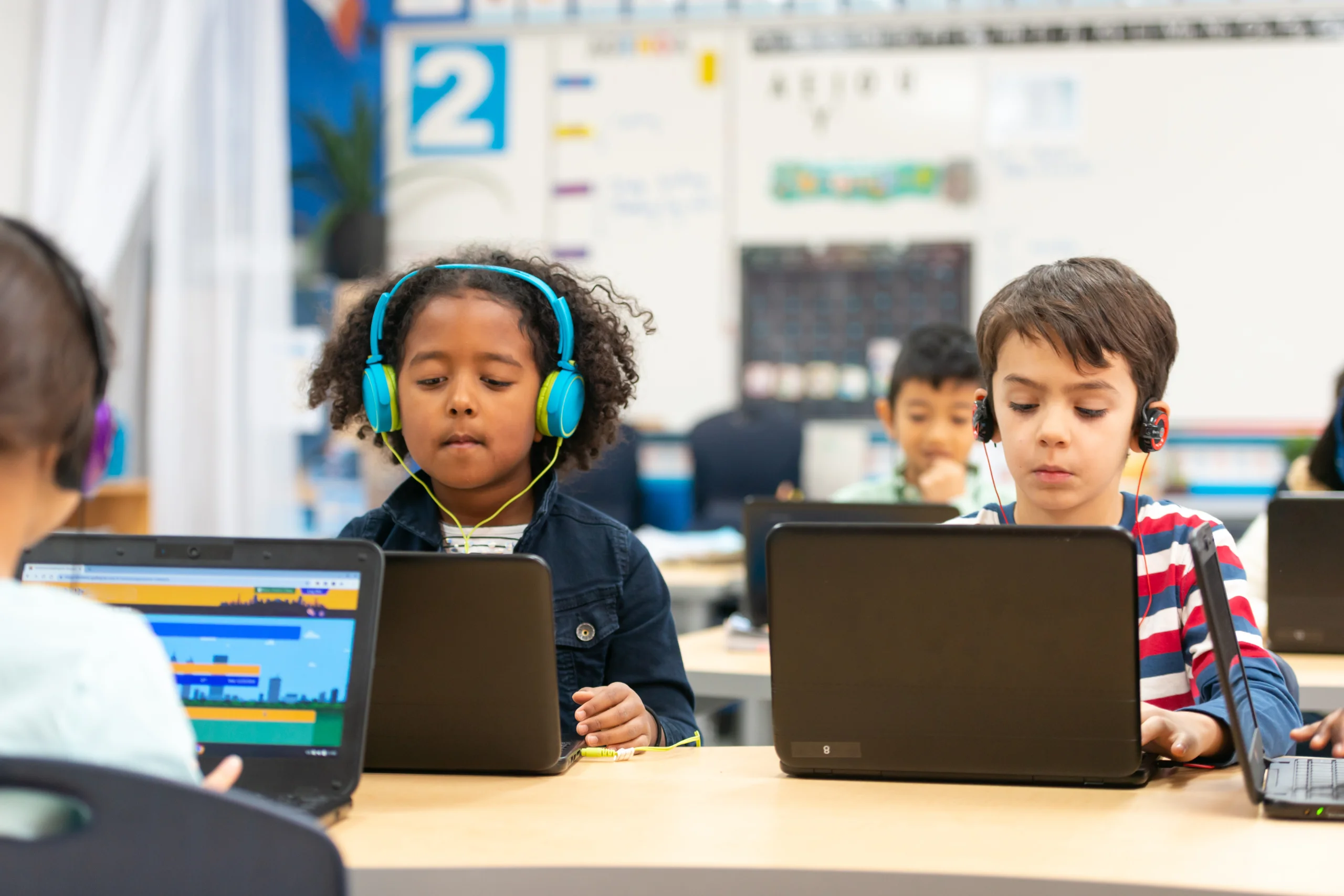
Virtual reality (VR) and augmented reality (AR) technologies create immersive learning experiences. VR provides a fully virtual environment, while AR overlays digital elements on the real world. These technologies are crucial in education for engaging and interactive learning.
Applications In Special Education
VR and AR applications include virtual field trips and social skills training. These tools increase student engagement and help develop practical skills. Educators report that using VR and AR in special education improves student participation and enhances learning outcomes.
Incorporating VR and AR technologies can transform special education, making learning more dynamic and effective.
5. Collaborative Platforms For Educators And Parents
Collaboration is vital in special education, yet communication and coordination among educators, parents, and specialists can be challenging. A collaborative approach benefits everyone involved, fostering a more supportive learning environment.
Technological Solutions For Collaboration
Collaborative platforms help bridge these communication gaps. These tools facilitate communication, resource sharing, and progress tracking. They also improve parent-teacher relationships and positively impact student outcomes by ensuring everyone stays informed and involved.
Implementing collaborative platforms can enhance the effectiveness of special education programs and promote a cohesive support system for students.
Conclusion
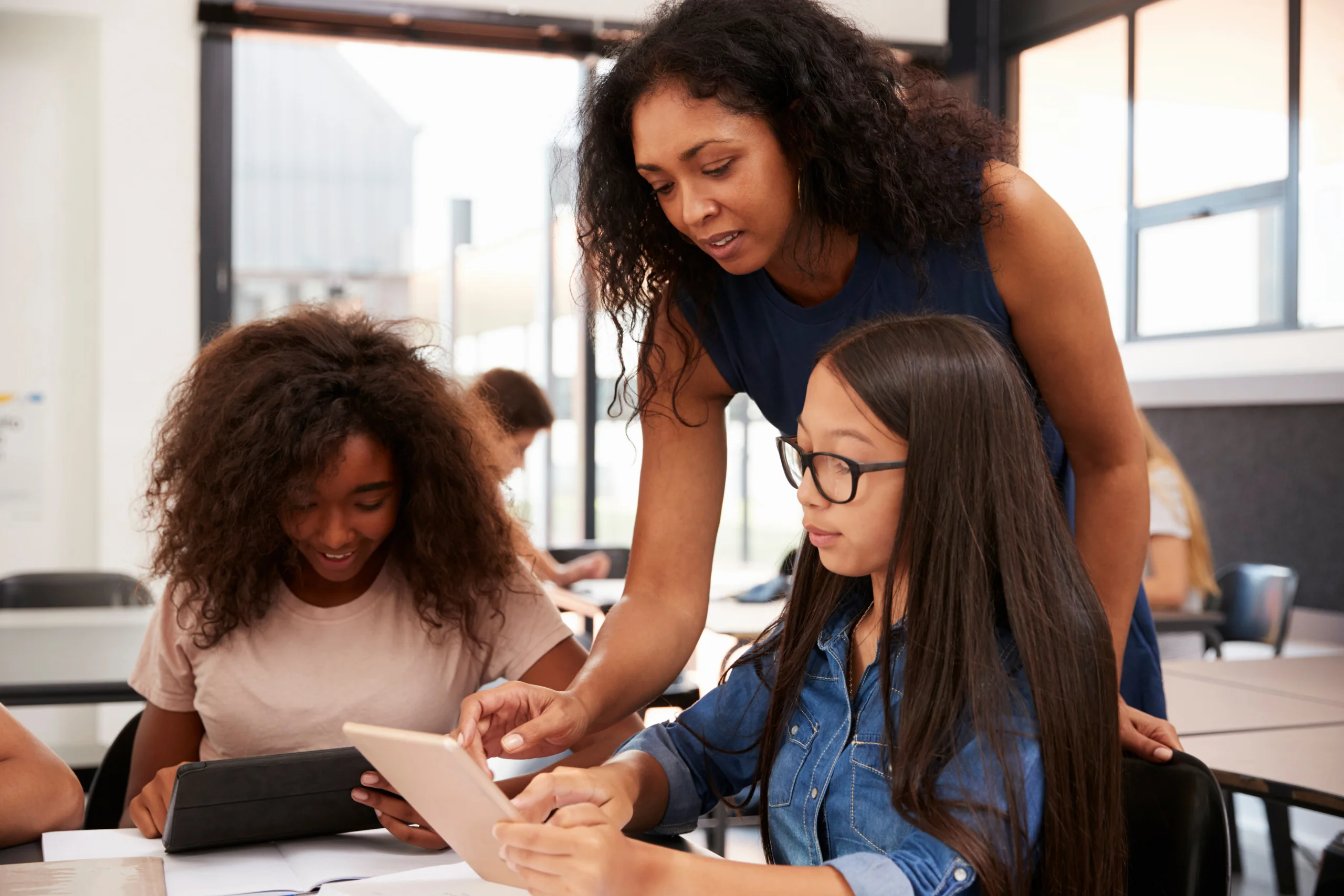
Innovative technologies like the ones outlined above can transform special education. These tools offer personalized learning, enhance communication, create immersive experiences, and provide data-driven insights. Collaborative platforms also improve coordination among educators, parents, and specialists.
To fully harness these technologies, explore emerging tools such as AI-powered tutoring systems. Invest in continuous professional development for educators to ensure effective use of these innovations. Additionally, advocate for policies that support the integration of technology in special education.
By embracing these technologies, you can significantly enhance the learning experiences and outcomes for students in special education.