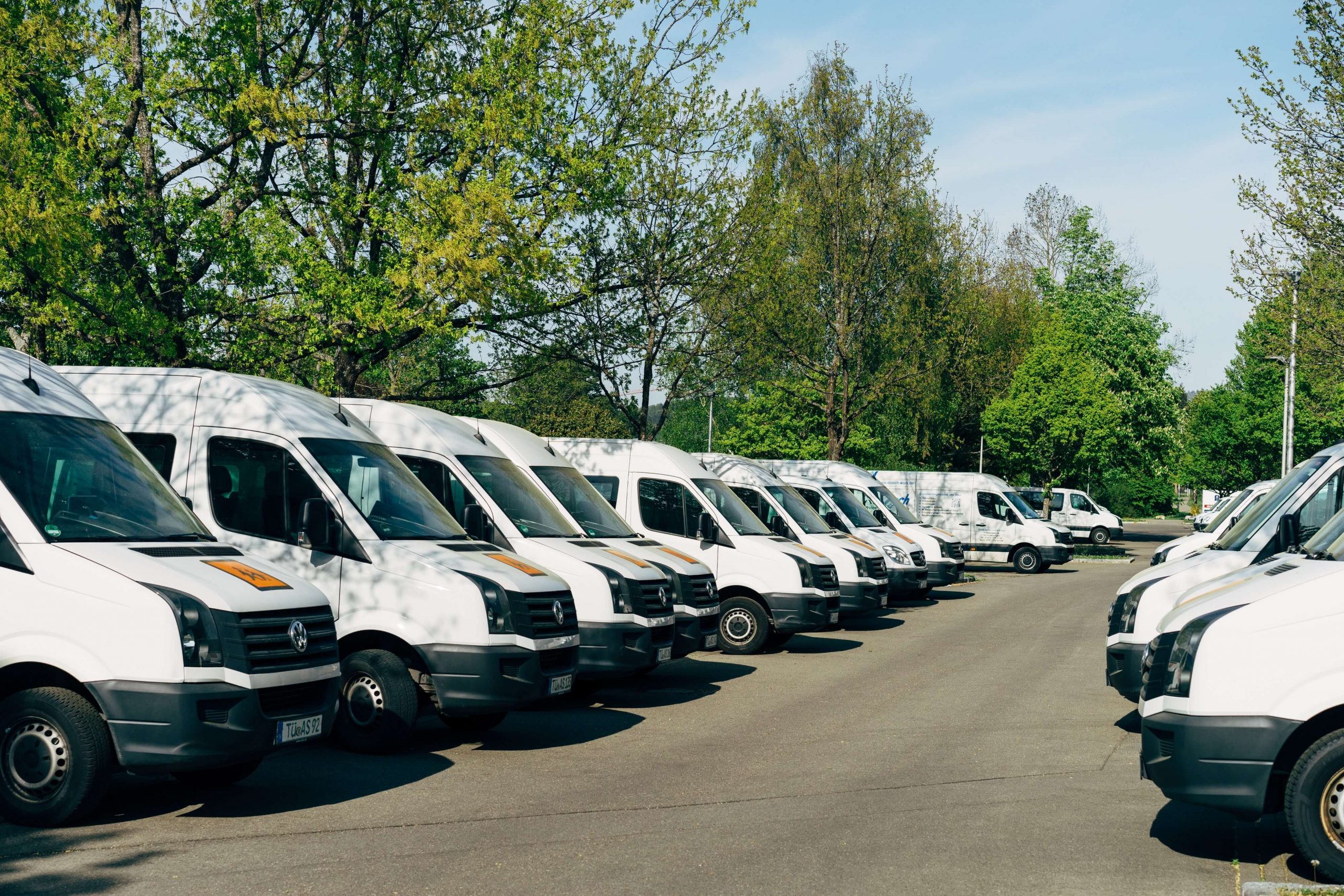
Managing a fleet of vehicles can be an insanely tough job for most employers. The consistent monitoring, quality assurance, and maintenance of damage of any kind can be tiring for even the toughest managers.
However, fleet management is a rapidly growing business and has seen a surge in importance in recent years. For this reason, many transportation business owners are now finding ways to optimize their processes and ensure that their fleets are managed through an autonomous and automated management system.
Since improving the efficiency of your fleet is the ultimate goal, we have developed this detailed guide providing you with ways to enhance the safety and productivity of your fleet.
What is Fleet Management?
Fleet Management is the management of commercial vehicles that are used for transportation jobs. It deals with the management of operations that are performed during the transportation jobs and contains the complete statistical analysis of the finances. Moreover, with efficient management of the operations, you can reduce operational costs and increase profitability with ease.
Some of the most common operations monitored in fleet management include asset utilization, dispatch, driver management, improving driver safety on the road, vehicle tracking, and controlling the overall operational costs.
The most common duties of a fleet manager include the maintenance of driver safety, driver retention, and vehicle acquisition. Since driver shortage is a real issue in the trucking industry, managers need to ensure that the drivers enjoy their time with the company.
Clever Ways to Improve Safety and Fleet Efficiency
Since fleet management is a tough job, it is essential to be at your top game of the maintenance of your assets and resources to ensure you don’t lose your reputation in the trucking industry. By following these simple tips, you can easily improve the safety and efficiency of your fleets.
● Calculate Your Fleet’s Total Cost
Managing your fleet’s budget is a challenging task as it can get complicated with the increased number of trips. Moreover, doing it manually can further complicate the process as the work gets redundant and tedious for the manager.
For this reason, you should use a centralized system that can provide real-time expense tracking insights to calculate the total cost of your fleet according to the cost-per-mile. This analysis helps you make data-driven decisions that will help you boost your fleet efficiency.
● Implement a Fleet Management System
A Fleet Management System is a centralized system that manages the operations of a transportation business. The basic goal of the management system is to help you in tracking your fleet, realizing the real-time needs of your drivers and customers, and analyzing employee progress. Moreover, a centralized system ensures that the overall business runs smoothly and the manager can plan for any changes before the occurrence of any issues.
● Increase Fleet Data Centralization with Multiple Integrations
Considering the variety of routes that have to be followed by the drivers, they must use several GPS tools to navigate to their destinations. Now with the help of integration between interactive fleet management software and the most commonly used tools such as a GPS, the centralized data will seamlessly help the drivers reach their destination without having to scroll through several apps.
● Mobile Inspections Can Decrease Drivers’ Frustration
From a driver’s perspective, paper-based inspection forms are extremely frustrating as they cannot transmit the gravity of issues to the supervisors. This is why drivers prefer mobile inspections that allow the drivers to voice their concerns through the fleet management software’s mobile client application.
The drivers can upload pictures of their vehicles and mention their concerns in these inspection forms. This form of communication yields better feedback from both the drivers and their managers.

Benefits of a Fleet Management System
Since we are now aware of how we can improve our fleet efficiency, let’s have a look at some of the benefits of maintaining a fleet management system.
● Drivers’ Performance Monitoring
Drivers’ driving performance is difficult to monitor manually. For this reason, fleet managers prefer integrating an efficient fleet management system to maintain a record of the driving patterns of a driver and compile a report that can help in the analysis of the drivers’ monthly performance.
● Improved Vehicle Maintenance
Fleet managers are always worried about the maintenance of their vehicles. However, tight budgets restrict them to make hefty maintenance. Now with real-time monitoring of the vehicles, you will be able to make the small maintenance without having them being piled up.
Fleet management is essential for transportation business owners as they need to keep a record of the daily, weekly, and monthly transactions performed through their service. The use of an automated management system helps the business owners to effectively monitor the progress of their drivers and ensure there are no discrepancies in the orders’ management. Furthermore, it helps the managers to realize the need of hiring more workforce or dismissing employees who are not improving their productivity rates.