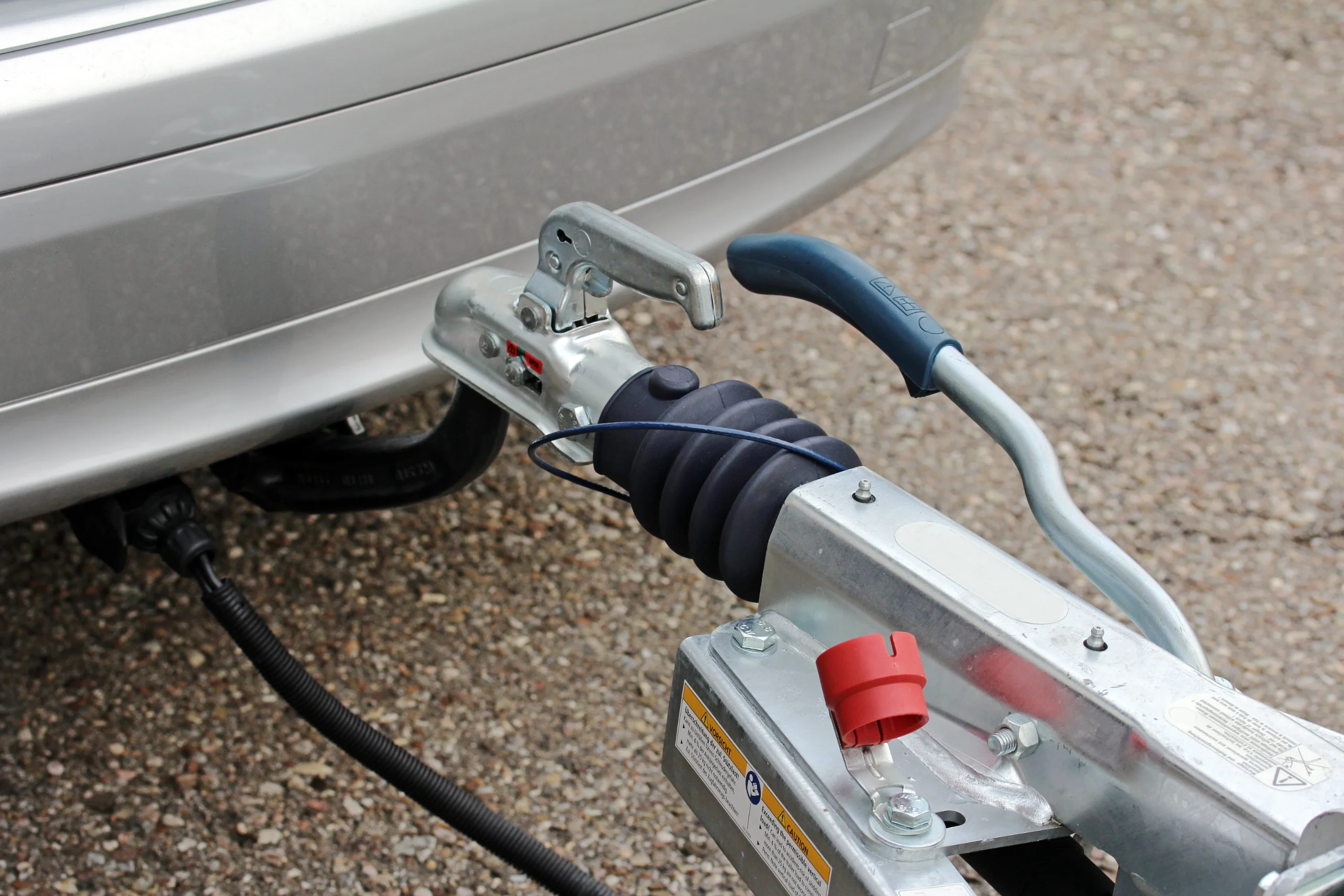
It might be difficult to choose the best auto trailer rental, particularly if you’re not sure which choice best suits your requirements. Choosing wisely is essential, whether you’re moving a car, going to a car show, or requiring a trailer for business use. This thorough guide will assist you in navigating the process:
Table of Contents
Determine Your Needs for a Car Trailer Rental
The first step is to establish your particular requirements. Your objectives will dictate the kind of trailer you need, whether you’re on a vacation, trailers for moving heavy equipment, or transferring an antique automobile. Here are some crucial things to consider:
- Purpose of the Rental: Are you hauling equipment for a business project, visiting a car show, or relocating a car for a long-distance relocation? Various types of trailers may be needed for various purposes.
- Size of the Load: Verify that the trailer you choose can hold your load size. To ensure that everything fits properly, measure your car or the contents.
- Weight of the Load: It is essential to know how much weight you are transporting. An overloaded trailer may suffer major safety problems as well as possible damage.
To guarantee seamless and incident-free transport, take into account variables including size, kind, and capacity. Examine the loading and unloading procedure and any extra tools needed, such as ramps for big or problematic objects. A thorough evaluation will put you in a position to choose a vehicle trailer rental that fulfills your needs and guarantees a hassle-free and productive rental experience.
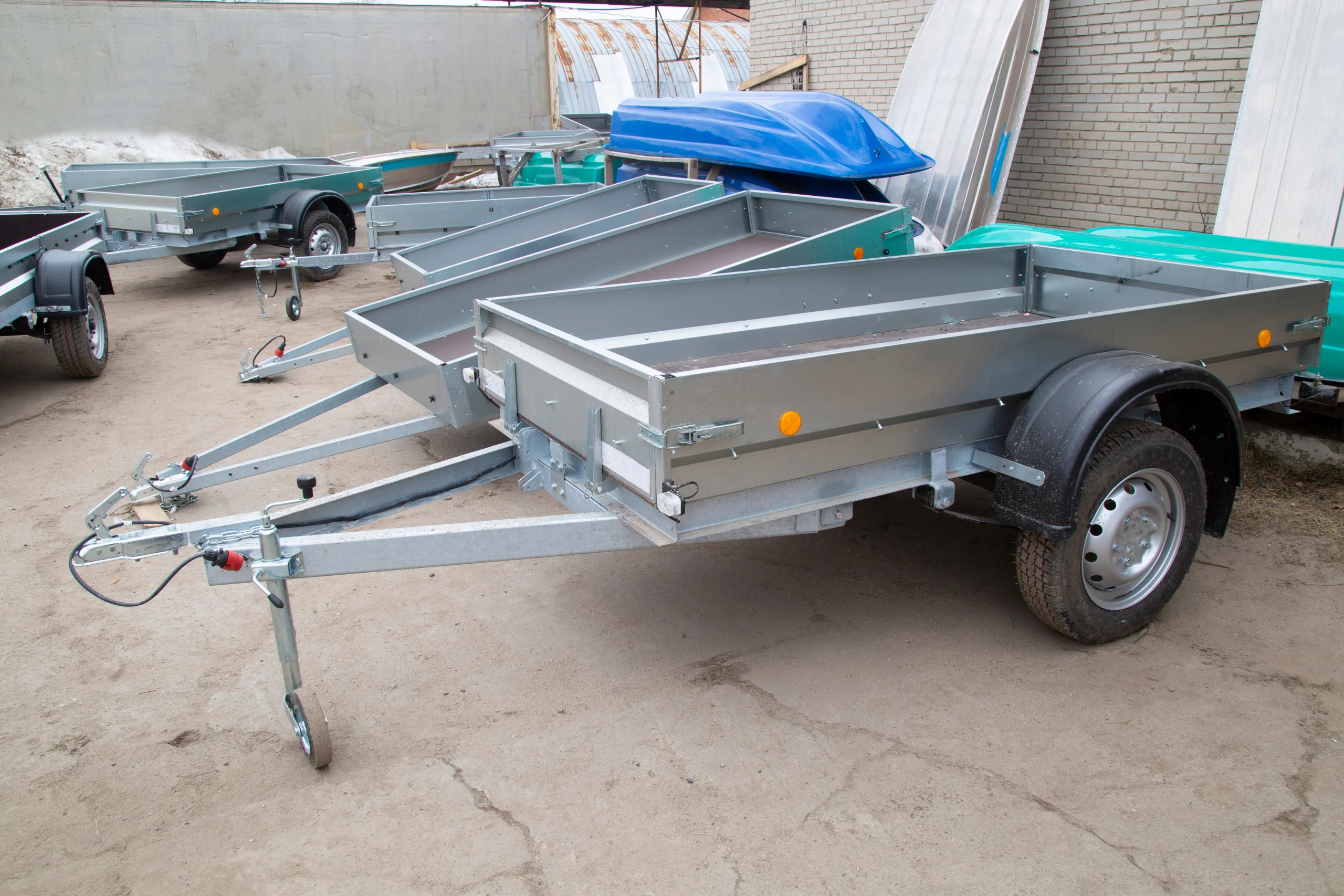
Car Trailer Types Available
Being aware of the various types of available car trailers may help you make a wise decision. These are the most typical kinds:
- Trailers in boxes: These are multipurpose and ideal for carrying garden garbage or moving residentially. They have enclosed sides to protect the cargo. They work very well to shield your luggage from bad weather and falling objects.
- Trailers with Caged Sides: These trailers work well for moving higher objects that need to be contained en route. They’re perfect for carrying large gardening tools and equipment and garbage trips. The cage construction offers Extra stability and security to tall or difficult objects.
- Furniture Trailers: Made especially for moving furniture, these trailers often include tail lifts or ramps to make loading and unloading large, heavy objects easier. They provide the space and assistance required to move big, bulky items securely.
- Luggage Trailers: These safe and lightweight trailers are ideal for hauling extra gear on lengthy journeys or family holidays. When there is not enough room in your automobile for storage, they provide a great alternative.
Distribution and Weight Capacity
Comprehending weight distribution and capacity is crucial for both legal compliance and safety. This is the reason why:
- Increasing Security: To maintain stability and control, avoid trailer sway, and lower the chance of an accident, it’s important to distribute your weight evenly. Maintaining control over the trailer and the car pulling it, particularly during twists and abrupt stops, is made easier with proper distribution.
- Keeping Your Load Within Legal Limits to Protect Your Cargo and Road Safety: Become knowledgeable about weight constraints to avoid penalties and ensure your load is within legal bounds. It is usually advisable to verify local legislation since different areas may have different weight restrictions.
The following advice may help you control weight distribution and capacity:
- Recognize Your Boundaries: There is a maximum weight capacity for every trailer. Overdoing it may result in hazardous driving conditions.
- Distribute Equidistantly: Arrange bulkier goods over the axles in the middle of the trailer, then surround them with smaller ones. This lowers the chance of sway by ensuring a balanced load.
- Secure the Load: Fasten your belongings using straps and tie-downs. Things may move in a trailer, even one enclosed, which might compromise safety and balance.
Calculate the Length and Distance of the Rental
To calculate the total cost and practicality, take into account the length of the rental and the distance. Here’s how to do it:
- Duration of Rental: Most businesses bill daily, weekly, or monthly. Finding the best deal will be easier if you know how long you need the trailer. If your job takes more than a few days, ask about weekly or monthly pricing since longer rental periods may give savings.
- Distance: Consider the whole cost, including gasoline, while making long-distance movements. Because they are heavier, enclosed trailers may use more gasoline. To prevent any surprises, account for these expenses.
Duration of Rental
- Short-Term Rentals: Perfect for last-minute, urgent requirements like relocating a vehicle or delivering supplies for an occasion.
- Long-Term Rentals: More cost-effective if you need the trailer for a prolonged amount of time, such as a long-term project or commercial usage.
Distance
- Local Use: You may choose smaller, lighter trailers and pay less for gasoline if you use the trailer locally or for short excursions.
- Long-Distance Travel: Take into account the trailer’s longevity and fuel economy when planning cross-country or long-haul excursions. Long-distance freight may be better protected by enclosed trailers, but the expense of gasoline is greater.
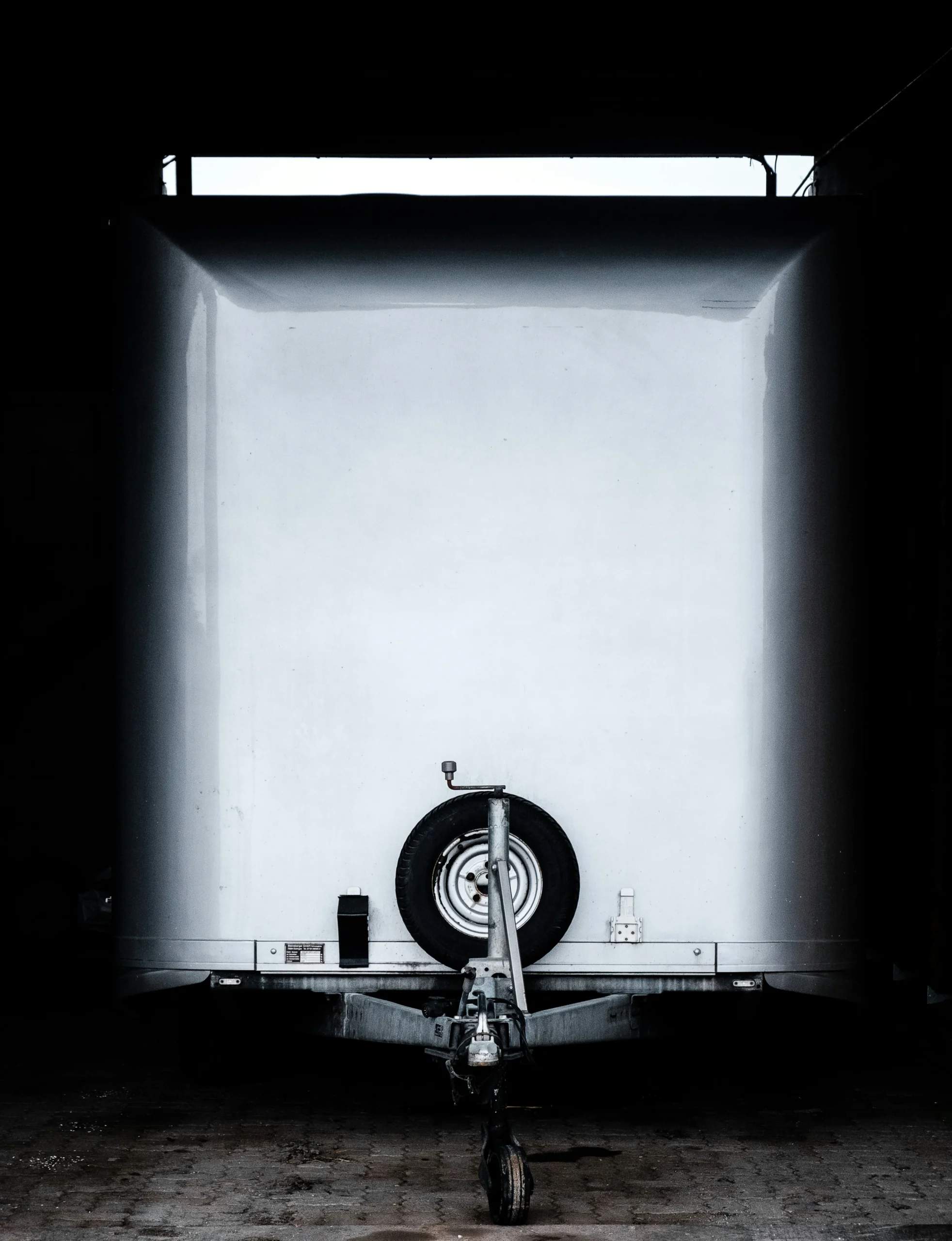
Verify the Safety and Quality
Make sure everything is secure and of high quality before you go on the road:
- Conditions of the Tires: To guarantee safe handling and efficient fuel use, keep them well-maintained, properly inflated, and free of severe wear. Look for evident damage that might lead to a blowout, such as cuts or punctures.
- Brake Lights and Signals: Working lights are crucial for safe transportation and efficient communication with other cars. Before leaving, check all the lights, including the running, turn-signaling, and brake lights.
- Structural Integrity: Look for indications of wear and tear, such as loose pieces, fractures, or corrosion, on the trailer. Towing safely depends on the frame and hitch being in excellent condition.
- Brakes and Suspension: If the trailer has brakes, ensure they are operational. The suspension should also be inspected to ensure that it can support the weight.
Assessing Extra Support and Services
Assessing extra assistance and services might improve your renting experience. Keep an eye out for the following:
- Roadside Assistance: Provides support in unforeseen circumstances. This service is priceless as it may save you time and worry during a breakdown, particularly on long-distance drives.
- Flexible Return and Pickup Policies: Adjust to your timetable requirements. The procedure is more convenient when you have flexible alternatives since you may pick up and return the trailer whenever convenient.
- Accessible Customer Support: Quickly resolves inquiries with responsive customer support. When queries or problems come up during your rental, good customer service may help.
- Options for Comprehensive Insurance: Provide monetary insurance against accidents or injuries. In the case of an accident or theft, having insurance may save you from paying a large amount of money out of pocket.
In conclusion
Choosing the ideal vehicle trailer rental in Sydney entails determining your demands, comprehending the many kinds of trailers that are available, controlling weight distribution and capacity, thinking about the length and distance of the rental, ensuring quality and safety, and weighing extra services. You can guarantee a seamless and effective vehicle trailer rental experience customized to your unique needs by adhering to these recommendations. The appropriate trailer rental may make all the difference in securely and effectively reaching your objectives, whether for personal or business usage.