Concrete highway barriers aren’t just a safety line item—they’re a small-business decision that affects your bids, crew time, and liability. This guide breaks down the most common barrier types (Jersey, F-Shape, tangent, step) and explains when renting a managed barrier system makes more sense than buying. Use the contractor checklist to match specs, reduce rework, and choose a barrier setup that protects both people and profit.
Key Takeaways
- “Best barrier” is a business decision, not just an engineering one. You’re balancing compliance, safety, labor, logistics, and total cost of ownership.
- Managed/rental barrier systems can protect margins when projects shift often (lane moves, phased work, short timelines) because they reduce storage, transport, and crew time.
- Jersey barriers are the go-to workhorse for long-term separation and projects where barrier placement won’t change much.
- F-Shape barriers are often spec-driven and commonly preferred for higher-speed environments where redirection performance matters.
- Tangent and Step profiles can be strong niche fits for smoother redirection or mixed-traffic containment—but availability and transitions/end treatments must be planned.
- Buy vs. rent depends on utilization. If you can keep barriers deployed across multiple projects, buying can pay off; if change is frequent, renting often wins.
- Profit killers are predictable: mismatched specs, poor delivery sequencing, end-treatment gaps, and underestimating handling/storage.
If you run a small construction company, paving crew, traffic-control business, or rental yard that supports road projects, choosing the best highway concrete barriers isn’t just a safety checkbox—it’s a profitability decision. The right barrier helps you meet specs, protect crews, reduce liability exposure, and avoid costly rework when inspectors (or primes) want everything installed exactly right. In this guide, we’ll break down the most durable barrier types, when renting beats buying, and what to check so your barrier plan supports both safety and your margins.
Concrete barriers earn their reputation because they’re tough: they handle repeated impacts, weather cycles, and jobsite abuse better than many lighter, temporary options. But “durable” doesn’t mean “one-size-fits-all.” Barrier shape, connection method, transportation logistics, and how often you relocate them will determine whether you get a smooth, profitable job—or a project plagued by damage, delays, and change orders.
Below is a business-first breakdown of the most common highway concrete barrier styles, what they’re best at, and how to choose the right approach for your company’s goals.
Table of Contents
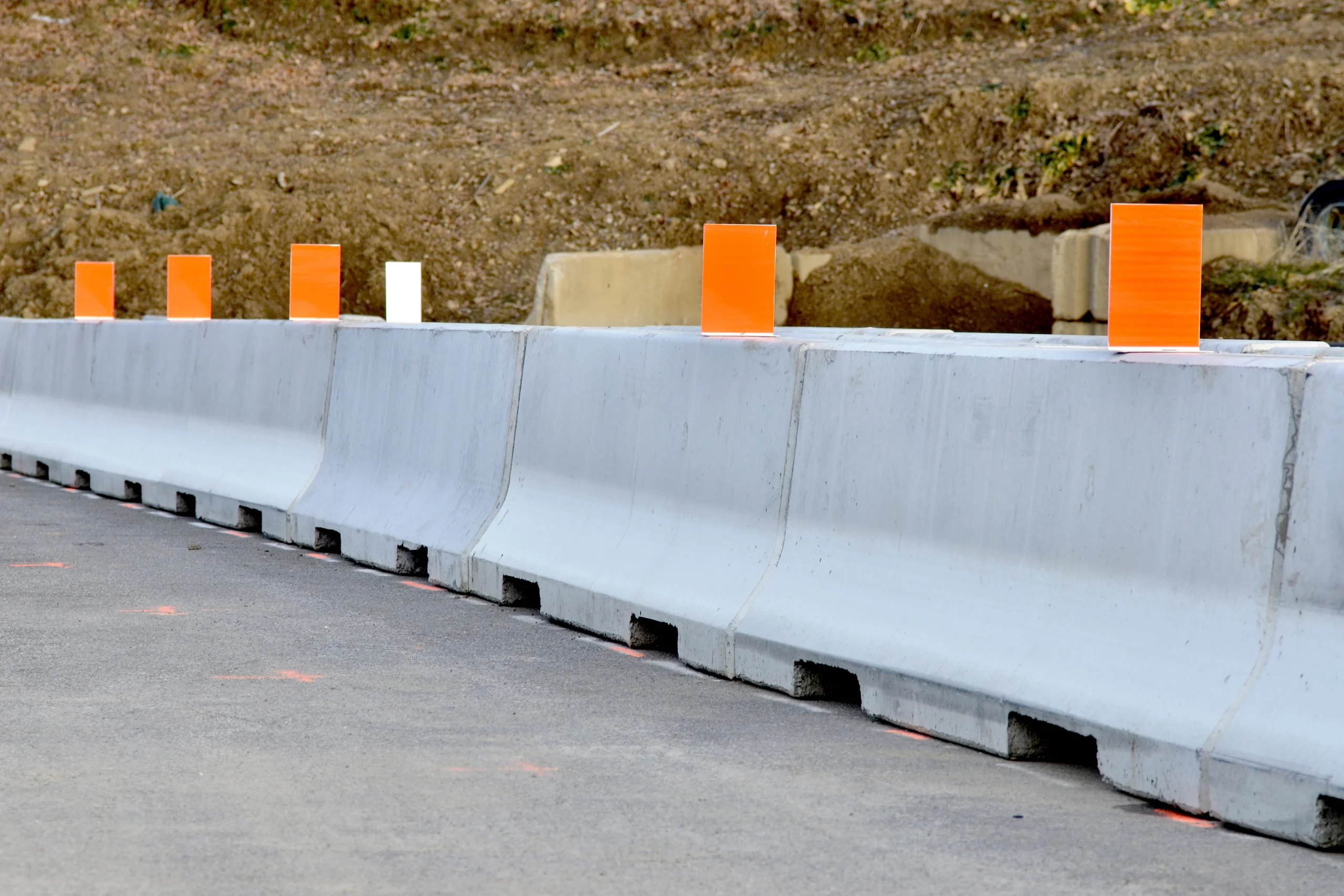
Table 1. Quick comparison: barrier types and the business use case
| Barrier type | Best fit for | Why small businesses like it | Watch-outs |
| Managed/rental barrier systems (delivered, set, moved by vendor) | Active work zones with frequent shifts | Minimal storage/logistics; faster mobilization; predictable costs | Availability during peak season; vendor scheduling; contract terms |
| Jersey barriers | Long-term separation, medians, low-change projects | Durable, familiar, easy to source precast | Heavy hauling + storage; repositioning takes equipment/time |
| F-Shape barriers | Higher-speed roads, improved redirection profile | Strong performance history; good for permanent installs | Same logistics as Jersey; must match project specs exactly |
| Tangent barriers | High-speed zones where smooth redirection matters | Can reduce snagging/abrupt impacts; good continuous runs | Not always stocked locally; transport planning matters |
| Step barriers | Mixed traffic (cars + heavy vehicles), urban + highway | Versatile profile; strong containment characteristics | Ensure compatibility with adjacent segments/end treatments |
The small-business lens: what “best” really means
When a state DOT or prime contractor says “use approved barriers,” you’re usually optimizing for more than crash performance. You’re balancing:
- Contract compliance (project specs, state DOT lists, crash-testing requirements, work zone standards)
- Total cost of ownership (purchase price + transport + labor + storage + repairs + replacement)
- Speed of deployment (how quickly you can set, reset, and move barrier as phases change)
- Risk management (jobsite incidents, insurance claims, worker protection, public safety)
- Operational reality (yard space, equipment available, crew experience, job durations)
A barrier that looks “cheaper” per unit can become expensive if it needs frequent repositioning, chips easily, or requires specialized handling that slows production.
1. Managed barrier systems (turnkey delivery + installation): durable and operationally efficient
For many small contractors, the most “durable” option isn’t a specific shape—it’s an operating model.
A managed barrier system typically means a vendor delivers, sets, and repositions barrier as your traffic plan changes. This can be a big advantage in active work zones, lane shifts, bridge rehab, or phased road widening where your barrier footprint changes weekly.
Why it can make business sense
- Lower overhead: No need to buy, store, or maintain a large barrier inventory.
- Faster mobilization: You don’t tie up your crew or equipment handling barrier moves.
- Cleaner estimating: Costs can be structured as a rental line item with predictable mobilization and move charges.
- Less risk: Handling and transport are common points where barriers get damaged (and schedules slip).
Best for
- Short-to-mid-duration projects
- Work zones that shift often
- Small crews that can’t spare manpower for repeated barrier moves
- Contractors who want to preserve cash flow vs. making a big capital purchase
What to confirm before you sign
- What’s included: delivery, setup, moves, pickup, damaged unit fees
- Lead times during busy season
- Proof of compliance required by your bid specs
- Availability of add-ons like reflectors, delineators, end treatments, or attenuators
2. Jersey barriers: the workhorse for long-term separation and traffic control
Jersey barriers are the classic precast concrete units used for medians, lane separation, and long-duration protection. They’re popular because they’re widely available, straightforward to deploy, and hold up well through weather and impact cycles.
Business advantages
- Reliable durability: Precast concrete resists rust, rot, and warping.
- Easy sourcing: Many regions have local precasters, which reduces freight costs.
- Operational familiarity: Most crews and inspectors know what to expect.
Where they make the most sense
- Long-term lane separation
- Permanent or semi-permanent medians
- Projects where barrier placement won’t change often
Cost factors to plan for
- Transport: Concrete is heavy. Hauling costs can rival the unit price over distance.
- Equipment: You’ll need forklifts, loaders, cranes, or specialized barrier trailers depending on units and access.
- Storage: If you buy, you need yard space and a plan for inventory management.
- Chipping/edge damage: It’s usually cosmetic, but repeated handling can create maintenance headaches.
Pro tip for small operators: If you bid multiple projects per season, buying can pencil out—but only if you can keep utilization high and you have a storage/logistics plan. Otherwise, renting may protect cash flow.

3. F-Shape barriers: stronger redirection profile for higher-speed environments
F-Shape barriers are a common alternative profile used on highways. The geometry is designed to help with vehicle redirection—especially at speed—by managing how tires interact with the barrier face during an impact.
Why contractors choose them
- Spec-driven choice: Some agencies or project designers prefer the F-shape profile.
- Good for continuous runs: Strong option for long stretches of lane separation.
- Durability: Same precast advantages as Jersey barriers.
Best for
- Higher-speed roadways
- Permanent installations
- Projects where you want a profile commonly recognized by DOT specs
Business watch-outs
- The “right” barrier is the one your project specs require. If the contract calls for a specific profile and connection type, substituting can create delays, rejected work, or change-order disputes.
- Make sure units match your connection method requirements (pins/loops/hooks), because mismatches can slow installation and create safety concerns.
4. Tangent barriers: smoother redirection and strong performance in high-speed corridors
Tangent barriers use a shape that can support smoother vehicle interaction along the barrier line—useful when you want to reduce abrupt rebound behavior and maintain better vehicle stability during an impact.
Why this can matter for your business
- Fewer “problem spots” in long runs (where vehicles snag on edges or transitions)
- Potentially cleaner performance in areas where traffic is fast and dense
- Durable, long-life concrete construction
Best for
- High-speed highway corridors
- Long continuous work zones
- Sites where smooth traffic redirection is a priority
What to plan for
- Sourcing: not every yard stocks tangent profiles in volume
- Logistics: long runs require consistent unit availability and good sequencing on delivery day
5. Step barriers: versatile for mixed traffic (urban + highway) and stronger containment needs
Step barriers use a two-level face profile intended to handle a wider mix of vehicle sizes and impact points. That versatility is useful when your jobsite sees everything from passenger cars to heavy trucks, or when you’re working in urban environments that transition into higher-speed segments.
Why small businesses like them
- Versatility: One barrier profile can serve multiple environments.
- Strong long-term durability: Designed to hold up under repeated jobsite conditions.
- Modular setup: Often works well where you need quick installation and repositioning.
Best for
- Mixed traffic patterns
- Urban roadwork that still needs serious containment
- Projects with variable vehicle types and speeds
Business watch-outs
- Confirm compatibility with required end treatments/attenuators.
- Check how transitions will be handled (especially if step barriers meet other barrier types).
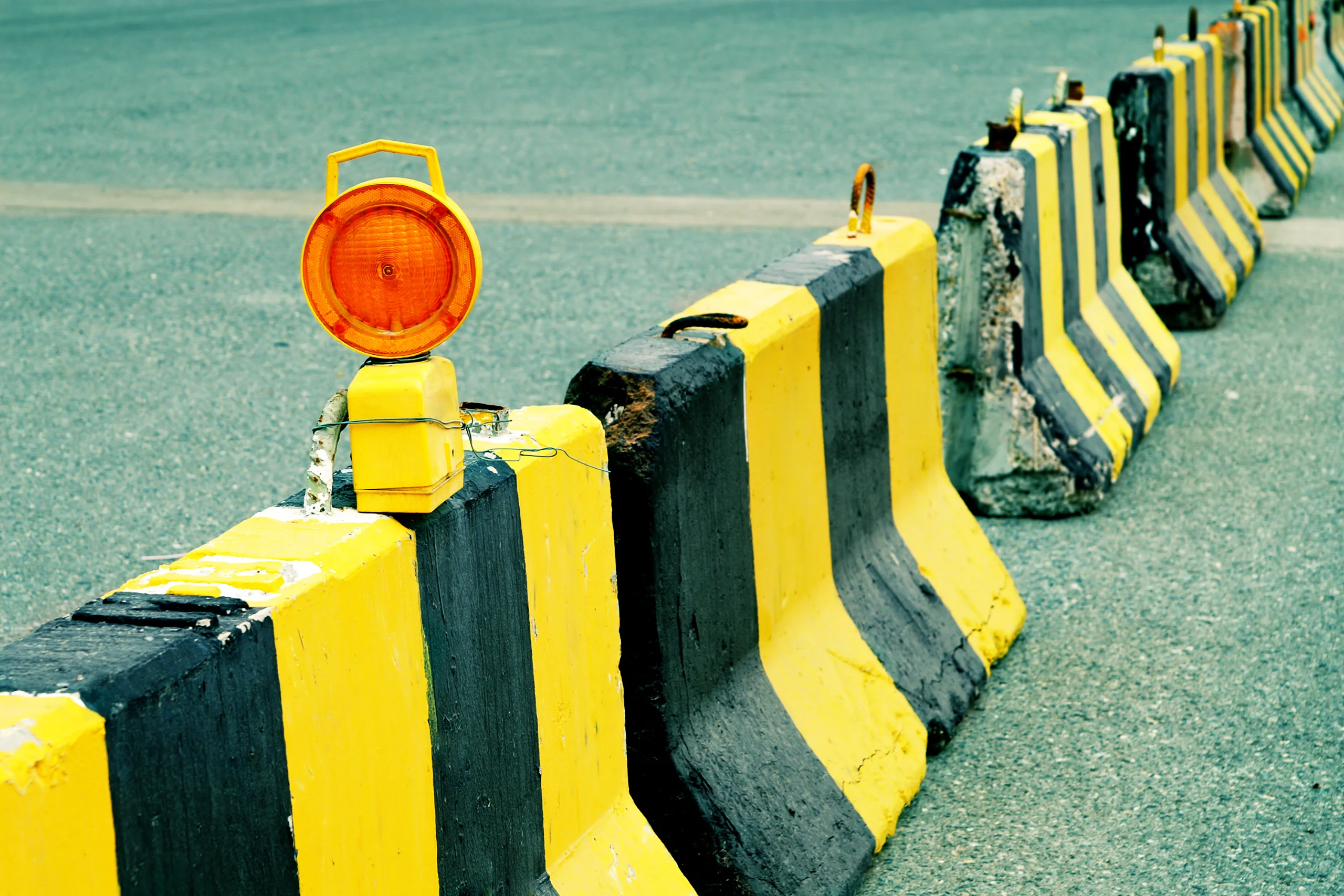
Buy vs. rent: the decision that actually changes your profit
For PowerHomeBiz readers, this is usually the core question.
When buying makes sense
- You run multiple road projects per season with high barrier utilization
- You have storage space and equipment to move/stack units efficiently
- You can manage maintenance and inventory without eating crew hours
- You want a hard asset you can depreciate and potentially resell
When renting/managed systems make sense
- You’re growing and protecting cash flow
- Your projects are short-term or frequently reconfigured
- You don’t have yard space or don’t want barrier handling to consume labor
- You want predictable line-item costs for bids
Rule of thumb: If barrier movement and reconfiguration are frequent, managed/rental options often win on labor + scheduling even if the per-unit rate looks higher.
The contractor checklist: what to verify before you commit
Use this as a quick internal SOP for purchasing or renting:
- Spec match: profile type (Jersey/F/Step/etc.), height/length requirements, connections, reflectivity requirements
- Compliance documentation: whatever your contract/DOT requires (don’t assume “concrete is concrete”)
- Handling points: forklift slots, lift inserts, connection hardware included
- Delivery plan: sequencing, site access, turnaround time for adds/moves
- Surface + visibility: reflectors/delineators, markings, night visibility plan
- Transitions + ends: how ends are protected (attenuators/end treatments)
- Damage policy: who pays for chips/cracks/repairs and how it’s documented
- Storage plan (if buying): yard layout, stacking method, tracking, security
Conclusion: durability is safety—but it’s also margin
Highway concrete barriers are among the unglamorous decisions that quietly shape your profitability. The most durable setup is the one that meets spec, installs efficiently, minimizes rework, and fits your operating model—not necessarily the one with the most mass.
If you’re a small contractor, don’t evaluate barriers like a highway engineer alone. Evaluate them like a business owner: total job cost, crew time, equipment constraints, compliance risk, and how often the site will change. When you choose based on lifecycle cost and operational reality, concrete barriers become what they’re supposed to be—reliable protection that doesn’t drain your schedule or your budget.
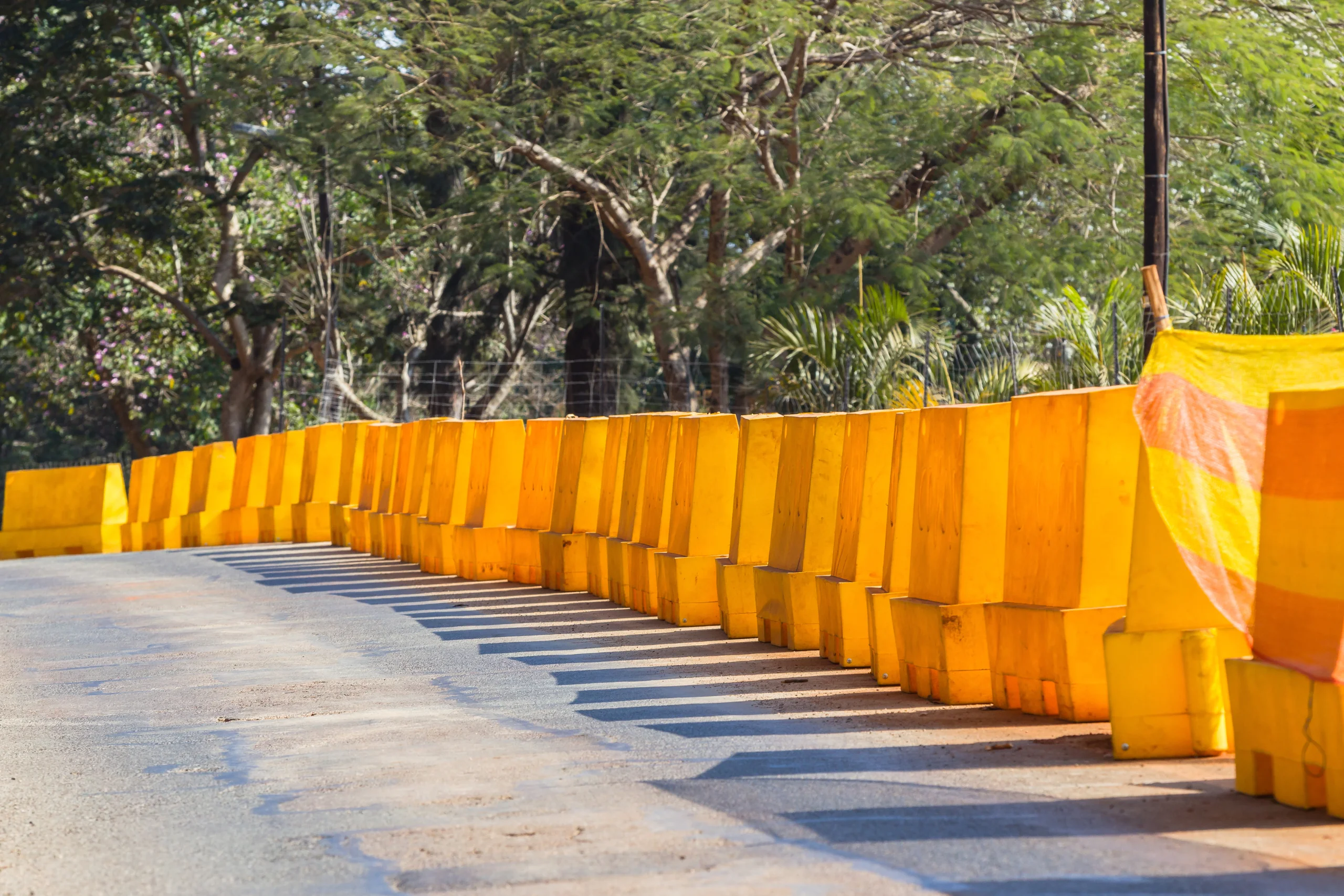
FAQ
What is the most durable concrete barrier for highways?
“Most durable” usually means the barrier that holds up physically and operationally for your project conditions. In practice, precast concrete barriers (like Jersey and F-shape) are widely used for long-term durability because they withstand weather cycles and repeated jobsite handling better than many temporary alternatives. But durability isn’t just about concrete strength—it’s also about how often the barrier must be moved, how it’s transported, and whether the barrier matches spec requirements. A barrier that’s constantly repositioned can take more edge damage and create more labor costs, even if it’s structurally solid. For many small contractors, the most durable choice in real life can be a managed/rental barrier system, because it reduces handling damage and minimizes downtime when phases shift.
What’s the difference between Jersey barriers and F-shape barriers?
The biggest difference is the profile (shape) and how it influences vehicle interaction during impacts. Jersey barriers are the classic sloped design seen everywhere; they’re widely available, familiar to inspectors, and commonly used for medians and work zones. F-shape barriers have a modified profile intended to improve redirection behavior—especially on higher-speed roads—by changing the angle where a vehicle’s tires engage the barrier. From a contractor standpoint, the “right” choice is often spec-driven: many DOTs and primes specify one profile over the other. Operationally, both are durable precast options, but your decision should be based on project requirements, availability, connection hardware compatibility, and hauling/handling logistics.
Are concrete barriers better than water-filled barriers?
For many highway and high-speed applications, concrete barriers are typically preferred because they have the mass and rigidity to provide stronger containment and redirection. Water-filled barriers can be useful for low-speed, short-duration, or pedestrian-control scenarios, but they may not offer the same performance in higher-speed impacts and can create extra maintenance issues (leaks, freezing, refilling, storage volume). From a business perspective, concrete barriers often win for projects where you need long-term durability, fewer replacements, and lower risk of failing inspection requirements. That said, water-filled barriers can still be cost-effective when specs allow them and the primary goal is channelization rather than heavy containment.
How much do highway concrete barriers cost to buy or rent?
Costs vary by region, barrier size/profile, and what’s included (delivery, setup, moves, pickup). Buying typically involves (1) unit cost, (2) freight/hauling, (3) handling equipment time, and (4) storage and maintenance over time. Renting or using a managed barrier system may look higher per unit, but it often includes logistics and reduces crew time—especially when the job requires frequent reconfiguration. For small businesses, the most accurate way to compare is to estimate total installed cost per project: mobilization + set time + move time + demobilization + damage risk. When your job changes weekly, renting often protects both schedule and margin. When you can keep barriers deployed across multiple projects, buying can win on long-term cost.
Do concrete barriers need to be anchored?
Many precast concrete barriers rely on their mass, connections, and proper installation rather than traditional anchoring—especially for standard median separation or long continuous runs. However, requirements vary by project: some jobs call for specific connection methods, pinning systems, or end treatments, and certain locations (bridges, tight geometry, high-risk zones) may have additional constraints. The important business takeaway is: follow the project specs and traffic control plan exactly. Improper installation can create safety issues, trigger failed inspections, or expose your company to liability. If the plan requires anchoring or a specific connection detail, treat it as non-negotiable and price it into your bid.
What should contractors check before choosing a barrier supplier?
Contractors should verify four things before anything else: spec compliance, logistics, connections, and end treatments. Ask for documentation that the barrier profile and configuration meet project requirements, confirm the supplier’s delivery sequencing and lead times, and ensure your crew can handle the barrier with existing equipment. Next, confirm how transitions and ends will be protected—end treatments and attenuators are often where projects get flagged. Finally, clarify damage policies and what’s included in rental pricing (delivery, setup, moves, pickup). A supplier that’s slightly more expensive can be cheaper overall if they reduce downtime, rework, and change-order disputes.