

The rise of remote work has opened up tremendous possibilities for home-based entrepreneurs. You no longer need an office building or a large team in one location to run a successful business. With the right tools and mindset, your living room can power a thriving enterprise. But with flexibility comes a new challenge: how do you manage productivity, deadlines, and accountability when your team is remote?
That’s where smart monitoring strategies come in—not as a means of micromanaging, but as a way to build trust, boost performance, and drive growth.
Table of Contents

Remote Work Is Here to Stay—And Growing
According to a 2024 Owl Labs report, 74% of global companies now offer some form of remote or hybrid work. In small businesses, remote teams are even more common due to lower overhead and easier access to talent across geographies. Yet, 30% of small business owners say they struggle with productivity tracking in remote settings.
For home-based business owners who rely on freelancers, virtual assistants, or part-time remote staff, finding an effective way to manage and monitor performance is more important than ever.
Common Pitfalls of Remote Management
Running a business from home means you’re already juggling many roles—manager, marketer, customer service, and often your admin. If your remote team isn’t aligned, you can run into:
- Missed deadlines due to miscommunication
- Scope creep from untracked hours and unclear expectations
- Lost revenue when the team output doesn’t match the project goals
Without visibility into how time is spent, it becomes difficult to identify bottlenecks or help struggling team members improve.
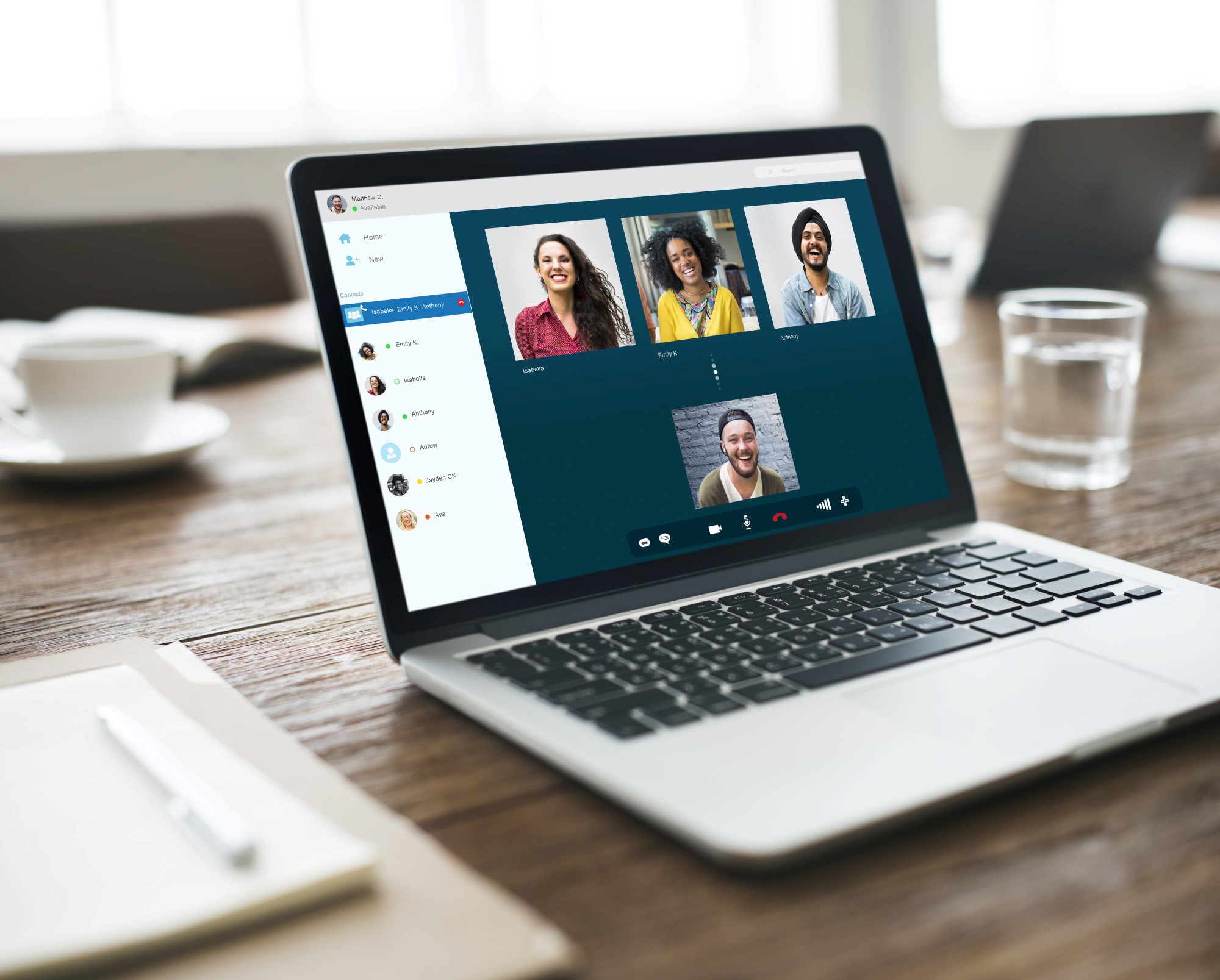
Reframing Monitoring: From Control to Clarity
The term “monitoring” often triggers negative reactions. But in today’s digital landscape, it doesn’t have to mean spying or invading privacy. Many employees welcome transparency, especially when it’s framed around support and growth.
Employee monitoring tools can streamline operations by offering insight into:
- Team productivity
- Project progress
- Communication breakdowns
According to Statista, 45% of remote workers feel more productive when they have access to dashboards that show how they’re performing and what’s expected.
Features That Matter (Without Going Overboard)
For small or home-based businesses, you don’t need enterprise-level software. What matters more is selecting a tool that’s:
- Easy to use
- Focused on outcomes, not surveillance
- Affordable
- Integrated with your existing tools
Look for basic features like time logs, task tracking, and project management. Avoid invasive options like keystroke logging or screen capture unless compliance demands it.
Best Practices for Responsible Monitoring
Monitoring tools are most effective when your team understands what’s being tracked and why. Here’s how to implement them responsibly:
- Be Transparent – Share what’s being tracked and why it matters.
- Involve Them Early – Get feedback when choosing tools.
- Focus on Improvement, Not Punishment – Use insights for coaching, not criticism.
- Share the Insights – Regular updates encourage ownership and alignment.

A Real-Life Example
Lisa, a virtual assistant agency owner in Florida, scaled her home-based business from 2 to 12 assistants in two years. Early on, she faced project delays and unclear time management. After implementing a simple tracking tool and task board, she learned that 20% of her team’s time was spent waiting on client approvals. By changing her client check-in routines, she cut project lag time by 35%, with no extra work hours.
The Legal and Ethical Side
Most countries allow work-related monitoring if it’s disclosed. Still, it’s best to:
- Provide written notice to employees
- Include monitoring details in contracts
- Limit tracking to work hours and company systems
When in doubt, consult a small business lawyer for a compliant policy.
Benefits Beyond Productivity
Smart monitoring helps more than just output. It also:
- Boosts client confidence by validating invoices
- Improves forecasting with historical data
- Builds a strong culture through fair accountability
Final Thoughts
Monitoring your remote or freelance team doesn’t mean sacrificing trust. When done thoughtfully, it fosters transparency, accountability, and clarity—all essential for growth. For home-based entrepreneurs, it’s a strategic advantage that helps you scale with confidence.
