

Starbucks, the specialty coffee retailer, is one of the great 21st-century American success stories. Considered one of the most successful and admired companies today, Starbucks has grown from a single store in Seattle 33 years ago to 17,015 stores in the United States. It has achieved a global presence with 40,199 locations worldwide. In the fiscal year ending September 2024, Starbucks reported an annual revenue of $36.18 billion.
Table of Contents
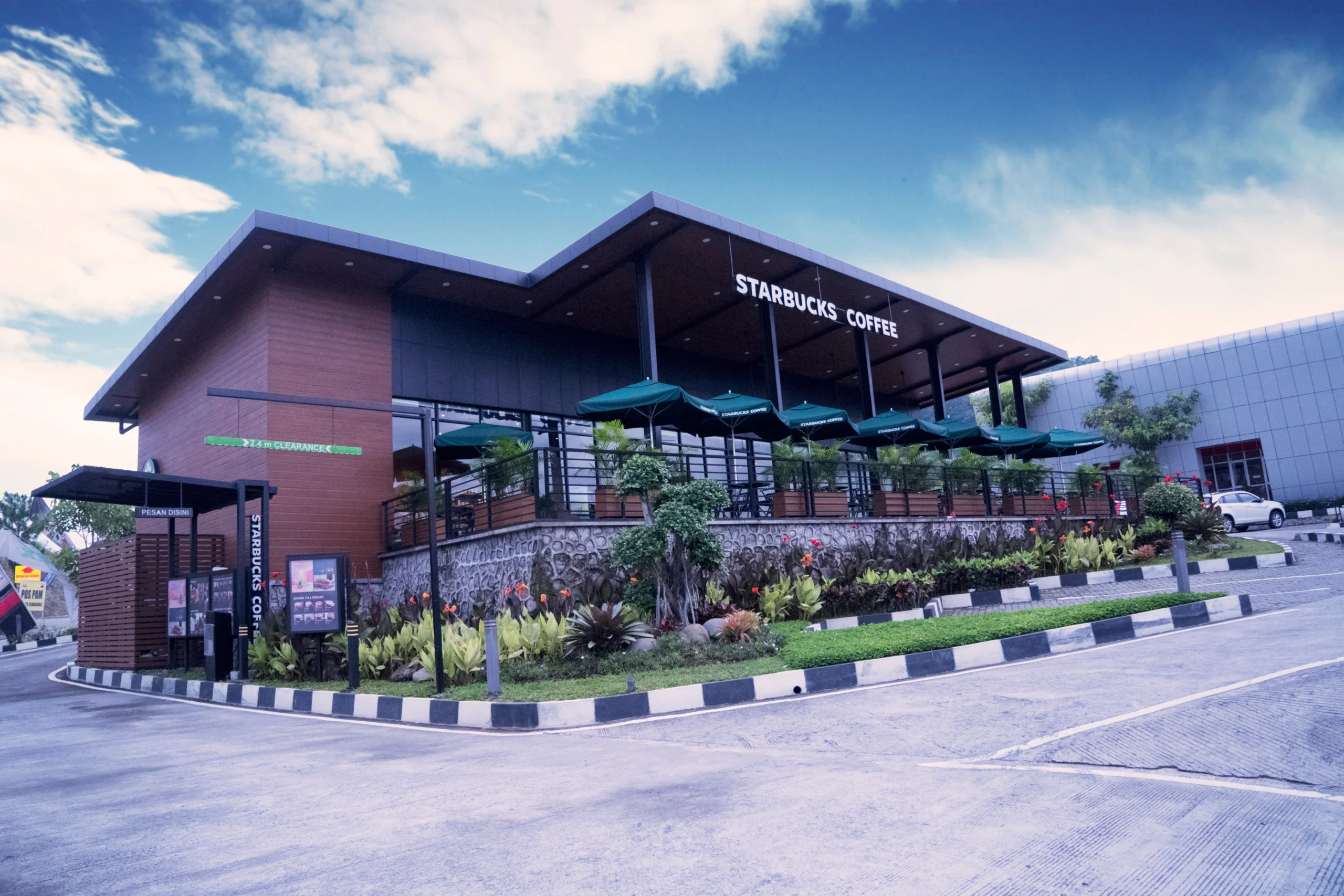
Cup by cup, Starbucks has changed the way people from different continents drink coffee. More remarkably, the company successfully transformed a pedestrian commodity into a high-end accessory. It has created a “Starbucks lifestyle” that more people continue to embrace in the United States and abroad.
From tasty beverages to proprietary whole bean coffee blends to strategic relationships, small businesses have so much to learn from Starbucks. You may not have the resources that Starbucks has in its arsenal, but there are a number of things you can emulate from this company and apply to your own business, albeit on a significantly smaller scale.
More than the taste of its coffee, there are a number of factors that propelled Starbucks’ latte to the forefront. Below are some of the things that you can learn from Starbucks — a company that started small, dreamed big and grew to be a gigantic global corporation:
1. Start with a good business concept.
Starbucks is a tremendous success because it capitalized on a concept that hadn’t existed before — the coffeehouse as a gathering place. It is not just a place to get a cup of gourmet coffee, but it has become a center for socializing and intellectual discussion, particularly among students and young urban professionals. Starbucks created a unique offering that was relevant and differentiated. It turned an ordinary and humble product into an extraordinary experience that customers are willing to embrace.
2. Think big.
Starbucks opened its first store in Seattle’s Pike Place Market in 1971. The company started small, but even early on it always had big ambitions. The company was made public in 1982, almost a decade after it started. From its humble beginnings, the company currently holds about 40 percent of the specialty coffee market, and the anticipated growth in this category will offer the company considerable opportunities for further growth and expansion in the future. In fact, it can be said that Starbucks is just at its early stages to colonize the globe.
Starbucks used the slow-but-sure approach to business growth. It was certainly not an overnight success. But through perseverance, patience, management and financial smarts, the company became a formidable global presence. If Starbucks did it, then surely other small businesses can replicate its success (who knows, it may be yours).

3. Think outside the box.
Starbucks’s strength lies in its ability to spot opportunities, even if that means debunking accepted retail trends. This ability to think outside the box is a common trait that has propelled other small businesses to the big leagues.
Starbucks has well demonstrated this behavior in their approach to real estate, which in itself is legendary. Contrary to established tenets of retailing, the company does not choose a location based solely on demographics, traffic patterns, the location of competitors, and even spacing of its own stores. Instead, it clusters its stores in chosen areas, making Starbucks ubiquitous in many city streets. Traditional retailing mindset warns against locating stores nearby as it can cut sales at existing outlets.
Starbucks went against the accepted norm and pursued clustering, using this strategy to increase total revenue and market share. The risk paid off — its practice of blanketing an area with stores helped achieve market dominance quickly. The strategy also made it cheaper to deliver supplies and manage each store. The size of the company has enabled it to absorb any losses that would result from the cannibalizing of store sales when a new one opens up nearby.
4. Partner smart.
Starbucks has demonstrated that even a large company needs help to achieve its goals. In fact, a key reason for Starbucks’ success is its strategic partnership initiatives. In 1993, the company partnered with Barnes and Noble bookstore in the United States to make its coffee available to bookstore customers. Continuing its strategy to gain a foothold in the bookstore segment, Starbucks formed an alliance with Canadian bookstore Chapters Inc. in 1995.
Starbucks entered into a partnership with Pepsi-Cola Company in 1996 to start the business venture called North American Coffee Partnership, which then sold a bottled version of Starbucks Frappuccino blended beverage. During that same year, the company also partnered with Dreyer’s Grand Ice Cream, Inc. and introduced Starbucks’ Ice Cream and Starbucks Ice Cream bars, which quickly became the best selling coffee ice cream in the United States. In 2001, the company entered into a partnership with Hyatt Hotels Corp.
To demonstrate and pursue its social commitment objectives, Starbucks has also partnered with a number of organization such as Conservation International, the international relief and development organization CARE, Earvin “Magic” Johnson’s Johnson Development Co., JumpStart, among others.
Starbucks was able to achieve its objectives, break new markets, and increase its bottomline by entering into strategic alliances with the right companies. For your small business to succeed, you need to realize that you alone cannot fill the gap in serving the needs of your target market.
You will need the help of another entrepreneur or another company who is willing to work with you and share financial risks. It may not be Hyatt Hotel or Pepsi, but your partner may help you enter new markets, and get products and services to market faster. Strategic partnerships will be your way to enhance your competitiveness in the marketplace and keep pace with the rapid changes of technological innovation, just like Starbucks.
5. Create a unique experience.
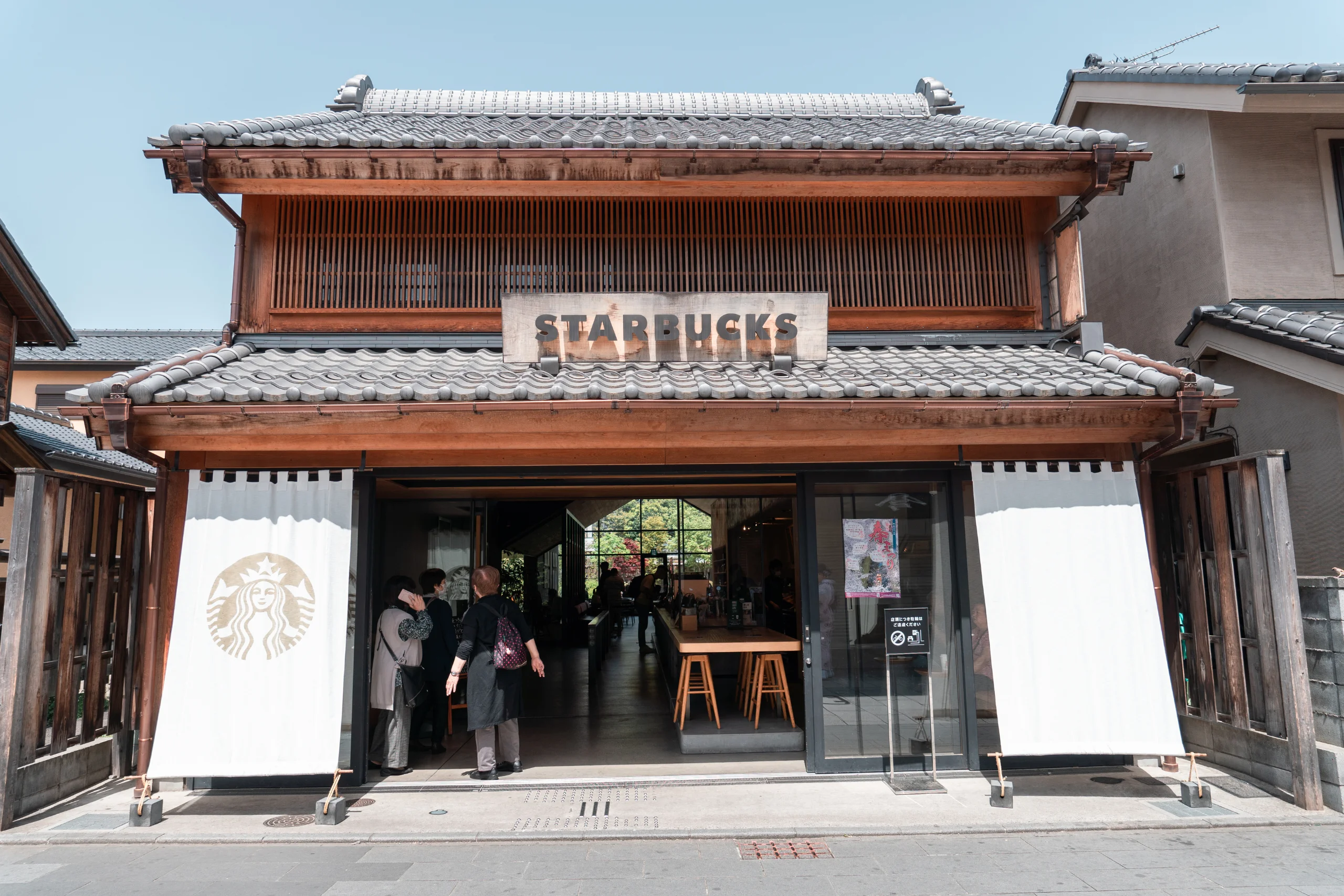
Starbucks has created a retail store experience that is attractive, comfortable, and even entertaining, designed to attract customers and keep them coming back to the stores. In its stores, you will find comfortable chairs, wireless Internet connection, even a selection of music. Starbucks began offering wireless high-speed Internet access in its stores in 2001 to enhance the experience for students, business travelers, and web surfers who take advantage of this service while sipping their favorite coffee.
The product innovations and store ambiance that the company created are all intended to promote an environment that would enhance and complement the customer’s coffee drinking experience. The end result is a pleasurable experience for the customer — a unique Starbucks experience that is consistent from Seattle to Washington D.C.
6. Keep customers happy.
The success of Starbucks is largely due to its steadfast commitment to the customers. The company lives by its mission statement “Develop enthusiastically satisfied customers all of the time.” Every strategy pursued by the company is intended to keep customers satisfied — from the moment a customer walks into one of the retail stores, to placing of an order, to receiving a fresh cup of coffee and finally to the choice of relaxing in the Starbucks store or moving on with the daily routine.
Starbucks strive to make sure that no one has a bad experience in their stores. Hence, many of their strategies — from opening of clusters of stores to drive-through in some areas — are all designed to speed up customer line and avoid the spectacle of impatient customers.
Even the decision to cluster stores stemmed from the realization that people are not willing to stand in a long line to buy a product considered to be a luxury item. Customers will not delay their day or alter their daily routines just to buy a luxury cup o’ joe. To make the process of buying coffee fast, Starbucks felt they needed to be where the customers are, even if it means that the next Starbucks is just around the corner. In the end, Starbucks succeeded in making their deluxe coffee lifestyle as accessible as possible.
7. Dig deep into customers’ wallets.
With coffee as its main product, Starbucks continue to introduce new products in order to get customers to spend more money in their stores. The company knows that customers would want something else with their coffee; hence they introduced hot sandwiches and pastries to go along with the coffee. Later this year, they even plans to introduce CD burners in its stores so customers can sample online music from their HearMusic subsidiary while drinking coffee.
Even the wireless Internet access that Starbucks introduced in many of its stores is a clever but indirect way to get customers to spend more and increase the stores’ revenues. Customers stay longer in the stores, and apparently purchase more coffee, food items and other products. In fact, company officials in interviews state that their most successful stores turn out to be the ones where customers loiter the most. They welcome people staying awhile in their stores, as they then have greater opportunity to market to them their other products.

8. Ability to roll out new initiatives.
Starbucks’ ability to roll out new initiatives and products relatively quickly is a considerable competitive strength for the company. Its disciplined innovation is one of the primary reasons behind the company’s success in generating consistent high level of same store sales. It continues to experiment and introduce new products in the market, while making sure that it maintains the consistent strength of its core product.
Starbucks has a number of new ideas being tried and tested in its stores. The company has new plans for food such as hot sandwiches and breakfasts, as well as new drinks such as coffee liqueurs, even a pumpkin spice lattes for the holidays. In the past years, Starbucks have moved to expand supermarket sales of their whole beans. They’ve introduced prepaid Starbucks cards, priced from $5 to $500, which clerks swipe through a reader to deduct a sale. In 2002, Starbucks introduced the innovative ordering program, wherein customers can pre-order and prepay for beverages and pastries via phone or on the Starbucks Express website.
9. Good management.
Starbucks has a well-seasoned management team that continues to develop winning strategies for the company. One of its best decisions thus far is its strategy of foregoing franchisees and making sure that its stores are company-owned. This strategy allowed the company to maintain a tight grip on its image and provide a consistent quality of excellent service.
Starbucks’ management is also judicious in its use of resources. It fuels expansion with internal cash flow. Unlike other companies of its size that spend upwards of $300 million per year in marketing, Starbucks only spend 1 percent of its revenues, or roughly about $30 million in marketing and advertising. Instead, the company relies on word-of-mouth and mystique of its brand to market itself. Marketing expenses are poured on product launches and introduction of new coffee flavors.
The depth of management resources is one of the main differences between Starbucks and small businesses. Starbucks has the money to hire the best minds to work on various facets of its operations, whereas many small businesses have less than 10 employees, if at all. Some small and home-based businesses are even run by a single person expected to do everything for the business.
However, it should be noted that it took Starbucks several years before it had the resources to hire the team that propelled it to success. It current chairman, and the chief architect of the many winning strategies of Starbucks, was hired only in 1982, almost a decade after Starbucks started.
10. Diversified revenue stream.
Starbucks understands that good business does not mean putting all eggs in one basket. Hence, it strives to reduce its reliance of certain product lines in order to keep a healthy financial position and grow its revenues.
According to DataMonitor, Starbucks’ retail sales mix by product type during fiscal 2003 was comprised of approximately 78% beverages, 12% food items, 5% whole beans coffees and 5% coffee making equipment and accessory. It is currently looking at additional opportunities in distribution channels for Starbucks products, whether in food service, grocery, licensed stores or business alliances.

Never seen a better post!