

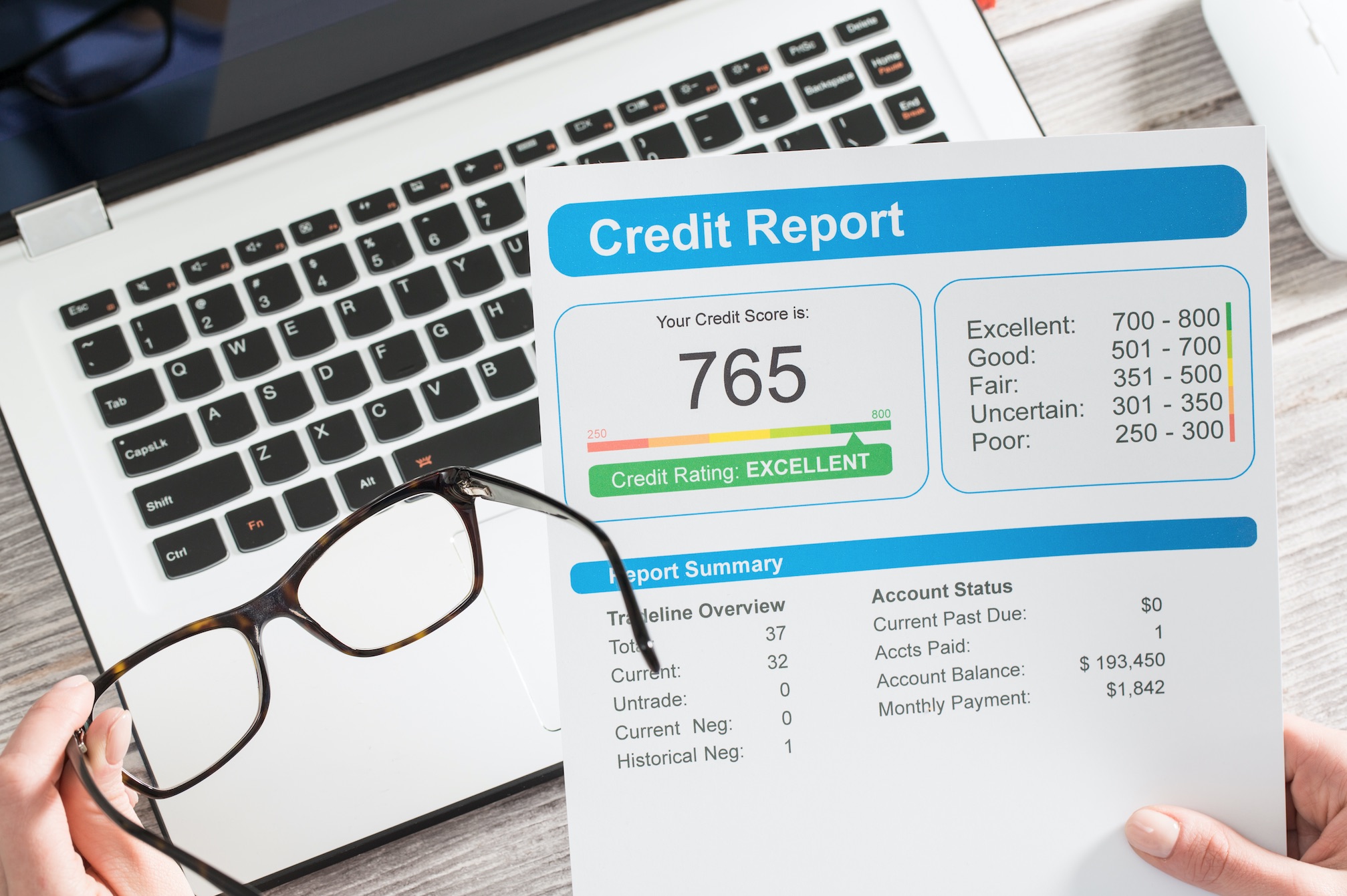
Debt, when not managed with discipline, has the potential not just to hamper your finances but also ruin your credit score. You can check the impact of debt on your credit profile by downloading a free credit report from any credit bureau or financial marketplace. On your report, you can check the number of active credit accounts, payment history, credit utilization ratio, days past due (in case you have delayed payments), and other important information.
Repayment history and credit utilization ratio are the two most important factors that make up your credit score. When you carry high balances on your credit cards and cannot pay off other debts simultaneously, it hurts your credit score and ability to avail of credit in the future.
Regardless of how you ended up in debt, be it a credit card overdue, personal loan, student loan, or home loan, here are a few ways to stay on track with your payments and stay afloat financially.
1. Create a Debt Repayment Plan
If you have multiple debts, including credit cards and different types of loans, you must be thinking about how to begin the repayment. Create a repayment strategy that aligns with your cash flow and budget. Know the amount you can spare every month in addition to minimum payments and other EMIs.
It is advised to start with the debt that charges the highest interest, as it will take a major load off your finances. Even a small extra payment made towards such debts will make an impact. This is because interest is applicable on the overall outstanding dues, and a lower outstanding balance will result in lower interest charges being added to the debt.

2. Consider Debt Consolidation
If you have been revolving the balances on multiple credit cards or taken loans on different credit cards but cannot manage each of these payments, you must consider debt consolidation. Under this, you avail of a new loan, say a personal loan or a top-up on your existing loan, to cover the outstanding balances. You will use this amount to pay off multiple debts and instead pay only one loan EMI. This EMI amount could be substantial; however, it will be quite helpful if managing multiple debts is difficult for you.
To understand if debt consolidation would be the right option for you, calculate the interest you would have to pay on each of your outstanding bills separately. Compare the total interest pay-out with the interest you would be paying on the new loan and decide its feasibility.
Related Read: Seven Ways to Boost Your Credit Score Quickly
3. Reduce Monthly Credit Card Bills
When you are already in deep debt, ringing up new bills on your credit cards will only worsen your financial situation. Try to avoid putting new purchases on your credit cards. Only spend what you can afford to pay back in addition to the already active EMIs. Lowering your monthly spending will save you from incurring more debt and free up more funds to pay off existing debts.
In addition to these, it is important to have some funds for emergencies as well. If you exhaust all your savings and put all cash inflows towards paying off debts, you will be out of options when a financial emergency strikes. Experts advise having at least 3-6 months of expenses in a savings account. However, with deep debts, it may be difficult to manage savings and pay off your dues. So, you should take small steps towards saving money or at least think of an alternate source of income to add to your earnings.
There are many ways to pay off your debts, and you should opt for a strategy that suits your cash flow. As your debt gradually reduces, you should not start splurging again to keep your debts from going out of hand again. Also, you should direct the surplus funds toward your emergency stash or to an investment avenue that will help your money grow.
