This article was originally published on June 29, 2022 and updated on March 14, 2026.
Learn how to start a successful small clothing business from home with this step-by-step guide covering niches, branding, production, e-commerce platforms, marketing strategies, and long-term growth.
Key Takeaways
1. Niche and Audience Alignment is Essential
The most successful home-based clothing brands start with a clearly defined niche and a deep understanding of their target audience. Align your passion with market demand to create products that resonate and stand out in a competitive space.
2. A Solid Business Plan Sets the Foundation
From your pricing strategy to operational workflow, a well-thought-out business plan helps you stay organized, make smarter decisions, and avoid costly mistakes — especially important when working with limited resources at home.
3. E-Commerce and Marketing Are Game-Changers
Platforms like Shopify and tools like Instagram make it easier than ever to build, market, and grow a fashion brand from home. A compelling brand identity, quality visuals, and multi-channel marketing strategy are critical to driving traffic and sales.
4. Growth Comes from Systems, Not Hustle Alone
Scaling a clothing business requires more than working harder. It involves streamlining operations, tracking financial performance, outsourcing where necessary, and using data to guide product development and expansion decisions.

Starting a clothing business from home has become one of the most accessible ways to enter the retail industry. Advances in e-commerce, social media marketing, and small-batch manufacturing have lowered the barriers that once limited fashion entrepreneurship to large brands with significant capital.
The global fashion industry, valued at over $1.7 trillion globally in 2023, continues to evolve with rising demand for niche, independent, and ethically made brands. In the U.S. alone, apparel and accessories e-commerce sales are projected to increase to 219.3 billion U.S. dollars in 2029, according to Statista.
At the same time, small and independent brands are gaining momentum. Home-based fashion brands are riding this wave, thanks to accessible e-commerce platforms, social media marketing, and low-overhead production models like print-on-demand and dropshipping. Consumers increasingly look for unique styles, ethical production, and niche brands that reflect their identity. This shift has created enormous opportunities for entrepreneurs who want to launch clothing businesses from home.
In fact, the U.S. Small Business Administration reports that more than 50 percent of small businesses operate from home, and many of them are product-based ventures such as clothing brands, handmade apparel businesses, and fashion boutiques.
While many entrepreneurs launch clothing brands from home, some eventually expand into full fashion lines sold through boutiques or larger retailers. If your long-term goal is to build a full fashion brand, see our guide on How to Start a Clothing Line Business.
Running a clothing brand from home allows entrepreneurs to keep overhead costs low while focusing on creativity, branding, and building direct relationships with customers. With the right strategy, a small home business can grow into a recognized brand selling nationwide or even globally.
This guide walks through the essential steps of building a profitable clothing business from home. From choosing a niche and developing a business plan to building your online store and scaling your brand, each step helps transform your fashion idea into a sustainable business.
Table of Contents
This comprehensive guide will walk you through each step of launching and growing a profitable home-based clothing business, from finding your niche to scaling your operations. Whether you’re a designer, a fashion enthusiast, or someone simply looking for a flexible business model, this guide is your blueprint for building a brand that lasts.

1. Define Your Niche and Target Audience
Choosing a niche is one of the most important foundational decisions you’ll make when launching a clothing business from home. Without a clear niche, your brand may struggle to differentiate itself in a competitive and oversaturated market. Your niche determines not only the type of products you offer but also how you position your brand, connect with customers, and allocate your marketing resources. It’s about finding the intersection between your passion, your expertise, and what customers are actively searching for.
Start with Your Passion and Skills
Begin by reflecting on what genuinely excites you. Are you obsessed with streetwear culture, or do you spend hours researching sustainable fabrics and ethical production? Do you have sewing or design skills, or are you great at identifying trends and sourcing high-demand pieces? Your personal interests will fuel your creativity, while your skillset will influence what you’re realistically capable of building.
A niche that aligns with your interests makes your business more enjoyable and sustainable in the long run. It will also help you speak with authenticity, which builds trust with your audience. For example, someone who is deeply involved in fitness and activewear trends would naturally be able to create a more credible brand in that space.
Validate Your Idea with Market Research
Passion alone isn’t enough—you need to make sure there’s actual demand. Use tools like Google Trends, Instagram hashtags, Reddit communities, and Pinterest boards to identify what people are talking about, searching for, and buying. Explore platforms like Etsy, Shopify Exchange, or Amazon to study top-selling items and the brands behind them.
Look for underserved or emerging segments. For instance, while general loungewear is a saturated market, there may be rising demand for gender-neutral, minimalist loungewear made from recycled fabrics. Identifying a specific unmet need or trend gives your brand a competitive edge.
You can also explore question-based platforms like Quora or Reddit to see what frustrations or product gaps consumers are expressing. A consistent pattern of complaints about poor sizing in plus-size fashion or lack of modest workout gear, for instance, can point you to a viable niche.
Know Who You’re Selling To
Once you identify a niche, zoom in further on your target audience. Who are they? What do they value? How do they shop? Defining your customer profile will help shape everything from your product design to your website copy and advertising tone.
Create a detailed customer persona that includes:
- Age range
- Gender identity
- Income level
- Location (urban, suburban, or rural)
- Interests and hobbies
- Shopping behavior (impulse vs. considered purchases)
- Values (e.g., sustainability, exclusivity, affordability)
Let’s say you’re planning to sell bohemian-inspired women’s apparel. Your target audience might be millennial women, aged 25 to 35, who are eco-conscious, interested in handmade goods, and shop primarily on Instagram and Etsy. Knowing this, you can focus on organic fabrics, earthy color palettes, storytelling-driven content, and influencer marketing.
Combine Passion, Demand, and Audience Insight
The sweet spot is where your passion intersects with proven demand and a well-defined audience. A niche like “luxury streetwear for tall men” might seem ultra-specific, but that’s often a strength. A clearly defined niche attracts a loyal following and makes your brand more discoverable through search engines, hashtags, and word-of-mouth referrals.
When you’re clear about whom you’re serving, your product development, branding, and marketing all become more focused and effective. You won’t waste time trying to be everything to everyone—you’ll build deep, meaningful relationships with a core group of customers who feel like your brand was made just for them.
Example: Sustainable Fashion for Gen Z
If you’re passionate about sustainability and discover through research that Gen Z consumers value ethical sourcing and low environmental impact, you might build a brand around eco-friendly basics made with organic cotton and biodegradable packaging. This niche speaks to your values, is supported by rising demand, and connects with a growing, values-driven consumer base. Your marketing would then highlight transparency, certifications, and social proof, making it easier to establish trust and loyalty. specific needs, such as weddings or business attire. Others focus on an overall vibe, such as humor.
2. Develop a Comprehensive Business Plan
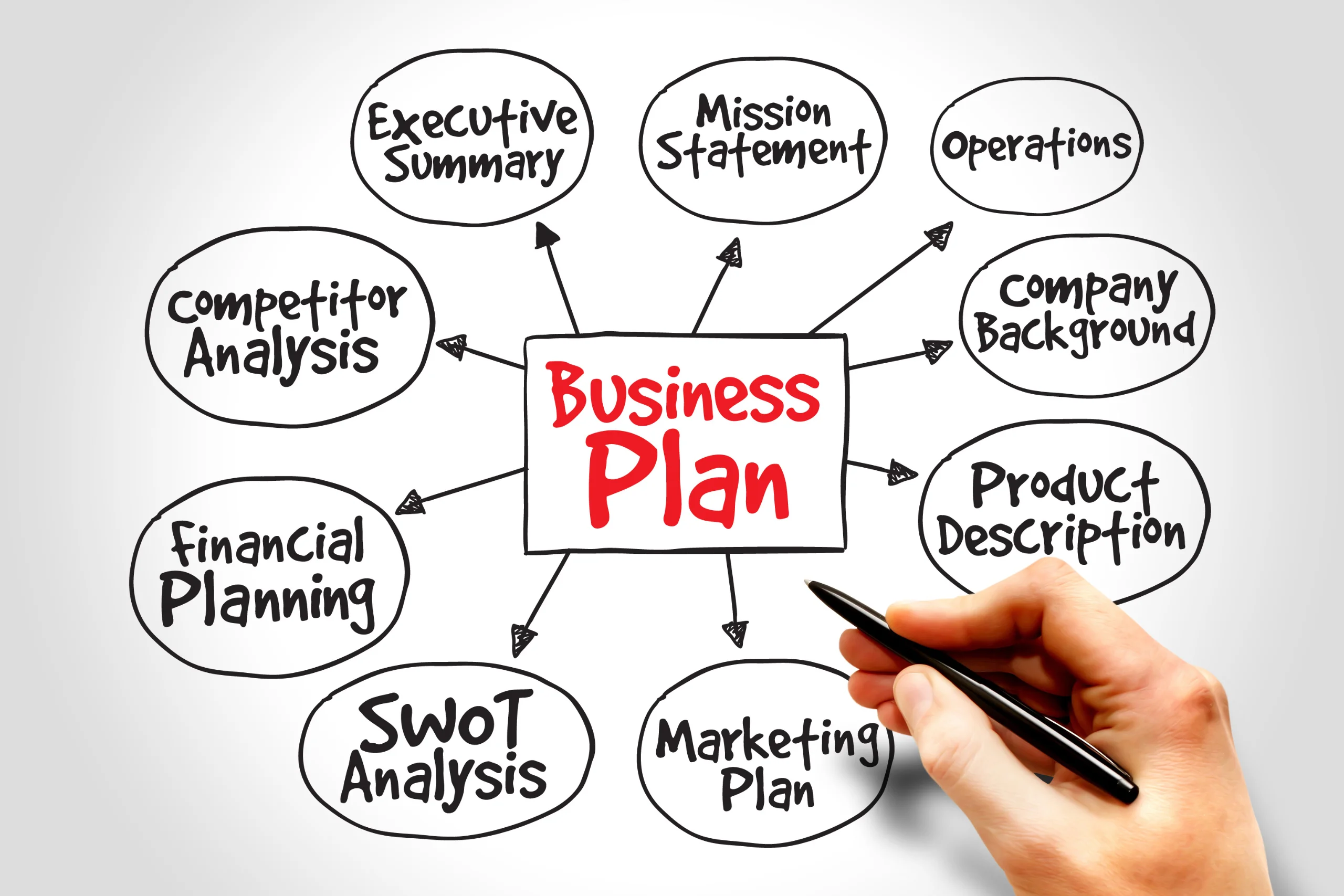
A solid business plan is more than just a document for potential investors — it’s your strategic guide to turning your clothing business idea into a sustainable and profitable operation. Whether you’re starting solo or aiming to grow into a full-fledged fashion brand, a detailed plan helps you stay focused, organized, and prepared for future challenges.
Without a business plan, it’s easy to lose direction, overspend, or overlook key steps in launching and growing your clothing brand. Here’s how to create a business plan that works for your home-based clothing business:andmade clothing can let you express your creativity, but dropshipping may make the most financial sense.
Executive Summary
The executive summary is a snapshot of your entire business plan. Even though it appears first, it’s often written last. This section should briefly summarize who you are, what your brand is about, what niche you’re entering, what problems you’re solving, and how your business will make money.
What to include:
- Business name and location
- Mission statement
- A quick overview of your niche and target market
- A brief summary of your product line
- Your goals and how you’ll achieve them (marketing, production, etc.)
- Initial funding needs (if applicable)
Example:
“GreenThread is an online sustainable fashion brand based in Austin, Texas, offering stylish, eco-friendly casualwear for Gen Z consumers. Our mission is to reduce fast fashion waste by creating trend-forward clothing using recycled materials. In year one, we aim to launch 20 SKUs and reach $50,000 in revenue through direct-to-consumer sales on Shopify.”
Market Analysis
This section proves you understand your industry, competitors, and customers. Investors and lenders look closely at your market research, but even if you’re self-funded, this knowledge is crucial for decision-making.
Key components:
- Industry Overview: Is the fashion industry growing? What’s the outlook for online clothing businesses?
- Target Market: Define your ideal customer (demographics, preferences, spending habits).
- Competitive Analysis: Identify top competitors, their strengths and weaknesses, their pricing, and where gaps exist that your business can fill.
- Trends & Opportunities: What’s happening in fashion now? For example, resale fashion, inclusive sizing, or tech-enhanced fabrics.
Tip: Use tools like IBISWorld, Statista, or even social platforms to gather real-world insights. You can also run informal surveys or polls with your target audience.
Financial Plan
Even if you’re bootstrapping, a financial plan helps you project income, manage cash flow, and understand your break-even point. If you’re seeking funding or applying for a grant, this section is essential.
What to include:
- Startup Costs: Fabric, packaging, website setup, domain name, business licenses, initial marketing budget
- Ongoing Expenses: Raw materials, subscription tools, utilities, shipping, advertising
- Revenue Projections: Estimate your income over the first 12, 24, and 36 months
- Break-even Analysis: How many units or sales do you need to cover your costs?
- Funding Requirements (if any): How much do you need, and how will it be used?
Use spreadsheets or templates from SCORE, Shopify, or HubSpot to build realistic projections.
Appendix (Optional but Helpful)
Add any supporting documents that can give more context to your business plan. These might include:
- Product sketches or mockups
- Mood boards
- Market research findings
- Survey results
- Detailed financial spreadsheets
Why a Business Plan Matters
Your business plan doesn’t need to be a static, formal document—it should evolve with your brand. As your clothing line grows, you can revisit and revise your plan based on what you learn from real customers and real results.
Having a plan also helps you avoid the trap of jumping from trend to trend. Instead of reacting impulsively, you’ll operate with purpose, understanding your goals, audience, and metrics for success.
In short, your business plan isn’t a bureaucratic requirement. It’s a compass, a decision-making tool, and a confidence booster as you build your dream clothing business from home.

3. Choose the Right Business Model
Selecting the appropriate business model is essential to your success and should align with your resources, goals, and lifestyle. Each model comes with its own level of risk, time commitment, and profit margin, so understanding the pros and cons will help you build a strategy that works for your home-based setup.
Common Clothing Business Models:
Print-on-Demand (POD):
In this model, you upload your designs onto blank clothing templates (like t-shirts, hoodies, or leggings), and a third-party supplier prints and ships the product whenever a customer places an order. You don’t hold any inventory, which significantly reduces startup costs and risk.
Dropshipping:
With dropshipping, you market and sell clothing items that a supplier fulfills on your behalf. You never touch the product. This model is similar to POD but usually involves pre-made apparel instead of custom designs.
Handmade Clothing:
If you’re a skilled designer or seamstress, handmade allows you to create each piece yourself. This is ideal for unique, custom pieces and made-to-measure garments.
Private Label or White Label:
You partner with a manufacturer to produce clothing under your brand. You can use their existing designs (white label) or provide your own (private label).
Here are the pros and cons of each business model:
| Business Model | Pros | Cons |
|---|---|---|
| Print-on-Demand (POD) | – Low startup cost – No inventory management – Easy to scale designs | – Lower profit margins – Limited control over product quality and shipping times |
| Dropshipping | – Low risk and upfront cost – Wide variety of products | – High competition – Limited brand differentiation – Dependency on supplier quality |
| Handmade/Custom | – Unique, artisan appeal – Full creative control – Higher perceived value | – Labor-intensive – Time-consuming to scale – Limited volume capacity |
| Private Label | – Strong brand control – Higher margins – Scalable for long-term growth | – Higher startup costs – Requires inventory management – May have minimum order quantities |
| White Label | – Fast market entry – No need for product development | – Little to no product uniqueness – Difficult to build brand loyalty |
When choosing your model, think about how hands-on you want to be, your startup budget, and how quickly you want to grow. Many successful clothing businesses start with POD or handmade models and later scale to private label as they grow.

4. Register Your Business and Handle Legal Requirements
Before you launch your website or sell your first item, you need to make sure your business is legally compliant. Handling the legalities up front can save you time, money, and stress later on.
Steps to Legally Establish Your Clothing Business:
Choose a Business Structure:
Popular options for home-based businesses include:
- Sole Proprietorship: Easiest and cheapest to set up, but you’re personally liable for debts.
- Limited Liability Company (LLC): Offers liability protection and flexibility in taxation.
- Corporation: Best for larger ventures or if you’re seeking investment, but it involves more paperwork.
An LLC is a popular choice for home-based clothing entrepreneurs because it offers protection without too much complexity.
Register Your Business Name:
Choose a unique and memorable name that reflects your brand. You may need to file a “Doing Business As” (DBA) if your brand name differs from your legal name.
Get Necessary Licenses and Permits:
Depending on your location, you may need:
- A general business license
- A home occupation permit
- A resale or seller’s permit (to buy wholesale or charge sales tax)
Check with your local city or county business office or use platforms like Bizee or LegalZoom to simplify the process.
Apply for an EIN (Employer Identification Number):
Even if you’re a one-person operation, an EIN helps you open a business bank account, file taxes, and hire employees if you expand.
Understand Tax Obligations:
Know what taxes you’ll be responsible for — income tax, sales tax, and possibly self-employment tax. It’s smart to speak with a CPA to ensure you’re filing correctly from the start.
5. Design Your Product Line
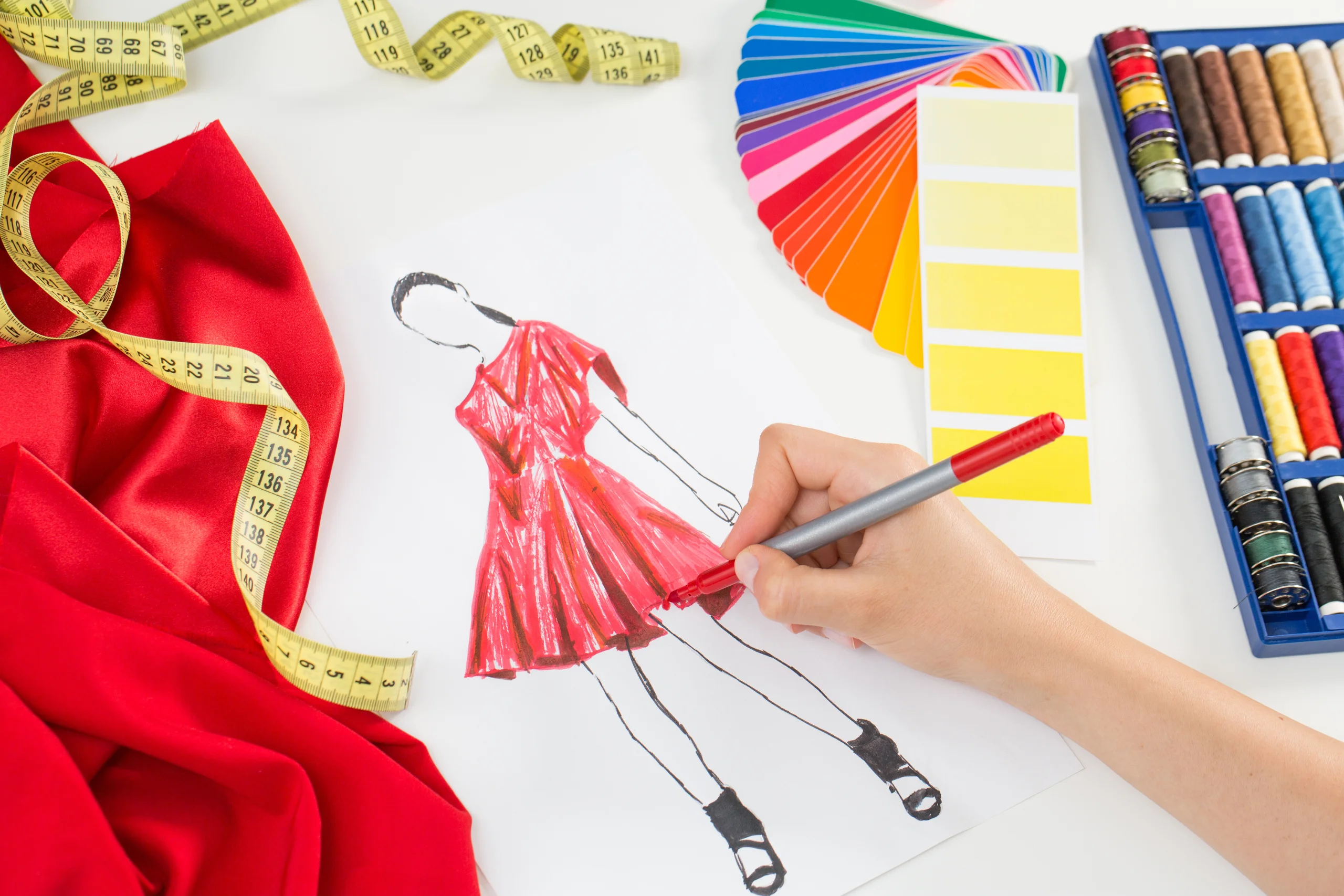
Your product line is the heart of your brand — it’s what customers see, wear, and connect with. Whether you’re starting with five pieces or fifty, intentional design and thoughtful curation are key to standing out.
Key Considerations:
Start with a Core Collection:
Launching with too many styles can dilute your brand and stretch your resources. A focused collection of 5–10 well-designed pieces makes your offerings feel cohesive and polished.
Emphasize Quality:
Even in budget-friendly fashion, quality matters. Use durable fabrics, reinforced stitching, and attention to fit and comfort. Bad reviews from poor quality can hurt your reputation early.
Design for Your Audience:
Think about the lifestyle, values, and style preferences of your target market. Are they minimalists? Trendsetters? Athleisure fans? Design accordingly.
Create Signature Pieces:
Having 1–2 standout pieces that are unique to your brand can help establish recognition and drive repeat business.
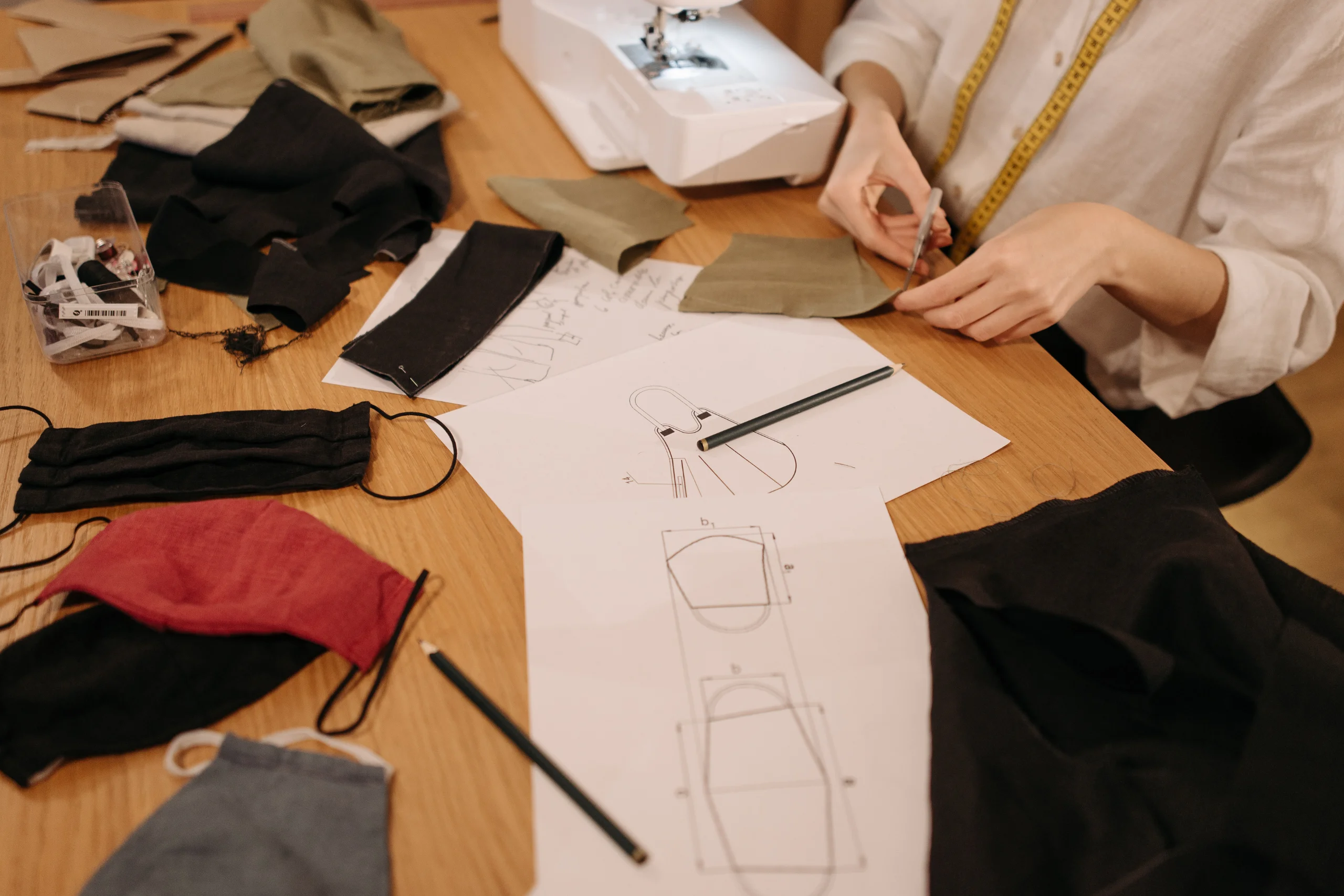
Prototyping and Samples:
Always order samples or create prototypes before mass-producing or launching items online. Wear them, wash them, and test the durability before offering them to customers.
6. Source Materials and Manufacturing Partners
The partners and suppliers you work with will directly impact your product quality, delivery times, and profitability.
For Handmade Businesses:
- Purchase wholesale fabrics from trusted suppliers like Mood Fabrics, Fabric.com, or local textile warehouses.
- Invest in reliable tools and sewing machines.
- Build relationships with local artisans if you outsource certain elements (like embroidery or screen printing).
For POD or Dropshipping:
- Use platforms like Printful, Printify, or Gelato.
- Order samples from each provider to test printing quality and turnaround time.
- Compare base product options, shipping speed, and customer service responsiveness.
For Private Label:
- Use directories like Maker’s Row, Kompass, or Alibaba to find manufacturers.
- Always ask for product samples and conduct a small test order before committing to large quantities.
- Negotiate terms like minimum order quantity (MOQ), turnaround time, and return policies.
Strong supplier relationships and transparent communication help ensure you avoid fulfillment headaches and maintain consistent product quality.
As your clothing business grows, you may transition from small-batch production to larger manufacturing runs. Our guide on How to Manufacture, Produce, and Sell Your Clothing Line explains how to work with factories, manage production, and scale your clothing brand.
7. Build Your Brand Identity
Your brand is much more than your logo or color palette — it’s how customers feel when they encounter your business. A compelling, consistent brand builds recognition and trust, turning first-time buyers into loyal fans.
Branding Essentials:
Brand Name:
Choose a name that’s relevant, easy to pronounce, and memorable. Run it through domain name checks and social handles to ensure it’s available.
Logo and Visual Identity:
Hire a designer or use tools like Canva Pro or Looka to create a professional logo. Stick to a limited, consistent color palette and typeface across your site, packaging, and social media.
Voice and Messaging:
Decide how your brand speaks — is it casual and playful or sleek and refined? Use the same tone across product descriptions, social posts, emails, and ads.
Brand Story:
Tell people why you started. Share your mission, inspiration, and what makes your clothing different. Today’s shoppers value authenticity and purpose as much as the product.
Packaging and Unboxing Experience:
Your packaging is part of your branding. Use eco-friendly mailers, branded tags, and personalized thank-you cards to enhance the customer experience.

8. Set Up Your Online Store
With your branding and products in place, your online store becomes your primary storefront. It should be easy to navigate, visually appealing, and built to convert visitors into customers.
E-commerce Platform Options:
- Shopify: Popular for its ease of use, mobile responsiveness, and excellent app ecosystem.
- Wix or Squarespace: Good for visually-driven brands with smaller product catalogs.
- WooCommerce (for WordPress users): Offers great flexibility and control.
Website Essentials:
- Homepage: Highlight bestsellers or new arrivals and introduce your brand story.
- Product Pages: Include multiple high-quality images, clear descriptions, sizing charts, and price transparency.
- About Page: Tell your story, share your mission, and connect with your audience.
- Checkout Page: Keep it simple and secure with multiple payment options.
- Mobile Optimization: More than 70% of online shopping is done on phones. Your site must look great and function well on all devices.
Invest in high-quality product photography and copywriting. These two elements influence conversions more than any other part of your site.

9. Develop a Marketing Strategy
Once your store is live, it’s time to attract visitors and convert them into paying customers. A well-rounded marketing strategy includes both organic and paid efforts.
Organic Tactics:
- Social Media: Focus on platforms where your audience spends time. Instagram and TikTok are highly visual and great for fashion brands.
- Content Marketing: Blog about fashion trends, styling tips, or sustainable fashion to attract search traffic.
- Email Marketing: Build a list early. Offer a discount for signing up, then send regular updates with promotions, product drops, or behind-the-scenes content.
- Influencer Marketing: Partner with micro-influencers in your niche to reach targeted communities.
Paid Tactics:
- Facebook and Instagram Ads: Excellent for targeting specific demographics.
- Google Shopping Ads: Good for product-based keywords.
- Retargeting Ads: Remind site visitors to come back and complete their purchase.
Track your marketing efforts using analytics tools like Google Analytics, Meta Ads Manager, and Shopify dashboards. Always test, learn, and iterate.
10. Manage Operations and Provide Stellar Customer Service
Behind every successful clothing brand is a smooth operation and strong customer service that builds loyalty.
Operations:
- Use an inventory management system like Zoho or Cin7 to keep track of stock levels.
- Automate order confirmations, shipping notifications, and customer follow-ups using your e-commerce platform or tools like Klaviyo.
- Batch tasks like printing labels or packing orders to save time.
Customer Service:
- Set clear expectations for shipping and returns.
- Respond promptly to inquiries via email, Instagram, or your contact form.
- Use customer feedback to improve your products and experience.
The more organized your backend, the more time you can spend growing your brand.
11. Monitor Financial Performance
Tracking your financial performance isn’t just about staying in the black — it’s about making informed decisions that drive long-term success. Whether you’re running a lean operation from your kitchen table or growing into a full-time brand, solid financial management ensures sustainability and scalability.
Budgeting and Cash Flow
Start by outlining all your income and expenses. This should include both fixed and variable costs:
- Fixed Costs: Website hosting, domain registration, monthly app subscriptions (e.g., Shopify, Canva, email tools)
- Variable Costs: Fabric, packaging, shipping fees, ad spend
Build a monthly budget and update it regularly. This helps you avoid overspending and ensures you’re setting aside enough for taxes, reinvestment, and emergencies.
Use tools like QuickBooks, Wave, or a simple spreadsheet to log your earnings and expenses. Most e-commerce platforms also offer built-in reporting dashboards.
Pricing for Profit
Your pricing strategy should cover costs and deliver healthy profit margins — not just match competitors.
Use this formula as a starting point:
Cost of Goods Sold (COGS) + Expenses + Profit Margin = Final Price
Also consider perceived value, market positioning, and target customer psychology. Higher prices can work if you emphasize craftsmanship, exclusivity, or ethical sourcing.
Don’t forget to factor in:
- Shipping and fulfillment costs
- Transaction fees (e.g., Stripe, PayPal, Shopify Payments)
- Returns and refunds
Track Key Metrics
Regularly monitor the following metrics to assess your financial health:
- Gross Profit Margin
- Net Profit Margin
- Average Order Value (AOV)
- Customer Acquisition Cost (CAC)
- Customer Lifetime Value (CLV)
- Return Rate
Compare these metrics month-over-month to spot trends and evaluate the ROI of marketing campaigns and product lines.
Prepare for Taxes
Even if you’re a sole proprietor, you must pay self-employment taxes and potentially collect and remit sales tax depending on your location and customer base.
Use accounting software to keep organized, and set aside 25%–30% of your profits for taxes. Hiring a CPA familiar with e-commerce and product-based businesses can save you headaches and money down the road.

12. Plan for Growth and Expansion
Once your clothing business is running smoothly and generating consistent sales, it’s time to think about scaling. Planning for growth means expanding intentionally, not just reacting to demand, but shaping it with smart strategies.
Growth opportunities may include:
- Expanding your product line
- Selling through additional marketplaces such as Etsy or Amazon
- Partnering with retail boutiques
- Launching seasonal collections
Collaborations with artists or influencers can also introduce your brand to new audiences.
Add New Product Lines
Start by expanding within your current niche. For example, if you began with women’s basics, you might introduce seasonal variations or accessories. Use customer feedback and sales data to inform what products to add next.
Offer complementary items to increase Average Order Value, such as:
- Matching sets
- Limited-edition drops
- Gift bundles or kits
Test new products in small batches before fully launching to minimize risk.
Explore New Sales Channels
Don’t rely solely on your online store. There are multiple ways to diversify your revenue streams:
- Sell on Marketplaces: Expand to Etsy, Amazon Handmade, or Depop to reach new customers.
- Wholesale: Partner with local boutiques or online retailers that align with your brand.
- Pop-Up Shops: Attend local markets or events to build in-person brand awareness and boost sales.
- Collaborations: Co-brand limited editions with artists, influencers, or other brands.
Each new channel should align with your core values and customer expectations to maintain brand consistency.
Streamline and Outsource
As you grow, you’ll find that your time is better spent on strategic tasks rather than packing orders or answering every email.
Outsource tasks like:
- Fulfillment (with a 3PL or fulfillment partner)
- Customer service (using tools or virtual assistants)
- Marketing (work with freelancers or agencies for ads or email)
Document your processes using SOPs (Standard Operating Procedures) so others can replicate your workflow efficiently.
Long-Term Vision
Think about your 3-year and 5-year goals. Do you want to open a physical store? Expand internationally? License your brand?
Document your vision, even if it feels far off. Having long-term goals gives you direction and helps with investment decisions, team building, and brand development.
Conclusion
Launching a home-based clothing business is a blend of creativity, strategy, and perseverance. With the right foundation — a clear niche, strong branding, quality products, and a thoughtful marketing plan — you can build a fashion brand that resonates with customers and scales over time.
Stay curious. Stay consistent. And above all, stay connected to the vision that inspired you to start in the first place.
Many successful clothing brands begin as small home-based businesses before expanding into larger fashion lines with full manufacturing and retail distribution. Understanding both models can help you grow strategically as your brand evolves.

Frequently Asked Questions
How much does it cost to start a clothing business from home?
Startup costs vary depending on the business model. Print-on-demand businesses can start with a few hundred dollars, while private label clothing brands may require several thousand dollars for inventory and manufacturing. Many entrepreneurs begin small and reinvest profits as their brand grows.
Do I need fashion design experience to start a clothing business?
Not necessarily. Many successful clothing brands are built by entrepreneurs who collaborate with designers or use print-on-demand platforms. Strong branding, marketing skills, and understanding your audience can be just as important as technical design experience.
How can I make my clothing brand stand out?
Focusing on a niche market and building a strong brand identity can help differentiate your clothing business. Unique designs, ethical production, and storytelling that connects with customers often play a major role in brand success.
Is it profitable to run a clothing business from home?
A clothing business can be profitable when managed effectively. Profitability depends on factors such as product pricing, marketing effectiveness, brand positioning, and operational efficiency. Many successful fashion brands began as small home businesses before expanding.
What is the best platform to sell clothing online?
Platforms such as Shopify, Etsy, and WooCommerce are popular for clothing entrepreneurs. Shopify is often preferred because of its user-friendly interface, marketing integrations, and scalability.