
Key Takeaways
- Financial intelligence isn’t tied to age or background—it’s built through habits.
- Budgeting, saving, and credit literacy form the foundation for smarter business decisions.
- Comparison and long-term thinking can prevent wasteful spending and support growth.
- Leverage tools, stay curious, and don’t be afraid to ask questions.
- You don’t need to know everything—just keep learning steadily and applying it.

Starting a business is an exciting leap—but let’s be honest, managing your money can feel like you’re learning a new language while walking a tightrope. As a new entrepreneur, your ability to make smart, confident financial decisions could be the difference between thriving and merely surviving. The good news? You don’t need a finance degree or a trust fund to build financial intelligence. You just need curiosity, consistency, and the willingness to learn from every dollar you spend, save, or invest.
Whether you’re 22 or 62, here are 10 ways to grow your financial intelligence—one smart move at a time.
Table of Contents

1. Master Budgeting from Day One
If there’s one financial habit every new entrepreneur should adopt immediately, it’s budgeting. Not next month. Not when your revenue “stabilizes.” Day one.
Why? Because budgeting isn’t just about tracking expenses—it’s about taking control of your business, your decisions, and your future.
When you’re building a business, especially in the early stages, money often feels tight, unpredictable, or like it disappears faster than it comes in. That’s where a clear budget becomes your best friend. It helps you see exactly where your money is going, so you can plug leaks, make smarter investments, and stay focused on what really matters.
Start simple. You don’t need fancy spreadsheets or financial software at first. You can use a notebook, a Google Sheet, or beginner-friendly apps like YNAB (You Need a Budget), Mint, or EveryDollar. Just make sure you’re tracking:
- Every dollar that comes in – client payments, side hustles, tips, odd jobs, grants, or crowdfunding.
- Every dollar that goes out – rent, web hosting, tools, business meals, supplies, software subscriptions, gas, and even the occasional “treat yourself” coffee.
Don’t underestimate the small stuff. A few overlooked charges here and there can snowball into a budget-breaking problem. Think of budgeting like a map—it shows you where you’re starting, where you want to go, and what paths are most efficient to get there.
More importantly, budgeting helps you:
- Prepare for irregular income cycles (hello, slow seasons)
- Avoid overspending during high-revenue months
- Make strategic decisions about where to cut or invest
- Set aside funds for taxes, emergencies, and business growth
Tip: Add a category for “surprise expenses” or “cushion money.” Life (and business) will throw you curveballs, and building flexibility into your budget helps prevent panic.
As your business grows, your budget should grow with you. You’ll start to include forecasts, compare actual vs. projected numbers, and even plan for future quarters or years. But the foundation remains the same: know your numbers. You can’t manage what you don’t measure.
Pro Tip: Schedule a weekly or biweekly “Budget Review” meeting with yourself. Look at what you spent, what you earned, and how you’re trending against your goals. You’ll be amazed how much clarity (and confidence) you gain from just 15 minutes of focused review.
2. Embrace the Power of Saving—Even in Small Amounts
When you’re launching a business, saving money can feel nearly impossible. Every dollar is already earmarked for something—inventory, marketing, software, rent. But here’s the truth that every financially savvy entrepreneur eventually learns: saving isn’t a luxury—it’s a lifeline. Even small, regular contributions can make a big difference over time, especially when your income fluctuates or an unexpected expense comes knocking.
You don’t need to wait until you’re “making real money” to start saving. Start with $10 or $20 a week, or a small percentage of each invoice you collect. The amount isn’t nearly as important as the habit. By getting into the routine of putting something aside—no matter how modest—you’re training yourself to think long-term, to plan, and to protect your business from financial surprises.
Here are the main categories of savings every entrepreneur should consider:
- Emergency Fund: Business is unpredictable. A slow season, client cancellation, or equipment failure can wreak havoc on your cash flow. An emergency fund gives you breathing room so you’re not forced to take on debt or make desperate decisions.
- Tax Obligations: Taxes are not optional, and they always feel like they come too soon. Set aside a percentage (usually 25–30%) of every payment you receive into a separate tax savings account. This simple act alone can save you from enormous stress and penalties.
- Business Expansion: Want to upgrade your equipment? Hire help? Move to a bigger space? Expansion requires cash. Saving for growth allows you to move forward on your own terms—without waiting for a loan or investor approval.
- Retirement (Yes, Even Now!): It might seem far off, but the earlier you start, the more compound interest works in your favor. Entrepreneurs don’t have employer-sponsored 401(k)s, so open a SEP IRA or Solo 401(k) and start contributing—even a little—now.
Automation is your best friend. Set up auto-transfers from your checking to a high-yield savings account the moment money hits your account. If it’s out of sight, it’s less tempting to spend—and it grows quietly in the background.
Remember: Savings isn’t about how much you make—it’s about how much you keep. It builds financial resilience, gives you options, and most importantly, gives you peace of mind—the kind of peace that lets you say “yes” to big opportunities and “no” to desperation deals.
Pro Tip: Name your savings accounts based on their purpose. Instead of “Savings,” label them “Emergency Fund,” “Taxes,” “New Website,” or “Retirement.” Giving each dollar a job makes saving feel purposeful, not restrictive.

3. Understand Credit Before You Need It
Credit is one of the most misunderstood yet powerful tools in your entrepreneurial toolkit. Many new business owners ignore it—until they’re denied a business loan, can’t qualify for a lease, or get hit with high interest rates. The truth is, your credit profile can affect everything from your funding options to your business’s reputation, and you need to understand how it works before you actually need it.
Credit isn’t just for personal purchases like cars or mortgages. As a small business owner, your creditworthiness can influence:
- Whether you get approved for a business line of credit
- How much interest you’ll pay on a business loan
- Your ability to lease office space or equipment
- Whether certain vendors will extend net payment terms
- If a potential partner or client sees you as financially reliable
To get ahead, start learning the core components of your credit score:
- Utilization rate – How much of your available credit you’re using. Keeping this under 30% is ideal.
- Payment history – Are you paying on time? Even one late payment can hurt your score.
- Length of credit history – Older accounts help your score, so don’t close your first credit card.
- Types of accounts – A healthy mix (credit cards, loans, etc.) shows you can handle various forms of debt.
- New inquiries – Opening too many accounts at once can temporarily drop your score.
If you’ve opened a business credit card, use it wisely:
- Only charge what you can pay off in full each month.
- Monitor your statements for errors or suspicious activity.
- Don’t max out the card—even if you can pay it off—since it spikes your utilization rate.
Make it a habit to check your credit reports at least once a year through AnnualCreditReport.com, the only federally authorized source for free reports from the three major bureaus: Experian, Equifax, and TransUnion.
Most importantly, don’t wait for a crisis to understand your credit. The time to build and maintain strong credit is when you don’t need it. That way, when an opportunity arises—a new investment, a big client, a need for fast capital—you’re in a position to say yes without hesitation.
Pro Tip: Consider opening a business credit card early—even if you’re not spending much—just to begin establishing business credit history. Make small purchases, pay them off monthly, and build your score as you grow. Think of it as laying financial groundwork for future success.
4. Compare Before You Commit
When you’re just starting out, every dollar matters—and that means every purchase deserves a second look. From choosing the right web hosting service to investing in software, equipment, or even hiring contractors, it’s tempting to go with the first option that looks good or has a well-known name. But here’s the reality: impulse decisions in business often lead to overspending, wasted time, or buyer’s remorse.
Comparison shopping isn’t just a smart consumer habit—it’s a critical business skill. It teaches you to slow down, evaluate objectively, and consider not just cost, but value. This applies to everything from recurring software subscriptions to printing services to bookkeeping platforms.
Here’s what to look at before committing:
- Pricing Structures – Is it a flat fee or usage-based? Is there a free tier or trial period? Are you paying monthly, annually, or hidden upgrade costs down the line?
- Subscription Renewals – Introductory offers often double after the first year. Always check what the pricing will be after the initial term.
- Value vs. Features – Don’t just buy the plan with the most bells and whistles. Ask: Do I actually need these features right now? You can always upgrade later.
- Customer Support Ratings – A cheaper service isn’t a bargain if their support takes a week to respond. Read real customer reviews (not just testimonials) to understand what you’re getting into.
- Terms and Cancellation Policies – Can you cancel easily? Will you get a refund? Is there a long-term commitment?
Learning to analyze offers critically can save you hundreds—if not thousands—over time. It also helps you avoid “shiny object syndrome,” where you get pulled toward the flashiest solution instead of the most practical one.
And don’t assume that the most expensive option is the best, or that the cheapest is the worst. The best choice is the one that gives you the most return on your investment, based on your business goals and current needs.
Pro Tip: When making a major purchase or signing up for a recurring service, create a quick comparison table. List your top 2–3 options, their pros and cons, pricing, and what real users are saying. It takes 15 minutes—but can save you months of regret.

5. Speak the Language of Finance
When you first start a business, financial terms can feel like a foreign language. Words like gross margin, EBITDA, liabilities, or compound interest can sound complex, and it’s tempting to skip over them or hope someone else is keeping track. But here’s the truth: your ability to understand and use financial language directly affects your ability to make smart decisions, attract investors, manage cash flow, and grow your business with confidence.
You don’t have to become a Certified Public Accountant or financial analyst—but you do need to become financially fluent enough to ask the right questions, understand what your accountant is saying, and know whether your business is healthy or heading toward a cliff.
Start with the basics:
- Create a financial vocabulary list. Every time you come across a term you don’t know—depreciation, net profit, return on investment—jot it down.
- Dedicate 10 minutes a day to learning. Bookmark sites like Investopedia, NerdWallet, or The Balance. Short articles, glossary pages, or YouTube explainer videos can demystify even the most intimidating terms.
- Practice reading basic financial statements. Try looking at real-world examples of income statements, balance sheets, and cash flow reports. Even if you don’t grasp every number right away, you’ll begin to recognize patterns and structure.
Once you understand the language of finance, you unlock the ability to:
- Spot problems early (like negative cash flow or poor profit margins)
- Understand the impact of strategic decisions
- Communicate with bankers, partners, and advisors more effectively
- Make informed choices about loans, investments, and pricing
This isn’t about memorizing definitions—it’s about grasping what each term means for your business and using that understanding to navigate more confidently. Think of it as building financial muscle memory.
Pro Tip: Use flashcards (digital or paper) to test yourself on financial terms you want to master. Better yet, try to explain them in simple language—as if you were teaching a friend. That’s when you’ll know you really get it.
Ask ChatGPT
6. Review Accounts Like It’s Your Morning Coffee
One of the simplest yet most powerful habits you can build as a new entrepreneur is regularly reviewing your accounts. Think of it like brushing your teeth or drinking your morning coffee—it’s not optional, it’s essential maintenance. The more consistently you do it, the more in control you’ll feel of your business’s financial health.
Too many entrepreneurs only check their accounts when something goes wrong—like a bounced payment or a surprise overdraft fee. But by building a weekly or even daily money check-in ritual, you can stay ahead of problems instead of reacting to them.
Make it a low-pressure routine. You don’t need spreadsheets and calculators every time. Just sit down—maybe with your morning coffee or tea—and take 10 to 15 minutes to skim through:
- Current account balances – Know how much cash you actually have available (not just what you think you have).
- Upcoming payments – Review scheduled subscriptions, payroll, rent, or vendor invoices that are about to hit.
- Open invoices and receivables – Are any clients late in paying you? It’s easier to follow up early than chase them down later.
- Suspicious or unexpected charges – Sometimes small errors or even fraud go unnoticed for weeks. Catch them early.
Regular reviews help you spot trends, like unnecessary tools eating into your budget (hello, second Canva subscription), or revenue patterns that signal growth—or concern. They also help you stay mentally connected to your money, which is key when juggling multiple priorities.
This habit does more than protect your finances—it builds your confidence. Money becomes less mysterious and more manageable. And when tax season comes around, you won’t be scrambling to remember what happened three months ago—you’ll already know.
Pro Tip: Schedule a recurring calendar event titled “Money Check-In” every Friday or Monday. Pair it with something enjoyable (coffee, music, your favorite hoodie) to turn it into a moment you actually look forward to. It’s self-care for your business.
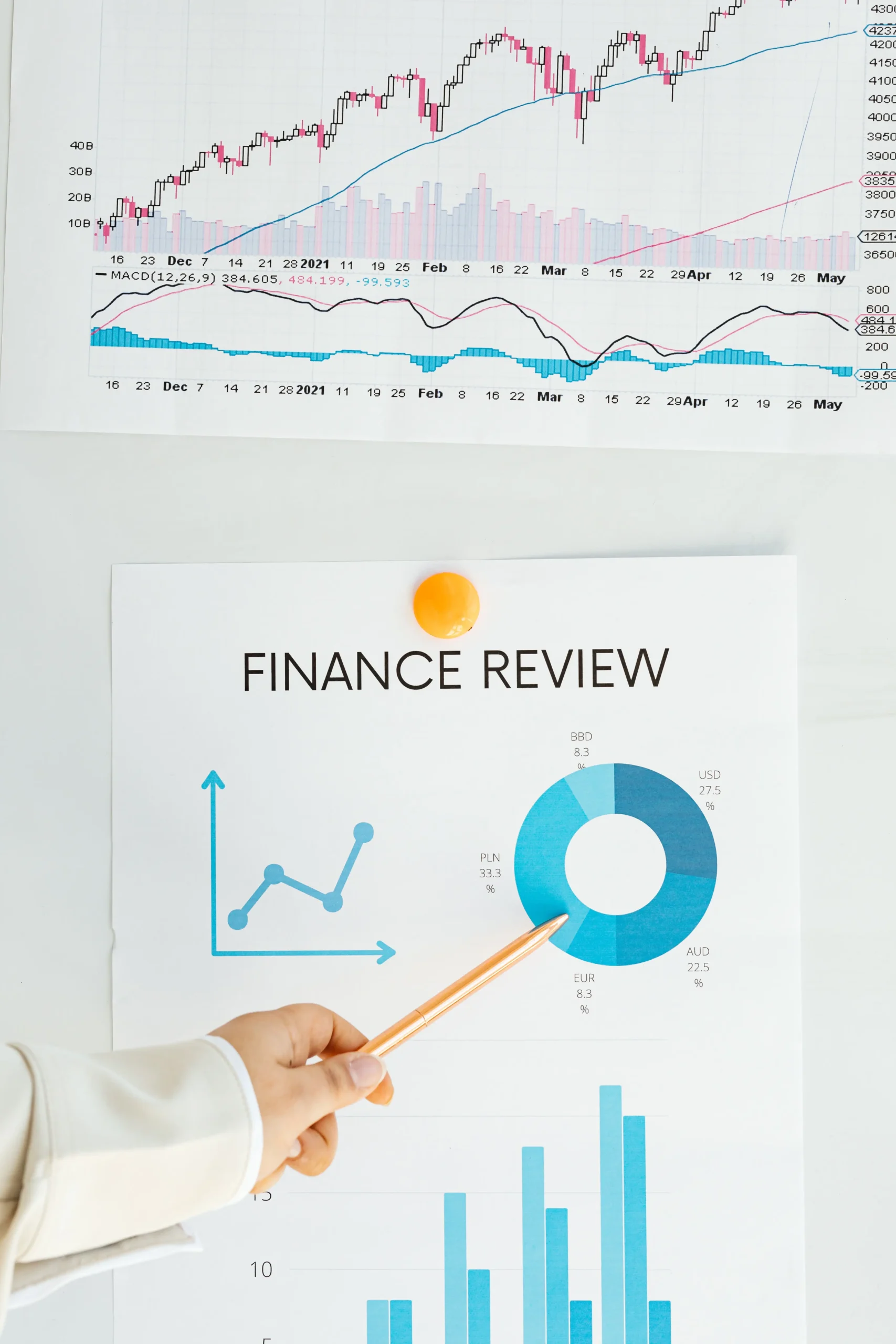
7. Use Tools to Make Smarter Moves
As a new entrepreneur, you’re juggling a hundred things—from marketing and sales to managing expenses and keeping your books in order. It’s easy to feel overwhelmed, especially when you’re trying to understand the financial side of your business without formal training. But here’s the good news: you don’t have to do it all manually or figure it out alone.
There’s an entire world of tools, apps, and platforms built specifically to help people like you make smarter, more informed decisions—without needing a background in finance. These tools can simplify the complex, automate the tedious, and give you clear visibility into your business health. The key is finding ones that match your current needs and learning style.
Some of the most valuable types of tools include:
- Accounting software like QuickBooks, Wave, or FreshBooks, which automate invoicing, expense tracking, and tax prep.
- Budgeting apps like YNAB (You Need a Budget) or PocketGuard, which help you manage your personal and business cash flow in real time.
- Educational platforms like Maven Trading or Investopedia, which provide step-by-step lessons and real-world explanations of financial terms, market behavior, and investment strategy.
- Business dashboards such as LivePlan or Fathom, which turn raw numbers into easy-to-digest charts and key performance indicators (KPIs).
When choosing a tool, prioritize features that help you understand—not just store—your financial data:
- Visual breakdowns like graphs, pie charts, and spending categories make it easier to identify patterns and problem areas.
- User-friendly dashboards show you what’s happening in your business at a glance, without needing to click through a dozen tabs.
- Tutorials, templates, and help centers give you confidence as you learn and use new features.
- Mobile access allows you to check your finances on the go, so you can make decisions wherever you are.
Start small. Try one tool at a time—most offer free trials—and see how it fits into your workflow. Over time, using the right tools becomes second nature and gives you back time to focus on growth, creativity, and strategy.
Pro Tip: Don’t just use tools to track what’s already happened—use them to forecast and plan ahead. Set financial goals and monitor your progress monthly. It’s not just about tracking money—it’s about controlling your narrative.
8. See the Ripple Effect of Every Decision
When you’re running a new business, it’s natural to focus on the immediate—closing the next sale, covering this month’s expenses, or simply keeping your head above water. But financial intelligence means learning to zoom out and consider how today’s decisions shape tomorrow’s reality. Every financial choice—big or small—sends a ripple through your future.
For example, taking on a low-paying client might feel like a win today. But what if their work fills your schedule and keeps you from accepting a higher-value project next month? Or let’s say you delay paying quarterly taxes to free up some cash. That might ease a short-term pinch, but it could trigger penalties, interest, or even IRS scrutiny later.
Smart entrepreneurs learn to balance present needs with long-term outcomes. They ask questions like:
- What will this decision look like three months from now?
- Will this move strengthen or weaken my future finances?
- Is this short-term gain worth the potential long-term cost?
This forward-thinking mindset helps you avoid “firefighting mode,” where you’re always reacting to crises instead of building strategically. It doesn’t mean you can’t take risks—it means you take calculated risks, understanding the potential upsides and downsides.
Even small actions matter:
- Buying equipment you don’t truly need? That’s less cash for future marketing.
- Skipping an invoice follow-up? That’s delayed cash flow affecting next month’s payroll.
- Underpricing your services to land a client? That sets expectations you’ll struggle to change.
Every choice you make—especially in the early stages—builds the foundation of your business. So before you hit “confirm,” spend a few moments thinking about how it might ripple through your next quarter, your next year, or even your exit strategy.
Pro Tip: Keep a “Decision Journal” where you briefly note major financial or strategic decisions and your reasoning at the time. Reviewing it monthly helps you see patterns, learn from mistakes, and sharpen your future judgment.

9. Stay Informed—but Keep It Simple
Staying financially informed doesn’t mean subscribing to every finance newsletter or tuning into market analysis 24/7. In fact, trying to absorb everything at once can lead to overwhelm and inaction. Instead, focus on building a sustainable habit of learning that fits into your life and business routine.
As a new entrepreneur, you’ll find that laws, interest rates, grants, and small business regulations can change quickly. If you’re unaware of these shifts, you might miss out on valuable opportunities—like a new loan program or updated tax deduction—or make decisions based on outdated information.
But staying informed doesn’t have to be complicated or time-consuming. Pick a few reliable sources and check in with them regularly. The goal is to keep your finger on the pulse of what’s happening in the economy, the small business landscape, and your industry without letting it consume your day.
Here are simple ways to stay in the loop:
- Subscribe to one financial news outlet like Morning Brew, The Hustle, or Bloomberg’s Small Business section. Most have bite-sized updates that you can read in under 5 minutes.
- Listen to a small business podcast during your commute or lunch break. Podcasts like Smart Passive Income or The Indicator from Planet Money offer quick, digestible insights from real-world entrepreneurs and economists.
- Join an online community like Reddit’s r/personalfinance or r/startups. These forums are packed with honest advice, cautionary tales, and peer support from people navigating similar paths.
You can also follow a few finance-focused Twitter/X accounts, sign up for your local SBA newsletter, or watch explainer videos on YouTube if you prefer visual learning.
The key is consistency, not intensity. A few minutes a day adds up. Over time, you’ll start recognizing trends, asking better questions, and making smarter choices—all without feeling buried in jargon or analysis.
Pro Tip: Set a weekly “Financial Friday” reminder to skim updates from your go-to sources. This small routine can turn financial awareness into a lifelong advantage.
10. Never Be Afraid to Ask
This might be the most important habit of all—especially for new entrepreneurs trying to make sense of the financial landscape. Money and business can be intimidating, and many people stay silent out of fear of sounding uneducated or inexperienced. But here’s the truth: asking questions is a sign of strength, not weakness. Every seasoned entrepreneur you admire today once asked the exact same questions you’re hesitant to voice now.
Maybe you’re confused about a term in your bank statement. Maybe you’re not sure what “accounts receivable” means or how to categorize expenses on your tax forms. Don’t guess. Don’t assume. And please, don’t wait until a mistake costs you money. Reach out early and often.
Ask:
- Your bank’s customer service – they’re trained to explain banking terms and offer guidance.
- A fellow entrepreneur – chances are, they’ve faced the same questions and can offer context.
- A CPA or bookkeeper – especially during tax season, their insights are worth every penny.
- Online communities and forums – Reddit’s r/smallbusiness or Facebook groups can be goldmines for real-world advice.
There are no “dumb” questions in entrepreneurship—only missed opportunities to grow. By asking, you accelerate your learning curve and build relationships with people who are willing to help. Better yet, asking the right questions opens the door to better deals, smarter decisions, and fewer costly errors. Over time, you’ll be the one others turn to for answers—and that starts by raising your hand today.
Pro Tip: Keep a “financial questions” notebook or digital doc. When something confuses you, jot it down. Then schedule time each week to find the answer, ask someone, or research it. That’s how you build knowledge that sticks.
Conclusion
Financial intelligence may develop through repeated action and steady review rather than instant learning. Different parts of the process could apply at different stages of life. Over time, habits, tools, and awareness might support better financial handling. A flexible approach supported by small but clear steps may help improve confidence, accuracy, and decision-making in financial areas.

Frequently Asked Questions (FAQ)
What’s the difference between financial literacy and financial intelligence?
Financial literacy refers to having a basic understanding of financial concepts—like knowing what a budget is or how interest works. Financial intelligence goes a step further. It means knowing how to apply financial knowledge strategically in real-life situations. For a new entrepreneur, financial intelligence includes interpreting cash flow patterns, deciding when to reinvest in the business, negotiating payment terms, and understanding financial risks. It’s a combination of knowledge, behavior, and mindset—shaped through experience and reflection.
How can I improve my financial intelligence without a finance background?
You don’t need a finance degree to become financially intelligent. Start by tracking your income and expenses, then slowly branch out to understanding credit, taxes, and investments. Use free resources like blogs, YouTube videos, and beginner-friendly books (e.g., The Psychology of Money by Morgan Housel). Join small business communities online or attend local workshops. Most importantly, put what you learn into practice. Experience—especially through trial and error—is one of the best teachers.
Is it okay to make mistakes while learning about money?
Absolutely. In fact, small mistakes early on can save you from massive ones later. Maybe you overspent on a flashy logo or underpriced your service. Instead of beating yourself up, ask: What did I learn? Financial intelligence isn’t about perfection; it’s about adaptation. The key is to reflect, document what happened, and adjust your strategy going forward. Over time, these mistakes turn into your biggest learning assets.
How do I choose the best financial tools for my business?
Start with your current pain points. Struggling with invoicing? Try tools like Wave or FreshBooks. Want to track spending? Use a platform like Mint or QuickBooks. Look for tools that are user-friendly, mobile-compatible, and scalable. Read reviews from other entrepreneurs and test free versions before committing. A good tool simplifies—not complicates—your financial routine. And remember, no tool is perfect. What matters is that you use it consistently.
Why is financial intelligence especially important for new entrepreneurs?
New entrepreneurs often face unpredictable income, limited capital, and high-risk decisions. Without financial intelligence, it’s easy to overspend, misprice services, or misunderstand tax obligations. These missteps can cripple a young business. On the other hand, entrepreneurs who take the time to build financial understanding can make confident decisions, plan for slow periods, and seize opportunities wisely. In short, financial intelligence is one of your most powerful startup assets—far more valuable than a fancy logo or viral TikTok.
