
“Specializing in a specific niche allows businesses to create a unique identity and stay competitive in an increasingly saturated market.” – David Adler, founder of BizBash.
It’s true that specializing in your niche allows you to stay ahead in today’s competitive market. This is certainly the case with the event business. The event industry is rapidly expanding, with global trends favoring everything from virtual to hybrid conferences and live-stream concerts.
Whether you’re just starting or looking to boost your event business, it’s essential to navigate through both challenges and opportunities effectively. Here’s a guide on how to make your event business successful, ensuring sustainable growth and client satisfaction.
Table of Contents
Factors to Consider to Make Your Event Business a Sucess
In 2020, the global event industry was measured at around 890 billion U.S. dollars. Continuous investment from corporate sponsors for brand engagement and visibility drives the event growth industry. The growing investment from exhibitors, sports, and music drives market size. The event industry market is expected to surpass from 1313.49 Billion to 3612.27 Billion between 2024 and 2031.
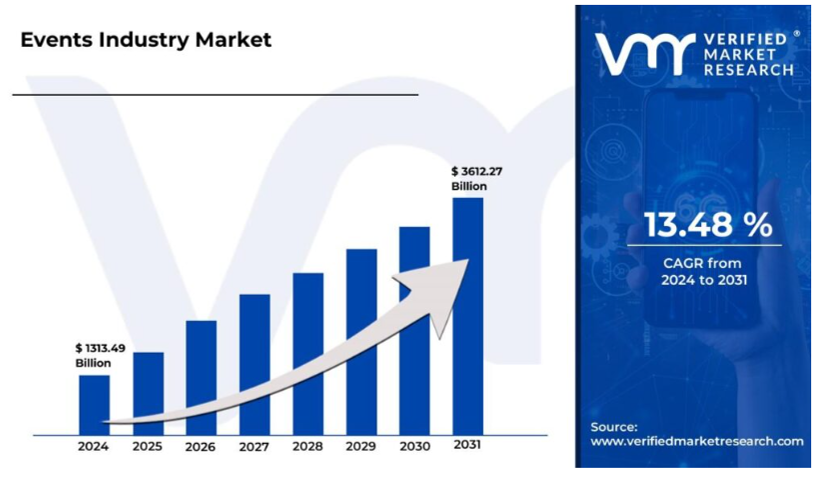
Additionally, the growth in globalization, business networking opportunities, and international trade has resulted in many trade fairs, conferences, and conventions. Jump in destination weddings MICE tourism contributes to event planning and management business growth. It’s forecasted that the event market will grow at 13.48% CAGR between 2024 and 2031.
Building a successful event business in a comparative industry is no easy feat, but with the right strategies, technology, and focus on client satisfaction, you can create unforgettable experiences and grow a profitable business. Follow the below-listed tips to establish a strong brand, improve your event offerings, and navigate the evolving landscape of event planning.
Identify Your Niche
Success in the event industry starts with specialization. Whether focused on corporate events, weddings, concerts, or festivals, finding your niche allows you to stand out in a crowded market. Ask yourself:
- What type of events do I enjoy planning?
- Who is my target audience?
- What unique value can I offer?
Choosing a specific niche will allow you to fine-tune your offerings and marketing strategies.
Create a Strong Brand
In the event industry, your brand is everything. Your brand is the first impression clients will have of your business, and it should reflect your niche and values. Invest time in building a memorable logo, color scheme, and brand identity.
“A brand is the set of expectations, memories, stories, and relationships that, taken together, account for a consumer’s decision to choose one service over another.” -Seth Godin
Ensure that your website and social media platforms align with this identity to create a consistent and professional image. Make sure your messaging focuses on the pain points of your target audience and offers clear solutions. Use customer testimonials, event portfolios, and behind-the-scenes content to show off your expertise.
Offer Customized Solutions
According to the EMarketing Stars event marketing statistics report, almost 75% of event planners said personalization is key to creating successful events. One size does not fit all, especially in the event business.
Clients are increasingly looking for tailor-made solutions that align with their specific event goals and visions. Whether it’s a corporate seminar or a luxury wedding, your ability to offer customized event planning will set you apart.
Consider adopting an adaptable event planning model, where you can mix and match services, catering to both large and small events. Offering add-ons like advanced audiovisual equipment, specialized catering, or unique venues can increase your value proposition.
Leverage Technology for Event Management
Gone are the days when event planning meant endless phone calls and paperwork. Today’s successful event businesses utilize technology to streamline processes. Invest in an all-in-one PHP ticket system open source that offers features like:
- Ticketing and registration
- CRM and guest management
- Email and SMS marketing
- Analytics and Reporting
- Live streaming and hybrid event support
With tech-driven tools, you can automate time-consuming tasks, reduce human error, and create seamless event experiences.

Prioritize Attendee Experience
“People don’t just attend events for the content anymore. They want to experience something memorable,” Tahira Endean, author and event strategist, explains.
Attendee experience is the cornerstone of any event’s success. From smooth check-ins to exciting sessions and engaging speakers, every touchpoint must be carefully curated to leave a lasting impression.
To enhance the attendee experience, focus on:
- Personalization: Tailor sessions and activities to attendees’ interests.
- Engagement: Include interactive elements like polls, Q&As, or live social media integration.
- Comfort: Ensure the venue has ample seating, quality acoustics, and easy access to restrooms and refreshments.
Collect feedback post-event to assess how you can further improve for future events.
Master Event Marketing
Statista reported that 42% of event organizers use social media as their primary promotional tool, followed by email marketing and paid ads.
No matter how well you plan, marketing is crucial for attracting clients and attendees. Build a multi-channel marketing strategy that includes:
- Social media: Regular updates on platforms like Instagram, LinkedIn, and Facebook can create buzz. Use hashtags, stories, and even live videos to interact with potential clients.
- Content marketing: Write blog posts, create videos, and share behind-the-scenes content to demonstrate your expertise.
- Email marketing: Create personalized email campaigns to nurture client relationships and announce upcoming events.
Paid ads on social media and search engines can also drive traffic to your event website or landing page, especially for large-scale events.
Build Strong Vendor Relationships
“Your network is your net worth in the event industry,” Colja Dams says.
The event industry thrives on collaboration. From caterers and decorators to DJs and photographers, having reliable vendors in your network is crucial. Build long-term relationships with high-quality vendors to ensure smooth operations for every event.
Negotiate contracts, explore mutually beneficial partnerships, and offer referrals to build a solid vendor network that benefits both parties. You can also explore bulk discounts for recurring services, which can improve your profitability.
Offer Competitive Pricing
Pricing is a delicate balance. Charge too little, and you risk undervaluing your services; charge too much, and you could scare away potential clients.
Research your competitors, understand your target market’s budget, and offer tiered packages to cater to different segments. Make sure your clients understand the value behind each package and be transparent about pricing from the beginning.
Focus on Financial Management
Managing finances is one of the key challenges for any business, and event planning is no exception. Ensure you have a clear understanding of your income, expenses, and profit margins.
Create detailed budgets for each event and closely monitor any unexpected costs. Implement invoicing software and maintain financial records for all transactions. Consider seeking advice from a financial consultant to optimize pricing and ensure long-term profitability.
Stay Updated on Industry Trends
The event industry is continuously evolving, with new trends emerging all the time. Stay ahead by keeping up with the latest trends such as:
Sustainability: Incorporating eco-friendly practices like digital invitations and zero-waste events.
Hybrid and Virtual Events: Offering live streaming options and online interaction tools to expand audience reach.
Personalization: Customizing event experiences through tailored content, activities, and products.
To stay updated on innovations in the event space, attend industry conferences, follow thought leaders, and engage with professional communities.
Conclusion
Success in the event industry isn’t just about throwing great parties but crafting unique, tailored experiences that resonate with attendees and exceed client expectations. To ensure long-term growth, stay ahead of industry trends like sustainability and hybrid events, continuously improve your financial management, and nurture strong vendor relationships.
With the right strategies, like those discussed in this guide, and reliable event management tools, you can scale your event business, deliver high-quality events, and achieve sustainable success.