Starting a coffee shop is a dream for many entrepreneurs—but how do you compete in a world dominated by Starbucks and big chains? This comprehensive guide walks you through startup costs, operations, branding, menu planning, customer experience, and the unique advantages small shops have over corporate giants. Learn how to start strong, stand out, and build a thriving neighborhood coffee business.
Coffee Shops Are More Than Coffee—They’re Community
Starbucks didn’t just change the coffee industry—it changed American culture. It made “coffee runs” part of the daily routine for millions and normalized paying $4–$6 for espresso drinks. That massive shift opened a huge opportunity for small business owners: people now expect to visit a coffee shop regularly.
But here’s the real secret: Independent coffee shops are thriving—not dying—despite the dominance of corporate giants. Why? Because while Starbucks sells a consistent product, it can never replicate the soul of a neighborhood coffee shop.
Small coffee shops win on:
- Personal connection
- Unique atmosphere
- Specialty offerings
- Local identity
- Authentic experience
People visit coffee shops not simply for caffeine—they come for:
- A quiet work or study spot
- Fresh pastries and healthier food
- Human connection
- A break from work
- A place that feels like their place
That’s why coffee shops continue to be one of the most popular small business ideas. Below is a comprehensive guide to help you start a coffee shop business—and stand out.
Table of Contents
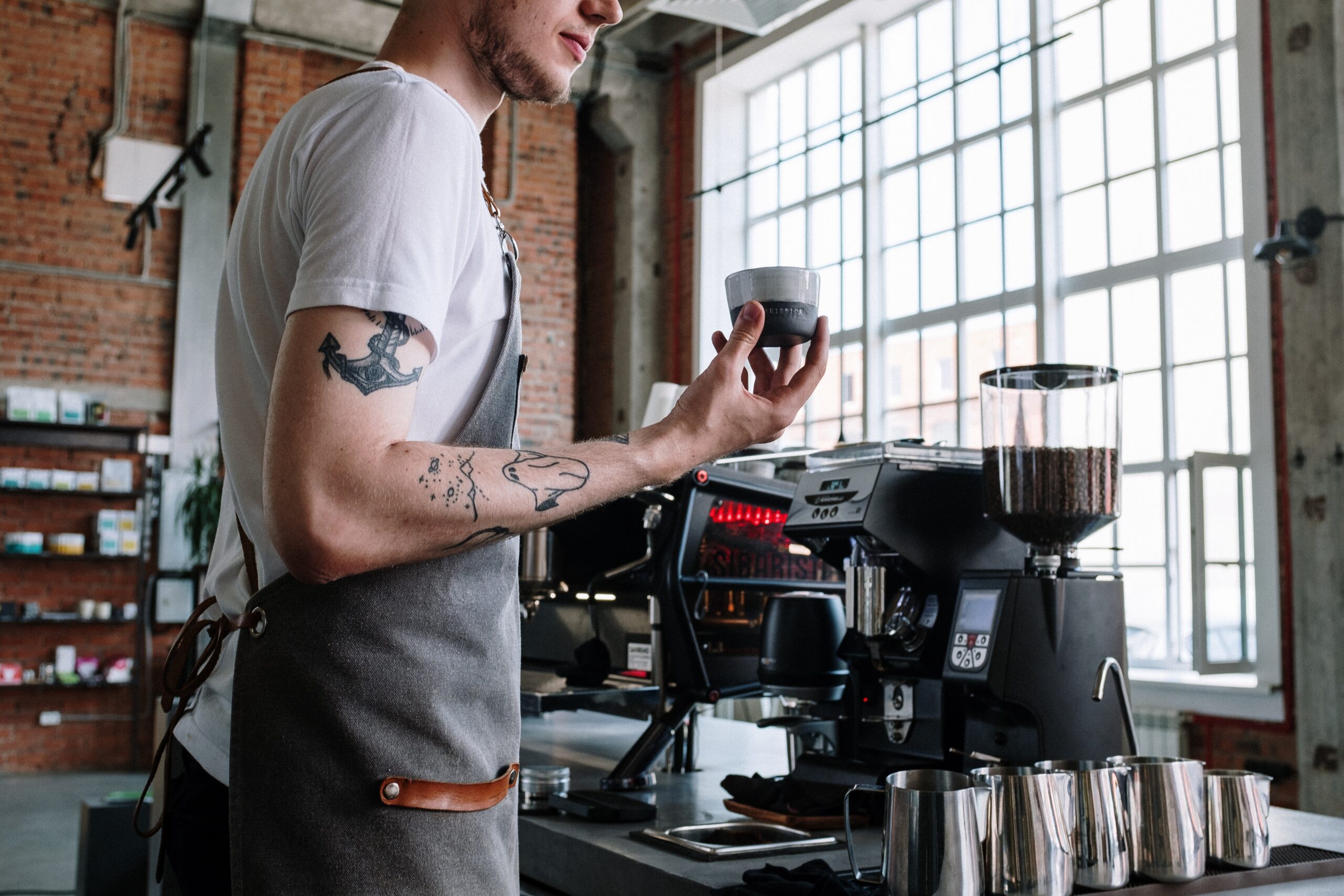
Why Open a Coffee Shop?
Before diving into startup costs, equipment, staffing, and operations, it’s important to understand why people go to coffee shops in the first place—and why they might choose your independent shop over Starbucks, McDonald’s, Dunkin’, or a traditional restaurant. Coffee shops are no longer just about caffeine; they serve emotional, social, and lifestyle needs that other establishments can’t replicate. People today want comforting spaces, personal connection, strong Wi-Fi, quality coffee, and a sense of belonging.
When you understand the deeper motivations behind customer behavior, you can design a coffee shop that meets those needs in a way big chains cannot. Put simply: you’re not just competing on the taste of coffee—you’re competing on experience, community, convenience, and identity.
1. Coffee Shops Fill a “Third Place” Need
Sociologists use the term “third place” to describe a space that exists between home (the first place) and work (the second place)—a relaxed, social environment where people naturally gather. Coffee shops fit this role better than almost any other setting. Unlike restaurants that encourage quick turnover or fast-food chains built around speed and efficiency, coffee shops create a warm, unhurried atmosphere where people can sit for long periods without feeling rushed.
People come to coffee shops to read, journal, study, think, decompress, or simply enjoy a quiet moment away from daily pressures. Students and remote workers also depend on them for productivity, seeking a space that feels safe, cozy, and welcoming. This “home-away-from-home” quality is something large chains try to replicate—but independent shops often deliver more authentic versions of it.
A coffee shop is:
- quieter than a restaurant,
- cozier than a fast-food dining area,
- less stressful than a bar,
- more welcoming than an office lounge.
This unique blend of comfort, calm, and community is why coffee shops hold such a lasting cultural value—and why opening one continues to be an appealing business opportunity.
2. Independent Shops Can Offer Better Coffee
When it comes to flavor, craftsmanship, and freshness, independent coffee shops often have a real advantage over Starbucks and other large chains. Corporate coffee companies roast for scale, consistency, and long shelf life—not for nuance or quality. Their roast profiles tend to be darker and more uniform, which helps maintain predictable flavor across thousands of locations but sacrifices subtlety and character.
Small shops, on the other hand, have freedom and flexibility. They can choose local roasters, feature single-origin beans, adjust their roast levels, collaborate with artisan bakeries, and create signature drinks that truly reflect the neighborhood’s tastes. This level of creativity simply isn’t possible for big chains with rigid nationwide menus. Even small touches—like better milk steaming technique or fresher pastries—make a noticeable difference.
When customers discover that your cappuccino, latte, or pour-over genuinely tastes better, they form loyalty based on quality alone. This is one of the strongest competitive advantages independent coffee shops should leverage.
Small coffee shops can:
- use local roasters,
- offer lighter roasts,
- create signature drinks,
- experiment with seasonal menus,
- offer fresher pastries and food.
Food quality alone can differentiate you.
3. Community Loyalty Beats Corporate Marketing
Big chains rely on massive advertising budgets, national promotions, and brand familiarity—but independent coffee shops have something far more powerful: genuine community connection.
Customers love supporting small businesses, especially when they feel seen, welcomed, and valued. When your baristas learn customers’ names, ask about their day, or remember their usual drink, you create emotional loyalty that Starbucks simply cannot replicate across thousands of locations. These personal touches transform casual customers into regulars.
Beyond that, small coffee shops can become true community hubs—hosting local events, featuring neighborhood artists, supporting school fundraisers, or offering gathering spaces for book clubs or workshops. People want to belong somewhere, and they want to support people they know. When your shop feels embedded in the community rather than just another storefront extracting revenue, customers are more willing to choose you even if your prices are slightly higher.
People love supporting small businesses—especially if the shop feels:
- friendly
- warm
- personal
Baristas who remember names and orders are a competitive advantage big chains can’t replicate.
4. Unique Atmosphere Is a Business Moat
While Starbucks locations tend to follow a predictable, standardized format—with similar furniture, playlists, and décor—your independent coffee shop can create a one-of-a-kind environment.
Atmosphere is one of the strongest competitive advantages a small coffee shop has, because customers often choose where to get their coffee not only on taste but also on how a place feels. Your shop can reflect local culture, showcase your personality, or offer a cozy, creative refuge from the outside world.
Whether your style is rustic, modern, artsy, vintage, minimalist, or eclectic, the mood you create becomes part of your identity. Many visitors choose independent cafés simply because they prefer a space that feels warm, interesting, or inspiring. You also have the ability to host unique events—like live acoustic sets, art shows, workshops, or game nights—that turn your shop into a cultural gathering point. Starbucks can’t tailor each store like this, but you can. And that distinct atmosphere becomes your brand moat: something impossible for large chains to duplicate.
You can design:
- quirky décor
- cozy corners
- local art
- acoustic music nights
- poetry readings
- board game shelves
Every independent coffee shop builds its own vibe—and that vibe becomes its brand.
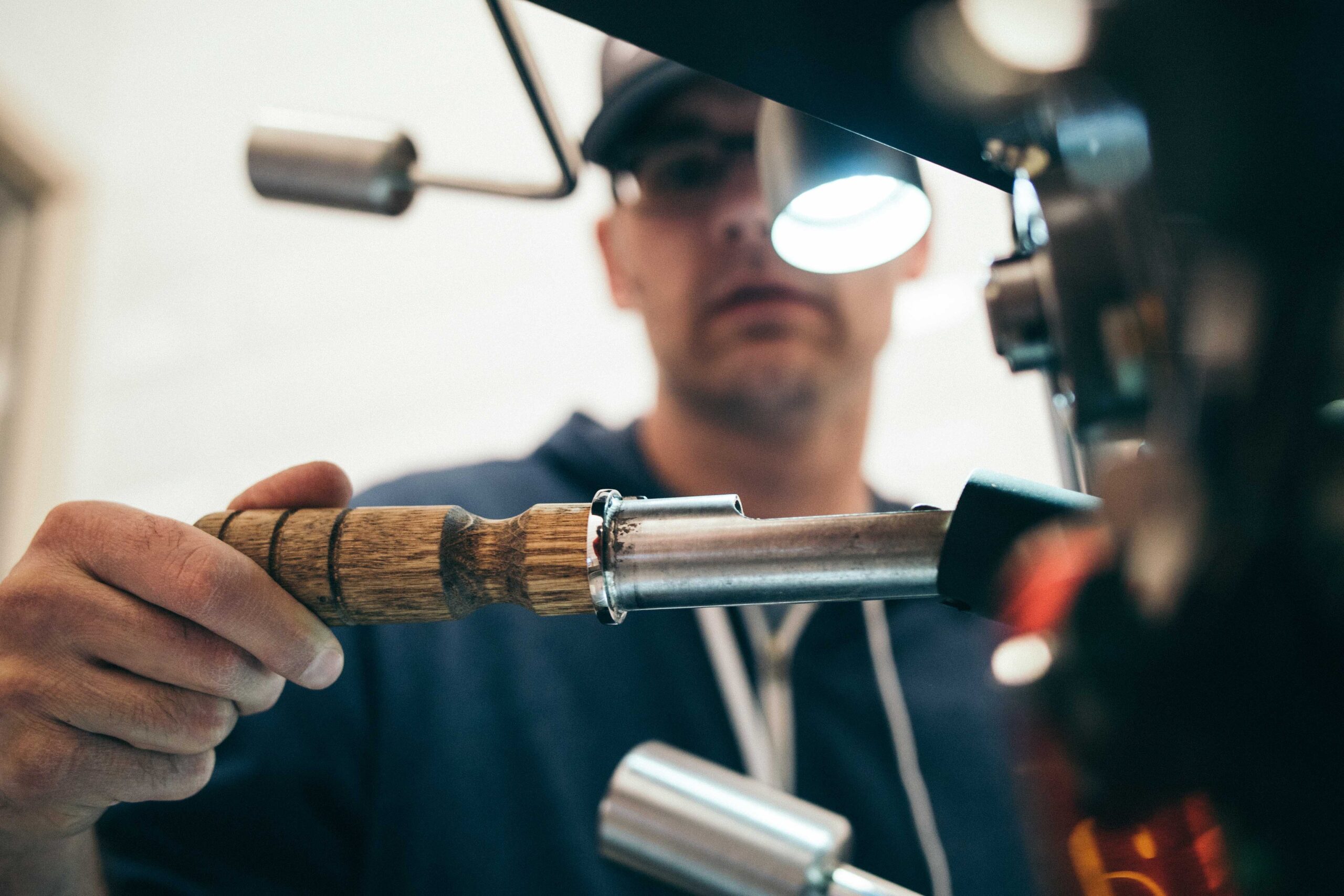
Startup Costs: What It Really Takes to Open
Before opening your doors, it’s important to understand that coffee shops—despite seeming simple from the outside—require more upfront investment than many first-time entrepreneurs realize. Coffee equipment is specialized and expensive, build-outs can cost more than expected, and even small shops need sufficient startup capital to cover months of operating expenses before profits stabilize.
Many aspiring owners imagine starting with a few thousand dollars, only to discover that espresso machines alone can rival the cost of a car. That doesn’t mean opening a coffee shop is out of reach; it simply means you need a realistic understanding of what it takes.
Proper budgeting prevents surprise expenses, helps you secure financing, and ensures your shop launches with the quality, efficiency, and atmosphere customers expect. The tables below break down typical startup costs across different shop formats—giving you a clear and grounded picture of what to plan for.
Table 1. Startup Cost Comparison Table
| Coffee Shop Type | Typical Startup Cost | Notes |
|---|---|---|
| Coffee Cart | $20,000–$30,000 | Low-cost entry, minimal seating, good for farmers markets or events |
| Kiosk (Mall or Office) | $50,000–$75,000 | Small footprint, higher rent but good foot traffic |
| Drive-Thru Only | $30,000–$180,000 | Highest profit per sq ft; weather-dependent; high-volume model |
| Sit-Down Café (1,000–1,500 sq ft) | $150,000–$300,000 | Most common and most expensive; includes equipment, seating, décor, buildout |
Table 2. Major Cost Categories
Startup expenses aren’t just equipment and rent—dozens of smaller items and operational needs quickly add up. The table below highlights the most common cost categories you should plan for as you budget your shop.
| Category | Estimated Cost |
|---|---|
| Espresso machine | $8,000–$25,000 |
| Grinders | $1,000–$3,000 each |
| Brewing equipment | $1,500–$5,000 |
| Furniture & décor | $10,000–$40,000 |
| POS system | $1,000–$5,000 |
| Initial inventory & supplies | $5,000–$15,000 |
| License & permits | $2,500–$12,000 |
| Leasehold improvements | $30,000–$120,000 |
Coffee shop margins are excellent, but the startup costs are real.

Step-by-Step Guide to Starting Your Coffee Shop
Once you understand the market, the customer experience, and the financial commitment required, the next step is to put all the pieces together into a clear, manageable plan.
Starting a coffee shop isn’t just about serving great drinks—it’s a coordinated process that involves branding, market research, location strategy, menu development, hiring, legal compliance, and operational execution. With so many moving parts, it’s easy to feel overwhelmed.
This step-by-step guide breaks the journey down into practical stages, helping you move from idea to grand opening with confidence. Whether you’re launching a cozy neighborhood café, a sleek modern espresso bar, or a convenient drive-thru kiosk, the following steps give you a roadmap to build a strong foundation and set your coffee shop up for long-term success.
1. Find Your Concept and Unique Selling Proposition (USP)
Before you worry about equipment, menus, or staffing, you need to define what kind of coffee shop you’re building. This concept becomes the foundation for every major decision you’ll make—including your menu, décor, pricing, customer experience, and marketing.
Your USP (unique selling proposition) is what sets you apart from Starbucks, Dunkin’, and other local competitors. You must decide what kind of coffee shop you want to be. Do you want a cozy neighborhood café? A modern minimalist espresso bar? A plant-filled boho lounge? A student-focused study spot? A bakery-coffee hybrid? Some winning examples:
- A sustainable, eco-friendly café
- A local-roaster-only shop
- A quiet study café with fast Wi-Fi
- A brunch-focused coffee shop
- A bakery-coffee hybrid
- A music-themed café
- A board-game or book-themed café
The clearer your concept, the easier it becomes to attract the right customers, design the right space, and build a brand people remember.
Questions that help you define your concept
- What experience do you want people to feel?
- What makes your coffee shop special?
- Why should someone choose you over Starbucks?
- What signature drinks or food items will you create?
The clearer your concept, the stronger your brand. Remember, your USP is your key competitive weapon against Starbucks.
2. Identify Your Target Market
Too many coffee shops fail not because their drinks are bad, but because they try to appeal to everyone at once. Your business becomes much stronger when you understand exactly who your ideal customers are and what they need. A shop in a college town will look very different from one in a corporate business district or one in a tourist-heavy downtown. Identifying your target market helps you shape your pricing, hours, menu, seating layout, and even branding. It ensures that you’re not building blindly—you’re building strategically.
Think about which customers you want to attract
- Students who need quiet study spaces
- Remote workers seeking reliable Wi-Fi and outlets
- Commuters who want fast grab-and-go service
- Tourists looking for local flavor
- Families in need of a relaxed, kid-friendly environment
Your shop will be most successful when it’s designed around the lifestyle of the people you want to serve.
Table 3. Market Research Table: Who Do You Serve?
| Customer Type | Needs | How You Attract Them |
|---|---|---|
| Students | Wi-Fi, charging, quiet space | Study rooms, discounts |
| Remote workers | Comfort, plugs, calm vibe | Work-friendly seating |
| Commuters | Fast service | Drive-thru, mobile ordering |
| Tourists | Local vibe | Local products, unique décor |
| Families | Comfortable seating | Kids’ corner, pastries |
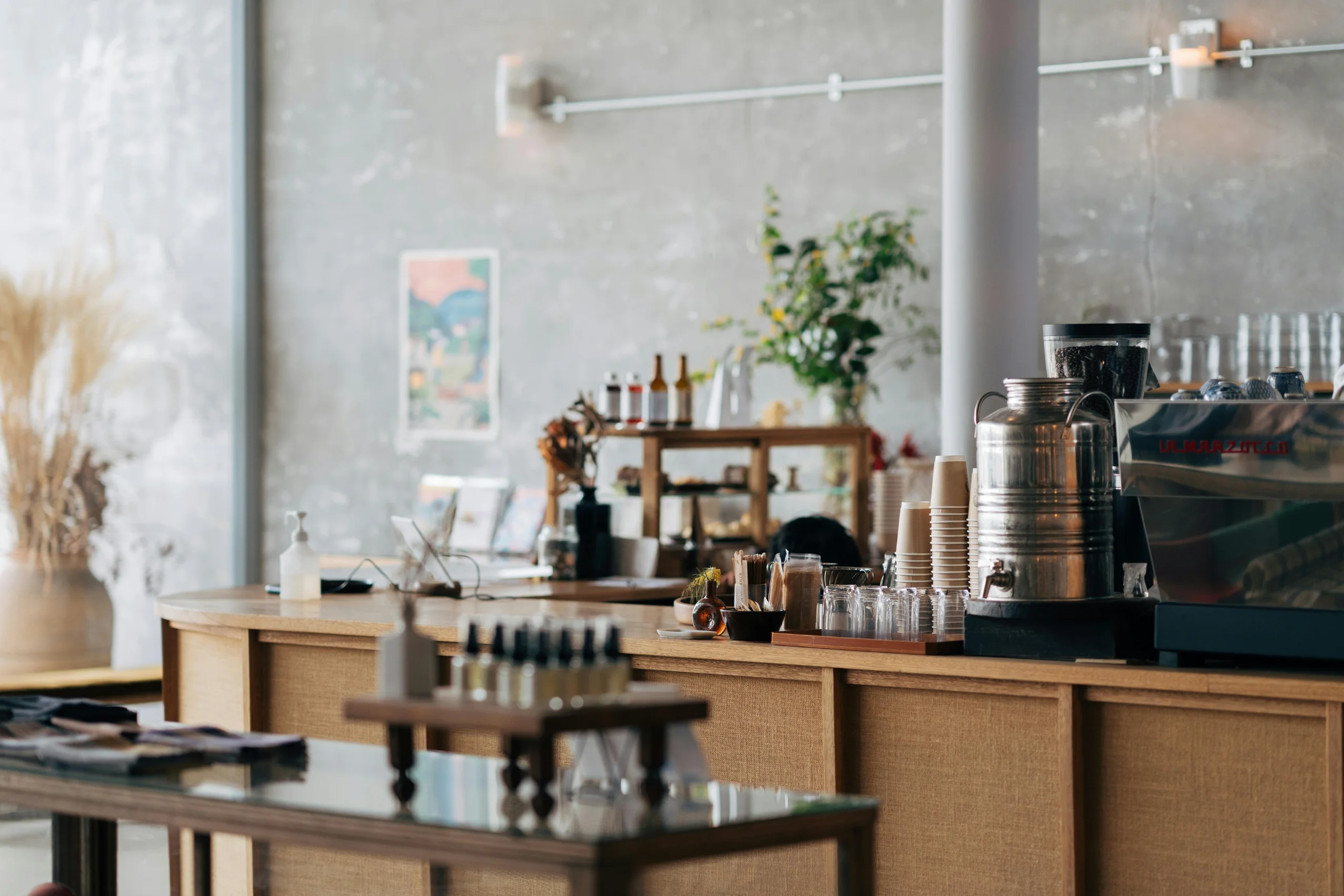
3. Write a Strong Business Plan
A business plan is more than a formality—it’s your roadmap. It forces you to think through how your coffee shop will operate, how much it will cost, and how it will make money. Without a solid plan, it’s easy to underestimate expenses, overlook regulations, or run into cash flow issues during the first year. Your business plan also becomes essential if you plan to apply for financing, lease a storefront, or attract partners.
Your business plan should include
- Startup costs and equipment list
- Market research and competitor analysis
- Financial projections for 1–3 years
- Staffing structure and labor costs
- Menu strategy and pricing model
- Marketing plan and customer acquisition strategy
- Monthly cash flow forecast
Treat your business plan as a living document—you’ll update it frequently as your shop grows.
4. Choose a Strategic Location
In the coffee business, location can make or break everything. Because coffee shops rely on convenience, foot traffic, and visibility, picking the right location is just as important as serving great drinks. The best locations have a built-in audience—students, workers, commuters, or local residents who naturally pass by. Think critically about rent too: high foot traffic often means higher costs, so you need to balance visibility with profitability.
Ideal locations include
- Near college campuses
- In busy commercial districts
- Near office buildings or coworking spaces
- In walkable downtown areas
- Close to public transportation
- Inside malls or plazas
Look for:
- high foot traffic
- visibility
- ease of parking
- affordability
- nearby competition (good or bad?)
If a Starbucks is nearby, that can actually be good—it means demand exists.
5. Understand Legal and Licensing Requirements
Coffee shops fall under the food service category, which means you must comply with health, safety, and licensing regulations before you can open. Each state and city has its own rules, so you should check with your local small business office and health department. These requirements aren’t glamorous, but they protect you from fines, closures, and liability issues down the road.
Common licenses and permits include
- Business registration
- Food handler certification for staff
- Health department permit
- Occupancy permit
- Fire inspection approval
- Seller’s permit or tax ID
- Signage permit (in many cities)
Completing these steps early prevents delays when you’re ready to open.

6. Hire and Train Your Team
Your employees are the heart of your coffee shop. A well-trained, friendly barista can turn a first-time visitor into a regular, while poor service can turn customers away for good. Even if you start small, hiring the right people—and training them thoroughly—creates consistency and helps build your shop’s reputation. Good baristas aren’t just drink-makers; they’re hospitality professionals.
Your training program should cover
- Cleanliness and organization norms
- Espresso fundamentals
- Proper milk steaming techniques
- Customer service standards
- POS system use
- Food handling and safety
- Opening and closing procedures
Skills to Prioritize
- friendliness
- speed
- coffee knowledge
- consistency
- cleanliness
Remember: Your staff is your strongest competitive advantage against Starbucks. Personality and attitude matter more than experience. You can teach someone to steam milk, but you can’t teach them to care about customers.
7. Build Out Your Menu
Your menu is where your concept, target market, and brand identity come to life. A good coffee shop menu doesn’t need to be massive—in fact, smaller menus often perform better because they’re easier to execute consistently. Focus on drinks and foods that align with your concept and appeal to your ideal customer. The right mix can turn your coffee shop into a daily habit for customers.
Common menu categories
- Espresso drinks (latte, cappuccino, americano)
- Drip or pour-over coffee
- Cold brew and iced options
- Teas and specialty beverages
- Pastries and baked goods
- Breakfast items (sandwiches, wraps, bowls)
- Light lunch options
- Seasonal specialty drinks
Add High-Margin Items
Consider offering a few high-margin signature drinks—these quickly become customer favorites and help your brand stand out. Some drinks have extremely high margins (70–90% profit):
- Cold brew
- Seasonal lattes
- Signature drinks
- Frappé-like blended drinks
A signature drink can become your “brand identity.”

8. Choose Your Suppliers
Your suppliers—especially your coffee roaster—play a major role in the quality of your product. Partnering with the right roasters, bakeries, dairy suppliers, and paper goods vendors ensures consistency and reliability. Many new coffee shop owners choose to work with a local roaster, which not only enhances freshness but also strengthens your identity as a community-focused business.
Suppliers you’ll need
- Coffee roaster
- Dairy and milk-alternative provider
- Bakery or pastry provider
- Syrup and flavoring supplier
- Paper goods (cups, lids, napkins)
- Cleaning and sanitation supplies
- Equipment maintenance provider
Strong supplier relationships prevent shortages and keep your operation running smoothly.
Tip
Partner with a local roaster—it strengthens your small-business story.
9. Create an Unforgettable Atmosphere
Atmosphere is one of the most important competitive differentiators for independent coffee shops. Customers choose cafés not only for the drinks, but for the experience—the lighting, music, seating, artwork, layout, and overall vibe. A well-designed space encourages customers to stay longer, return often, and share your shop on social media.
Elements of a memorable atmosphere
- Comfortable seating and logical layout
- Strong lighting (warm, natural, or a curated mix)
- A cohesive décor style
- Plants or greenery for warmth
- Artwork or murals that reflect your brand
- Cleanliness and organization at all times
- Music
- Scent
The atmosphere should support your concept and make people want to linger. Make your shop “Instagrammable”—customers will promote it for you.
Atmosphere is one of the biggest reasons people choose a small coffee shop over Starbucks.
10. Invest in Technology
Modern coffee shops rely on technology to keep operations smooth, efficient, and customer-friendly. While it’s possible to run a simple operation with minimal tech, the right tools make life easier for you and your team. They also create a better experience for your customers, who increasingly expect conveniences like mobile ordering or digital loyalty rewards.
Helpful tools and systems
- POS system (Square, Toast, Lightspeed)
- Inventory management software
- Employee scheduling and time-tracking tools
- Mobile ordering or pickup apps
- Gift card and loyalty program system
- Accounting and bookkeeping software
Technology isn’t just for efficiency—it’s for competitive advantage. The right software saves time and lowers errors.
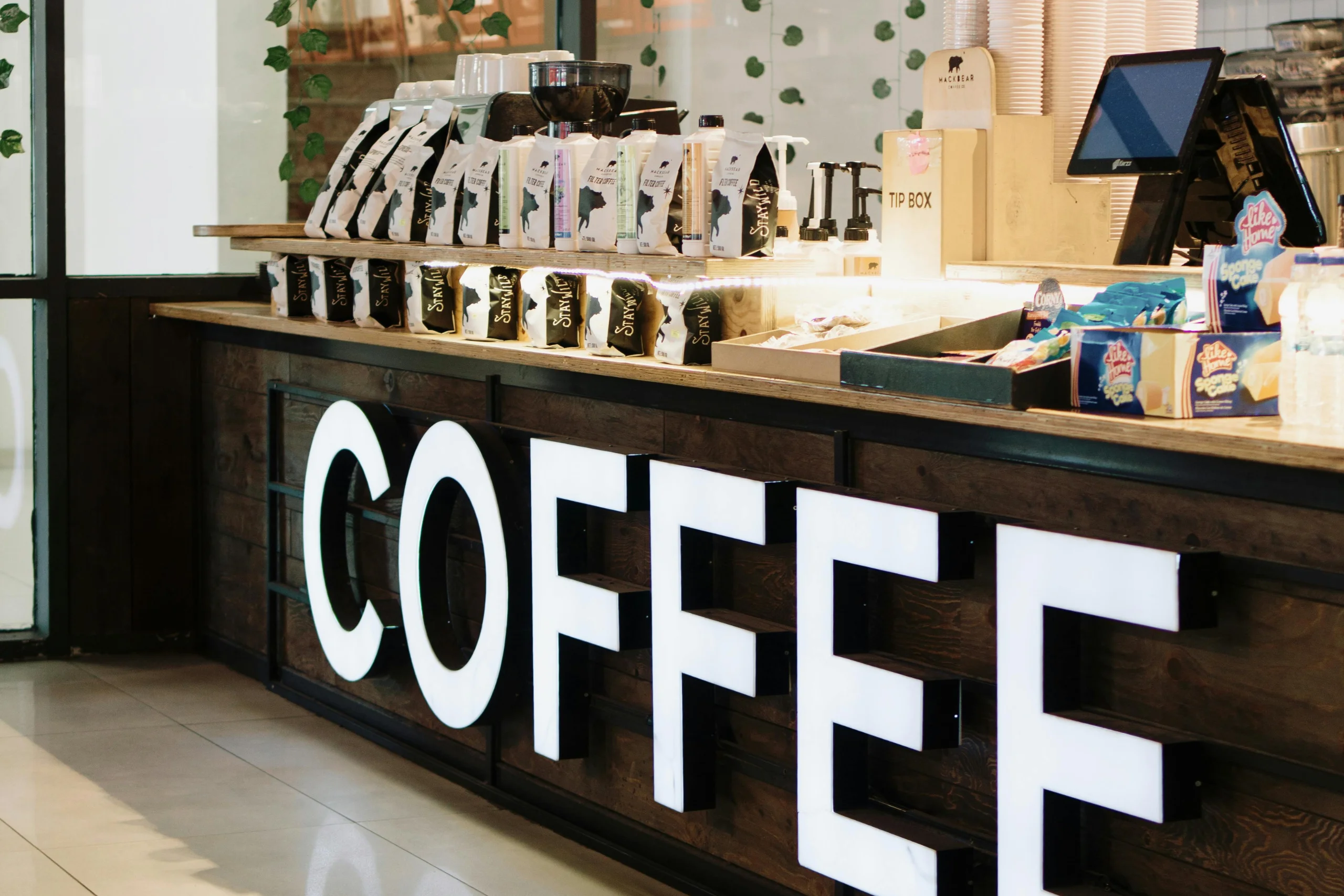
How a Small Coffee Shop Can Compete with Starbucks
Competing with Starbucks might sound intimidating, but independent coffee shops actually have several competitive advantages that big chains simply cannot match. Starbucks wins on size, marketing power, and consistency—but those strengths come with limitations. They cannot personalize service beyond a certain point, they cannot tailor each store to the local community, and they cannot innovate quickly at the local level. A small coffee shop, on the other hand, can adapt, experiment, and create a distinct experience that resonates emotionally with customers. Remember: people don’t always choose Starbucks because it’s better—they choose it because it’s familiar. If you can give customers a reason to emotionally prefer your shop, you can absolutely compete.
Ways independent shops naturally outperform big chains
1. Personal Relationships
You can genuinely know your customers—baristas at small shops often become part of the local community fabric.
2. Better Product Quality
You can choose roasters based on quality, not corporate supply chains. You can offer:
- specialty beans
- lighter roasts
- fresher pastries
- experimental seasonal drinks
3. Faster Innovation
You can change your menu weekly, add seasonal drinks, or partner with local artisans without corporate approval.
3. Community Integration
Host:
- local art shows
- mini concerts
- business meetups
- book clubs
- game nights
This builds loyalty, not just traffic.
4. Faster, Friendlier Service
Starbucks can get slow during rush hours.
Small shops can optimize for speed and friendliness.
5. A Real Sense of Place
Your shop can reflect:
- local culture
- local artists
- local stories
Corporate chains can’t.
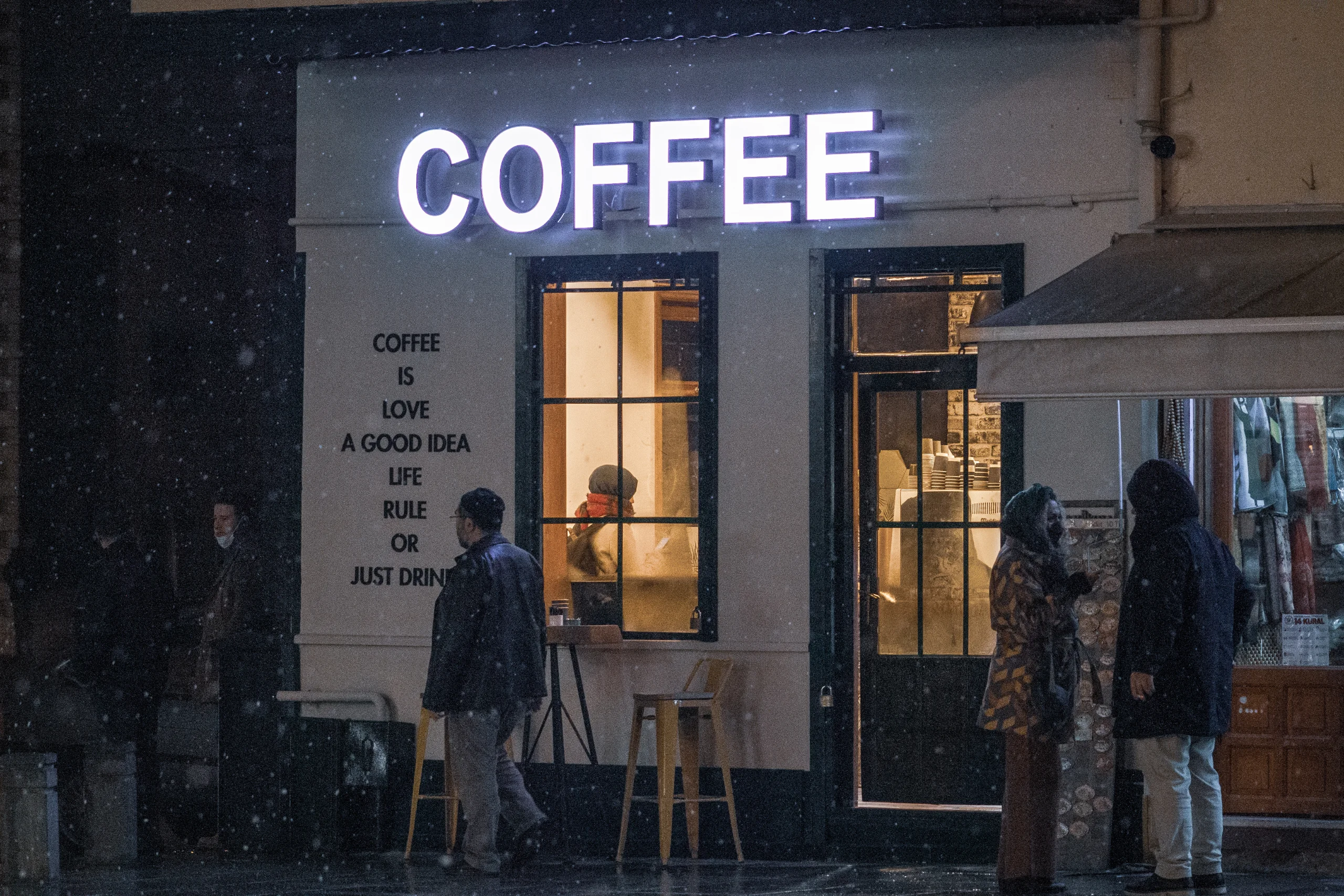
Why Go to a Coffee Shop Instead of a Restaurant or Fast Food Place?
Coffee shops occupy a very specific role in modern life—a role that restaurants and fast-food chains simply cannot fulfill. While restaurants focus on meals and fast-food prioritizes convenience, coffee shops offer something unique: a flexible, comfortable space where people can linger, socialize, work, or take a quiet moment for themselves. This “third place” experience is the heart of what makes cafés so special.
Coffee shops are less formal than restaurants but far more warm and inviting than quick-service establishments. They combine the best parts of public and private spaces, offering comfort without pressure, productivity without noise, and community without chaos.
| Category | Coffee Shop | Restaurant | Fast Food |
|---|---|---|---|
| Environment | Cozy, quiet, warm | Busy, loud | Fast turnover |
| Working/Studying | Encouraged | Not ideal | Discouraged |
| Coffee Quality | High | Variable | Low |
| Experience | Personalized | Generic | Impersonal |
| Time Spent | Flexible | Limited | Quick |
| Community | Strong | Weak | None |
Coffee shops outperform restaurants and fast food in key areas
- Atmosphere: Restaurants are often too formal, and fast-food places are too loud or rushed. Coffee shops hit the perfect middle ground.
- Work-friendly environment: You can’t realistically set up a laptop in a fast-food place or restaurant for two hours without feeling awkward. In coffee shops, it’s encouraged.
- Quality of coffee: Restaurants rarely specialize in coffee, and fast-food chains rely on low-cost, mass-produced blends.
- Length of stay: Coffee shops don’t pressure customers to leave quickly—people can stay for hours.
- Cultural role: Coffee shops function as social hubs where people meet friends, run into neighbors, study, or decompress.
Customers aren’t choosing coffee shops instead of restaurants—they’re choosing them because they fulfill a completely different emotional and social need.
Conclusion
Starting a coffee shop is more than a business decision—it’s a chance to create a space that brings people together, sparks creativity, and adds value to your community. While the startup costs can be significant and the process demanding, the rewards are equally profound. Independent coffee shops thrive because they offer something Starbucks and big chains can never fully replicate: authenticity, neighborhood warmth, and genuine connection.
Customers return not just for caffeine but for comfort, culture, consistency, and conversation. They want a place where the barista knows their name, the playlist feels personal, the pastries taste fresh, and the vibe feels like home. With a clear concept, strong business plan, intentional design, well-trained team, and commitment to quality, your coffee shop can become one of those beloved neighborhood spots customers return to day after day.
A small coffee shop can absolutely compete with Starbucks by offering:
- better quality
- a unique atmosphere
- local engagement
- personal relationships
- authentic experiences
You’re not just serving drinks—you’re serving connection. You’re not simply opening a café—you’re creating a “third place,” a daily ritual, a community anchor, and a home for small joys. That’s a business model with staying power, even in a world dominated by corporate giants.

Key Takeaways
- Coffee shops serve as an essential “third place,” offering comfort and community in ways restaurants and fast-food establishments cannot match.
- Startup costs vary widely depending on format, but proper budgeting is essential to avoiding financial surprises.
- Your concept, branding, and atmosphere are some of your strongest competitive advantages over Starbucks.
- Personal relationships and community integration help independent shops build loyalty that corporate chains can’t replicate.
- Menu design, staff training, and quality suppliers directly impact your shop’s long-term reputation.
- A strategic location and strong business plan significantly increase your chances of success.
- Technology—like POS systems, loyalty apps, and scheduling tools—helps streamline operations and improve customer experience.
- Independent coffee shops can win by focusing on authenticity, quality, and local identity rather than competing on scale or marketing power.
FAQ on Starting a Coffee Shop Business
Is a coffee shop profitable for a small business owner?
Absolutely—coffee shops can be highly profitable because coffee has one of the strongest profit margins of any food product. Espresso-based drinks often have margins between 70% and 85%, and baked goods can reach 50–70% margins depending on supplier costs. Profitability depends on how effectively you manage labor, rent, and waste, which are the three biggest expenses. It typically takes six months to a year to break even, but well-positioned shops with strong branding sometimes become profitable earlier. The key is consistency, customer retention, and offering a compelling atmosphere that keeps people coming back.
How much does it really cost to open a coffee shop?
The cost varies depending on the type of shop you open. Coffee carts may start at $20,000, kiosks around $50,000, and full sit-down cafés often range from $150,000 to $300,000. This includes equipment (espresso machines can cost the same as a used car), buildout, licensing, inventory, and initial operating expenses. Owners often underestimate the cost of renovations and working capital—so it’s important to plan for at least three to six months of operating expenses on top of startup costs. Many owners finance through SBA loans, equipment leasing, or partnerships to make costs manageable.
How can a small coffee shop compete with Starbucks?
Small coffee shops compete by offering what Starbucks cannot: personalization, community, authenticity, and quality. You have the freedom to create a memorable atmosphere, partner with local roasters, introduce creative seasonal drinks, or host events that bring neighbors together. Customers increasingly value local, handcrafted, and community-focused experiences—so your independent identity becomes a major strength. Focus on building relationships, delivering consistently great coffee, and creating a space people love spending time in. Starbucks has scale, but scale also limits its ability to adapt or feel personal.
How long does it take for a coffee shop to become profitable?
Most coffee shops reach profitability between six months and twelve months, but this depends on rent costs, staffing decisions, marketing, and location. Shops in high-traffic areas or those with drive-thrus often reach profitability faster. Shops that serve food often generate more revenue but also face higher labor and supply costs. The most important factor is predictable daily traffic—once you build a base of regular customers, your revenue becomes stable. Smart cost controls and strong branding shorten the time it takes to break even.
Should my coffee shop serve food, or just drinks?
Yes—if you can do it well. Food significantly increases revenue and encourages customers to stay longer, but it also increases complexity, costs, and licensing requirements. Many successful coffee shops partner with local bakeries to offer high-quality pastries without needing a full kitchen. If you want to offer lunch items or fresh-made breakfast, you may need additional equipment and permits. The key is alignment with your concept: if fresh, artisanal, or health-conscious food fits your brand, it can become a profitable addition. If your focus is purely espresso and pastries, keeping the menu simple can create a cleaner, more consistent operation.