

This article was originally published on December 28, 2009 and updated on January 4, 2026.
Customers are the foundation of every successful home business. This guide helps you review how you attract, serve, and retain customers—so you can grow smarter in the year ahead.
Key Takeaways
- Customer growth depends on both acquisition and retention, not just marketing volume
- Clear communication of benefits is more powerful than listing features
- Customer experience is a competitive advantage—especially for home businesses
- Retention and referrals are often the most cost-effective growth strategies
- Small improvements in follow-up and service can compound over time

No matter how polished your operations are or how strong your ideas are, your business ultimately rises or falls on one thing: customers. Not just how many you attract—but how well you serve them, keep them, and turn them into long-term advocates for your business.
An annual business review is the ideal time to step back and evaluate your customer acquisition and customer retention strategies with honesty. This isn’t about chasing vanity metrics or feeling discouraged by short-term dips. It’s about understanding what’s working, what isn’t, and where small adjustments could create meaningful growth in the year ahead.
Table of Contents
Quick Summary: Customer Strategy Review
Customer Acquisition & Retention Review at a Glance
| Area | Key Question | What to Look For |
|---|---|---|
| Value Messaging | Do customers understand why they should choose you? | Clear benefits, simple language, problem-focused messaging |
| Customer Experience | How do customers feel when interacting with you? | Fast responses, respect, empathy, consistency |
| Differentiation | What makes you different from competitors? | Unique service, specialization, personal touch |
| Repeat Customers | Do first-time buyers return? | Follow-ups, reminders, ongoing value |
| Referrals | Do customers recommend you? | Trust, satisfaction, subtle encouragement |

Are You Clearly Communicating Your Value?
Start by examining how well you communicate the benefits of your products or services. This goes beyond listing features or prices.
Ask yourself:
- Do customers immediately understand how you solve their problem?
- Are you clearly explaining why your solution makes life easier, better, or more efficient?
- Does your messaging speak to real customer needs—or does it focus too much on what you want to say?
If prospects regularly ask basic questions you thought were already answered, that’s a signal your value proposition may need refinement.
How Well Do You Treat Your Customers—Consistently?
Customer experience is often the most underestimated growth lever in home-based and small businesses. Review how customers are treated at every interaction point, not just during the sale.
Consider:
- How quickly do you respond to emails, inquiries, or complaints?
- Do customers feel acknowledged, respected, and appreciated?
- Are problems handled defensively—or with empathy and accountability?
Customers don’t owe your business their loyalty. Loyalty is earned through consistent, respectful, and reliable experiences—especially when something goes wrong.
What Truly Sets You Apart From Competitors?
Differentiation isn’t always about offering more—it’s often about offering something different or doing one thing exceptionally well.
Evaluate:
- Why would a customer choose you over a competitor?
- Is your advantage based on service, specialization, speed, expertise, or personal connection?
- Are there areas where you could “turn up the volume” slightly—better onboarding, clearer guarantees, more thoughtful follow-ups?
If you struggle to articulate what makes your business stand out, chances are your customers may feel the same uncertainty.
Are You Turning First-Time Buyers Into Repeat Customers?
Acquiring new customers is often far more expensive than keeping existing ones. That’s why retention deserves just as much attention as acquisition.
Look closely at:
- What percentage of your customers return for a second purchase?
- Do you have systems in place to follow up after the first sale?
- Are you staying visible to past customers through email, content, or personalized offers?
Sometimes retention improves not through discounts, but through better communication and reminders of the value you already provide.
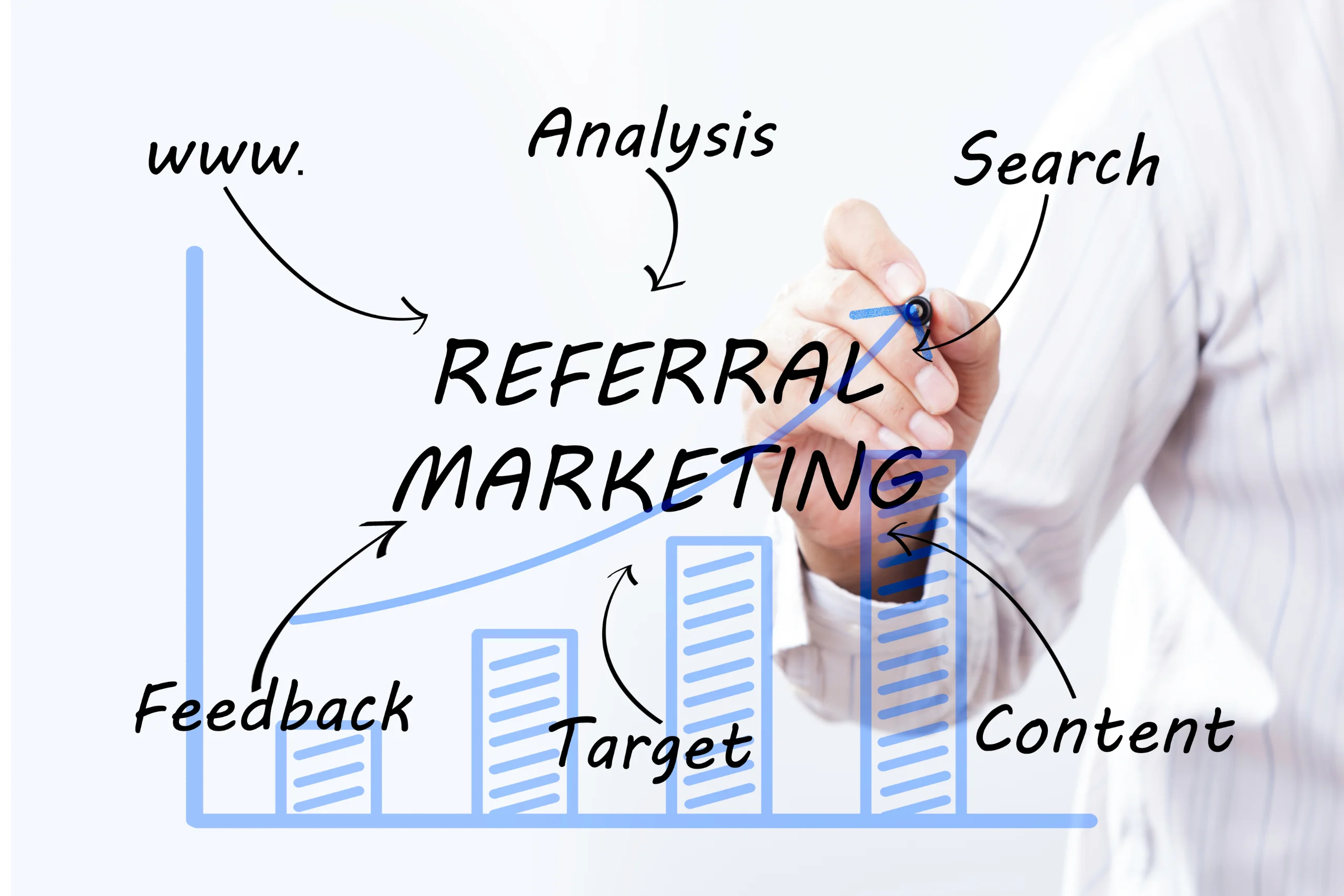
Do Your Customers Refer You—Without Being Asked?
Referral customers are often the most profitable and loyal, yet many businesses leave referrals to chance.
Ask:
- Do customers naturally recommend your business to others?
- Have you made it easy—and comfortable—for them to refer you?
- Do you actively thank or acknowledge customers who send business your way?
Referrals are rarely accidental. They’re usually the result of trust, positive experiences, and subtle encouragement.
Common Customer Strategy Mistakes to Watch For
Even experienced business owners fall into patterns that quietly weaken customer growth. An annual review is the best time to catch these issues before they compound.
1. Focusing Only on New Customers
Many businesses pour energy into attracting new leads while neglecting existing customers. This often leads to higher marketing costs and lower lifetime value. Retention almost always delivers better ROI than constant acquisition.
Fix: Build simple follow-up systems for past customers before increasing marketing spend.
2. Assuming Customers “Just Know” Your Value
If customers regularly ask about pricing, scope, or outcomes that should already be clear, your messaging may be vague or inward-focused.
Fix: Rewrite core messaging around customer outcomes, not your process.
3. Treating Customer Service as Reactive
Waiting for complaints instead of proactively checking in creates missed opportunities to strengthen loyalty—or prevent churn.
Fix: Add one proactive touchpoint after purchase or project completion.
4. Competing on Price Instead of Differentiation
Lowering prices to stay competitive often erodes margins without building loyalty.
Fix: Identify one aspect of your service experience you can improve or specialize in instead.
5. Leaving Referrals to Chance
Many satisfied customers are happy to refer—but never think to do it unless prompted.
Fix: Make referrals easy and normal, not awkward. A simple thank-you or reminder is enough.

Experience-Based Insights: What Long-Term Home Businesses Learn
In long-running home businesses, customer growth rarely stalls because owners stop working hard. More often, it slows because messaging drifts, follow-ups become inconsistent, or customer experience stops evolving.
Business owners who review customer behavior annually tend to notice patterns others miss. For example, many discover that:
- Customers who receive a personal follow-up are far more likely to return—even months later
- Minor improvements in communication often outperform larger marketing investments
- Retention increases when businesses stay visible after the sale, not just before it
Over time, successful home business owners learn to treat customer feedback as operational data—not criticism. That mindset allows them to adjust quickly, protect margins, and build resilience even during slow or uncertain periods.
Why This Review Matters
Reviewing your customer acquisition and retention strategies isn’t about finding fault—it’s about gaining clarity. Small improvements in how you communicate, serve, and follow up with customers can compound into significant gains over time.
As part of your annual business review, this reflection helps ensure that the growth you pursue next year is built on stronger relationships, not just more transactions.
Closing
Reviewing your customer acquisition and retention strategies provides more than insight into sales—it reveals how well your business communicates value, delivers experience, and builds trust over time. These customer patterns often connect directly to your marketing effectiveness, competitive positioning, and operational decisions. As you continue your Annual Business Review & Planning Guide for Home Businesses, use what you’ve learned here to inform your next steps—whether that’s refining your marketing strategy, analyzing your web analytics, or adjusting your goals for the year ahead. Strong customer relationships don’t happen by accident; they are built through deliberate review and intentional planning.

FAQ About Customer Acquisition and Retention
Home business owners often ask how to attract the right customers, retain existing ones, and encourage referrals without increasing marketing costs. The questions below address common concerns about customer acquisition and retention strategies, including how to measure effectiveness, improve loyalty, and identify why customers return—or leave—when reviewing business performance for the year ahead.
How often should I review my customer acquisition and retention strategies?
Most home businesses should review customer acquisition and retention strategies once per year, with lighter check-ins throughout the year.
An annual review reveals patterns that weekly or monthly reviews miss—such as repeat customer trends or referral consistency. This timing also aligns well with goal setting and planning for the year ahead. Quarterly mini-reviews can help you adjust tactics, but the annual review provides the strategic clarity needed for long-term growth.
What’s the difference between customer acquisition and customer retention?
Customer acquisition focuses on how you attract new customers, while customer retention measures how well you keep existing ones. Acquisition often involves marketing, advertising, or outreach. Retention is influenced by customer experience, follow-up, service quality, and communication. Many home business owners over-invest in acquisition while under-investing in retention, even though retaining customers is usually less expensive and more profitable. A balanced strategy considers both equally.
Why do repeat customers matter so much for small and home businesses?
Repeat customers tend to spend more over time, require less persuasion, and are more likely to refer others. For home businesses with limited marketing budgets, repeat customers create stability and predictability. They also provide valuable feedback that helps refine products or services. Even a small increase in retention can significantly improve cash flow and reduce reliance on constant lead generation.
How can I improve customer retention without offering discounts?
Retention doesn’t require discounts. Many customers return because of trust, consistency, and communication, not price. Simple actions—such as faster response times, clear expectations, post-purchase follow-ups, and occasional check-ins—often have a bigger impact than price reductions. Customers remember how easy you were to work with and how you made them feel during the process.
What’s the best way to encourage referrals without sounding pushy?
Referrals work best when they feel natural. Instead of asking directly, focus on delivering a consistently positive experience, then gently remind customers that you appreciate referrals. Thank customers who refer others, acknowledge their support, and make it easy for them to share your information. Over time, referrals become part of your business culture rather than a sales tactic.
What are customer acquisition and retention strategies?
Customer acquisition strategies focus on how a business attracts new customers, while retention strategies focus on keeping existing customers engaged and returning.
For home businesses, acquisition often includes marketing channels such as content, referrals, email, or social media. Retention, on the other hand, is driven by customer experience—how well you communicate, follow up, resolve issues, and stay visible after the first sale. Successful businesses review both strategies together because strong retention reduces the cost and pressure of constant customer acquisition.
How do I know if my customer acquisition strategy is working?
Your customer acquisition strategy is working if it consistently brings in customers who are profitable, satisfied, and likely to return.
Beyond counting leads or traffic, review where your best customers come from. Look at conversion rates, inquiry quality, and how often new customers become repeat buyers. If certain channels bring volume but little follow-through, they may be draining resources. An annual review helps identify which acquisition efforts deserve more focus—and which should be reduced or eliminated.
Why is customer retention more important than customer acquisition?
Customer retention is often more important because keeping existing customers usually costs less than acquiring new ones.
For home businesses with limited budgets, retention provides stability. Repeat customers are more familiar with your process, require less education, and often spend more over time. They’re also more likely to refer others. Even small improvements in retention—such as better follow-up or faster response times—can significantly improve profitability without increasing marketing spend.
How can a home business improve customer retention?
Home businesses improve customer retention by focusing on communication, consistency, and follow-up rather than discounts.
Simple actions—responding quickly to messages, checking in after a project, setting clear expectations, and staying in touch—build trust. Many customers leave not because of price, but because they feel forgotten or undervalued. Retention improves when customers feel remembered, respected, and confident they’ll receive the same quality experience every time.
What causes customers to stop buying from small businesses?
Customers usually stop buying due to poor communication, inconsistent service, or unclear value—not because of a single mistake.
Missed emails, slow responses, shifting policies, or lack of follow-up can quietly erode trust. In home businesses, where relationships matter, small lapses often have outsized impact. An annual customer review helps identify friction points early, allowing you to fix issues before customers disengage completely.
