The wine industry is undergoing a technological revolution. Traditional methods of wine storage, sampling, and sales are being challenged by the emergence of intelligent dispensing systems—sophisticated technologies that are reshaping customer expectations and transforming wine retail from the ground up. These systems are helping retailers elevate the customer experience, reduce waste, increase revenue, and future-proof their operations. As consumer behavior continues to evolve, embracing these innovations is no longer optional for retailers who want to stay competitive.
Table of Contents
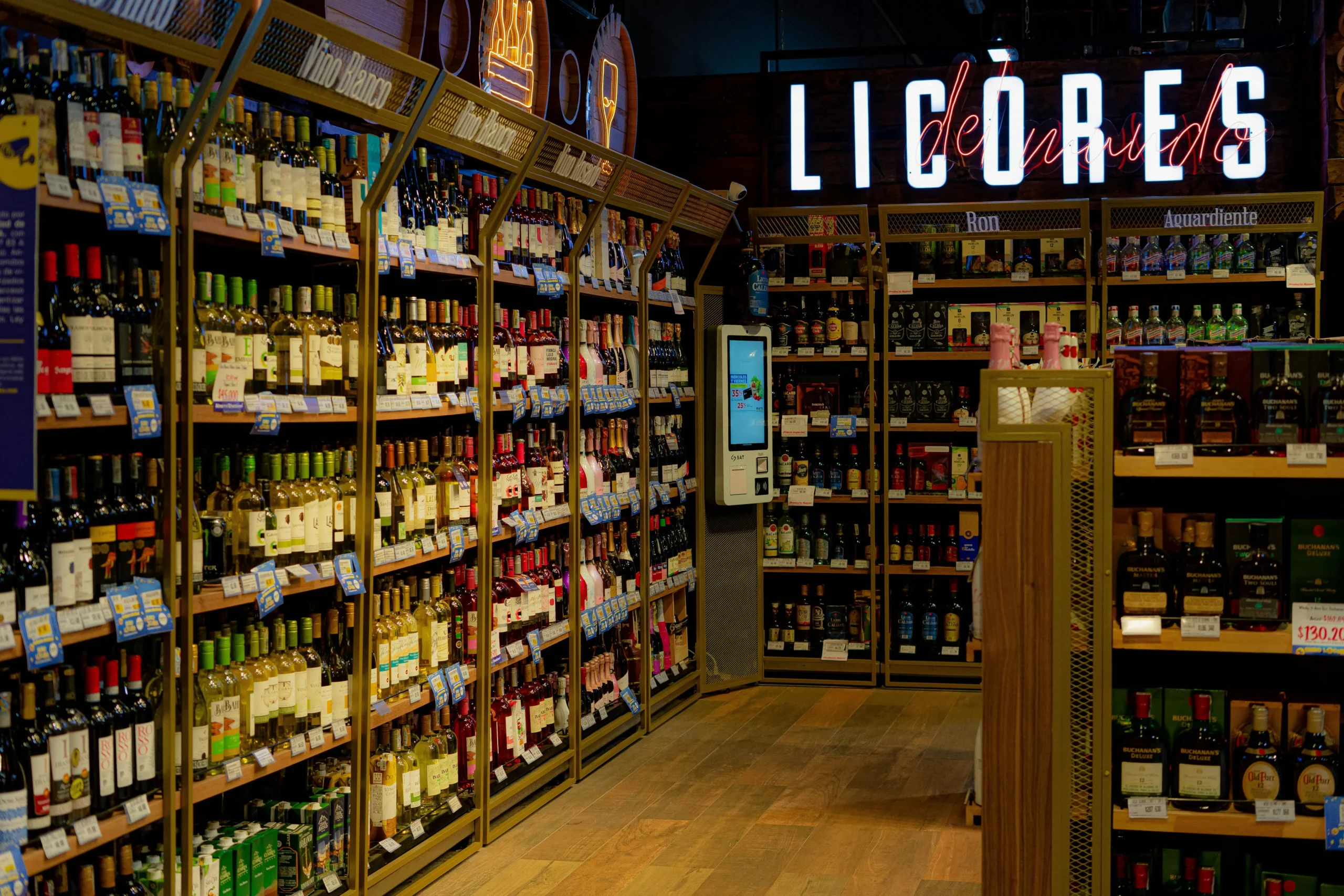
The New Face of Wine Retail
Wine retail has historically been a sensory-driven, personal experience. Consumers rely on taste, aroma, and expert recommendations before making a purchase, especially when exploring new varietals or higher-end selections. However, traditional wine sampling methods are inefficient, inconsistent, and prone to waste.
Intelligent dispensing systems solve many of these challenges. With climate-controlled storage, precise pour technology, and interactive digital interfaces, these systems modernize the in-store experience while optimizing operations behind the scenes. As the wine industry grows more competitive and consumer expectations rise, such systems offer a crucial advantage in wine retail.
What Are Intelligent Dispensing Systems?
At their core, intelligent dispensing systems are advanced machines that store, preserve, and dispense wine in controlled amounts—often by the ounce. They incorporate features such as:
- Preservation technology: These systems use inert gas (often nitrogen or argon) to preserve open bottles, preventing oxidation and keeping wine fresh for weeks.
- Portion control: Retailers can offer precise tasting amounts (1 oz, 3 oz, 5 oz, etc.), allowing for easy sampling and minimizing waste.
- Temperature control: Wines are kept at ideal serving temperatures, enhancing flavor and aroma.
- Digital interfaces: Customers can browse tasting notes, pairing suggestions, and vineyard information via touch screens.
- Payment integration: Self-service stations allow customers to pay per pour using preloaded cards or mobile apps.
These systems are particularly common in wine bars, upscale grocery stores, and boutique wine shops. However, they’re quickly gaining traction across all wine retail sectors due to their ability to enhance customer experience and drive sales.
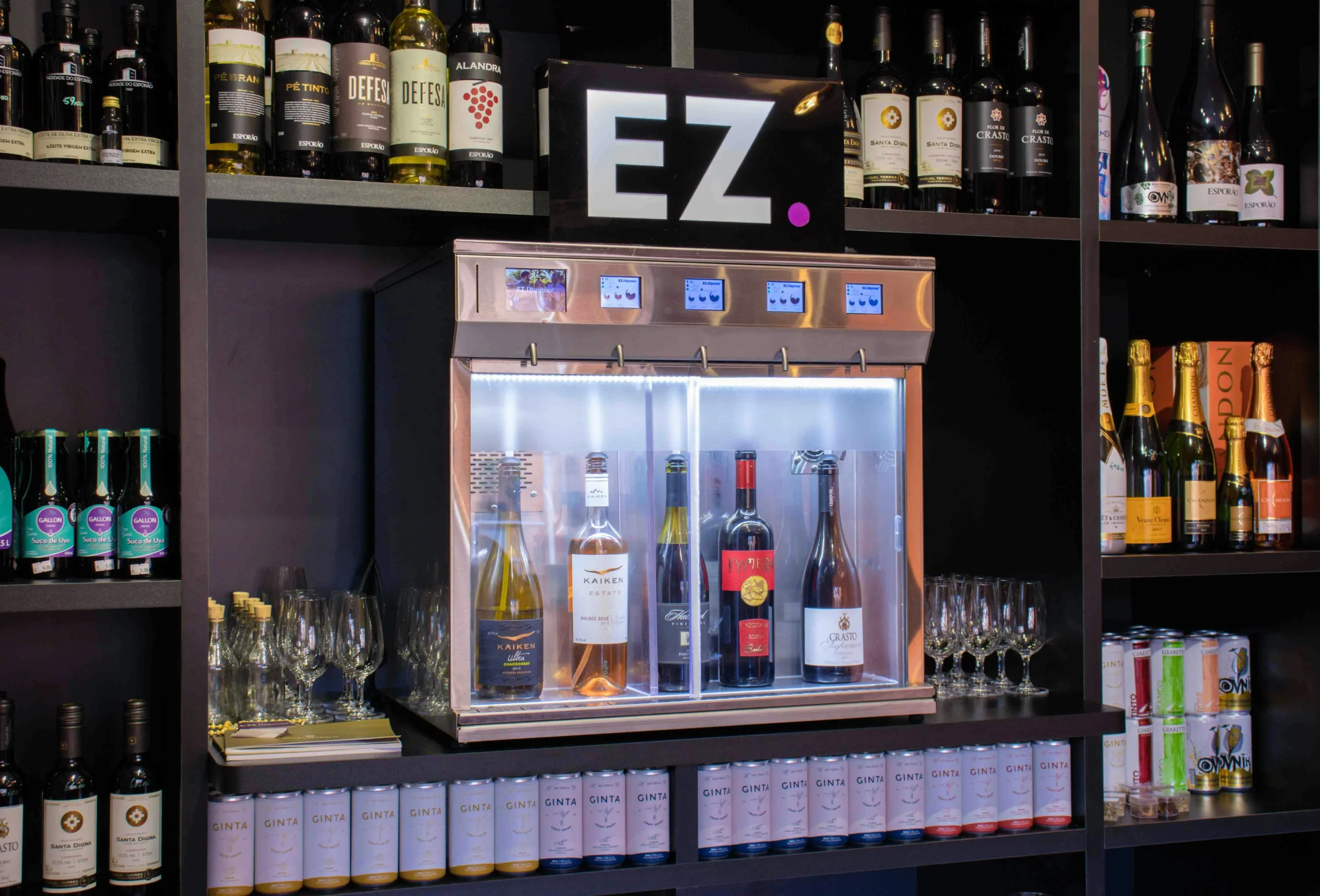
Enhancing Customer Experience in Wine Retail
One of the biggest advantages of intelligent dispensing systems is their impact on the customer journey. In traditional wine retail, most consumers can only browse labels or ask staff for suggestions—leaving room for uncertainty and buyer hesitation. Intelligent dispensers empower customers with a hands-on, sensory-rich experience.
Personalized Sampling
These systems enable wine lovers to try before they buy. Whether someone is curious about a bold red or a crisp white, they can sample multiple varietals in small pours without committing to a full bottle. This makes the experience more interactive and less intimidating for novice drinkers.
Educational Opportunities
Interactive displays offer tasting notes, winemaker bios, and food pairing tips. This enriches the experience, turning each visit into an educational journey. For the retailer, it’s a chance to deepen brand loyalty and position the store as a trusted resource.
Social Engagement
Some intelligent systems are designed for group tasting experiences, encouraging in-store events, wine clubs, and community building. Retailers can host wine flights or curated tasting sessions, increasing foot traffic and building a more vibrant brand presence.
Operational Benefits for Retailers
Beyond improving the customer experience, intelligent dispensing systems offer a range of operational benefits that directly impact the bottom line.
Reduced Waste and Spoilage
Wine is a perishable product, and once a bottle is opened, the clock starts ticking. Intelligent dispensers preserve open bottles for several weeks, dramatically reducing spoilage and ensuring each pour is as fresh as the first. This helps retailers save money and offer a more consistent product.
Data and Analytics
These systems collect data on which wines are most frequently sampled or purchased, what times of day customers are most active, and which products generate the most revenue. Retailers can use this data to adjust inventory, plan promotions, and tailor their marketing efforts more effectively.
Inventory Control
Because each pour is measured precisely, shrinkage due to over-pouring or theft is virtually eliminated. Retailers can track usage in real-time and forecast demand more accurately.
Labor Efficiency
With self-service capabilities, intelligent dispensing systems reduce the workload on sales staff. Employees can focus on more value-added services—like offering personalized recommendations or organizing events—while the machine handles routine tastings and sales.
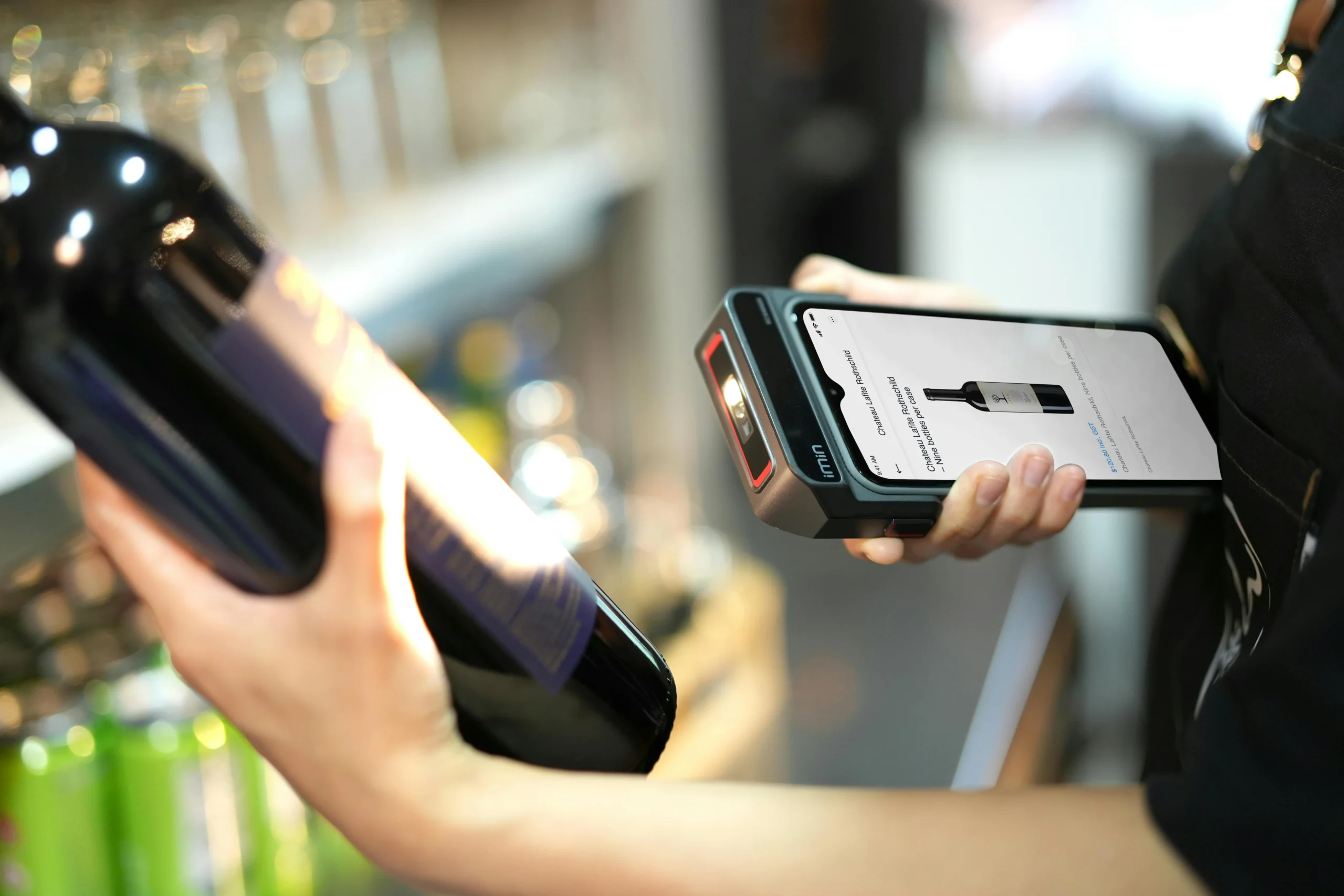
A Competitive Edge in a Crowded Market
Wine retail is a fiercely competitive space, with online sales, large chain stores, and direct-to-consumer options all vying for market share. Intelligent dispensing systems give brick-and-mortar stores a unique edge by providing an experience that can’t be replicated online.
Differentiation
Offering cutting-edge tasting technology signals innovation and attention to quality. It’s a powerful way to differentiate from competitors and create a premium atmosphere that justifies higher price points.
Upselling and Cross-Selling
Once customers taste and enjoy a wine, they are more likely to purchase a full bottle—and even add complementary items like cheeses, glassware, or gift sets. Many systems also recommend higher-end bottles based on what the customer has sampled, creating upsell opportunities.
Building Brand Loyalty
When customers associate your store with discovery, education, and great taste, they’re more likely to return. This builds long-term loyalty and supports word-of-mouth marketing—one of the most powerful tools in the wine industry.
Case Studies and Real-World Success
Many retailers have already seen significant success after implementing intelligent dispensing systems. For instance:
- Urban wine shops in cities like San Francisco and New York have reported a 20–30% increase in wine sales after integrating these systems.
- Grocery chains that feature in-store wine bars with sampling stations have seen an uptick in both wine and gourmet food purchases.
- Hotel retail boutiques have implemented these systems to offer luxury guests a curated experience that enhances their stay and drives on-site retail sales.
These case studies underscore the broad applicability and financial return of intelligent dispensing systems in wine retail.
Addressing Challenges and Considerations
Despite their many advantages, retailers should consider a few key factors when adopting intelligent dispensing technology.
Initial Investment
The upfront cost of purchasing and installing intelligent dispensers can be substantial. However, the long-term savings in waste reduction, increased sales, and customer loyalty often provide a solid return on investment.
Staff Training
Although these systems reduce some labor needs, employees still need training on machine use, troubleshooting, and how to integrate it into the overall customer experience. Staff engagement is critical to maximizing the system’s value.
Compliance and Licensing
Depending on the region, wine tasting and dispensing may be subject to alcohol laws that vary by state or country. Retailers must ensure compliance with all applicable licensing and consumption regulations.
The Future of Wine Retail
As consumer habits shift and the digital era continues to redefine in-person experiences, wine retailers must innovate to stay relevant. Intelligent dispensing systems offer a powerful tool to enhance service, engage customers, and operate more efficiently. They represent not just a trend, but a transformative approach to wine retail—one that combines tradition with technology for a better, smarter future.
By embracing these innovations, retailers can create immersive, educational, and enjoyable wine-buying experiences that keep customers coming back. In an industry where taste, trust, and experience are everything, intelligent wine dispensers are proving to be a game-changer.