
Moving a business can cause sales disruptions and weaken customer relationships. Small business owners must ensure a smooth transition to keep customers engaged and revenue steady. Without a strategy, businesses risk losing customer trust, experiencing financial losses, and damaging their brand reputation. A structured approach ensures that the move does not lead to lost sales or declining customer loyalty.
Businesses must focus on communication, marketing, and operational adjustments to relocate without losing customers. Keeping customers informed, maintaining product availability, and offering incentives will ease the transition. A move should be seen as an opportunity to strengthen customer relationships rather than a setback. With careful planning, businesses can relocate while maintaining customer loyalty and ensuring continued growth.

Table of Contents
Create a Relocation Plan That Protects Your Business
Businesses must have a relocationplan to prevent confusion and operational delays and relocate without losing customers. This plan must outline a timeline that includes key stages such as lease finalization, inventory movement, and marketing efforts. A well-thought-out plan helps prevent last-minute challenges that could impact customer experience.
Budgeting is essential to cover moving costs, setup expenses, and unexpected financial needs. Without financial preparation, businesses may struggle with hidden expenses, affecting cash flow. Creating a financial buffer ensures that relocation does not strain operations. Unexpected expenses can cause serious disruptions if not accounted for. Also, if you want a sustainable relocation, you can go the extra mile and hire a consultant.
Choosing the right location is crucial. The new site should be convenient for existing customers and attractive to potential ones. Before finalizing a location, a business should research foot traffic, competitor presence, and accessibility. If relocating too far, businesses must implement strategies to retain distant customers through online sales, delivery services, and targeted promotions.
Keep Customers in the Loop at Every Stage
Customers must be informed about the move well in advance. Clear communication reduces confusion and reassures customers that the business remains committed to serving them. Consistent updates across multiple channels are the best way to maintain customer trust.
Customers should know key dates through email newsletters, social media announcements, and in-store signage. Therefore, your business website should display a relocation notice on the homepage to ensure visibility. SMS alerts also provide a direct way to communicate important updates.
Creating an FAQ section on the website can address common concerns, such as the new store address, parking availability, and service changes. Customer service teams should be trained to answer questions effectively and handle concerns professionally. Personalized emails to loyal customers can also make them feel valued, increasing the chances of retention after the move.
Ensure a Smooth Transition During a Short-Notice Commercial Move
Relocating a business on short notice comes with logistical challenges, but with the right approach, disruptions can be minimized. Hiring professional movers can make a significant difference, as they specialize in safely transporting office furniture, equipment, and inventory. Whether packing, loading, or setting up at the new location, experienced movers can handle it efficiently, reducing downtime and allowing businesses to focus on operations. They also provide specialized services, such as secure transportation of sensitive documents, proper handling of fragile equipment, and efficient workspace setup to get your business up and running quickly.
At the same time, to prevent revenue loss, businesses should consider temporary solutions such as selling online, setting up a pop-up location, or using an alternative workspace. Effective inventory management is also crucial. Tracking stock ensures that key products remain available, preventing customer frustration and lost sales.
Before reopening, all operational systems, including payment processing and internet connectivity, should be tested to ensure a smooth transition. Training staff on new workflows and customer service adjustments will help maintain service quality. With careful planning and the support of skilled movers, businesses can quickly relocate while maintaining productivity and customer satisfaction.
Update Your Business Information Everywhere
Failing to update business details can lead to lost sales and frustrated customers. Address changes should be reflected on Google My Business, Yelp, social media pages, and the company website. Incorrect details can mislead customers, reducing trust and credibility.
Businesses should also inform banks, suppliers, and vendors about the move to avoid disruptions in financial transactions and inventory deliveries. Updating business cards, packaging, and receipts ensures a seamless transition. Businesses should also streamline workflow after relocation to get back on track quickly and not waste time.
Local advertising helps inform nearby customers about the new location. Geo-targeted online ads and flyers distributed in the surrounding area can attract new customers. The goal is to ensure customers can easily find the new store without confusion.

Use Marketing to Excite Customers About the Move
A relocation should not be a quiet event. Instead, businesses should generate excitement through a marketing campaign. Customers are more likely to stay engaged if they see the move as a positive change rather than an inconvenience.
Behind-the-scenes content can create anticipation. For example, posting images of the new store setup on social media builds curiosity. Video tours or live streams can give customers a preview of the new space. The more involved customers feel, the more likely they will visit the new location.
Offering exclusive discounts and early-bird promotions encourages customers to visit the new store. A grand reopening event can attract foot traffic, such as free samples, giveaways, or live demonstrations. Partnering with local influencers or community groups helps spread awareness quickly.
Relocate Without Losing Customers: Offer Incentives to Keep Customers Coming Back
Customers need motivation to continue shopping after a relocation. Special promotions and loyalty rewards can ease the transition and prevent them from turning to competitors. Businesses should also offer limited-time discounts for returning customers.
Loyalty programs should be transferred seamlessly to the new location. Customers should not feel that they have lost accumulated points or benefits. Free delivery services for existing customers in the previous area can also encourage continued purchases.
Referral bonuses can help generate new business. Customers who bring friends to the new location can receive discounts or special rewards—offering small thank-you gifts to customers who visit after the move reinforces appreciation and strengthens loyalty.
Strengthen Customer Relationships Post-Move
Relocation is not just about maintaining customers—it’s about building stronger connections. Following up with customers through email or social media messages shows appreciation for their support. Personalized communication makes customers feel valued.
Considering this, businesses should send special offers to past customers and invite them to visit the new location. Providing a feedback survey helps identify areas for improvement. Customers appreciate it when businesses take their input seriously.
Hosting local events can create a sense of community. Offering in-store demonstrations, networking events, or exclusive product previews keeps engagement high. After moving, businesses that continue to invest in customer relationships will experience long-term benefits.
Delivering outstanding service ensures that customers remain loyal. Friendly staff, quick response times, and consistent communication make the transition smoother. A business should use the move as a chance to improve overall customer experience.

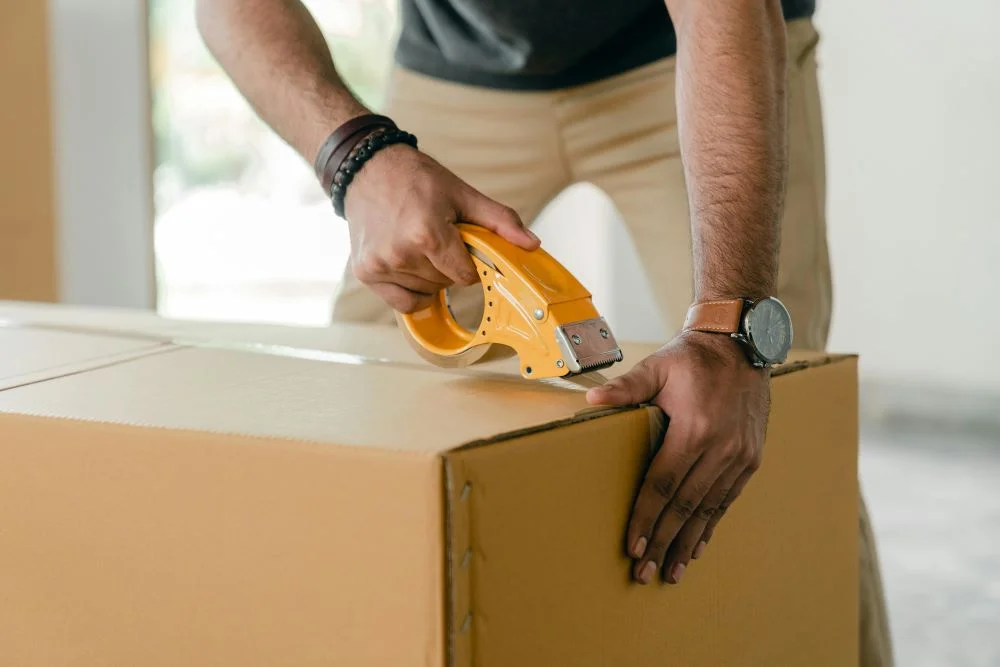
(Photo by Artem Beliaikin from Pexels)
Make Your Business Relocation a Success
A well-planned move helps businesses relocate without losing customers and ensures continued success. Clear communication, strong marketing, and a seamless operational transition keep customers engaged. Strategic incentives encourage customers to visit the new location and remain loyal.
Relocation should be seen as a chance for growth rather than a risk. With the right approach, businesses can strengthen customer relationships, attract new buyers, and boost sales. A new location brings fresh opportunities, making the transition beneficial for both the business and its customers.
