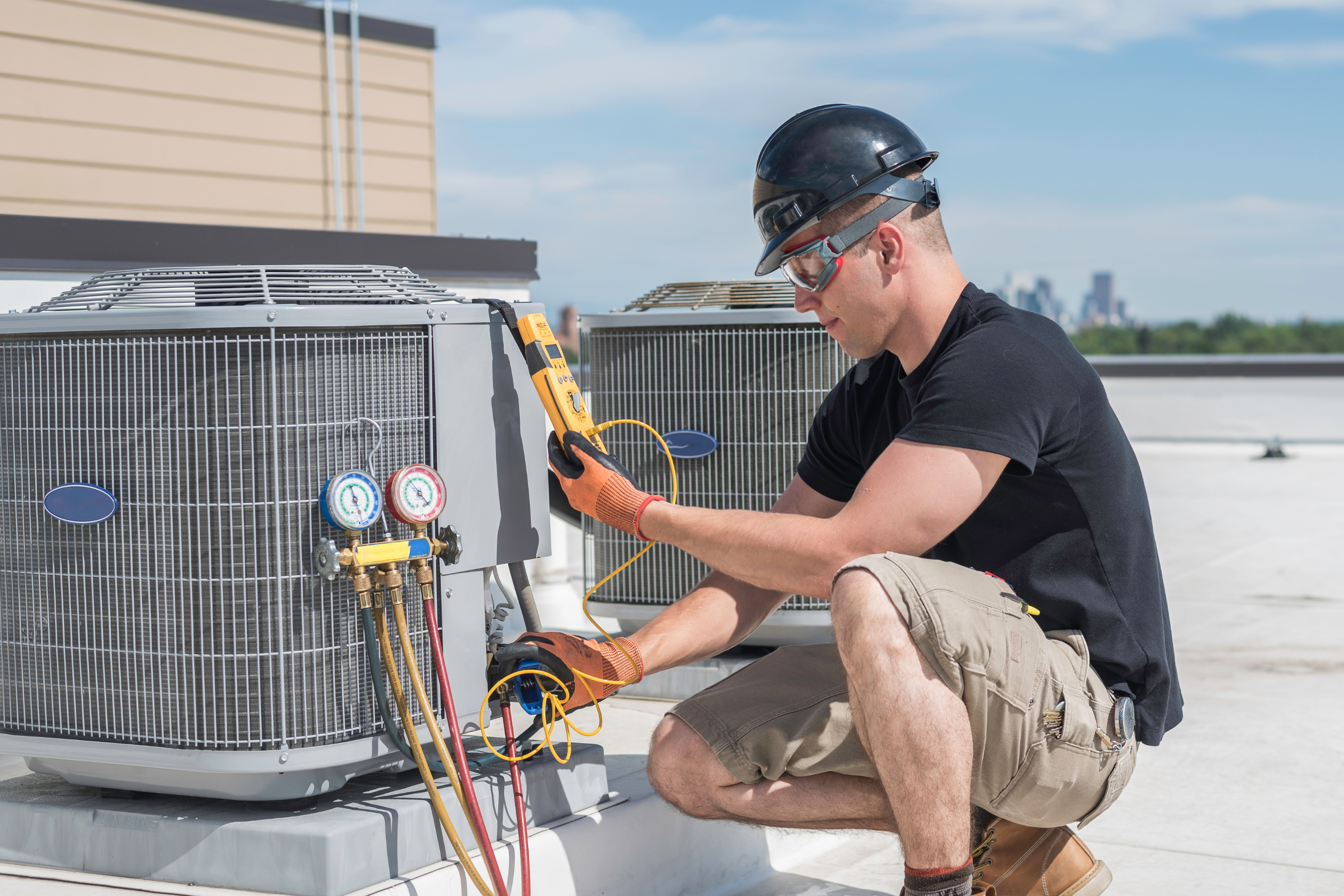
Technology continues to drive innovation, and industrial heaters are no exception. As industries strive for greater efficiency, sustainability, and cost-effectiveness, the development of industrial heating systems has become more advanced than ever before. From energy-efficient designs to smarter control systems, modern industrial heaters are incorporating cutting-edge technologies that promise to revolutionize how industries manage heat. As energy demands grow, the focus on minimizing waste and maximizing performance has spurred the rise of automation, predictive maintenance, and smart energy management solutions.
In this post, we will explore the key technological trends shaping the future of industrial heater development and how these innovations are helping businesses meet the challenges of the 21st century. Let’s get started.
Table of Contents
Energy Efficiency and Sustainability in Industrial Heaters
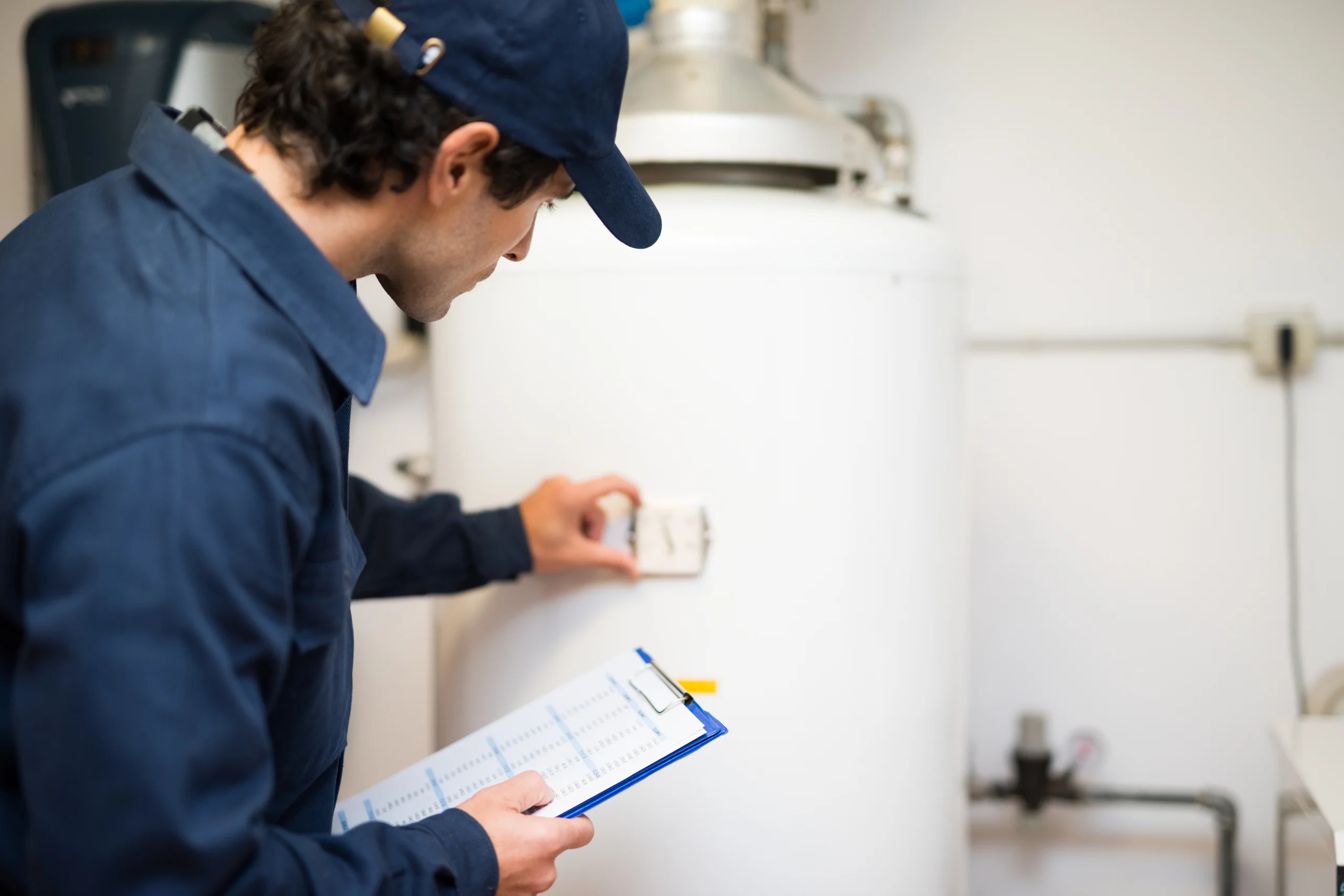
The growing demand for sustainable practices has significantly influenced the development of industrial heaters, pushing manufacturers to prioritize energy efficiency. New advancements focus on reducing energy consumption while maintaining high performance. Modern industrial heaters incorporate improved insulation materials and more precise temperature control systems, helping to minimize energy waste.
Manufacturers are also adopting eco-friendly refrigerants and innovative heat recovery systems that capture and reuse excess heat. These measures not only reduce operational costs but also contribute to a greener future. Industries are increasingly seeking energy-efficient solutions that meet both environmental standards and bottom-line expectations. This shift toward sustainability is pushing the limits of what industrial heaters can achieve, making them more efficient than ever before.
Flameless Heaters: A Safe and Efficient Solution
Flameless heaters have become increasingly popular in industries where safety and efficiency are paramount. These heaters are designed to eliminate the risks associated with traditional open-flame heating methods. Flameless technology operates by heating surfaces instead of using exposed flames, providing a safer and more controlled environment.
This is particularly beneficial in hazardous areas where the presence of combustible materials or gases could lead to dangerous situations. For instance, as highlighted by the team behind Cahill Heating Rentals, you can rent industrial flameless heaters that are ideal for temporary heating in critical environments. These heaters also reduce the need for constant supervision, making them a practical solution for businesses that need reliable, low-risk heating options.
Smart Technologies and Automation in Heating Systems
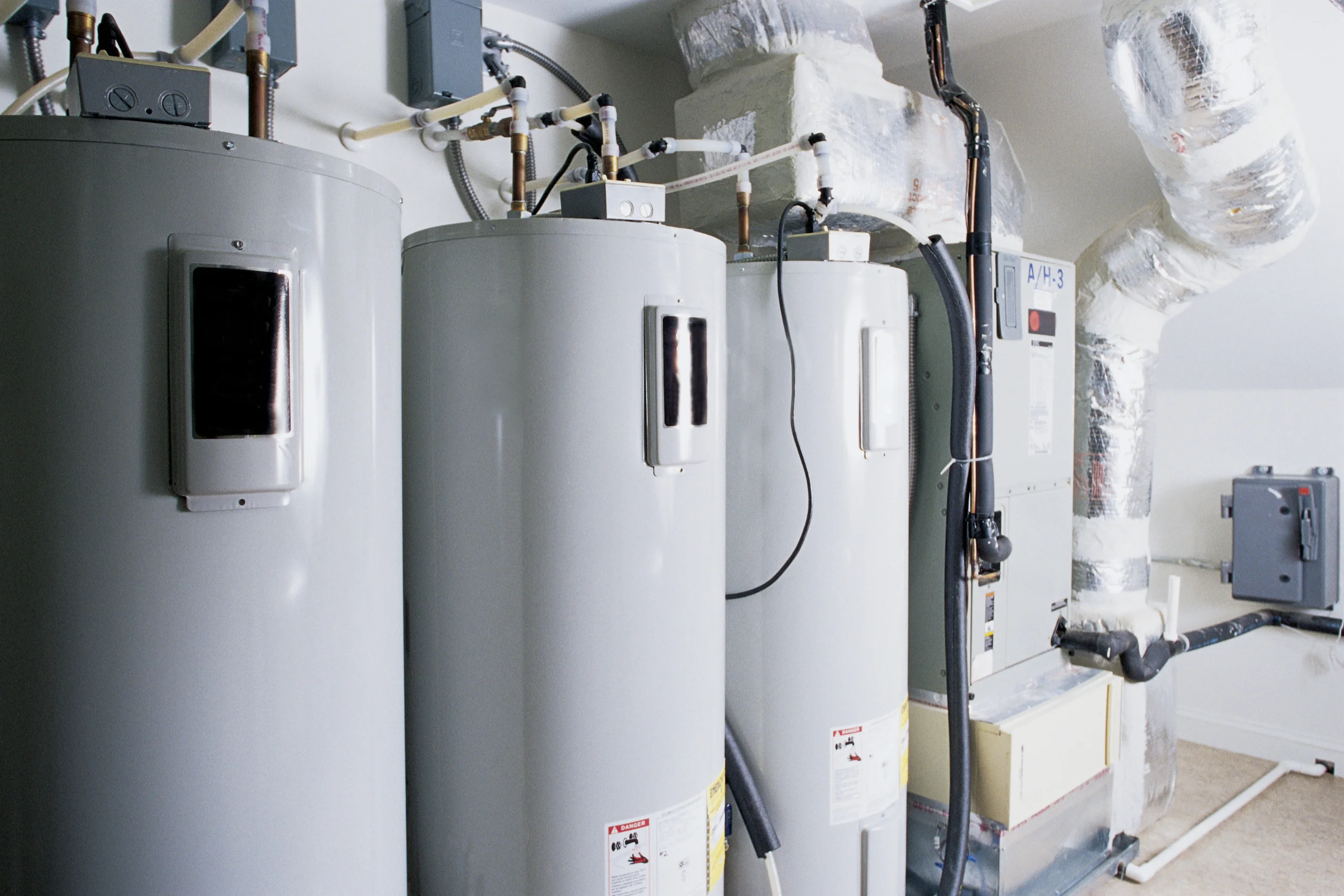
Automation is transforming how industrial heaters operate, with smart technologies enhancing the precision and control of heating systems. These advancements allow for real-time monitoring, remote adjustments, and predictive maintenance, ensuring that heaters perform at optimal levels. By integrating Internet of Things (IoT) devices and advanced sensors, manufacturers can develop heaters that automatically adjust their output to match changing operational conditions.
This level of automation not only improves energy efficiency but also reduces the likelihood of equipment failures. For instance, advanced sensors can detect issues early, allowing for proactive maintenance before problems lead to costly downtime. As these systems evolve, industrial heaters are becoming more autonomous, requiring less manual intervention while offering better performance.
Advanced Materials for Durability and Performance
The choice of materials plays a crucial role in the durability and performance of industrial heaters. New developments in high-performance alloys and coatings have led to heaters that can withstand extreme temperatures and harsh conditions without deteriorating. These advanced materials are designed to enhance heat resistance, reduce corrosion, and extend the lifespan of heating elements.
Some materials now also offer self-cleaning properties or resistance to scaling, reducing maintenance requirements. The use of these durable materials not only improves the longevity of industrial heaters but also ensures that they continue to operate efficiently over extended periods, even in the most demanding environments. As technology advances, the durability and reliability of industrial heaters continue to improve.
Integration of Renewable Energy Sources in Industrial Heating
With the growing focus on renewable energy, integrating these sources into industrial heating systems is becoming more common. Solar, geothermal, and wind energy are increasingly being harnessed to power industrial heaters, helping to reduce reliance on fossil fuels. Solar thermal systems, for example, can provide a significant portion of the energy needed for heating applications, especially in regions with high solar exposure.
Geothermal heating systems use the Earth’s natural heat to provide consistent and sustainable warmth for industrial processes. By incorporating renewable energy, industries can cut energy costs and improve their sustainability profiles, all while reducing their carbon footprint. These integrations are paving the way for a future where industrial heaters are both environmentally friendly and cost-effective.
Enhanced Control Systems for Precision and Flexibility
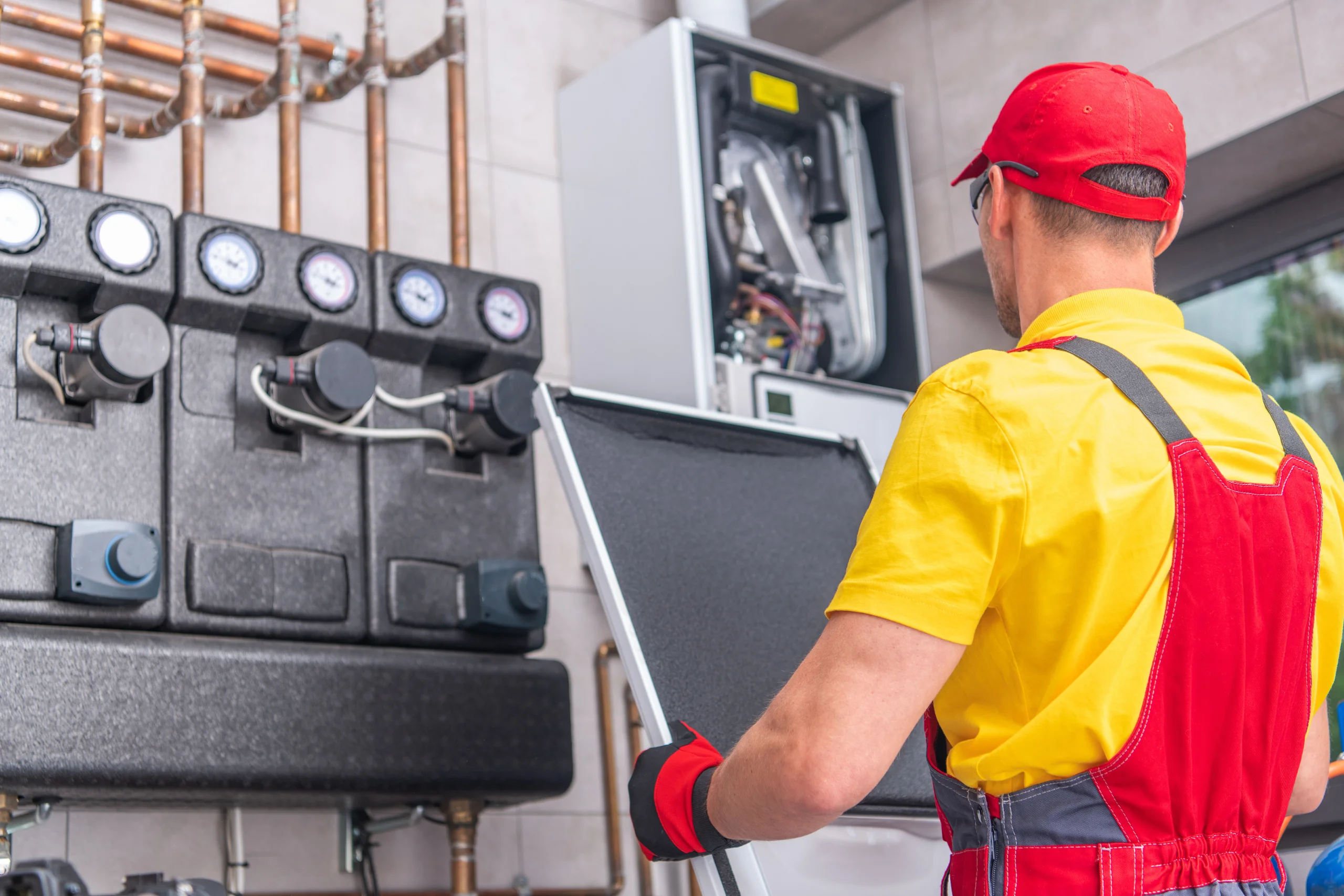
The development of sophisticated control systems has revolutionized industrial heating by offering greater precision and flexibility. Modern industrial heaters are equipped with advanced control mechanisms that allow operators to fine-tune temperature settings, flow rates, and heating times with unprecedented accuracy. These systems enable better energy management, ensuring that heating processes are optimized based on real-time data.
The introduction of programmable logic controllers (PLCs) and user-friendly interfaces has made it easier for workers to manage complex heating operations, enhancing both productivity and safety. With the ability to adjust settings on the fly, industries can achieve greater consistency in product quality while reducing energy waste. These control systems are becoming increasingly integral to the development of smarter, more adaptable heating solutions.
The advancements in industrial heater technology are reshaping how industries approach heating solutions, blending efficiency, safety, and sustainability. Trends such as energy-efficient designs, smart automation, and the integration of renewable energy sources are helping businesses achieve operational excellence while minimizing environmental impact. Innovations like flameless heaters and enhanced control systems provide both flexibility and precision, addressing industry-specific challenges. By adopting these cutting-edge technologies, businesses can reduce costs, improve safety, and meet increasingly stringent environmental regulations.