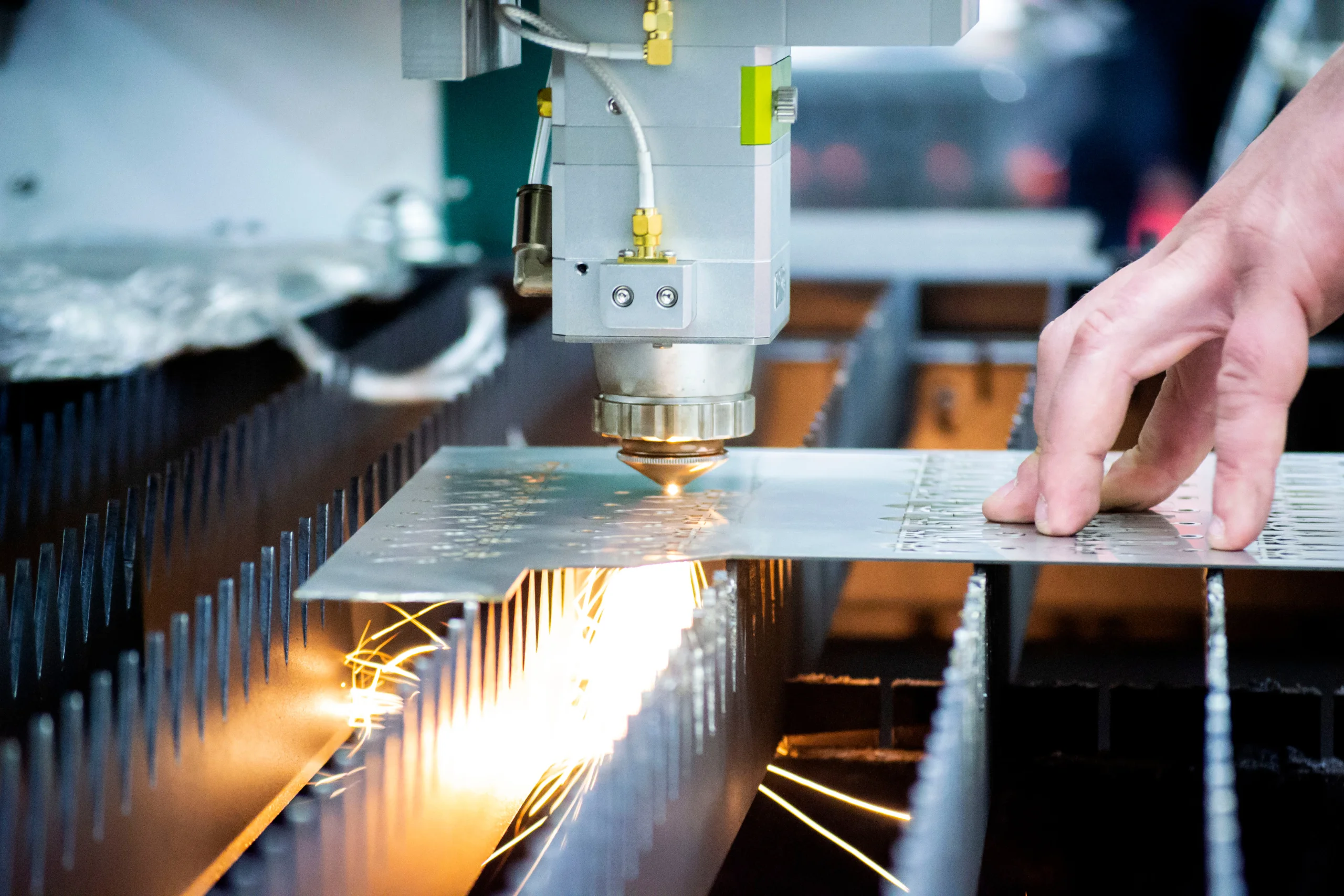
Effective sheet metal fabrication designs require careful planning of material thickness, bend allowances, and tolerances. Complex designs can be simplified to reduce production costs and improve manufacturability. Consider the material’s properties and optimize for strength, durability, and flexibility. Precision measurements and collaboration with fabricators ensure efficient, high-quality results in the final product.
Table of Contents
Understanding the Basics of Sheet Metal Fabrication
Sheet metal fabrication is crucial in various industries, including construction, automotive, aerospace, and consumer electronics. If you’re interested in finding professionals to assist with your project, consider searching for sheet metal fabrication near me. This process involves cutting, bending, and assembling thin metal sheets into different shapes and sizes, creating structures and components tailored to specific needs.
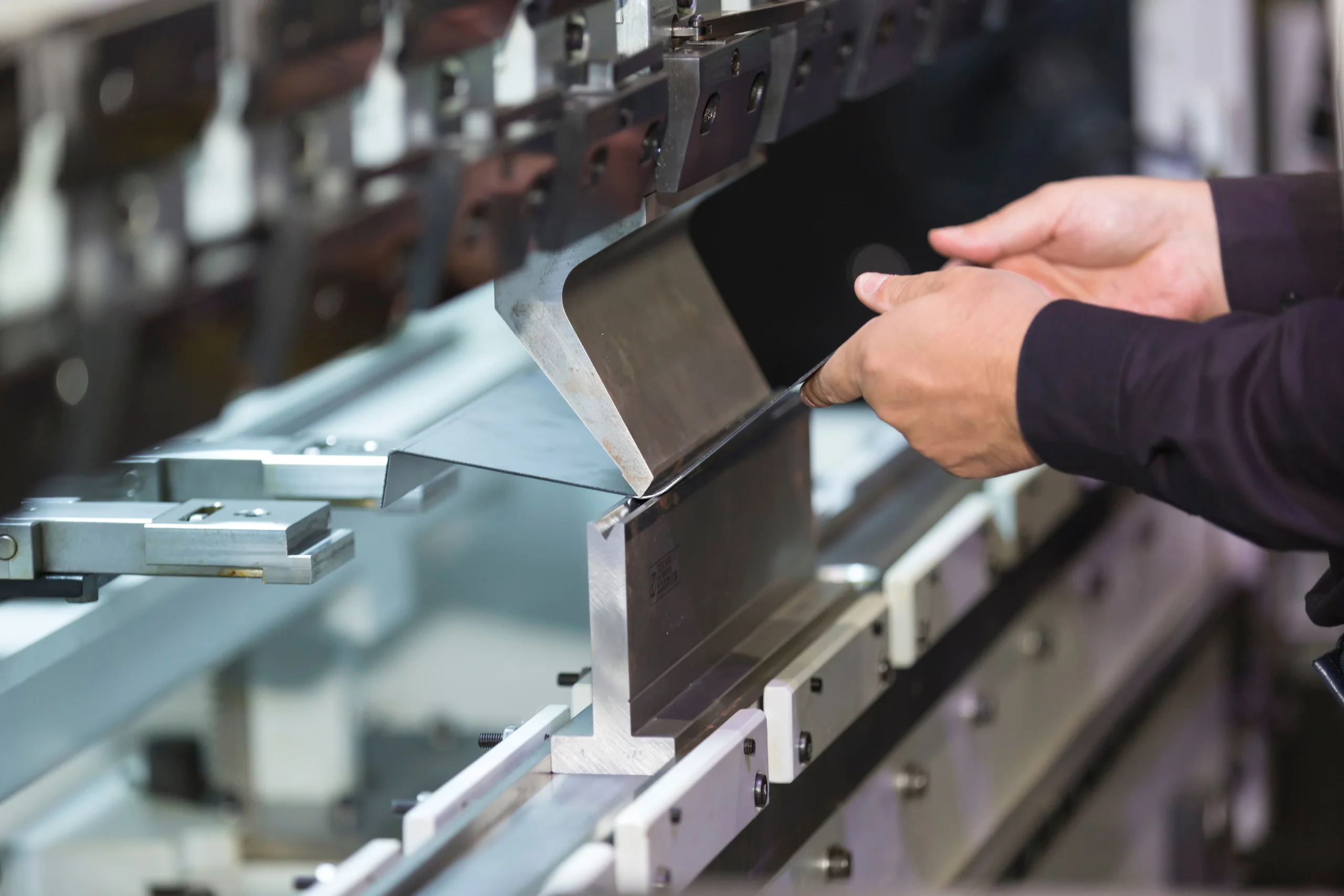
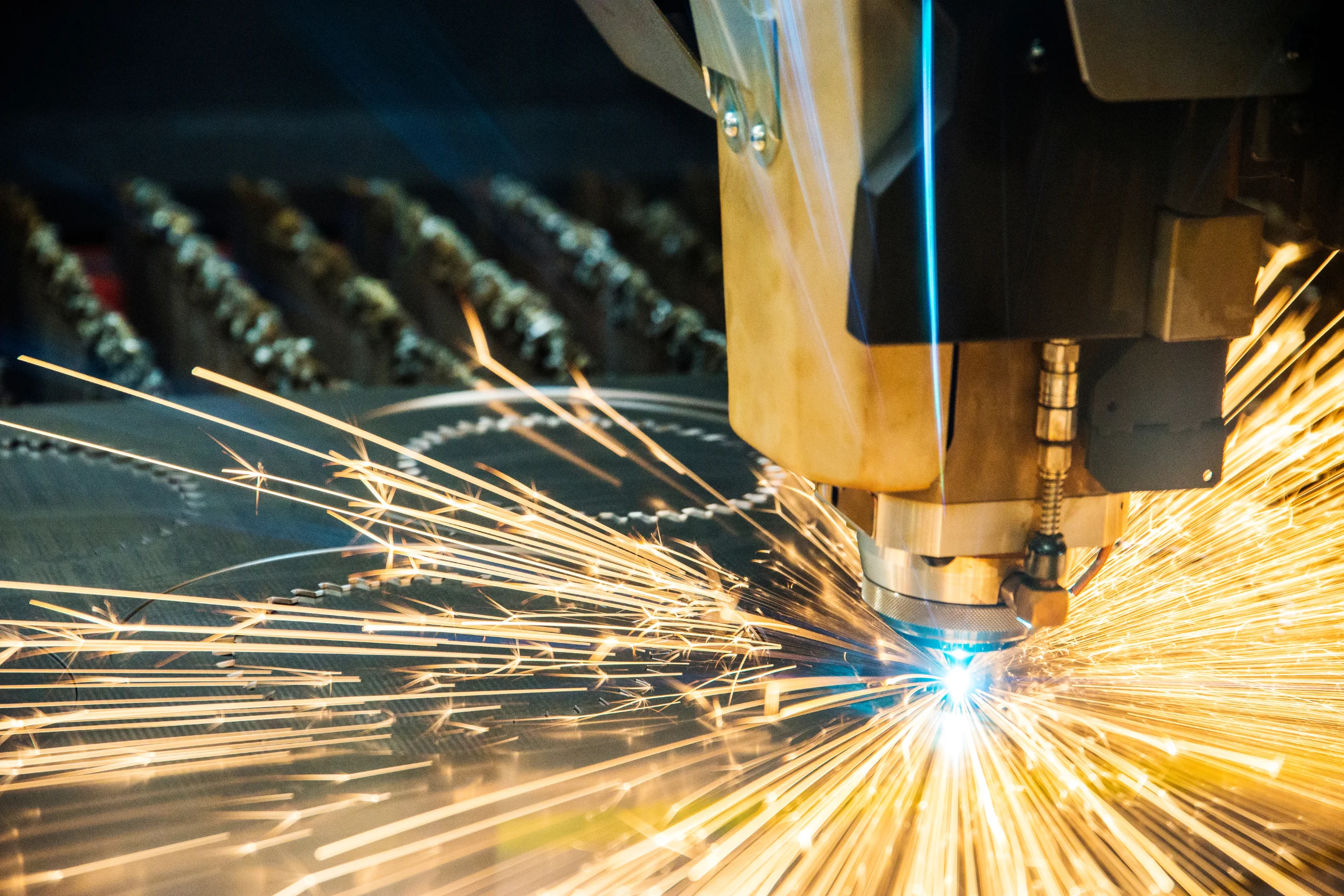
Sheet metal fabrication involves understanding basic materials and techniques like stainless steel, aluminum, and copper. These materials offer unique properties suitable for various applications, from kitchen appliances to aircraft parts. Familiarity with fundamental fabrication techniques like laser cutting, plasma cutting, and waterjet cutting ensures the precise shaping of metal sheets. Bending techniques like press braking and roll bending create complex angles and curves. Welding is essential for joining metal pieces to form durable structures. Mastering these techniques leads to successful fabrication projects.
Choosing the Right Material for Your Project
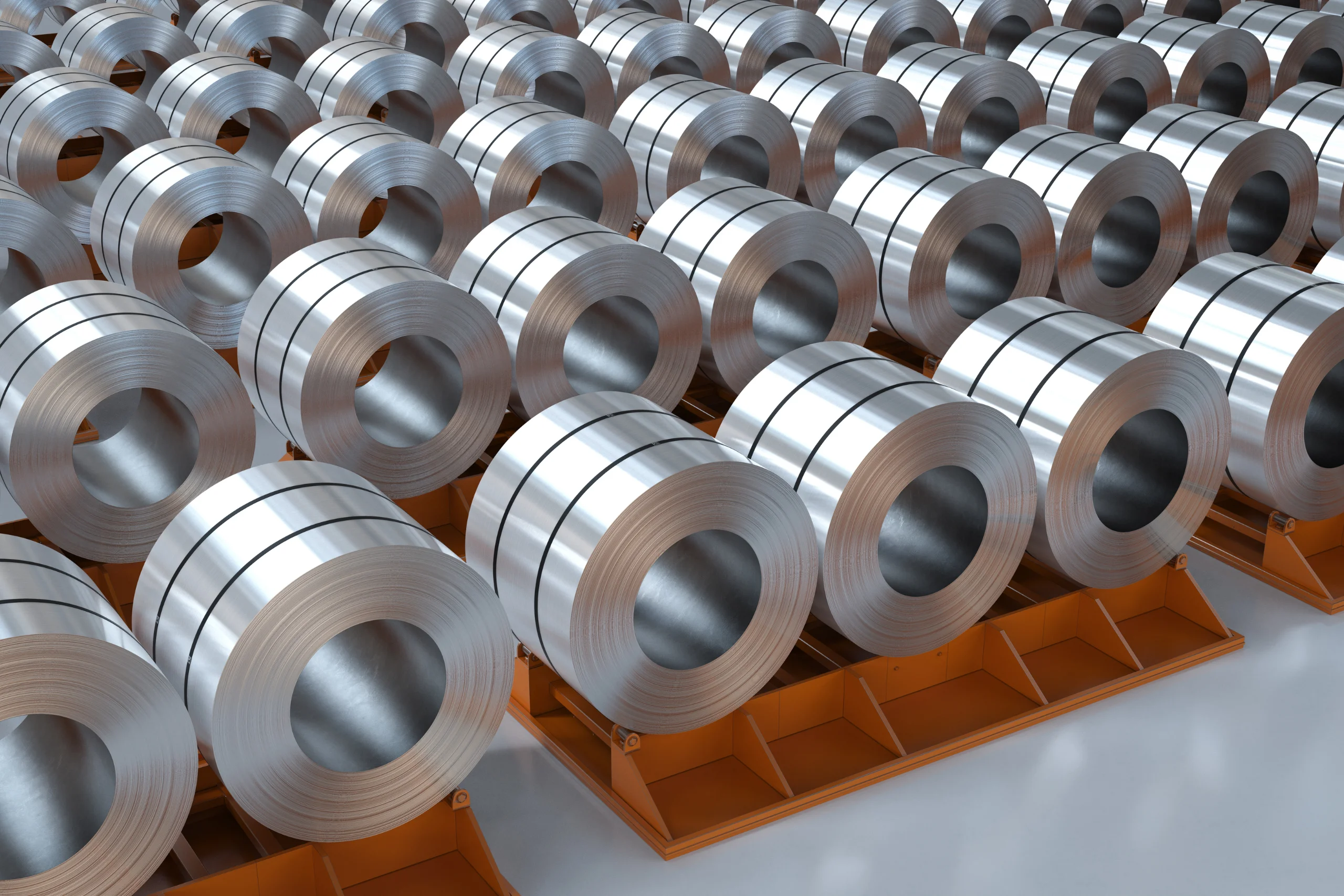
The choice of sheet metal material is crucial for a product’s performance and longevity. Factors like durability, flexibility, and environmental resistance are considered. For instance, stainless steel is ideal for moisture-sensitive environments, while aluminum is lightweight for aerospace and automotive industries. Copper is used in electrical components and wiring, and its aesthetic appeal makes it popular for decorative elements. Understanding the properties of each material helps in informed decision-making, aligning with the project’s requirements and intended use. Metal Supermarkets research provides insights into the differences between steel and stainless steel.
Design Considerations for Effective Sheet Metal Fabrication
Sheet metal fabrication requires effective design to ensure functionality, manufacturability, and structural integrity. Factors like tolerance levels, bend radiuses, and allowances should be considered to avoid complications. By producing intricate 3D models of the product, computer-aided design (CAD) software may improve the design process and enable viewing and modification before manufacturing. Aligning the design with available fabrication techniques and equipment, such as specialized tools, can streamline manufacturing and minimize errors. The Fabricator provides a comprehensive guide on sheet metal design, guiding designers to create successful and efficient designs.
Investing in Quality Tools and Equipment
Investing in high-quality machinery like CNC machines, laser cutters, and press brakes is crucial for achieving quality results in sheet metal fabrication. These machines allow for automated cutting, drilling, and shaping of metal sheets, ensuring consistent results with minimal human intervention. Laser cutters offer high precision for intricate designs, while press brakes enable precise bending of metal sheets into various angles. Deburring machines and surface finishers are essential for refining the final product, ensuring a smooth and safe surface. Fabricators can streamline processes, reduce errors, and produce high-quality sheet metal products by investing in these tools.
Ensuring Accurate Measurements
Accurate measurements are crucial for successful sheet metal projects, as even slight deviations can lead to misaligned parts, compromised structural integrity, and wasted materials. Fabricators use digital calipers, laser devices, and micrometers for precise measurements. Regular calibration and proper measurement techniques are essential for maintaining accuracy. Prioritizing accurate measurements ensures seamless component fit, producing a high-quality final product.
Importance of Prototyping
Prototyping is a crucial step in sheet metal fabrication, allowing for testing and refinement before mass production. Rapid prototyping techniques like 3D printing have revolutionized this process, creating tangible models that closely resemble the final product. This expedites testing and allows stakeholders to assess the design in real time. Prototyping ensures product functionality, fit, and aesthetics, gathers valuable feedback, and prevents costly revisions. Fabricators can ensure the final product meets desired quality and performance standards by addressing issues during the prototyping phase.
Surface Finishing Techniques
The surface finish of sheet metal products is crucial for aesthetics and functionality. Different finishing techniques offer benefits such as enhancing visual appeal and providing protective coatings. Powder coating is a popular method, resulting in a durable, attractive finish resistant to wear and corrosion. Anodizing improves wear characteristics and corrosion resistance by thickening the natural oxide layer. On the other hand, electroplating enhances the look and protects the metal surface by applying a thin layer of a different metal, such as zinc, nickel, or chrome. Fabricators may achieve thermistors that achieve the ideal balance between acting the appropriate finishing method.
Adhering to Safety Standards and Regulations
Strict safety precautions are needed while fabricating sheet metal, including appropriate training, routine maintenance, and PPE usage. The Occupational Safety and Health Administration (OSHA) provides guidelines for workplace safety, and frequent audits, staff training, and well-defined procedures may reduce them. The facility’s design and layout, including proper ventilation, lighting, and organized workflows, also contribute to a safe working environment. Prioritizing safety fosters a culture of accountability, enhancing productivity and employee satisfaction.
Conclusion
In summary, successful sheet metal fabrication hinges on understanding materials and techniques, rigorous design considerations, and adherence to safety standards. Fabricators can create high-quality, functional sheet metal products by investing in quality tools, ensuring accurate measurements, and utilizing effective finishing techniques. Whether a hobbyist or an industry professional, these tips can help enhance your sheet metal fabrication projects and ensure successful outcomes.