

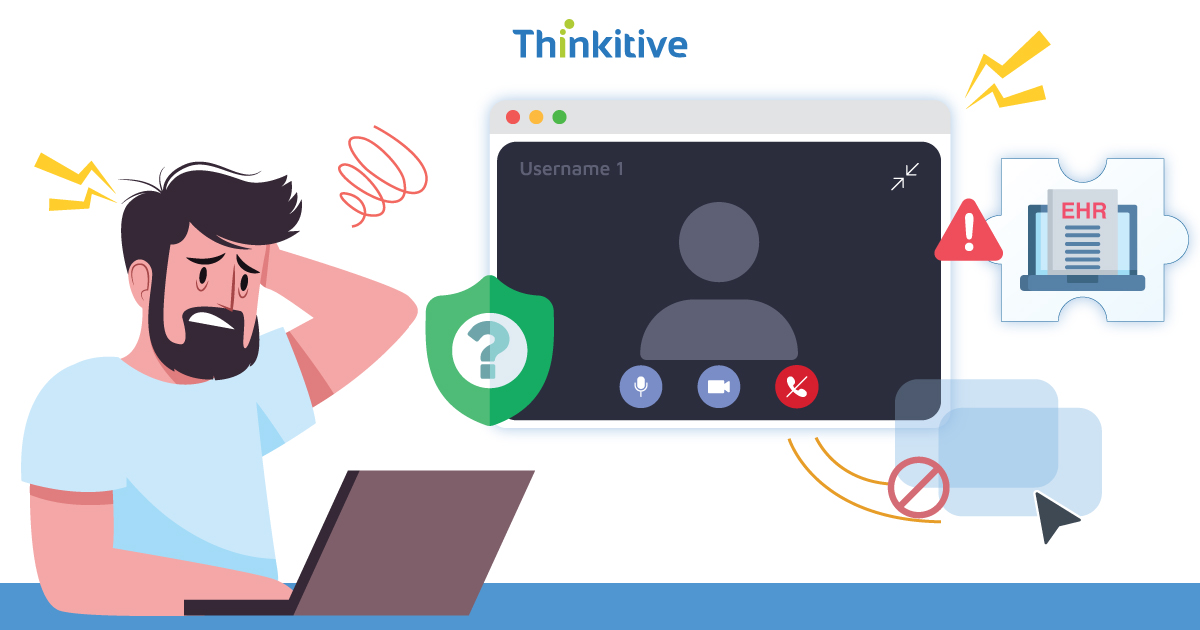
When you hit the market in search of telemedicine software, then you will probably get two choices: either off-the-shelf telemedicine software or custom telemedicine software. As a healthcare provider, off-the-shelf software can be readily available to get you started with providing services.
However, there is a problem with every off-the-shelf healthcare software. Since it is pre-built and designed to function in one particular way, you just have enough freedom to provide virtual healthcare services.
These challenges include disrupted clinical workflow, limited access to features, and limited scalability and flexibility. This is why custom healthcare software development has recently become a norm in the healthcare industry.
Table of Contents
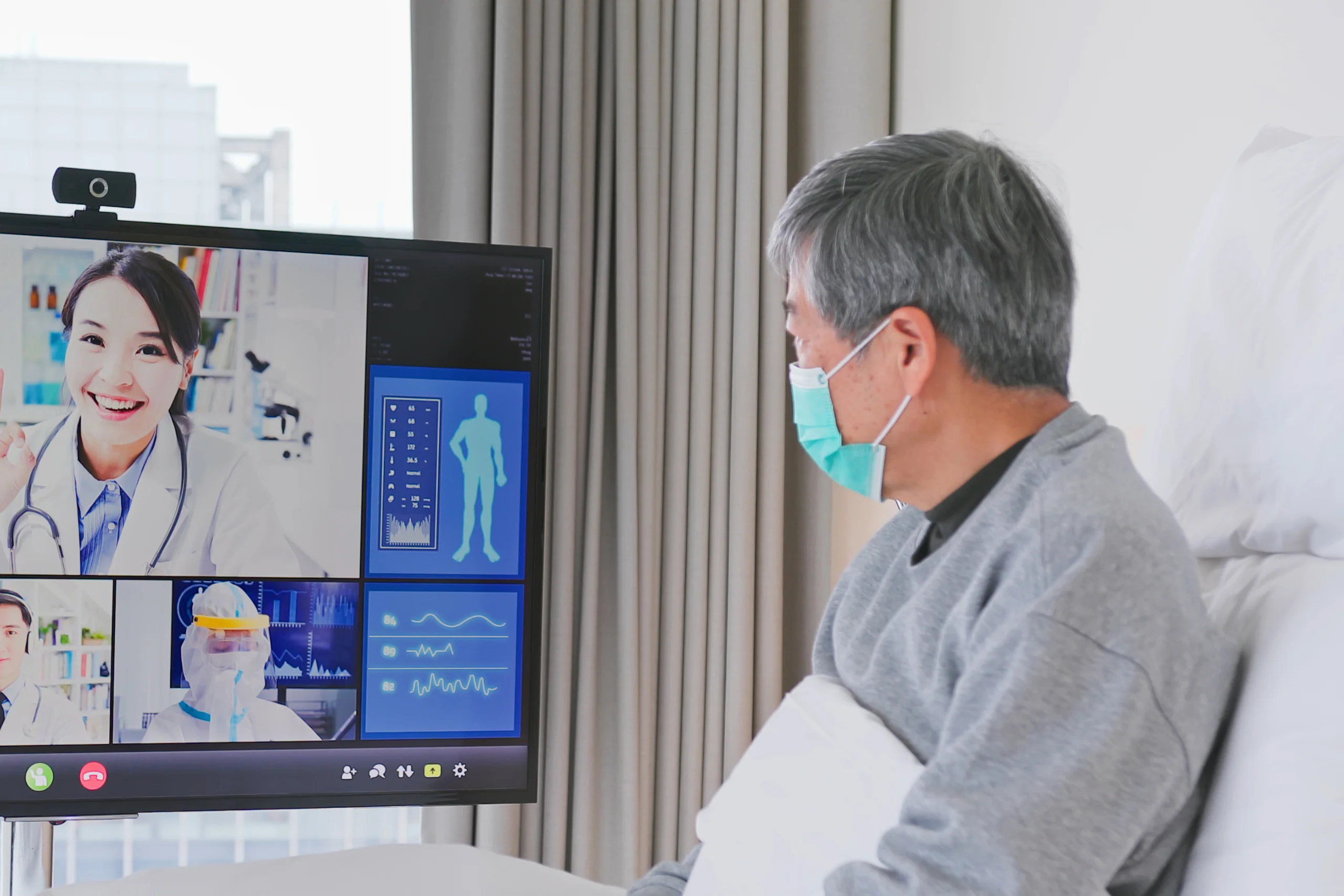
To help you understand this trend better, let’s see the common challenges faced by healthcare providers using off-the-shelf telemedicine software and how custom telemedicine software development can help you overcome that efficiently and effectively.
Limited Customization & Flexibility
The lack of customization and flexibility an off-the-shelf software offers to a healthcare organization is one of the major limitations. Since every healthcare practice is unique and works in a way which is different from other practices, it requires a certain clinical workflow and given the geographical region, even the regulations.
An off-the-shelf telemedicine software solution has all the features, workflows and other aspects of virtual care delivery pre-defined. This makes it difficult for the healthcare practice to adapt to the workflow set by the software.
Whereas, on the other hand a tailored telemedicine platform allows you to customize the software the way you want to improve your operational efficiency and also give your patients an elevated experience all together. That is why it is always important to check if the software suits your practice and aligns perfectly with the workflow or not.
Along with that, an off-the-shelf software makes it difficult to accommodate the future growth and changes due to the lack of flexibility. For instance, if your software allows only to enroll, let’s say 2000 patients then what would happen if your patient population increases?
To accommodate the future growth and changes that are required for the practice, a custom telemedicine software comes up as a suitable option.
Integration Challenges
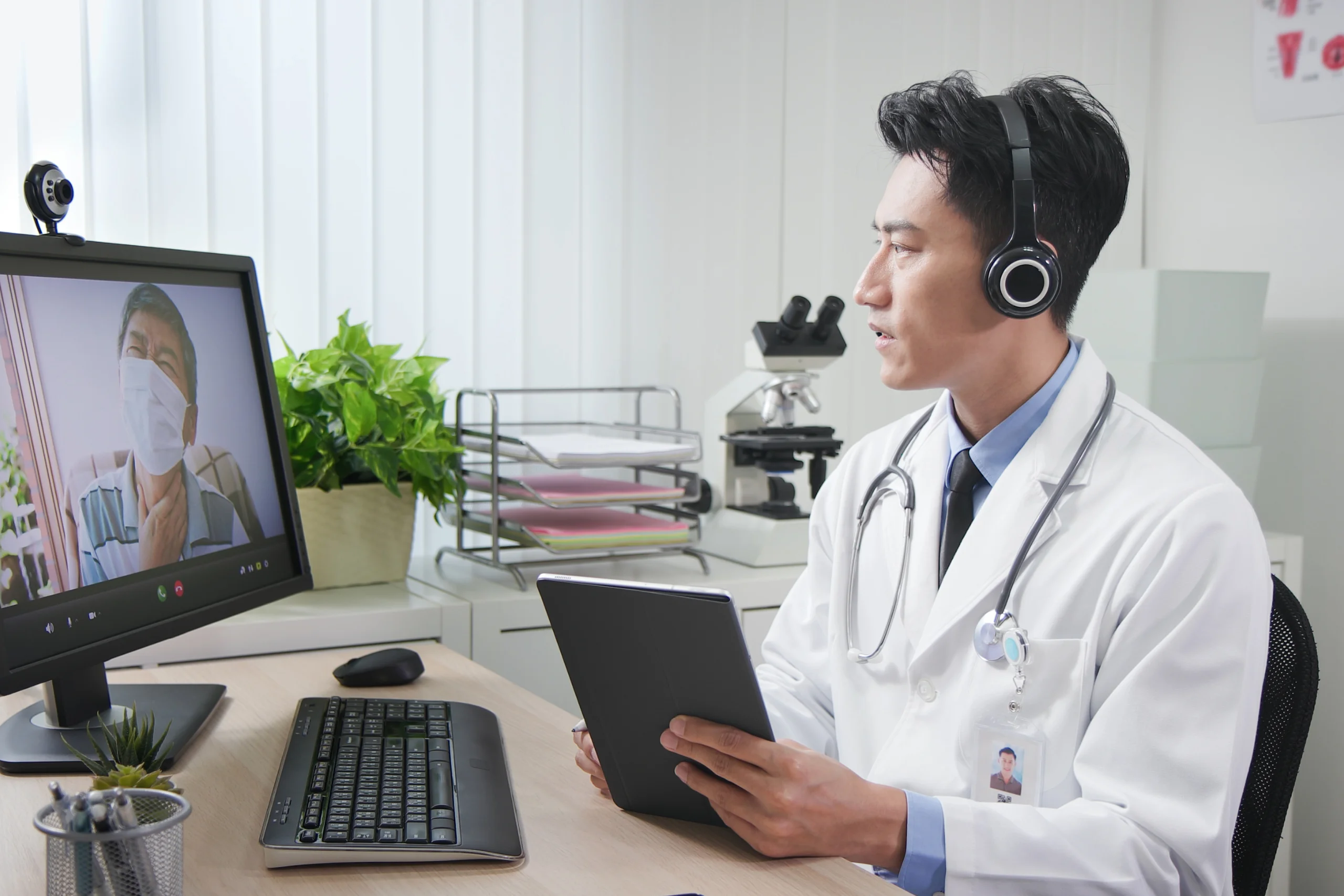
Another challenge that many healthcare providers face when using off-the-shelf telemedicine software is its integration with other systems. For instance, it is quite hard for off-the-shelf telemedicine software to integrate with your electronic health records systems, remote patient monitoring integration, or Artificial Intelligence integration.
Furthermore, being unable to successfully integrate the system with the telemedicine software can lead to data silos, inefficiencies, and other care gaps. However, with a customizable telehealth solution, integration can easily be achieved since there are hardly any compatibility and flexibility issues. Along with that, with custom telemedicine software development, you can ensure a comprehensive and well-coordinated approach to patients, leading to better results.
The importance of seamless integration lies in the improvement in patient data where there are less errors and the care is delivered on time without any delays.
Data Security & Privacy Concerns
If you’re using an off-the-shelf telemedicine software then you are likely to be at a high risk of data breaches and privacy violations. Since the software is generally developed to be accommodated with any healthcare practice, the lack of customization, limited control, data exposure, third-party access and dependency on vendors puts your data at a risk of theft or attacks.
On the other hand, with a custom telemedicine software development the security of the software can be amplified with unique customizations, complete control of the platform and adherence to the necessary compliances such as HIPAA, HITECH Act, GDPR, etc.
Furthermore, as a healthcare provider it is important for you to protect your patient data since it not only reveals a lot if not almost everything about your healthcare practice. Along with that, lack of security measures also compromises the trust of your patients and can potentially lead to financial losses, reputational damage and other legal troubles.
However, one of the best ways to easily navigate through these regulations is to adhere to HIPAA, GDPR, and other relevant compliances.
Lack of Scalability
Off-the-shelf telemedicine software lacks the necessary infrastructure that supports scalability of the software. Though scalability is crucial for the healthcare practice, the inability of the software to meet the growing needs makes care delivery difficult and at times even impact the entire functioning of the practice.
At the same time, with a scalable custom telemedicine infrastructure for your customizable telehealth solutions, the growing needs of your healthcare practice can be easily met. From increased capacity to handle increased patient volumes to integrating a new feature everything can be done easily.
Furthermore, as the healthcare landscape is moving towards a completely digital transformation, choosing a telemedicine solution that is designed with the objective to grow with your practice is necessary and a custom telemedicine software offers the perfect solution for this.

High Costs & Vendor Lock-In
Last but not the least, off-the-shelf software solutions often come at an economical price. However over the period of time it turns out to be a high cost venture due to licensing fees, high maintenance costs and potential vendor lock-in period.
Since all these costs are recurring costs, they add up to be more than the entire custom telemedicine software development cost. With an off-the-shelf telemedicine software you not only pay a high amount for a software but also limit your healthcare practice’s growth with lack of flexibility and scalability.
That is why looking at the custom telemedicine software development as an investment is what many healthcare IT professionals would suggest. These are not only cost effective solutions but also help you in cost saving in the future. Another benefit of having a customizable telehealth solution is that you don’t have to worry about the lock-in period which off-the-shelf telemedicine software emphasizes on.
Apart from that, one of the major benefits of a custom healthcare software solution is that you get complete ownership of the software. This makes it easier for you to customize the software the way you want and offer the best possible care to your patients in a virtual healthcare landscape.
Conclusion
Off-the-shelf telemedicine software is a quick solution that you can get started with for offering virtual healthcare services. However, a lot of problems like lack of customization, less flexibility, scalability and integration issues, data security, etc., all add up to making it one of the solutions that is not suitable for a specialty or unique healthcare practice.
This is the reason why many healthcare providers like yourself are choosing a custom telemedicine software development approach to start their virtual healthcare practice. So, to achieve better outcomes and overcome all these challenges choose a method that prioritizes your needs and better patient outcomes.
Frequently Asked Questions
1. What are the key differences between off-the-shelf and custom telemedicine software?
Off-the-shelf telemedicine software offers pre-built features and limited customization, while custom software is tailored to specific needs, providing flexibility and scalability. Off-the-shelf is often cheaper upfront but may lack essential features, whereas custom software is more expensive initially but can be more cost-effective long-term.
2. Can custom telemedicine software be integrated with my existing medical devices (e.g., blood pressure monitors, stethoscopes)?
Yes, custom telemedicine software can often be integrated with existing medical devices. This integration typically involves device-specific communication protocols (like Bluetooth or Wi-Fi) to transmit data to the software. The software can then process and display the data, allowing for remote monitoring and diagnosis. However, the feasibility of integration depends on the specific devices and software being used. It’s recommended to consult with a healthcare IT expert to assess compatibility and explore integration options.
3. How do I ensure compatibility with different operating systems and devices (e.g., iOS, Android, Windows)?
To ensure compatibility across different operating systems and devices, follow these guidelines:
- Cross-platform development tools: Use frameworks like React Native, Flutter, or Xamarin to build apps for multiple platforms from a single codebase.
- Responsive design: Design your website or app to adapt to different screen sizes and resolutions using responsive design principles.
- Testing: Thoroughly test your app or website on various devices and operating systems to identify and address compatibility issues.
- Cloud-based solutions: Consider using cloud-based services for hosting and deployment, as they often provide better scalability and compatibility.
4. How can I determine if my off-the-shelf telemedicine software is meeting my needs?
To assess if your off-the-shelf telemedicine software meets your needs:
- Evaluate features: Does it offer essential features like video/audio consultations, e-prescribing, patient portals, and integration with EHRs?
- Consider scalability: Can it handle your patient volume and accommodate future growth?
- Check security: Does it comply with HIPAA regulations and offer robust data protection measures?
- Assess user-friendliness: Is the software intuitive for you and your patients?
- Review support: Does the vendor provide reliable technical support and regular updates?
Considering these factors, you can determine if the software aligns with your practice’s requirements.

5. What are the costs associated with custom telemedicine software development?
The costs of custom telemedicine software development depend on various factors such as:
- Features and functionalities required
- Complexity of the software
- Development team’s location and experience
- Third-party integrations
- Ongoing maintenance and support
Overall, custom telemedicine software development can be a significant investment, but it can also offer healthcare providers a highly tailored and effective solution.
6. How long does it typically take to develop custom telemedicine software?
Developing custom telemedicine software typically takes 6-12 months. However, the exact timeline can vary depending on factors such as the software’s complexity, the development team’s size and experience, and the specific features and functionalities being included.
7. What are the security risks associated with using off-the-shelf telemedicine software?
Using off-the-shelf telemedicine software can pose security risks, such as:
- Data breaches: Sensitive patient information could be exposed to unauthorized access.
- Lack of customization: The software may need to meet specific security requirements or comply with industry regulations.
- Vendor lock-in: Relying on a third-party provider can limit flexibility and increase costs.
- Security vulnerabilities: Off-the-shelf software may contain known or unknown security flaws.
- Limited control over data: Data may be stored on servers outside the organization’s control.
8. Can custom telemedicine software be integrated with my existing EHR system?
Yes, custom telemedicine software can be integrated with your existing EHR system. This integration allows seamless patient data transfer, scheduling, and billing. It streamlines workflows and improves patient care by providing access to comprehensive medical records across different platforms.
9. What are the requirements for a secure telemedicine platform?
A secure telemedicine platform requires:
- Strong encryption: To protect patient data from unauthorized access.
- HIPAA compliance: Adherence to healthcare privacy and security regulations.
- Access controls: Restricting access to patient information only to authorized personnel.
- Regular security audits: Identifying and addressing potential vulnerabilities.
- User authentication: Verifying the identity of users to prevent unauthorized access.
- Data backup and recovery: Protecting against data loss due to technical failures or cyberattacks.
10. Can custom telemedicine software be used on mobile devices?
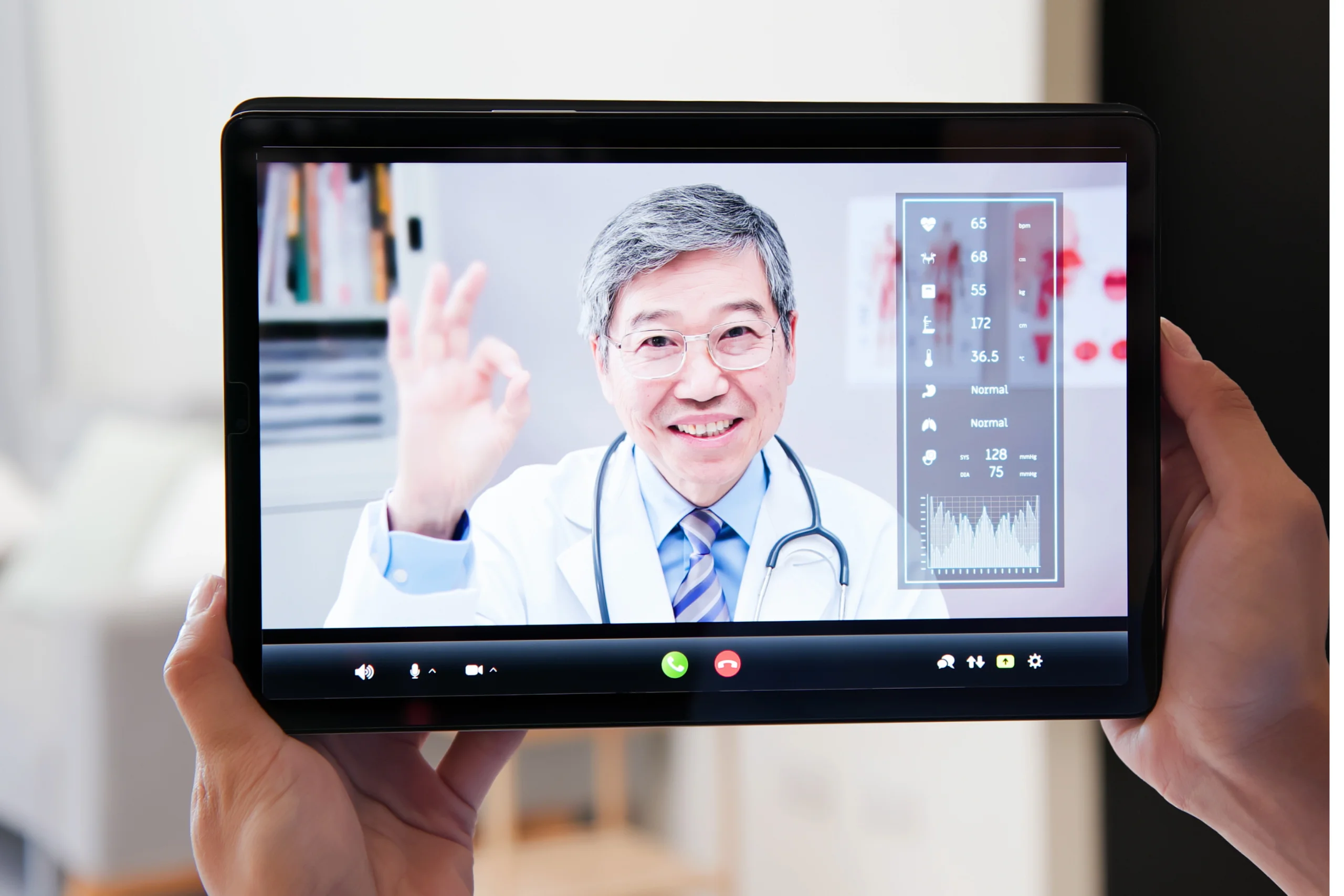
Yes, custom telemedicine software can be used on mobile devices. This allows for greater flexibility and accessibility for both patients and healthcare providers. Mobile apps can be developed to integrate with existing telemedicine platforms, enabling users to connect from anywhere via the Internet.
11. What are the benefits of using artificial intelligence in telemedicine software?
Benefits of AI in Telemedicine:
- Enhanced Diagnostics: AI can analyze medical images, such as X-rays and MRIs, more accurately and efficiently than humans.
- Personalized Care: AI can tailor treatment plans based on individual patient data, leading to better outcomes.
- Remote Patient Monitoring: AI can track vital signs and detect early signs of health deterioration, enabling timely intervention.
- Improved Efficiency: AI can automate administrative tasks, freeing healthcare providers to focus on patient care.
- Increased Accessibility: AI can bridge geographical gaps, allowing patients in remote areas to access specialized care.
12. How can custom telemedicine software help me improve my practice’s efficiency?
Custom telemedicine software can streamline your practice’s operations by:
- Centralizing patient records: Accessing patient information from a single platform saves time and reduces errors.
- Automating appointment scheduling: Online booking and reminders minimize administrative work.
- Enabling remote consultations: Offer convenient virtual appointments, expanding your reach and reducing overhead.
- Integrating with billing systems: Streamline insurance claims and payment processing.
- Providing data analytics: Track key metrics to identify areas for improvement and make data-driven decisions.
You can enhance efficiency, improve patient satisfaction, and grow your practice by leveraging these features.
13. Can custom telemedicine software help me attract new patients?
Yes, custom telemedicine software can help you attract new patients. Here’s how:
- Convenience: Telemedicine offers patients greater flexibility and accessibility, making it easier for them to schedule appointments.
- Branding: Custom software lets you personalize the patient experience with your branding and messaging.
- Specialization: Tailor the software to your specific area of expertise, showcasing your unique offerings.
- Features: Integrate features that patients value, such as online booking, secure messaging, and remote monitoring.
- Marketing: Promote telemedicine services through your website, social media, and targeted advertising.
14. How can I measure the return on investment of custom telemedicine software?
Measure ROI by tracking:
- Increased patient volume: More patients can access care, boosting revenue.
- Reduced overhead: Fewer in-person visits reduce costs like rent and staffing.
- Improved patient satisfaction: Higher satisfaction leads to referrals and loyalty.
- Higher revenue: Increased patient volume and reduced costs can boost profits.
Compare these results to pre-software figures to calculate ROI.
