Modern technology makes it possible to digitally pinpoint the location of people and places. This is achieved using either a person’s IP address or GPS coordinates.
Geo-location data has many personal benefits, from allowing us to find directions to new places to help us achieve relevant searches on Google. However, it can also benefit businesses. This post delves into some of the different commercial ways to use geo-location data, along with its benefits and challenges.
Table of Contents
1. Helping customers to locate your premises
Traditionally, if customers needed to find the address of a store or office, they would have to call that company or look up the address in a phonebook. Physical maps and signs would then be needed to locate that address—some businesses even supplied leaflets or letters with directions.
GPS maps have made it much easier for customers to find an address. However, in many cases, your business address won’t automatically show up on these map tools. For example, to show up on Google Maps, you need to create a Google business profile. Displaying your business on Google Maps is worthwhile as you can also provide information such as opening hours and reviews. You can also embed a GPS map on your website to help people find you and also use SEO to help your company location display when certain keywords are entered (such as ‘restaurants near me’).

2. Determining the location of your online audience
IP address tracking can help you to find out vital information about your company’s online audience – including website visitors, app users and people interacting with your social media content. Analytics tools like Google Analytics are worth using as they can tell you the location of where web visitors are coming from. This is not a precise location like GPS, however you should be able to find out what country or city people are viewing you from.
This information can be useful for helping you to come up with geographically focused marketing strategies. Just be wary of the fact that you won’t be able to track the location of every user – some people will hide their IP address using VPNs. As a matter of data ethics, you should also refrain from sharing location data with other parties.
3. Targeting local SEO search terms
SEO involves optimizing your presence on search engines. A subcategory of SEO is local SEO, which involves targeting local consumers using search engines.
The likes of Google and Bing will display websites belonging to local businesses when certain terms are searched. By tapping into keywords like ‘hotel near me’ or ‘local plumber’, you can help your website display when local internet users search for these terms. Ensure you’ve set up a Google business profile and entered your address first.
4. Sending geo-targeted ads
Certain platforms, like Facebook, can display geo-targeted ads. These are adverts targeted at people in a certain area. Geo-targeted ads typically use a user’s IP address. You can select locations you want to target while creating ad campaigns.
With a company app, you may be able to create even more precisely targeted adverts using GPS technology. This does require asking app users to give consent to share their location. Many companies use this to send notifications when app users are in certain locations (for example, Burger King famously sends notifications to app users whenever they are near a McDonald’s to steer them away).
5. Restricting content in certain locations
Geo-location data can also be helpful in restricting online content in specific locations. Suppose you don’t want to ship certain products to consumers in certain countries, or a product is illegal in another country. In that case, you can restrict access to that page by blocking everyone’s IP addresses in a certain country. This can help you to filter out irrelevant traffic and stop you from getting in trouble with foreign authorities.
It’s worth noting that consumers can find ways around this using VPNs. However, it’s a good defense against most consumers and can, for the most part, help your business.
6. Tracking company vehicles
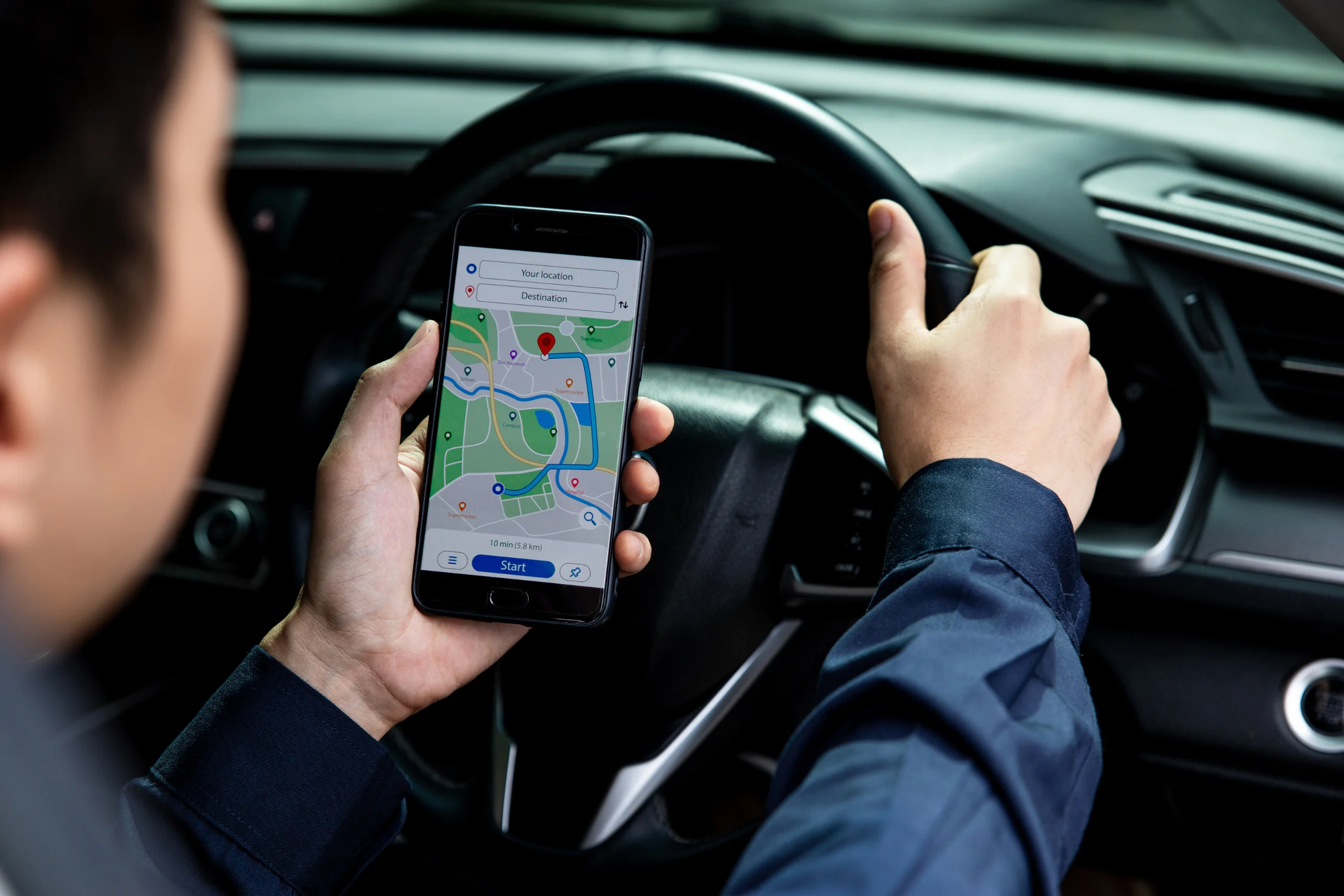
If you have a fleet of vehicles, geo-location data could be essential for tracking your fleet. This can be achieved by attaching GPS devices to your company vehicles and then using an app to monitor the location of all your drivers. Doing this could help you to keep your fleet organised and help you to recommend routes and jobs based on each driver’s location.
Before you start tracking company vehicles, make sure to get the consent of all drivers. If employees take vehicles home and use them for personal use, you will also need to put in place a system so that vehicles are only tracked during work hours.
7. Tracking field workers
This is much the same as tracking vehicles but instead involves tracking individual workers—usually by tracking the location of a device such as a work phone, tablet, or laptop. This could be useful for tracking the location of traveling sales reps, who may be using different forms of transport. You can even use such technology to track individual laborers on a large construction site or security personnel at a festival ground.
As with tracking vehicles, consent is required before tracking people’s locations. You will also only be able to track the location of these devices during work hours if they are also likely to be used for personal use.
8. Tracking suppliers
Some suppliers offer GPS tracking of orders to help clients prepare for deliveries. For example, if you own a restaurant and are expecting a food supply delivery, tracking deliveries could allow you to prepare staff members to receive them.
Not all suppliers offer GPS tracking. However, it can be worth asking about – mainly if you use a large supplier.
9. Letting customers track deliveries
If you deliver goods, you can also let your own customers track deliveries through your site or an app. This can help to ensure customers are present for deliveries and can also reduce customer enquiries about when a delivery is due to arrive.
Dominoes is one company that allows customers to track pizza orders through their app. This can help customers to know exactly when their pizza is arriving.
10. Sharing event locations
GPS technology can also be used to share location data of events on social media. For example, Facebook allows you to post your location, displaying a pointer on a map. This could be a great way to advertise your stall at a local trade fair or the location of an open-door launch party.
You can post coordinates for future events in addition to live events. This could make your event easier to find than providing directions.