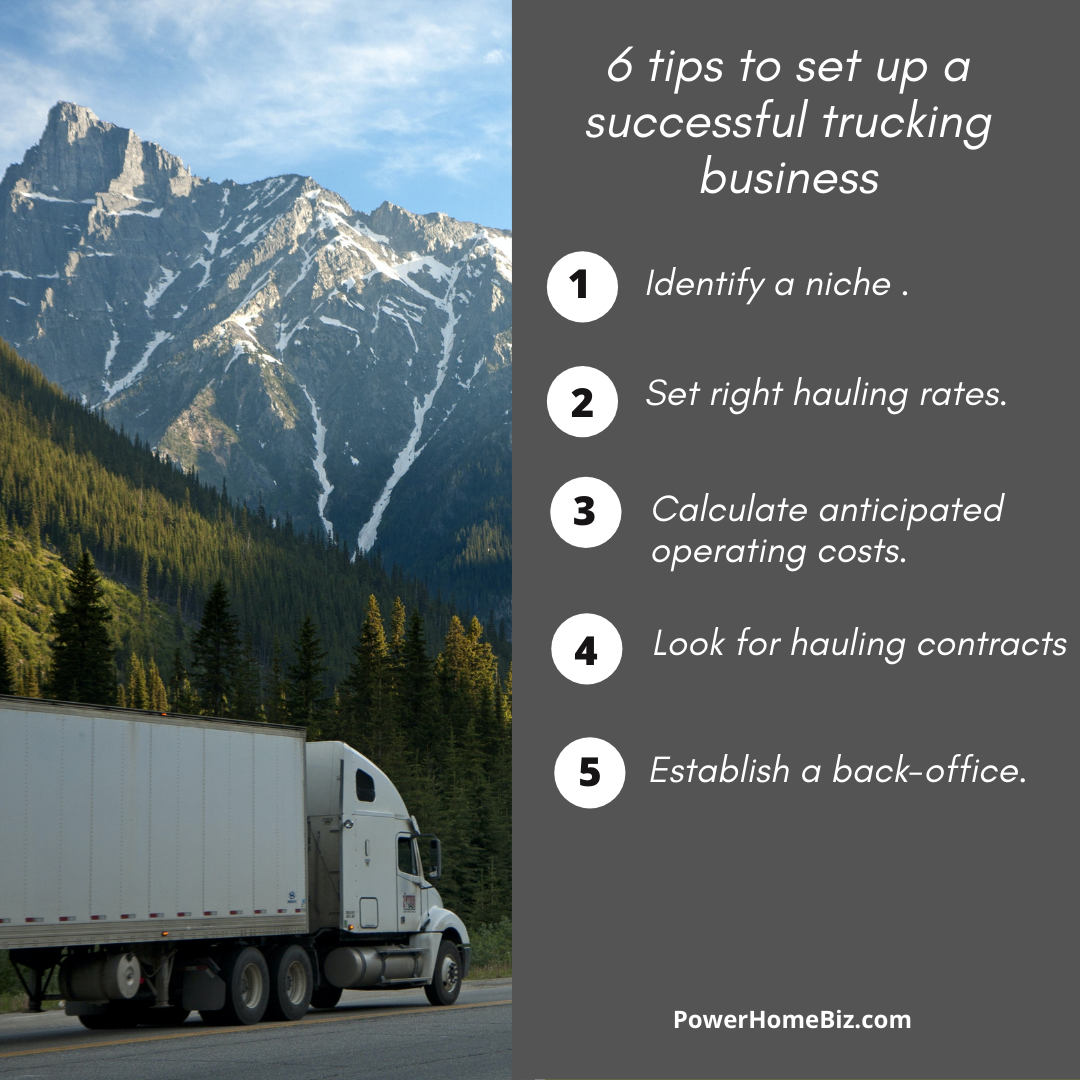
Starting any business requires a good plan and strategy; a trucking business isn’t an exception. A business in trucking is a lucrative venture, whether you are starting a box trucking business or long distance trucking. However, you’ll need excellent managerial skills to keep your business rolling. If you’ve never had a prior association in a trucking business, take some quality time to do some research to learn various components such as success strategies, business undertakings, location or region of operation, and legal requirements.
Additionally, you may need a fleet management system to help monitor and keep track of the trucks you use. A thorough management system could help you know when to service your trucks, how many miles have been covered, which driver is responsible for the vehicle, and what goods are in transit, among other things. You can develop a maintenance guide to help your fleet manager oversee your fleet. This article discusses six strategies you may need to be successful in the trucking business:

Table of Contents
Identify a Niche
When you start selling your trucking services, a key factor to know is what kind of goods or services you’d like your carrier to engage in. A market niche will dictate your freight charges, what freight lanes to serve, and the kind of fleet and other equipment you should buy. When choosing a niche, it’s good to identify an area that isn’t too competitive and has a ready market. You might be lucky to identify a market gap where no existing operators exist in your region of choice and the market is ripe.
Any area where large carriers don’t have hauling space might be a good opportunity for you to focus on this specialty. An oversupplied place with hauling companies may be a struggle for you to break into because existing companies may offer lower service prices, which may quickly edge you out of business.
Set Right Hauling Rates
Typically, carrier charges are done per mile. Ensure your business will stay afloat by setting prices that aren’t too low. On the other hand, prices shouldn’t be too high or you’ll ward off potential customers. The rates for your business should be high enough that you can meet all operational costs and still make a profit. Compare what your competitors are charging so you can set your rate similarly. You need a set charge rate before you call shippers and start making sales.
Calculate Anticipated Operating Costs
Knowing your approximate operating costs is key. These numbers guide you when determining if you’re making a profit. There are fixed costs you should be aware of regardless of truck mileage. These include insurance, truck payments, and permits.
If you plan on starting a tow truck business, you’ll need to take some time to find the lowest tow truck insurance cost, as it can be a significant part of your fixed expenses. These insurance premiums can vary depending on the types of vehicles in your fleet, the areas you operate in, and your safety record.
Contrarily, variable costs such as fuel depend on the distance covered. If you can calculate the cost per mile, you can add that to your fixed costs to get your total operating costs. With a defined total number, you can see if you’re making a profit or losing money.
DOT permit for Trucking Business
Getting a DOT permit is super important for starting a trucking business. The Department of Transportation issues this permit as a big thumbs-up for your new venture. It ensures your business follows safety and operational rules in the trucking world. They check things like safe vehicles, qualified drivers, and following transportation laws. Here’s the cool part: trucks that qualify for UCR registration come into play here, too. So, when you get this permit, it’s not just a signal to start; it shows you’re serious about keeping things safe and legal in the trucking world. It’s like saying, We’re good to go, responsibly and by the rules.

Look For Hauling Contracts
Online community load boards can help you look for hauling tenders. Some of the load boards are free, while others make you pay a subscription fee. From the load boards, you’d be able to meet a variety of brokers as well as shippers. Once you start gathering customers, strengthen the relationship to build a long-term partnership potentially. Networking may also lead to direct customers instead of going through brokers, which may help your wallet because you eliminate the brokerage fee.
Establish a Back-Office
A trucking business may involve making follow-up calls to your customers for payment inquiries. This means your office could be busy with clients and reports. Thus, hiring someone to help you with the routine paperwork and other processes may benefit you so you have enough time to focus on your managerial duties. On the other hand, factoring agencies, businesses that purchase other company’s invoices to handle collections for you, is another avenue you could use.
Get Insurance Cover
Like any business, you want to protect your investment and ensure low risk. Buying insurance coverage for your new business could be your safety net if problems arise. To get the best insurance premium, contact several companies and compare their terms regarding primary liability, passenger accidents, physical damage, and cargo insurance.
Wrapping Up
If you’re considering a business in the trucking industry, make sure to get your plan and strategy right. Ensure you save enough for your business funding; you could also secure a loan. Do enough study of the industry before launching your business. You could seek advice from professional consultants in the trucking industry, too. Finally, following the tips in this article can make your entry into the trucking business safe and seamless.
Frequently Asked Questions (FAQ) on Starting a Trucking Business
What are the key factors to consider when choosing the type of trucking business?
Answer: The key factors include understanding the different types of hauls (like long-haul vs. short-haul), the kind of goods you’ll be transporting (general freight, refrigerated goods, hazardous materials, etc.), and the geographical area you plan to serve. Additionally, consider your equipment budget and the competition level in your chosen niche.
FAQ: How important is obtaining the right licenses and permits, and what are the basic requirements?
Answer: Obtaining the correct licenses and permits is crucial for legal operation and compliance. The basic requirements include a Commercial Driver’s License (CDL), a Motor Carrier (MC) number, and a USDOT number. Depending on your operations, you may also need specific permits for hauling hazardous materials or operating in certain states or regions.
FAQ: What are the best practices for fleet management and maintenance?
Answer: Best practices include regular vehicle maintenance checks to ensure safety and efficiency, investing in fleet management software for tracking and optimization, and training drivers in safe driving and basic vehicle troubleshooting. Keeping a log of maintenance and repairs is also recommended.
FAQ: How can a new trucking business effectively manage finances and expenses?
Answer: Effective financial management involves careful budgeting, monitoring cash flow, and controlling fuel costs, a significant expense in the trucking industry. Additionally, planning for unexpected expenses and saving for future investments is important. Hiring a financial advisor or using accounting software can be beneficial.
FAQ: What strategies can be used for attracting and retaining skilled drivers?
Answer: Attracting skilled drivers involves offering competitive salaries, benefits, and a positive work environment. Retention can be improved by providing regular training, opportunities for career advancement, and recognizing and rewarding good performance. It’s also crucial to maintain open and respectful communication with your drivers.
FAQ: What role does technology play in modern trucking businesses, and what are some must-have technologies?
Answer: Technology plays a significant role in improving efficiency, safety, and compliance. Must-have technologies include GPS tracking, Electronic Logging Devices (ELDs) for recording driver service hours, fleet management software, and efficient communication tools. Investing in technology that helps reduce fuel consumption and emissions can also be advantageous.
FAQ: How can a trucking business ensure compliance with safety and environmental regulations?
Answer: Ensuring compliance involves staying updated with industry laws and regulations, conducting regular safety audits, providing ongoing driver training, and investing in vehicles and equipment that meet environmental standards. Joining industry associations and consulting with legal experts can also be helpful.
FAQ: What marketing strategies are effective for a trucking business?
Answer: Effective marketing strategies include building a strong online presence through a professional website and social media, networking within the industry, attending trade shows, and word-of-mouth referrals. Developing a strong brand and providing exceptional customer service are also key to attracting and retaining clients.