Operating a startup or a small business doesn’t only entail a lot of excitement, but overwhelming experiences, too. There’s a need for you to always keep on your toes as usual challenges and problems in business arise. Aside from that, you also need to focus on generating a good profit, which this article will tackle later on.
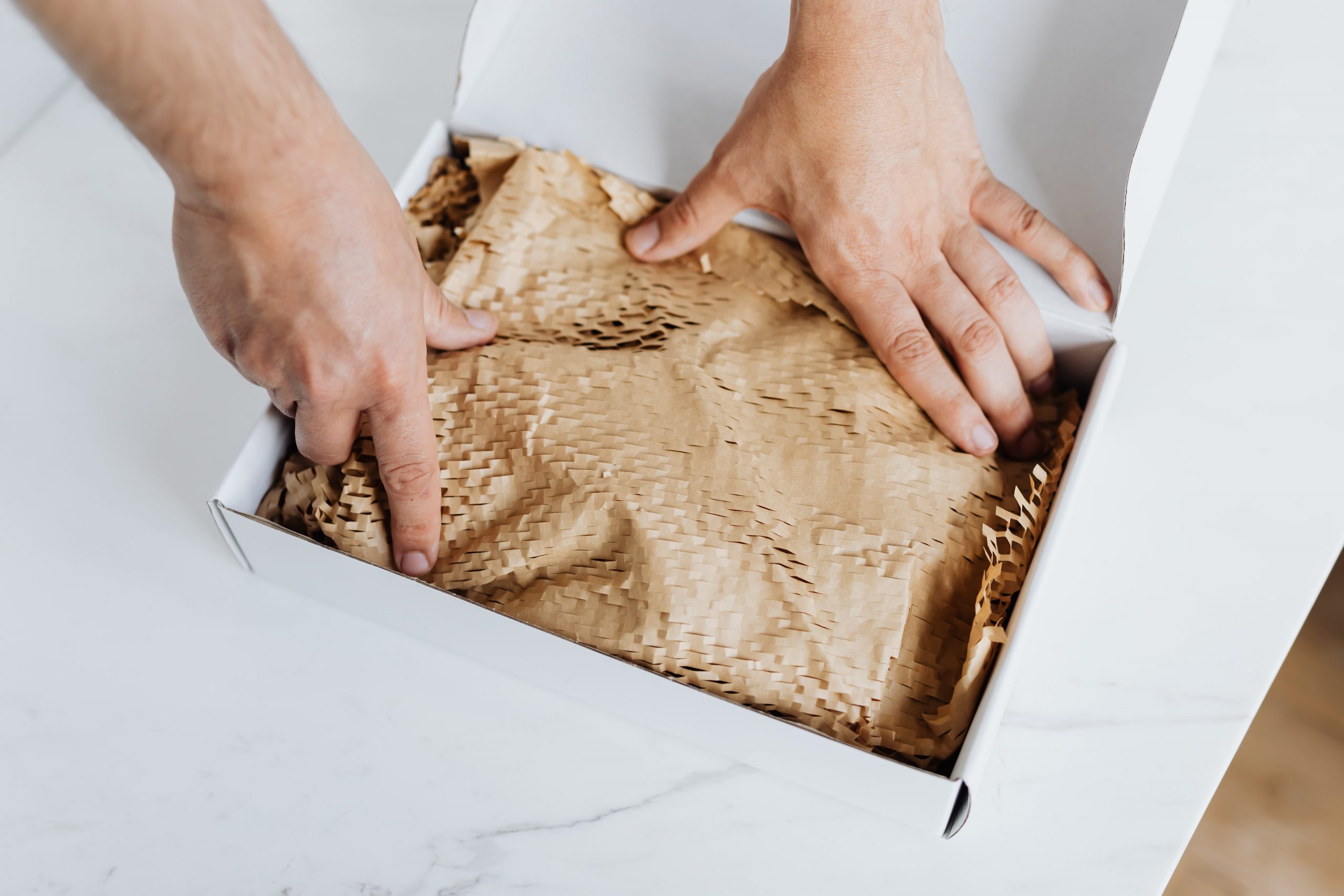
Packaging is an integral but crucial part of any product-based business. Because of its aesthetic value, some people get easily attracted or satisfied with how you present your products to them. However, despite ensuring that they look great and are delivered perfectly, there are numerous ways for you to free your business from accumulating extra costs in your packaging line.
You can cut unnecessary packaging expenses while ensuring that they still meet customer expectations and represent your small business positively. Apply the following pointers:
1. Be Creative But Practical When Choosing The Right Packaging
Even though it’s pretty common to see companies, both large and small, use boxes as packaging, you should keep an open mind to other packaging shapes and alternatives. Boxes aren’t the only packaging type that can ensure the safety and excellent presentation of your products. Furthermore, you can explore less costly options. You can altogether bypass a box and go for woven polypropylene, for example. If your product needs complete protection and unparalleled strength and durability packaging potentials, this should deliver.
Your packaging expenses may be generated primarily with the packaging products you use, so take great alternatives into serious consideration. Match which options would fit your products best. Get out of your comfort zone and use creative packaging, while ensuring that it can work alongside other aspects of your packaging line.
2. Organize The Packaging Line Layout
Think about how your warehouse or packaging line is laid out. Even if you don’t have a warehouse, but a workstation instead, it’s best to have a packaging line designated for a smoother workflow. Check and review its arrangement and layout. Are they well-organized and produce time-efficient outcomes? You need to value time when doing tasks, even when preparing your packaging. Hence, it’s best to streamline your packaging areas to speed up the overall packaging process. Set aside a corner for the packaging inventory, and arrange them in smart ways.
You can segregate all packaging sizes together, and separate the ones that need to be used often versus those that are rarely used. Placements of these different packaging should be accessible depending on their frequency of use. When your staff in charge of packaging can efficiently move around and get things done speedily, you can deliver the products faster with no time wasted. You can accomplish more without accumulating extra overhead expenses, like electricity, machine operations, and heating.
3. Reassess Your Packing Time
Aside from the layout, packaging time is also imperative in cutting costs. Labour should be brought up when discussing how to expedite packaging lines. Reduced packaging time per unit can help reduce packaging costs. Whether you’re using automated packaging machines or entirely rely on manual labor, you need to calculate how fast and how much time it takes to finish packaging the products. Reassess the entire process and see which areas need to be improved.
While some steps in the packaging process could seem easy to deal with, it’s the extra packaging steps that take a much longer time, like sealing the packages or writing the recipients’ details. Try to make ways to reduce the time spent on them. You can go for product packages that don’t require so much tape as they have a self-lock system. You can also print out shipping details instead of asking staff to write them on print manually. Look at small details and check which ones are taking more extended time.
4. Ensure Product Is Properly Packaged
Selling products is one of the best side businesses you can start with low capital. However, costs can quickly eat you up if there are mishandled products. Damaged products cost your business a lot. Your refund, products themselves, packaging, and crediting represent all sunk costs when a customer returns a damaged product. All these costs mean you’re losing business.
But, what’s even more critical and dangerous is losing the trust and patronage of your customers. Whether they’re new buyers or repeat customers, having an unpleasant experience might lead them not to purchase from you anymore. Furthermore, they can leave bad reviews or share with their family and friends about their bad experiences with your damaged products. Therefore, to avoid this, you need to focus on packaging and transit handling. Focus your efforts on meeting the adequate packaging requirements to ensure that the products can withstand any challenging or complex handling outside of your business.
5. Think Of Reducing Storage Costs
Bulk packing materials can need a lot of storage space if ordered in bulk. Sure, one way to cut costs is to order the packaging in bulk. But, if you don’t have the luxury of space in your warehouse or business office, it’ll cost you more to rent out storage for these packaging materials. Try to be more practical when ordering the volume of packaging you need. Apply strategic approaches to forecast your sales and buy the right packaging volume accurately. This will save storage, and at the same time, you can be flexible in case you need to change up your packaging anytime soon.
6. Implement Flexible Packaging
Fast sourcing of packaging is one of the growing pains of an expanding company. Some businesses overlook the importance of studying and researching packaging, which often results in regular boxes instead. No matter how easy and quick to find suppliers for them, you might have difficulty with these standard boxes in the future.
As your products evolve, your packaging needs will also change. Hence, you must incorporate flexible packaging systems. Oversized boxes not only consume more space, but they’ll also need fillers to keep your product secure and correctly in place. Implement flexible packaging strategies to custom packaging instead.
Conclusion
Selling products requires smart and efficient packaging. Despite aiming to make it aesthetically beautiful and functional, it doesn’t have to be overly expensive. Hopefully, you can cut unnecessary costs for your packaging by applying the invaluable pointers above. Take advantage of these tips and increase your profits.