

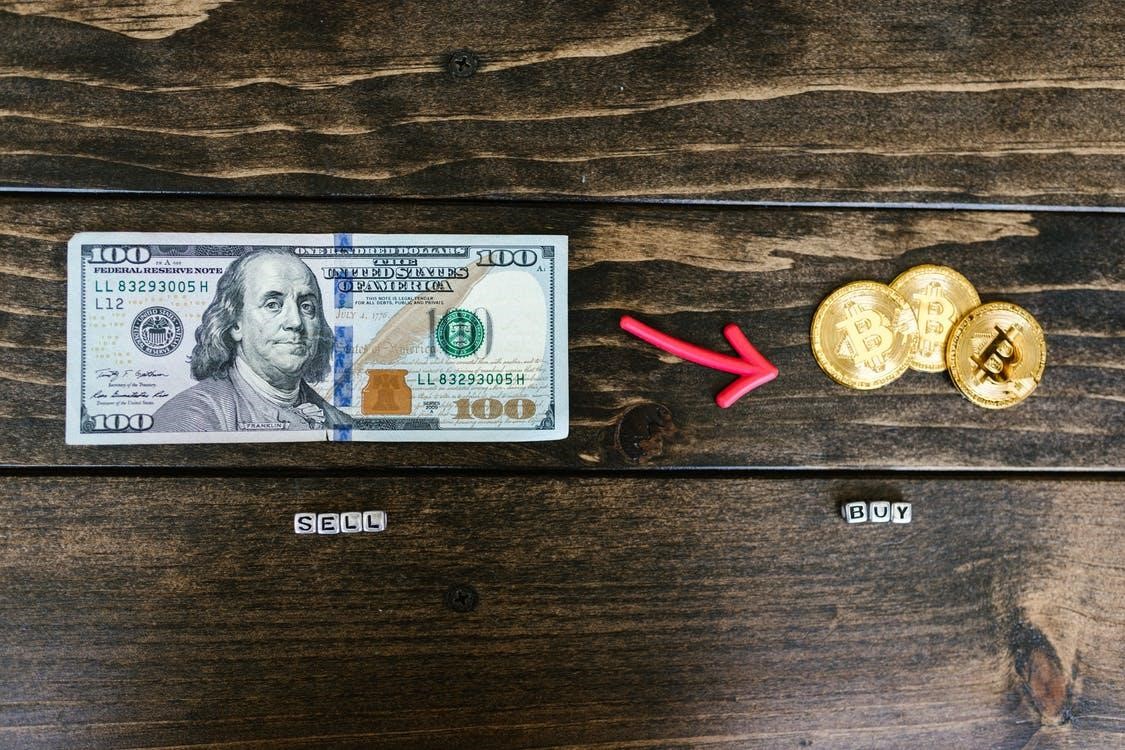
Since the Covid 19 pandemic, more and more investors are flocking to the currency markets to make a side income. While the forex may seem easy and convincing, it takes some time to develop a good amount of consistency to make good money. Traders have to learn and go through the painful period of loss to get to the 10% of the participants who withdraw consistently. We have summed up the most basic knowledge about forex trading that you can use as a trader to shorten the learning curve and become a better investor.
How can you trade currencies?
There are multiple ways in which investors can trade currencies. Before diving into the strategies, let us discuss some of the important trading methods.
- Swing. This type of trader holds their positions for the long term. They are mostly seen analyzing the charts on longer time frames, such as daily or weekly. Swing traders have to be careful of the swaps or the rollover fees.
- Carry. Investors that hold their executions for several months and years are called carry traders.
- Day traders. These market participants open and close their positions within the same day. Doing so allows them to avoid risk overnight. The stop loss and take profit for each trade are much closer than swing and carry trading.
- Scalper. Scalpers stay in the market for a concise duration. They wind up their trading in an hour or so and continue on the next day. These traders are scanning the charts on the minute charts.
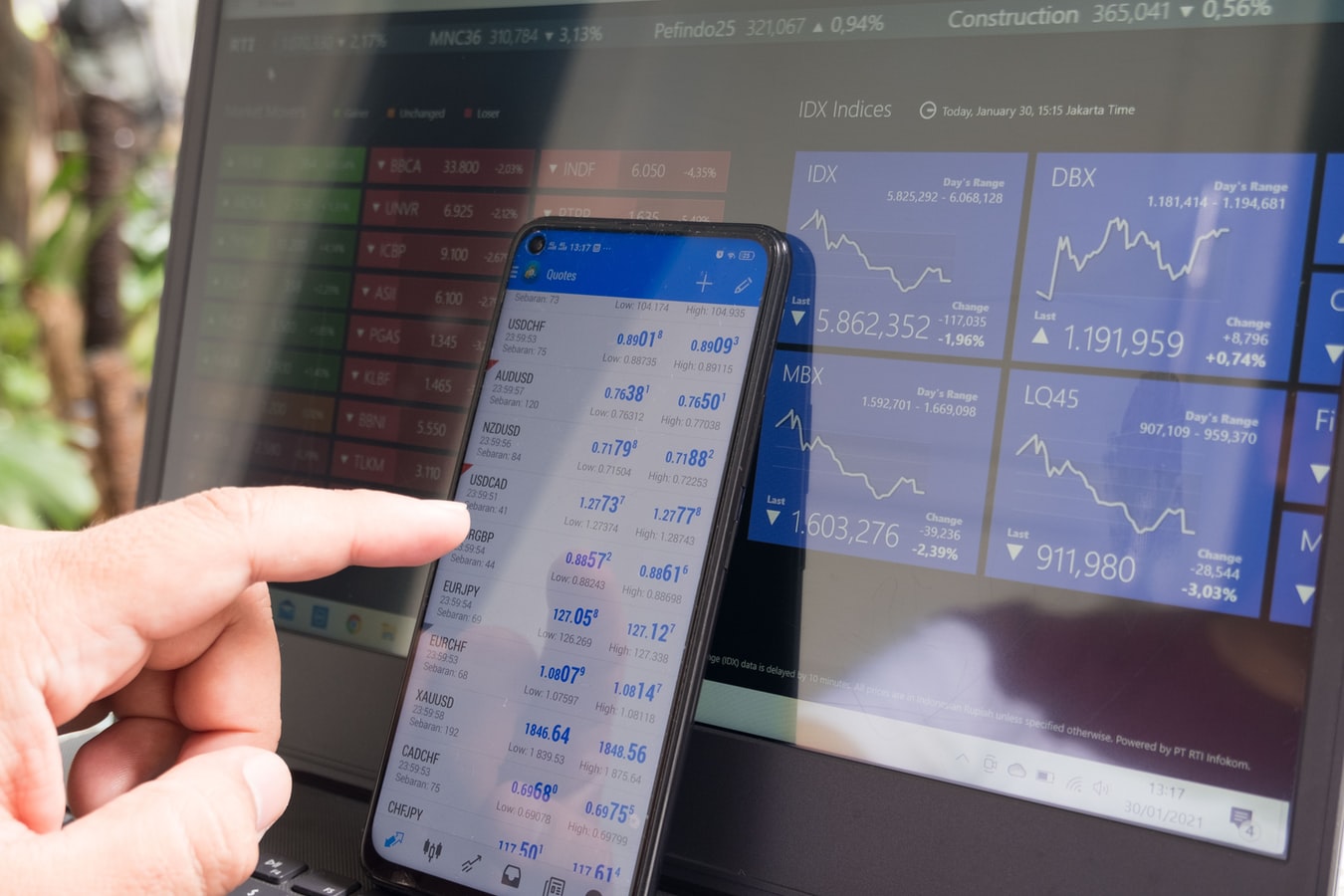
Characteristics of Forex Trading
There are a few common analogies in forex trading that a beginner or an amateur should know.
Lot size
The position and lot size in currency trading will determine the amount of money you can win or lose. A single lot refers to the 100000 units of a base currency, and one pip movement with such a size will bring your equity up or down by $100.
Volatility and liquidity
The forex market is one of the most liquid globally, with a daily trading volume that exceeds $6 trillion. A good volume allows investors to get in and out on their trades when needed.
Volatility is readily available in the currencies and can differ from one instrument to another. Each pair will have a different up and down movement; therefore, traders have many options to choose from.
Market hours
The forex market is open 24/5 from 5 PM EST on Sunday until 4 PM EST on Friday. Apart from the trading hours, traders should also have a piece of knowledge about the sessions.
- Tokyo 4 PM-1 AM
- London 2 AM-11 AM
- Newyork 8 AM-5 PM
All the times are in Eastern.
Forex Trading Strategies
Forex traders can frequently find themselves hunting for the best trading strategy. It is vital to learn that nothing in the financial markets can provide a 100% win rate. Investors have to balance their positions with a good risk-reward and, at the same time, have a good winning rate.
Trend Trading
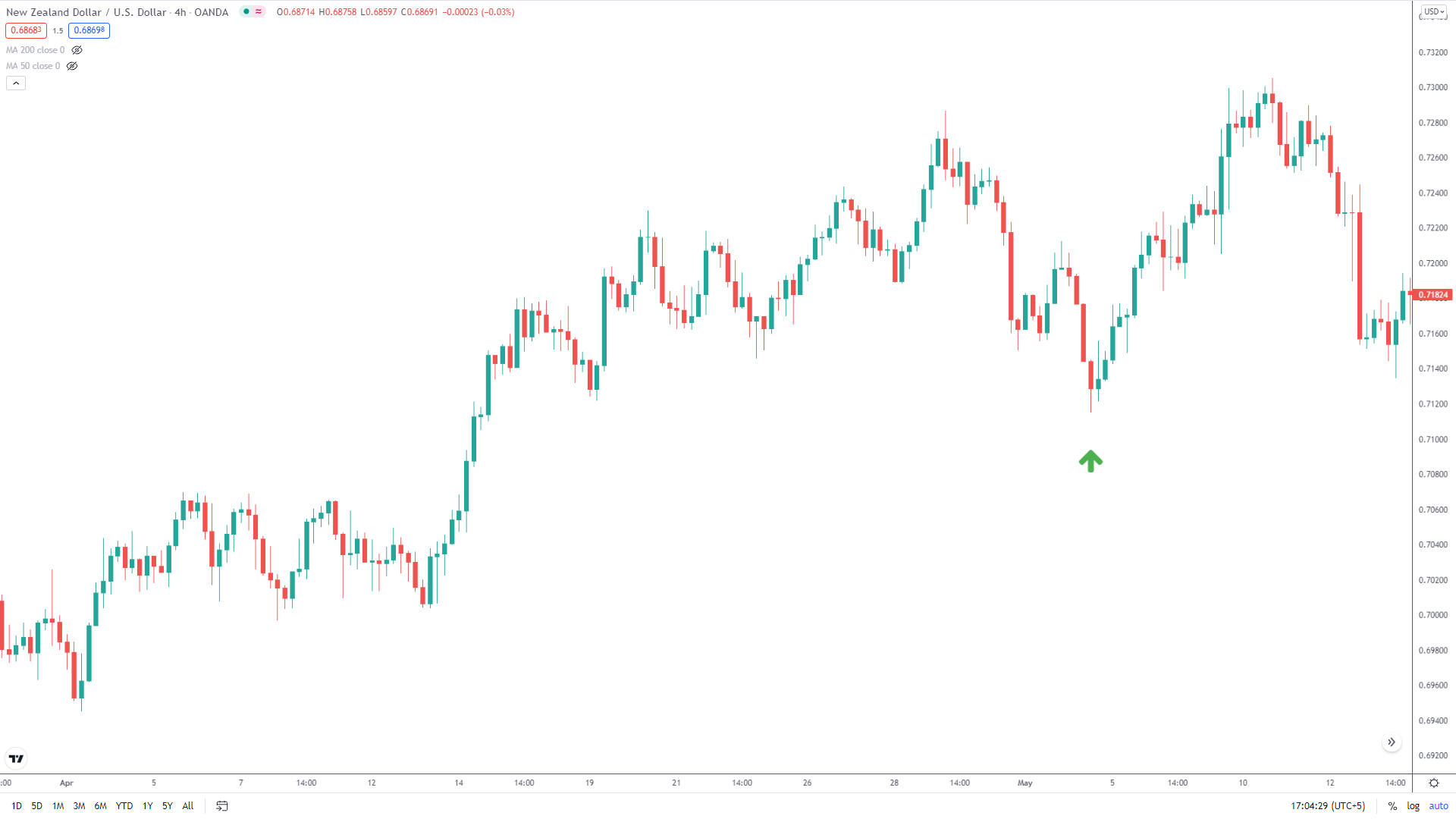
This type of strategy is followed by traders who like to stay in with the big guys. They will identify the highs and lows of the market and place trades when the market reaches a certain low point.
Algorithmic trading
Traders will employ expert advisors to manage their positions or trade the markets on full auto mode. This is a good way to earn a passive income in the market without having much experience.
Indicators
Trading indicators will help a trader identify essential market levels. After the manual analysis, a trader can then place his position and manage it accordingly. Moving averages, RSI, MACD, etc., are a few names of the important indicators.
