

Traditionally, people consider homeownership a responsibility that married couples take on when they’re ready to settle down, or if they’re preparing to expand their family. However, home buying trends indicate that times are changing and more single homebuyers than ever are present in the real estate market.
Per the Australian Bureau of Statistics, single women outnumber single men when it comes to taking out a mortgage alone. Some single women and men looking to buy a house may want to be closer to their city’s nightlife, restaurants and singles spots, theaters, and places to shop. Others may seek a home to call their own that gives them privacy and freedom. Regardless of one’s motivations for single homeownership, following the tips listed below can help make such a one-person venture successful.
Budget according to your means and lifestyle
Buying a house alone can be a grand step toward your financial future, which is why you should make sure you purchase a home you can afford.
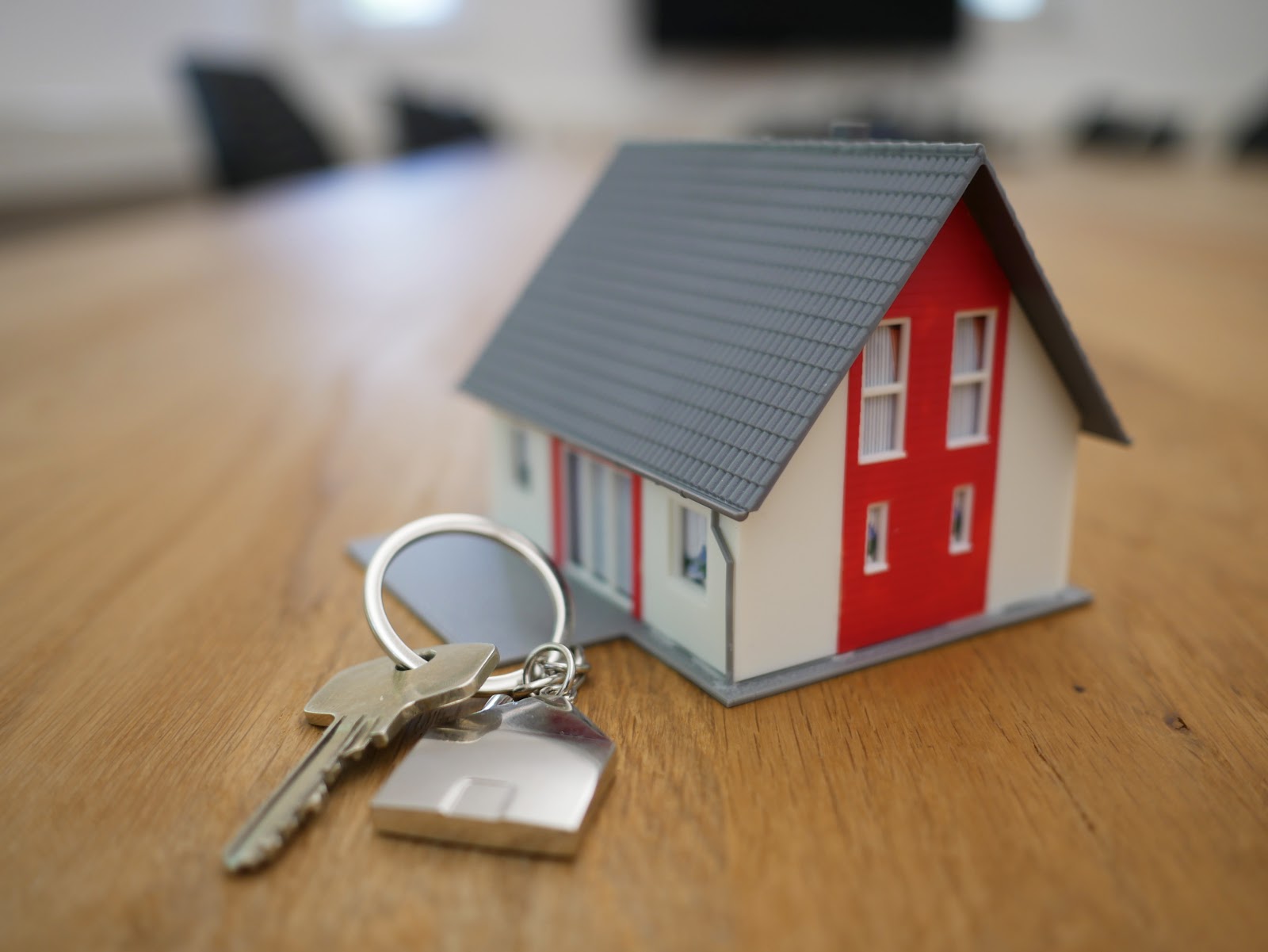
People can benefit from sticking to a budget when they buy a house with their spouses, but single future homeowners especially must avoid overextending themselves financially. House hunting for properties that have monthly payments you can afford on your own is best. A single homeowner has their stream of income and any savings or extra money to rely on to fulfill monthly payments for the mortgage and other costs. It’s in their best interest to choose a property with mortgage rates they would still be able to handle if they incurred health issues, lost their job, or took a pay cut.
Many home buyers, single and married, are unlikely to have the entire purchase price upfront, which is why a wide range of loan options from different lenders are available. Single homeowners may fear that getting approved for a home loan without excellent credit or a spouse is nearly impossible. Aiming for a realistic home loan within your budget is possible as long as you carefully manage your income and expenses and save money to pay home loan mortgage rates.
Homeowners with or without a budget may be unsure of the type of home loan they should take to cover the costs of their property of choice.

Some home loans available include principal and interest home loans, which borrowers must repay entirely over the loan’s life. Interest-only home loans require borrowers to cover their loan’s interest. In this case, the principal you pay interest on won’t decrease until you make extra payments toward it. Home loans with variable interest rates may change depending on changes to the wholesale lending costs or the official cash rate, compared to home loans with fixed interest rates that initially remain constant for a fixed period before changing to a variable rate. A split home loan is an option with a fixed portion and a variable portion.
Single people who need a home loan can consult a reputable web resource such as iSelect for important information regarding each of these types of home loans and the mortgage lenders that offer them. Rate periods and rate adjustments for each home loan type can vary and depend on the lender, but using iSelect can help you determine the best rate, home loan type, and loan length. Stay within your budget by comparing home loans with iSelect.
Purchase the necessities
Living alone means you won’t have to deal with a spouse or roommate disagreeing with you every step of the way about the living room, bathroom, or kitchen design. Using the services of experts at making home improvements, such as those at Piscitello Home Center—a company that provides custom kitchen layouts in Easton, PA—can help you create your dream kitchen and bathroom. This company offers custom cabinetry, enabling you to pick the kitchen cabinets and bathroom vanities that suit your tastes.
Having the house to yourself also means you’re solely responsible for grocery shopping and interior and exterior upkeep. In addition to working out a plan for a home loan, purchasing the essentials that will help homeowners function in the house is also a to-do on the single homeowners’ checklist. Single homeowners should buy necessities like light bulbs, flashlights, batteries, cleaning supplies, toiletries and bathroom items, yard tools, and power tools.
Flying solo into homeownership may be intimidating to some, but it’s an investment and experience that offers responsibility, independence, and freedom.
