Leaflet marketing isn’t obsolete — it’s evolving. In the AI era, printed leaflets can complement digital campaigns through smart design, data-driven targeting, and interactive technology like QR codes and AR. Discover how to plan, design, and measure an effective leaflet campaign for today’s market.
Is There Still Room for Leaflet Marketing Today?
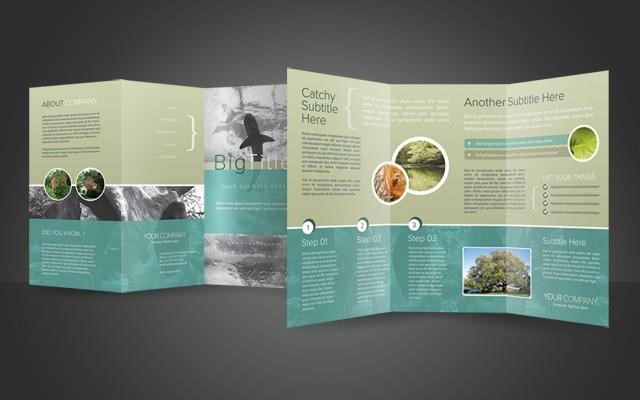
Absolutely — when done strategically. While digital marketing dominates conversations today, physical leaflets haven’t disappeared. In fact, they’re evolving. In an era of overflowing inboxes and social media fatigue, well-designed, data-informed leaflets cut through the noise.
Leaflet marketing is no longer about random paper drops — it’s about hyper-targeted, trackable, and AI-enhanced campaigns that bridge offline and online touchpoints. When combined with QR codes, smart personalization, or local targeting powered by data analytics, leaflets can drive real engagement.
According to the Data & Marketing Association (DMA), 88% of people recall receiving a leaflet through the door, and 45% keep one for future reference. When designed and distributed correctly, leaflets deliver measurable ROI — especially for local businesses.
Table of Contents

What Is Leaflet Marketing?
Leaflet marketing involves distributing printed materials — typically smaller than brochures but more detailed than flyers — directly to consumers to promote products, services, or events.
Modern leaflets are often:
- Distributed strategically based on data insights (demographics, zip codes, or purchase behavior)
- Printed on eco-friendly paper
- Enhanced with QR codes or personalized landing pages
- Designed using AI-assisted tools like Canva Magic Design or Adobe Firefly
Why Leaflet Marketing Still Works in the Digital Age
1. Tangibility Builds Trust
People trust what they can hold. Leaflets create a physical connection that digital ads can’t replicate. They linger on coffee tables, bulletin boards, or kitchen counters — staying visible long after an email is deleted.
2. Perfect for Local Targeting
For small and local businesses — restaurants, salons, cleaning services, gyms — leaflets remain one of the most cost-effective ways to reach nearby customers directly.
3. Works Well with Digital Tools
Today’s leaflet campaigns often include:
- QR codes leading to personalized landing pages
- Dynamic discount codes trackable in analytics
- Augmented reality (AR) elements for interactive experiences
4. Cost-Effective and Measurable
Unlike old-school leaflet drops, new AI-powered systems can optimize where and when to distribute, predict conversion rates, and measure effectiveness using GPS and response tracking.
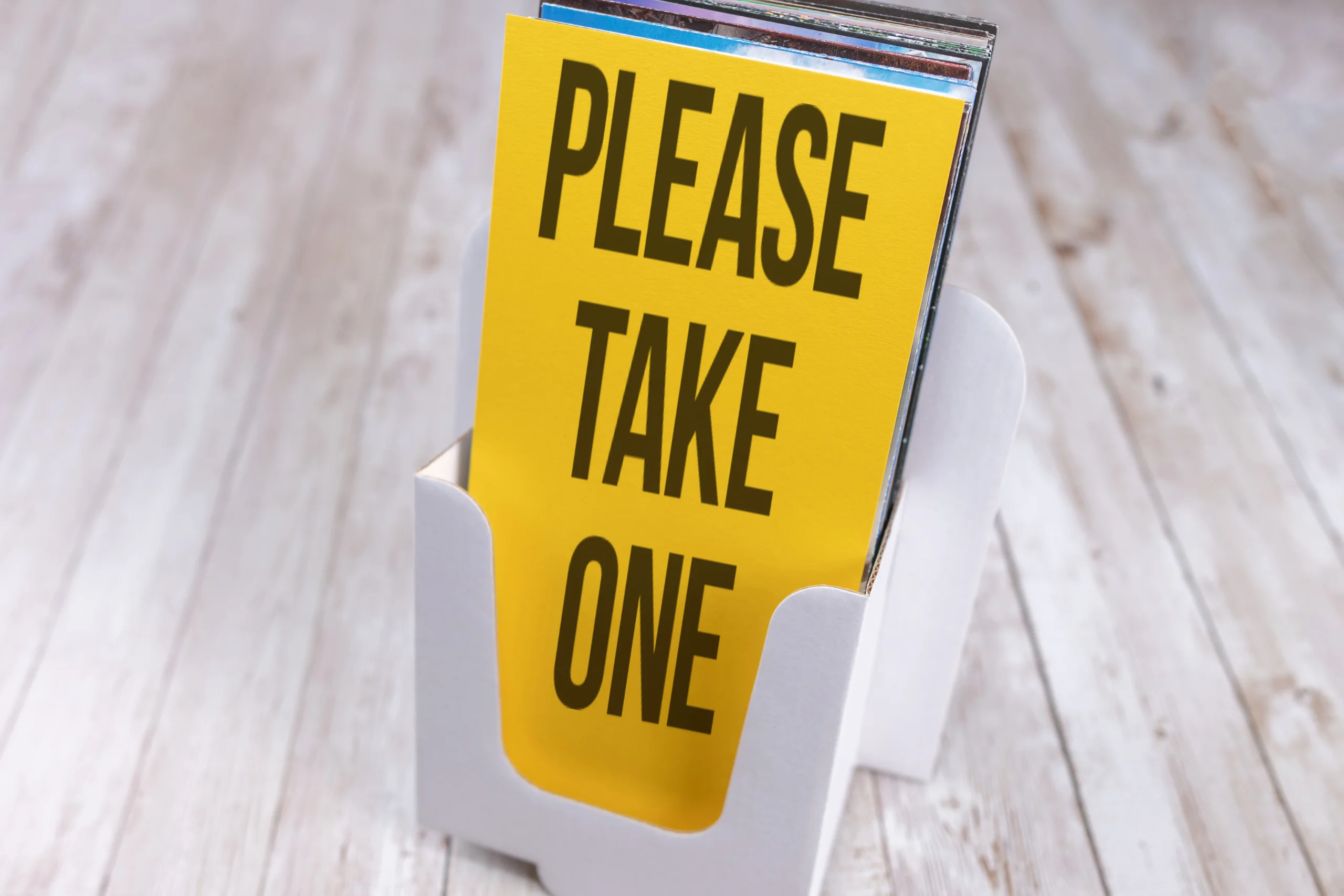
Planning an Effective Leaflet Marketing Campaign
1. Define Clear Objectives
Know exactly what you want: more foot traffic, online orders, event signups, or brand awareness. Each goal changes your design and message approach.
2. Understand Your Audience
Use existing customer data or local insights to target effectively. If you’re a café, for instance, focus on nearby offices, universities, or apartment complexes.
3. Set a Realistic Budget
Include costs for design, printing, distribution, and tracking. Don’t forget to measure ROI through unique QR codes or promo codes.
Leaflet Design Essentials
A leaflet’s design is your first impression — and in marketing, first impressions matter. A well-designed leaflet doesn’t just look good; it communicates clearly, draws the eye, and compels action. The goal isn’t to cram as much text as possible, but to blend strong visuals with a simple message that can be grasped in seconds.
Whether you’re promoting a sale, introducing a new product, or inviting people to an event, your leaflet design should balance creativity, readability, and strategy. Think of it as your mini-billboard in someone’s hand — one that tells your story and drives them to act.
Keep It Clean and Visual
Avoid clutter. White space draws attention. Use clear imagery that reinforces your brand message.
Make It Readable
Choose strong contrast — dark text on light backgrounds works best. Headlines should be short and powerful.
Include a Clear Call to Action (CTA)
What do you want people to do next?
- Visit your website
- Scan a QR code for a discount
- Call for a quote
Print Quality Reflects Your Brand
A cheap print job communicates a cheap brand. Invest in quality paper and ink. If budget is tight, consider renting or outsourcing to professional printers rather than using office printers.

Smart Distribution in the AI Era
Your leaflet distribution strategy determines the overall success of your campaign. In the past, leaflets were often scattered across neighborhoods without much thought or targeting. Today, AI and data analytics have changed that entirely. Businesses can now make data-driven decisions about where, when, and how to distribute — maximizing reach while minimizing waste.
Geo-Targeted Drops Based on Data Analytics
AI-powered mapping tools analyze demographic data, purchasing behavior, and even competitor activity to pinpoint the highest-potential neighborhoods. For instance, if you run a gym, AI can identify areas with a high density of health-conscious consumers or young professionals and prioritize those postcodes. This precision ensures every leaflet lands in the hands of someone more likely to convert.
Event-Based Handouts
Handing out leaflets at the right place and time increases engagement. Distribute them at local fairs, trade expos, concerts, or sports events — anywhere your target audience gathers. You can even use AI-based event insights (like Google Trends or social event trackers) to predict where foot traffic will spike and align your campaign accordingly.
Hybrid Campaigns
Combine offline and online tactics for powerful results. For example, include a QR code that leads to a personalized landing page or offer. When users scan it, they can be automatically added to a digital remarketing list, allowing you to retarget them later through social media or Google ads. This creates a seamless loop between print and digital marketing — turning a simple leaflet into a gateway for online engagement.
AI-Assisted Distribution Platforms
Modern leaflet distribution companies now use AI-driven delivery route optimizers to cut costs, speed up delivery, and track success in real time. These systems can analyze previous campaign data to identify “high-response neighborhoods,” adjust drop timing to match peak home presence hours, and even predict which households are most likely to engage based on previous responses.
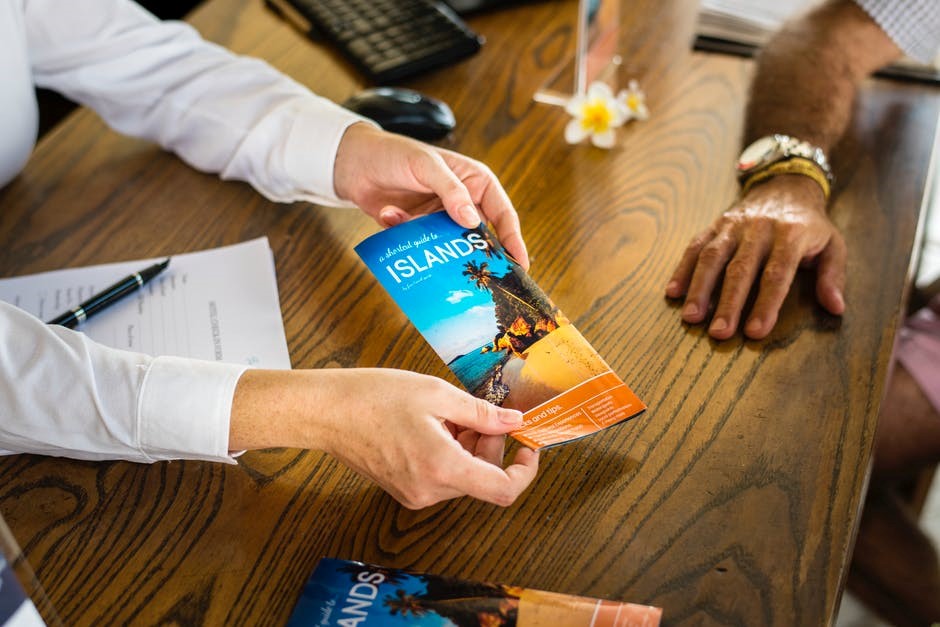
Tracking Your Campaign’s Success
A leaflet campaign is only as strong as your ability to measure its results. Tracking helps you see what’s working, what isn’t, and how to improve your next campaign — making every drop smarter and more efficient.
QR Codes and UTM Tracking
Integrate scannable QR codes on every leaflet, linking to a campaign-specific landing page. Add UTM parameters (short snippets added to URLs) so your analytics platform can attribute website visits, sign-ups, or purchases directly to your leaflet. This lets you compare offline vs. digital performance in tools like Google Analytics or HubSpot.
Unique Phone Numbers or Promo Codes
Assign a dedicated phone number or coupon code to each distribution area. When someone calls or redeems the code, you’ll know exactly which neighborhood or event generated the lead. This is particularly effective for service-based businesses such as cleaning, plumbing, or real estate, where local insights matter most.
AI-Powered Analytics Dashboards
AI can now synthesize campaign data across multiple sources — QR scans, redemption rates, call tracking — and predict future performance. These dashboards highlight the most responsive times, demographics, and regions, allowing you to fine-tune future campaigns with precision. Instead of relying on guesswork, you’ll base decisions on solid, predictive data.
The Smarter the Data, the Smarter the Campaign
Every data point you collect — from response times to location performance — fuels your next campaign’s success. Over time, your leaflet marketing becomes less about printing and hoping, and more about iterating, testing, and optimizing with intent.
Integrating Leaflet Data with Your CRM and Marketing Tools
The real power of modern leaflet marketing lies in integration. By syncing your offline campaign data — such as QR code scans, phone inquiries, or coupon redemptions — with your CRM or email marketing system (like HubSpot, Zoho, or Mailchimp), you can automatically capture leads, segment them, and trigger personalized follow-ups. For example, someone who scans a QR code from your leaflet can instantly receive a welcome email, discount code, or digital catalog. AI-driven CRMs can then analyze this behavior to predict intent, score leads, and recommend next actions. This kind of automation closes the gap between physical engagement and digital conversion, turning every leaflet into a data-rich entry point for your marketing funnel.

Leaflet Marketing and Sustainability
Consumers are increasingly eco-conscious. Use recycled paper, soy-based inks, and local printers to reduce carbon impact. Highlight these efforts on your leaflet — sustainability can be part of your message.
Bottom Line: The New Age of Leaflet Marketing
Leaflet marketing isn’t dead — it’s reinvented. In an AI-driven world, it’s no longer just paper; it’s a bridge between offline engagement and digital conversion. When done with precision, creativity, and measurable strategy, leaflets can complement your digital marketing mix beautifully.
Key Takeaways
- Leaflets remain effective, especially for local and hybrid campaigns.
- Integrate AI, QR codes, and data analytics for modern relevance.
- Design and distribution quality determine success more than quantity.
- Track everything to understand ROI and improve future campaigns.
- Combine leaflet marketing with social media, email, or SMS for maximum impact.
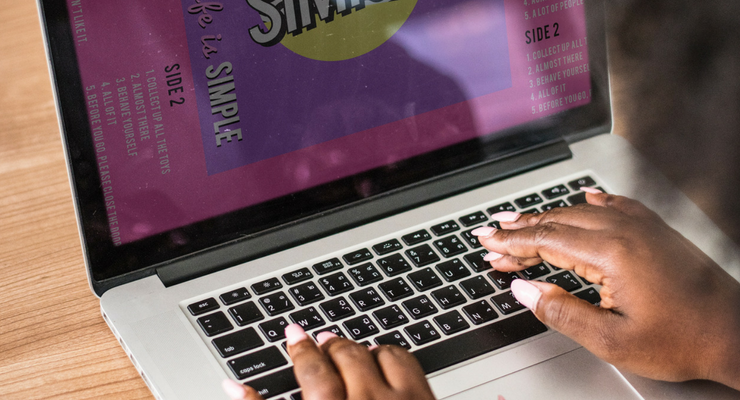
FAQs on Leaflet Marketing
Is leaflet marketing still effective in 2025?
Yes. Despite the dominance of digital advertising, leaflet marketing remains a proven tactic for local outreach. Modern strategies combine physical distribution with digital tracking using QR codes, unique URLs, and AI-driven targeting. Businesses that merge offline trust with online convenience often see higher engagement and recall rates.
How can AI improve leaflet marketing?
AI can analyze demographic and behavioral data to identify high-response neighborhoods, personalize offers, and even automate design through tools like Adobe Firefly or Canva Magic Design. It helps optimize distribution routes, predict conversion rates, and integrate offline campaigns with digital retargeting ads — increasing ROI and reducing waste.
Are printed leaflets environmentally friendly?
They can be. Modern printing uses recyclable paper, vegetable-based inks, and local printing facilities to minimize carbon footprint. Many companies also include digital extensions (QR codes) to reduce the need for multiple print runs.
How do I track the success of a leaflet campaign?
Use scannable QR codes, custom URLs, or discount codes to see how many people respond. You can also integrate AI analytics tools to track conversions and compare leaflet performance against digital channels.
Should small businesses still invest in leaflet marketing?
Definitely — especially if you serve a local customer base. Leaflets are cost-effective, tangible, and perfect for geographic targeting. When paired with online ads or social media promotions, they form a strong omnichannel strategy that increases brand visibility and conversions.
This article was originally published on August 8, 2018 and updated on November 7, 2025