Cyberattacks don’t just target big corporations — nearly half hit small businesses. Learn about six major cybersecurity risks you should watch out for and how to protect your company from data loss, downtime, and costly breaches.
Cybercrime isn’t just a big business problem — it’s everyone’s problem.
Small businesses today face the same level of digital threats as global enterprises, but often with fewer resources and weaker defenses. In fact, according to the Verizon Data Breach Investigations Report, 43% of all cyberattacks target small businesses.
Recent findings from the Hiscox Cyber Readiness Report 2023 reveal that 41% of U.S. small businesses experienced at least one cyberattack last year, and nearly half admit they aren’t adequately prepared to deal with one. This underscores how cybercrime has evolved — it’s not about company size anymore, but about vulnerability.
The reason? Hackers know many small companies don’t invest heavily in cybersecurity. Some owners assume they’re too small to be worth targeting — but attackers see them as the easiest entry points into larger networks or as quick cash opportunities.
Fortunately, protecting your business doesn’t require a massive IT budget. What it does require is awareness, the right security tools, and consistent employee training. Below, we break down the top six cybersecurity risks every small business should watch out for — and what you can do to stay safe.
Table of Contents

1. Ransomware: Held Hostage by Your Own Data
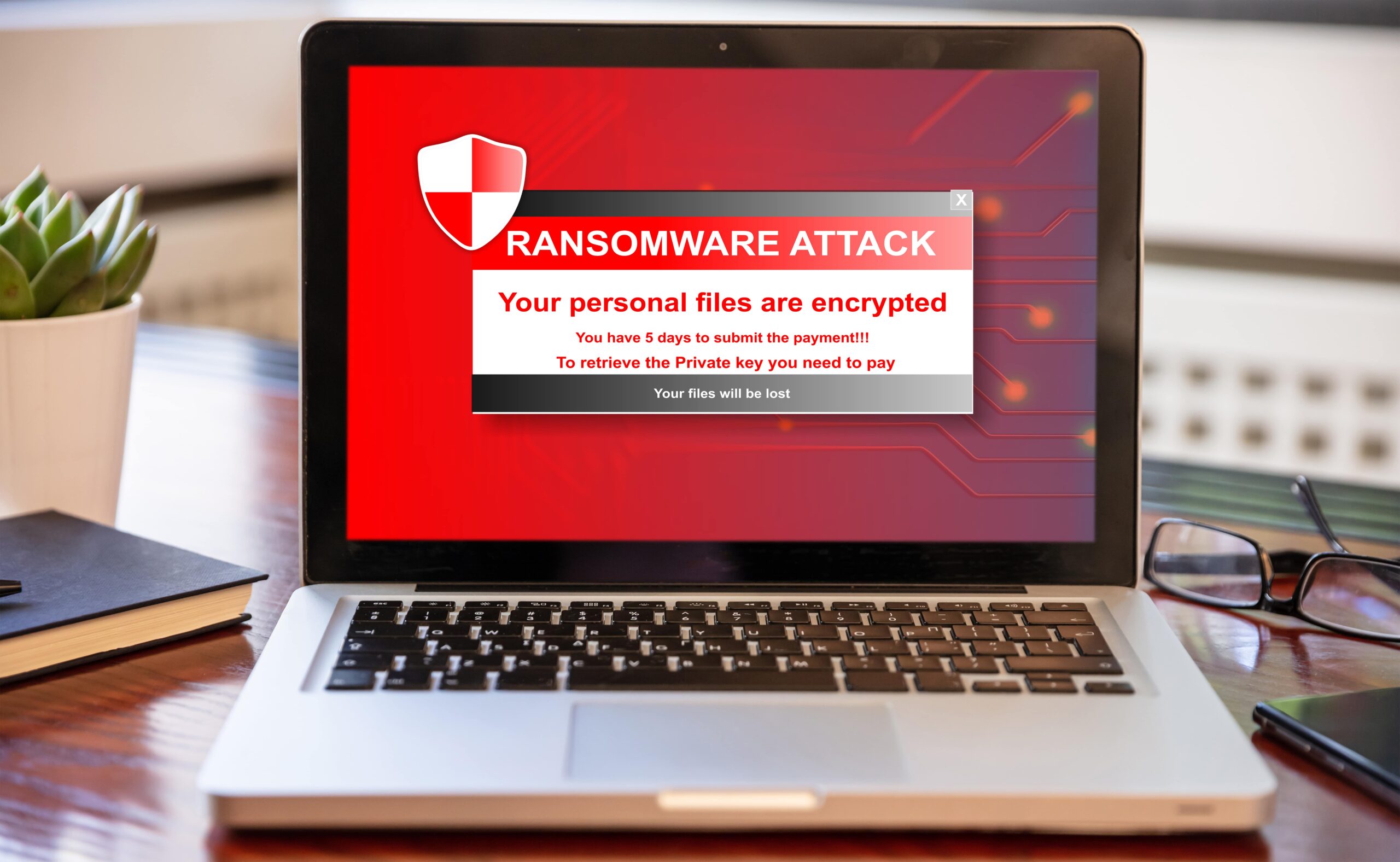
Ransomware remains one of the most damaging threats to small businesses. In this attack, cybercriminals lock your files through encryption and demand a ransom to release them. Paying the ransom doesn’t always guarantee your data will be restored — and it can cost thousands of dollars.
How to protect your business:
- Back up data regularly in secure, offsite cloud storage.
- Use endpoint protection software that includes ransomware detection and rollback features.
- Keep systems updated and patch vulnerabilities promptly.
- Educate employees on not clicking suspicious links or downloading unknown attachments.
💡 Pro tip: Tools like Bitdefender Small Office Security or similar enterprise-grade suites offer real-time ransomware protection tailored for small business networks.
2. Phishing: The Bait That Still Works
Phishing is one of the oldest tricks in the hacker’s book — and it still works frighteningly well. Attackers pose as trusted contacts, sending convincing emails or texts designed to steal passwords, bank details, or client data. The FBI estimates phishing scams cause over $12 billion in business losses annually.
How to protect your business:
- Implement email filtering and phishing detection tools.
- Run employee awareness training at least twice a year.
- Never share login information or financial details via email.
- Verify suspicious emails directly with the sender through another channel.
💡 Remember: Even the best spam filters can’t catch every scam. Awareness is your best defense.
3. Malware: Hidden Threats in Everyday Tasks
Malware (malicious software) includes viruses, worms, trojans, and spyware that infect systems to steal, damage, or erase data. It often sneaks in through free downloads, infected USB drives, or compromised websites.
For small businesses, malware can lead to expensive downtime, lost files, and reputational harm — especially if customer data is exposed.
How to protect your business:
- Install antivirus and endpoint protection on every device.
- Block unauthorized downloads and website access on company computers.
- Keep firewalls and operating systems updated.
- Schedule routine malware scans and security audits.
💡 Extra step: Use centralized IT management software to monitor and update all employee devices remotely.
4. DDoS Attacks: Overwhelmed by Fake Traffic
A Distributed Denial of Service (DDoS) attack floods your website or server with massive amounts of fake traffic, causing it to slow down or crash completely. For eCommerce businesses, that means lost sales and angry customers.
How to protect your business:
- Use a content delivery network (CDN) that offers DDoS mitigation.
- Choose web hosts that provide built-in DDoS protection.
- Monitor your website traffic regularly for unusual spikes.
- Create an incident response plan to minimize downtime if an attack occurs.
💡 Quick fix: Services like Cloudflare or AWS Shield can help absorb malicious traffic before it hits your server.
5. Weak Passwords: The Simplest Door for Hackers
It’s amazing how many cyberattacks start with a weak password like “123456” or “password.” Using the same login credentials across multiple accounts makes matters worse.
How to protect your business:
- Require strong, unique passwords with at least 12 characters.
- Enforce multi-factor authentication (MFA) for all accounts.
- Use password managers to generate and securely store credentials.
- Encourage regular password updates every 60–90 days.
💡 Better yet: Implement Single Sign-On (SSO) systems that allow employees to access multiple business apps with one secure login, reducing password fatigue and the risk of breaches.
6. Insider Threats: When Danger Comes from Within
Not all threats come from hackers outside your company. Sometimes, it’s an employee who accidentally leaks data or — worse — steals it. Insider threats can be intentional (data theft, sabotage) or unintentional (negligence, human error).
How to protect your business:
- Limit employee access to only the data necessary for their role.
- Revoke access immediately when someone leaves the company.
- Conduct background checks during hiring.
- Offer ongoing security awareness training to help staff recognize suspicious behavior.
💡 Insight: Culture matters. Employees who feel engaged and trusted are less likely to act maliciously — and more likely to report suspicious activity.
Final Thoughts
Cybersecurity might sound like something only tech giants worry about — but it’s one of the most vital parts of running a modern small business. A single attack can destroy years of hard work, cost thousands of dollars, and permanently damage your reputation.
Start small: install reliable security software, back up your data, enforce stronger passwords, and educate your team. Staying one step ahead of hackers isn’t just smart business — it’s survival.
Key Takeaways
- Small businesses are prime targets because of weaker defenses, not smaller size.
- Ransomware and phishing remain the most common — and costly — cyber threats.
- Backups, multi-factor authentication, and staff training are your best defenses.
- Use professional cybersecurity tools and services to protect devices and data.
- Create a culture of security awareness to reduce human error and insider risks.
FAQ on Cybersecurity Risks
Why are small businesses such common targets for cyberattacks?
Hackers see small businesses as “low-hanging fruit.” Many don’t have dedicated IT teams, strong firewalls, or employee training programs, making them easier to exploit. Attackers can also use smaller businesses as a way to infiltrate larger partners or clients.
What are the most common cybersecurity threats faced by small businesses?
The most common threats and cybersecurity risks include phishing scams, ransomware attacks, malware infections, weak passwords, DDoS attacks, and insider threats. Phishing and ransomware are especially dangerous because they rely on human error and can quickly shut down business operations. Regular employee training, multi-factor authentication, and endpoint protection can help reduce these risks.
Does a small business need cybersecurity?
Absolutely. Even a single data breach can have devastating consequences for a small business — from financial loss to reputational damage. Cybersecurity isn’t just an IT issue; it’s a business survival strategy. Investing in tools like firewalls, secure backups, antivirus software, and employee awareness programs can protect your business from costly downtime and customer distrust.
What percentage of small businesses fail after a cyberattack?
While the often-cited claim that “60% of small businesses close within six months of a cyberattack” is no longer supported by the National Cybersecurity Alliance, the overall impact of cyber incidents on small firms remains severe. Recent studies still show that many small businesses struggle to recover from major breaches due to financial loss, customer distrust, and downtime. For example, a 2023 report from IBM Security found that the average cost of a data breach for small and mid-sized businesses exceeds $3 million, and 43% of all cyberattacks target small companies. The takeaway: while exact failure rates vary, a serious cyberattack can be devastating — prevention and rapid response planning are essential for survival.
How much can a cyberattack cost a small business?
The financial impact varies, but according to IBM’s Cost of a Data Breach Report, the average cost for small businesses is around $3 million per incident. Even smaller breaches can result in tens of thousands of dollars in legal fees, lost sales, and system recovery costs.
What’s the first step a small business should take to improve cybersecurity?
Start with a security audit to identify vulnerabilities in your network, passwords, and employee habits. Then, set up the basics: a firewall, antivirus software, regular backups, and multi-factor authentication (MFA). From there, add cybersecurity training so employees become your first line of defense.
How often should cybersecurity training be provided to employees?
At least twice a year, or whenever your company updates its security policies. Cybersecurity threats evolve constantly, so keeping employees informed ensures they recognize new scams and act responsibly.
Can outsourcing cybersecurity be affordable for small businesses?
Yes. Many managed service providers (MSPs) now offer cost-effective monthly security plans that include monitoring, patching, backups, and data protection. These solutions are ideal for small businesses that lack an in-house IT team.
This article was originally published on July 27, 2020 and updated on November 11, 2025.